Vietnam · Tỉnh Lạng Sơn
Where to Stay in Lạng Sơn, Tỉnh Lạng Sơn
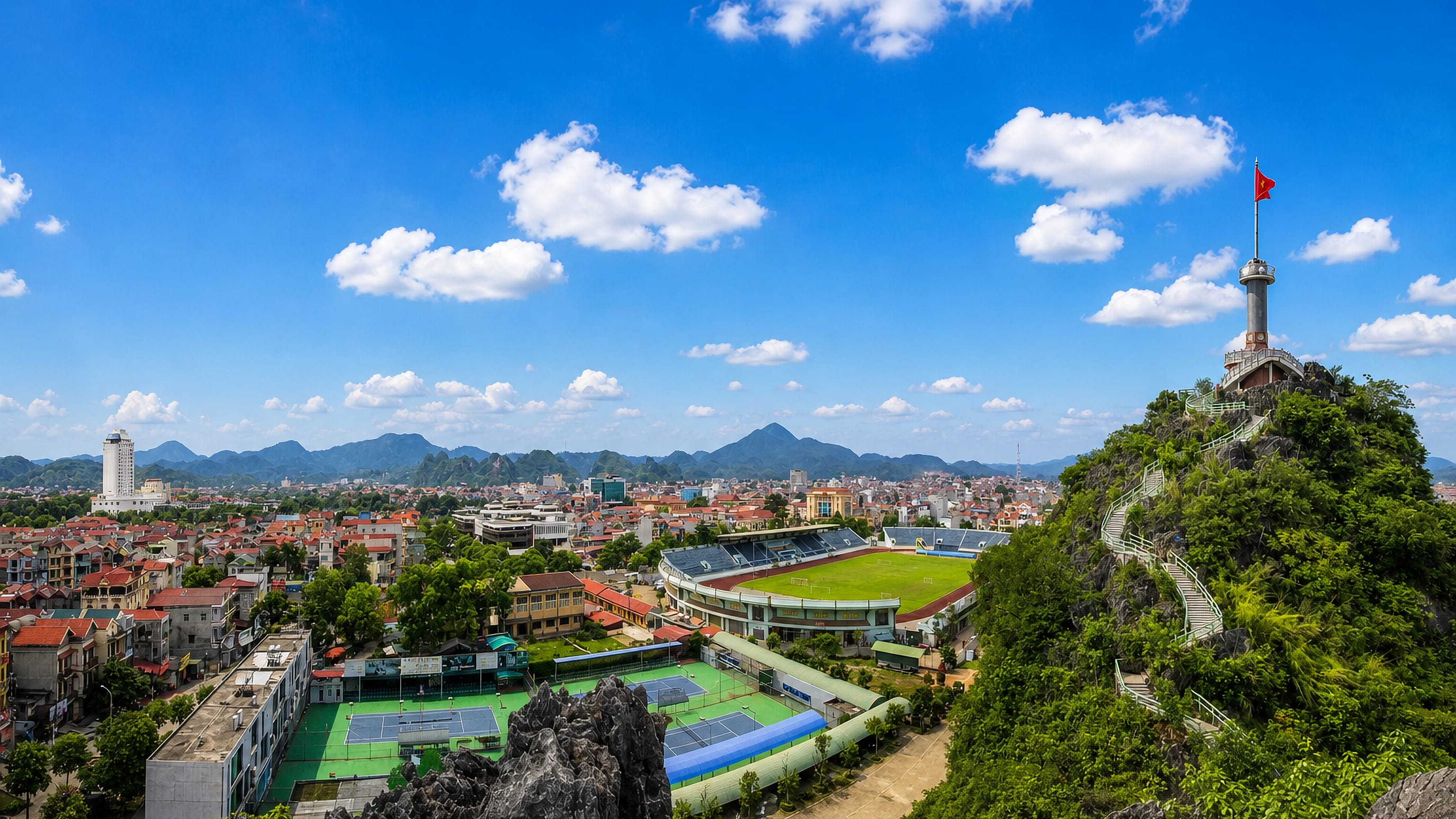
Lạng Sơn, capital of Lạng Sơn Province in far northern Vietnam, is the northernmost point on National Route 1, reached from Hanoi by road and rail.
Hotel links are affiliate links: booking through them may earn us a commission, at no extra cost to you. It never affects how places are ranked. How this works


Where to stay in Lạng Sơn
How the choice of base plays out on the ground.
Two named sights and one road decide it. The Cathedral of St. Dominic and the Lang Son Provincial Museum both sit inside the seat of Lạng Sơn Province, close enough that a single room covers the pair without a journey between them. Lạng Sơn's footprint is modest.
Roughly 79 square kilometres hold everything, so the choice is less about which quarter to sleep in than about how close a bed sits to the end of National Route 1. Route 1 ends in the city, and the rooms nearest its last stretch suit drivers finishing the run up from Hanoi or setting out on it before dawn. Quiet costs a short walk. Beds set back from the highway give up that convenience for calmer nights, which suits anyone whose reason for coming is Lạng Sơn Province itself rather than the drive through it.
Rail arrivals land between the two. The line from Hanoi puts travellers in the middle of Tỉnh Lạng Sơn's seat, within reach of the cathedral, the museum and the shops that serve both, and that is the compromise most first visits want. Nothing else on the city's list competes.
The province names two sights and one highway terminus, and a stay in Lạng Sơn is planned around that short list rather than around a spread of quarters.
Find hotels in Lạng Sơn
Direct booking searches for these neighbourhoods.
The cathedral quarter
The part of Lạng Sơn built around its one cathedral, with the Lang Son Provincial Museum a short way offFind hotels in The cathedral quarterDrivers ending or beginning the highway run to HanoiThe Route 1 approach
The last stretch of National Route 1 before it stops in Lạng Sơn, where rooms are set up for late arrivalsFind hotels in The Route 1 approachArrivals into Lạng Sơn Province coming by train rather than by carThe rail side
The station end of the seat of Tỉnh Lạng Sơn, nearest the line running back down to HanoiFind hotels in The rail sideHotel links are affiliate links: booking through them may earn us a commission, at no extra cost to you. It never affects how places are ranked. How this works
About Lạng Sơn
The road ends here.
What is Lạng Sơn known for?
National Route 1 runs the length of Vietnam and stops at Lạng Sơn, which makes this city the highway's northern terminus rather than one more stage along it. Rail from Hanoi arrives too. Two named sights carry the public record, the Cathedral of St. Dominic and the Lang Son Provincial Museum, both standing inside the seat of Lạng Sơn Province.
What are the main landmarks in Lạng Sơn?
The named list runs to two. The Cathedral of St. Dominic is the one cathedral Lạng Sơn holds, and the Lang Son Provincial Museum is the one museum, a collection kept for the whole of Lạng Sơn Province rather than for the city alone. Neither needs a drive.
Both belong to the same compact seat at the top of National Route 1, so an afternoon covers the cathedral and the museum in a single loop and still leaves time to be back on the road toward Hanoi.
What is the history of Lạng Sơn?
Roads made the case. What Lạng Sơn has always been is the point where National Route 1 stops, the far end of the highway binding the length of Vietnam together, and a city that rail as well as road brings up from Hanoi. The province took the same name.
Lạng Sơn Province is administered from here, and that single fact stands behind the offices, the collection and the scale of a settlement that would otherwise be one more town in the far north. The record kept here is provincial rather than municipal. The Lang Son Provincial Museum gathers the material of Tỉnh Lạng Sơn under one roof instead of leaving it spread across the districts the province contains, which is why a visitor reading the ground starts there.
Its year of founding is missing. What the city can date is its position on the route, and that position rather than any charter is what put Lạng Sơn on the map of Vietnam and has kept it there. Hanoi is the reference point throughout.
Every account of the city measures it against the Vietnamese capital, by the road running between them and by the railway shadowing that road, and the relationship is the one continuous thread the place carries. The Cathedral of St. Dominic is the other survivor. It stands as the city's one building of cathedral rank, listed alongside the museum whenever Lạng Sơn Province names what it holds.
Where is Lạng Sơn?
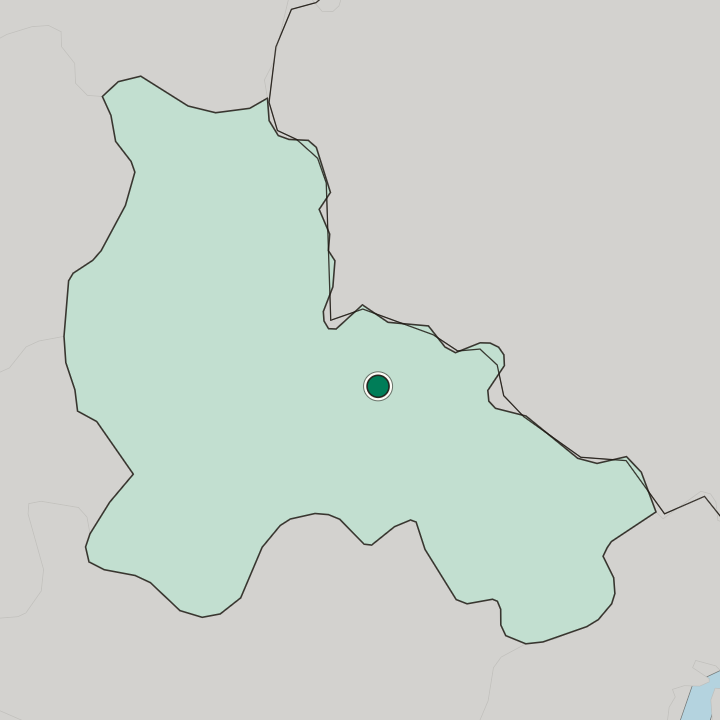
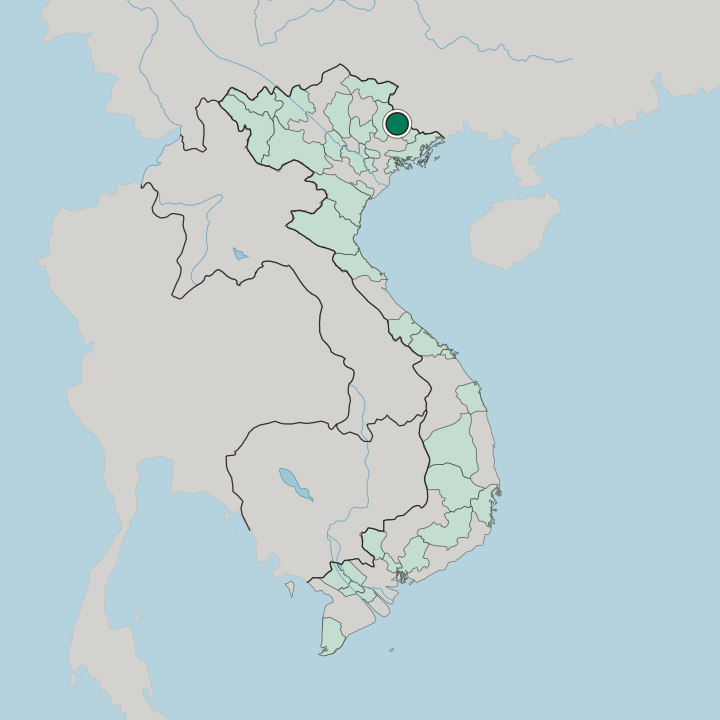
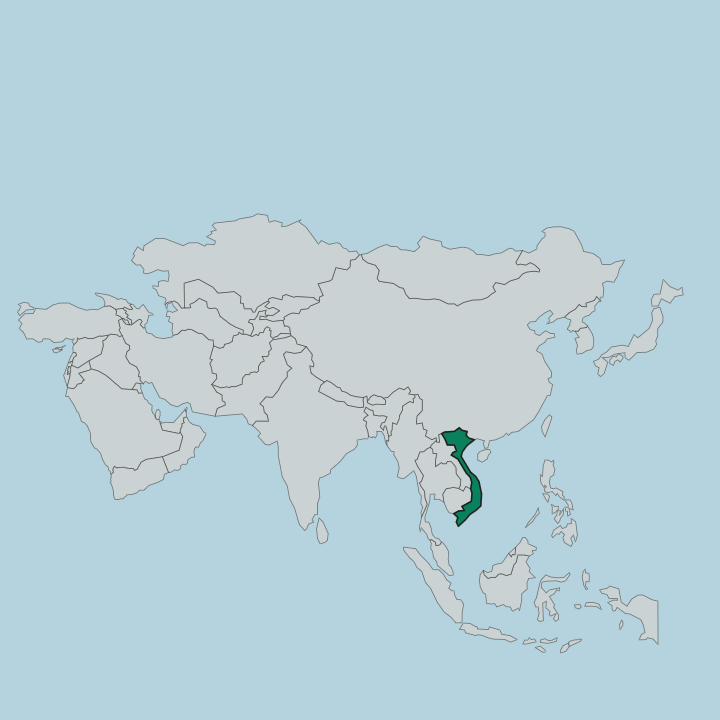
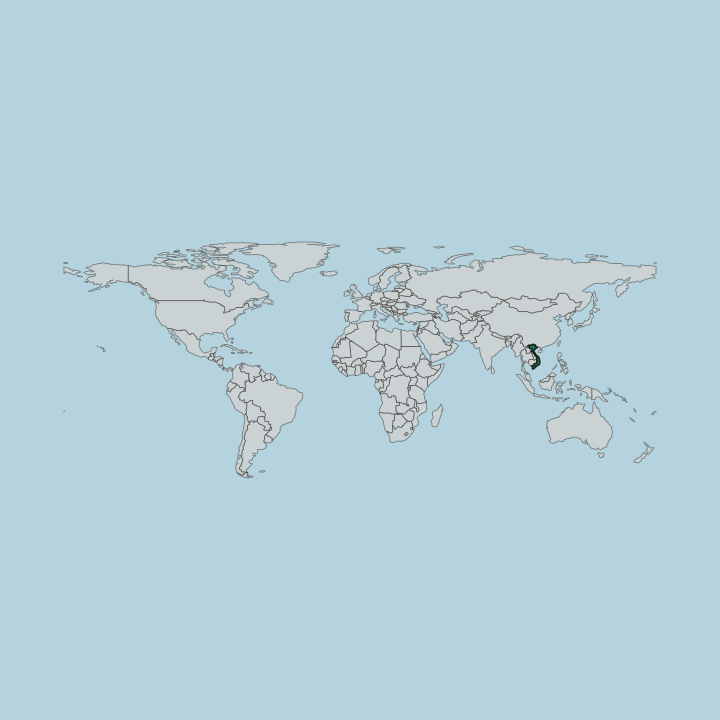
Roughly 79 square kilometres make up Lạng Sơn, a compact seat for a province reaching well beyond it. The city lies in far northern Vietnam, inside Lạng Sơn Province, and the ground it occupies is the last that National Route 1 crosses before the highway stops. Hanoi is the southern reference.
Road and railway both run down to the Vietnamese capital, which is how any distance from Lạng Sơn tends to be reckoned.
What is the climate of Lạng Sơn?
The tropics reach their limit here. Lạng Sơn lies inside the tropical band of the northern hemisphere, at the far northern end of the ground National Route 1 crosses, so the year runs on a warm season and a cool one rather than four even quarters. Mid-year brings the heat.
The turn of the calendar brings the cooler stretch, and the size of that swing is the main thing separating Lạng Sơn's year from Hanoi's at the other end of the road.
How do you get to Lạng Sơn?
Road and rail both work. National Route 1 runs from Hanoi up to Lạng Sơn and stops, making the city the highway's terminus rather than a place it passes through, and the railway follows much the same corridor. Hanoi is the junction.
Anything arriving from the rest of Vietnam comes through the Vietnamese capital first, then covers the last leg into Lạng Sơn Province by whichever of the two a traveller prefers.
Common questions
What is the best area to stay in Lạng Sơn?
The cathedral quarter: Stays that keep the Cathedral of St. Dominic within a walk. The Route 1 approach: Drivers ending or beginning the highway run to Hanoi. The rail side: Arrivals into Lạng Sơn Province coming by train rather than by car.
Updated September 2026