Kosovo · Mitrovica District
Where to Stay in Mitrovicë, Mitrovica District
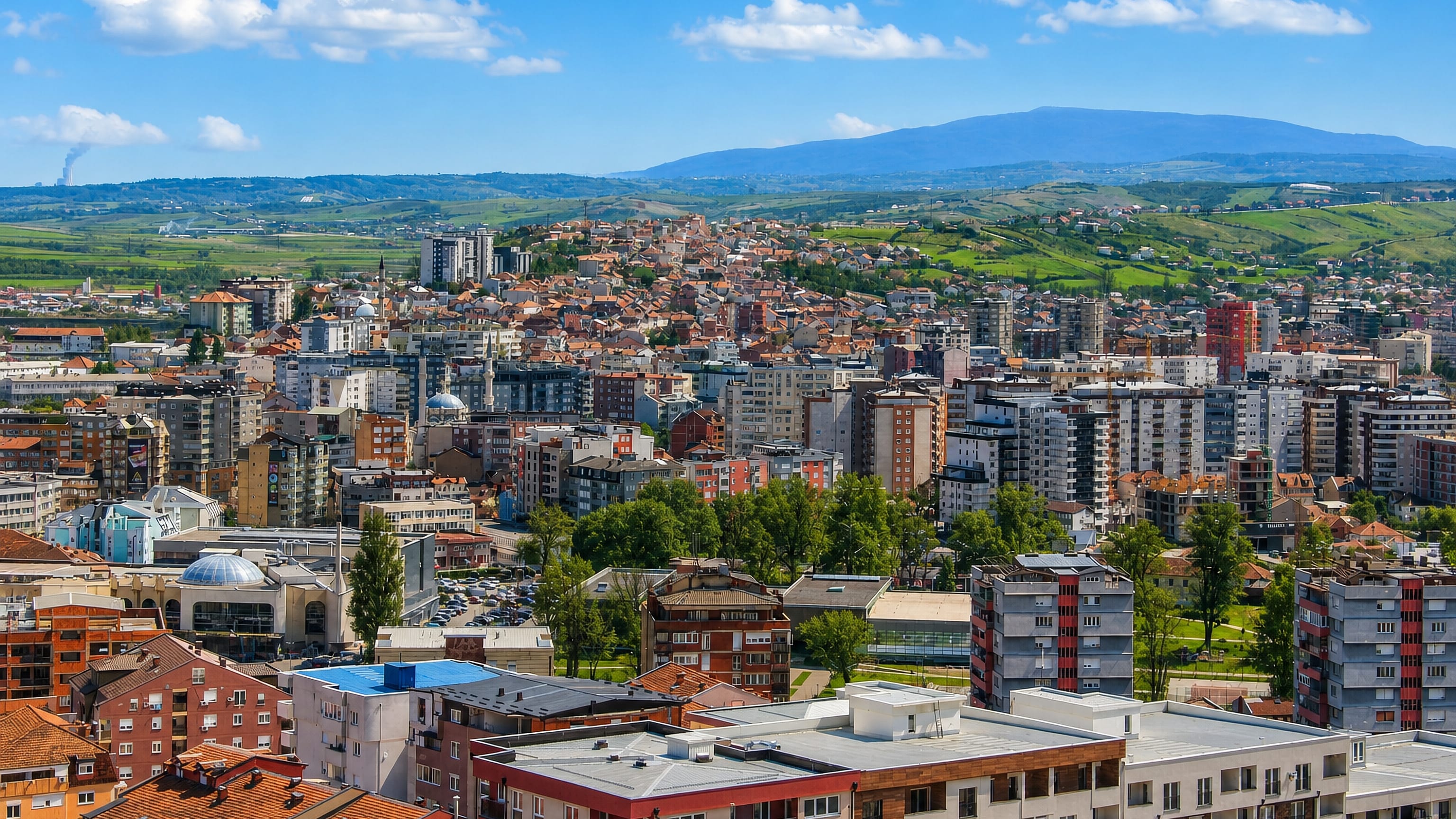
Mitrovicë stands where the Sitnica, Lushta and Trepça meet the Ibër, ringed by the Kopaonik and Rogozna mountains.
Hotel links are affiliate links: booking through them may earn us a commission, at no extra cost to you. It never affects how places are ranked. How this works


Where to stay in Mitrovicë
How the choice of base plays out on the ground.
Mitrovicë is administered as two municipalities. South Mitrovica and North Mitrovica were separated in 2013, and the Ibër runs between them, so a bed on one bank is not quite a bed on the other. The Mitrovica Bridge links the two.
Most of the listed fabric, from the City Museum of Mitrovica and the Jadran Hotel to the Minatori Sports Hall and the old core at Bërthama e vjetër e Qytetit, belongs to the city rather than to the villages of the district. Three choices present themselves. The old core suits anyone here for the museum and the protected streets, the riverside puts the Mitrovica Bridge and the meeting of the Sitnica, Lushta and Trepça within sight, and Sokolica Monastery draws a different kind of visit altogether.
If your interest is the medieval record rather than the modern city, the Kështjella Mesjetare e Zveçanit is the site to plan a stay around. Beds thin out beyond the city. The mountains of Kopaonik, Rogozna, Mokna and Čičavica stand around the valley, and Ujmani/Gazivoda Lake lies some 10 km off, which makes a car the practical way to reach either.
Find hotels in Mitrovicë
Direct booking searches for these neighbourhoods.
Bërthama e vjetër e Qytetit
The old core listed as Bërthama e vjetër e Qytetit is the protected street pattern Mitrovicë keeps, with the City Museum of Mitrovica on it.Find hotels in Bërthama e vjetër e Qytetita stay turning on the Mitrovica Bridge and the confluenceAlong the Ibër
The Ibër takes in the Sitnica, the Lushta and the Trepça at Mitrovicë, and the Mitrovica Bridge crosses between the two municipalities.Find hotels in Along the Ibërtravellers making for Sokolica MonasteryToward Sokolica
Sokolica Monastery is the monastic house on Mitrovicë's protected list, a quieter target than the City Museum of Mitrovica or the Minatori Sports Hall. Lodging is scarce in this area; reserve in advance.Find hotels in Toward SokolicaHotel links are affiliate links: booking through them may earn us a commission, at no extra cost to you. It never affects how places are ranked. How this works
Things to do in Mitrovicë
Ranked by global recognition; descriptions from Wikidata (CC0).
Museums & Galleries
1- City Museum of Mitrovica
Churches & Religious Sites
1- Sokolica Monastery Heritage
Castles & Historic Sites
1- Kështjella Mesjetare e Zveçanit Heritage
Stadiums & Sports
1- Minatori Sports Hall
Landmarks & Notable Places
1- Jadran Hotel Heritage
worth knowingacross 5 categories in Mitrovicë
About Mitrovicë
Four rivers meet here.
What is Mitrovicë known for?
The Ibër takes in the Sitnica, the Lushta and the Trepça at Mitrovicë, and the Mitrovica Bridge over the Ibër is the crossing the city is best known for. Heritage sits on both banks. Sokolica Monastery, the City Museum of Mitrovica and the old core recorded as Bërthama e vjetër e Qytetit are the fixed points, with the Tupella Family Tower House among the listed houses.
What are the main landmarks in Mitrovicë?
Sokolica Monastery heads the list. The City Museum of Mitrovica, the Jadran Hotel, the Minatori Sports Hall and the building listed as Enti për punësim make up the civic side of the register. Two tower houses survive.
The Tupella Family Tower House and the Asllan Tupella Tower House carry the domestic architecture, with the Shrine to the Revolution among the monuments. Beyond the streets is the Kështjella Mesjetare e Zveçanit.
What is the history of Mitrovicë?
The medieval layer is the earliest recorded. Kështjella Mesjetare e Zveçanit and Sokolica Monastery are the two medieval entries on the protected list of Mitrovicë, one a castle and the other a monastery, and they are the deepest dates the register gives. Then comes the town itself.
The old core listed as Bërthama e vjetër e Qytetit preserves the street pattern, with the Tupella Family Tower House and the Asllan Tupella Tower House among the dwellings kept from that older fabric. The rivers explain the siting. Mitrovicë grew where the Sitnica, the Lushta and the Trepça come together with the Ibër, and the mountains of Kopaonik, Rogozna, Mokna and Čičavica close the valley around that meeting of waters.
The city later took several names. Mitrovica and Kosovska Mitrovica both attach to it, and in 2013 the city was divided into the two municipalities of South Mitrovica and North Mitrovica, with the Ibër as the line between them. The Shrine to the Revolution, the Jadran Hotel and the Minatori Sports Hall belong to the newer civic record, and the City Museum of Mitrovica holds what remains of the older one.
Where is Mitrovicë?
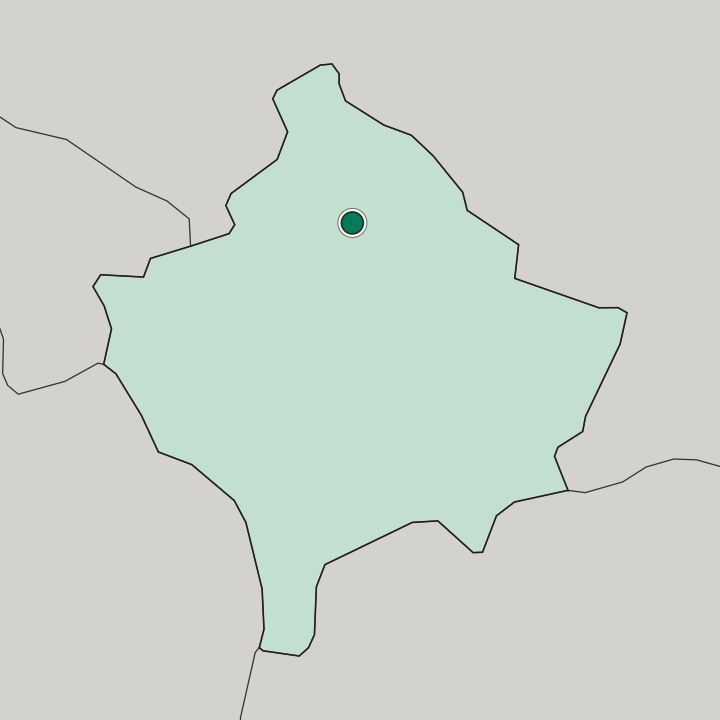
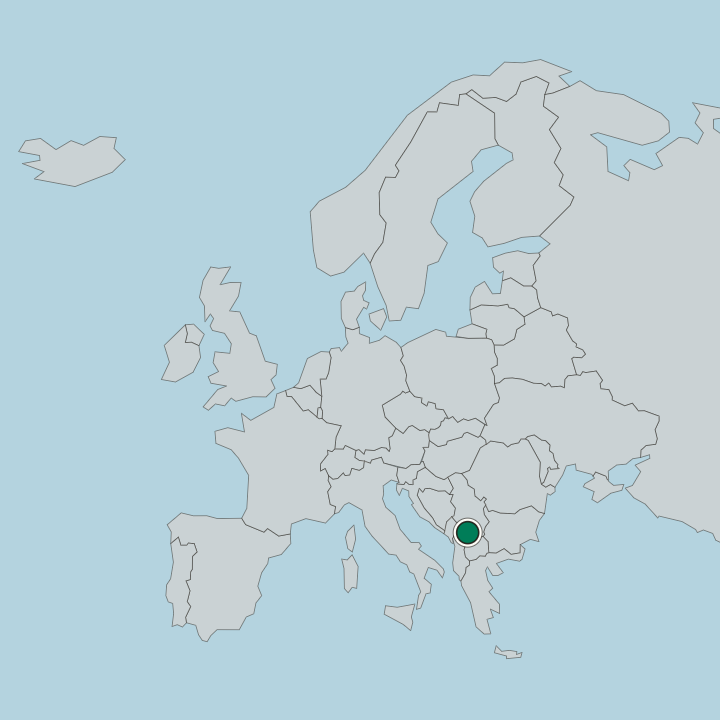
Mountains close the valley. Kopaonik, Rogozna, Mokna and Čičavica stand around Mitrovicë, and the city sits on the confluence where the Sitnica, the Lushta and the Trepça join the Ibër. Ujmani/Gazivoda Lake lies about 10 km away.
The municipality covers roughly 350 square kilometres, a compact figure for a district centre.
What is the climate of Mitrovicë?
The Ibër valley sets the pattern. Mitrovicë sits in the temperate band of the northern hemisphere, and the ring of Kopaonik, Rogozna, Mokna and Čičavica means the valley floor and the high ground above it rarely share the same conditions on the same day. The year divides in four.
Ujmani/Gazivoda Lake, about 10 km off, and the confluence of the Sitnica, the Lushta and the Trepça keep water at the centre of the picture in every one of them.
How do you get to Mitrovicë?
The Mitrovica Bridge is the crossing that matters. It carries movement over the Ibër between South Mitrovica and North Mitrovica, and no airport or rail terminal appears in the record for the city. Everything moves by road in Mitrovicë.
Ujmani/Gazivoda Lake sits about 10 km out, and neither the Kështjella Mesjetare e Zveçanit nor Sokolica Monastery belongs to the old core listed as Bërthama e vjetër e Qytetit.
Common questions
What is the best area to stay in Mitrovicë?
Bërthama e vjetër e Qytetit: walking reach of the City Museum of Mitrovica. Along the Ibër: a stay turning on the Mitrovica Bridge and the confluence. Toward Sokolica: travellers making for Sokolica Monastery.
Good for
Updated September 2026