South Africa · Limpopo
Where to Stay in Polokwane, Limpopo
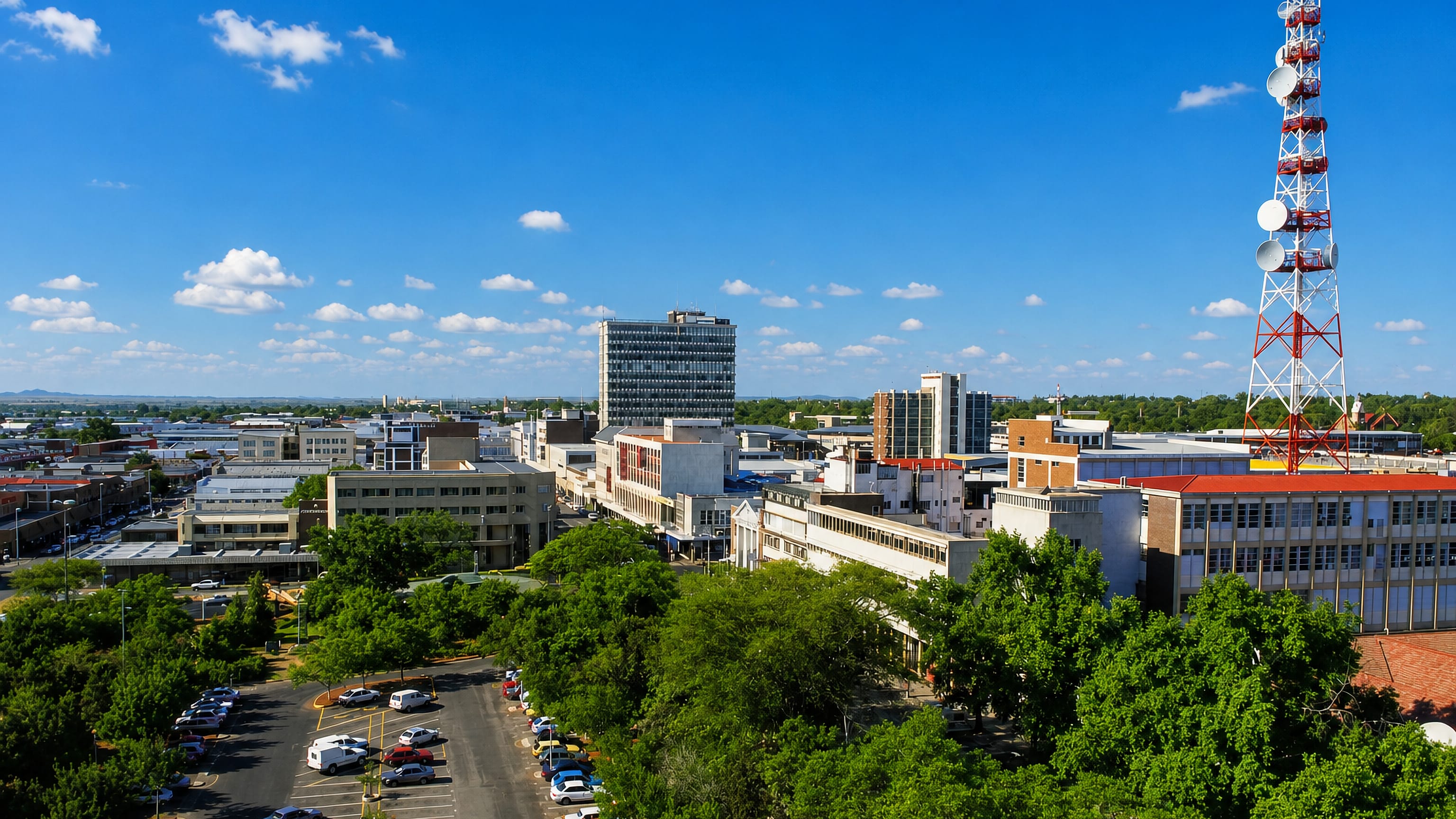
Polokwane, once Pietersburg, is the capital of Limpopo and the largest urban centre in South Africa north of Gauteng.
Hotel links are affiliate links: booking through them may earn us a commission, at no extra cost to you. It never affects how places are ranked. How this works


Where to stay in Polokwane
Where the beds are, and what that means for the visit.
The provincial offices anchor a stay in Polokwane. The city runs the business of Limpopo Province, so the streets holding the government offices also hold the rooms taken by people whose visit is official rather than recreational. That is a large share of arrivals.
Anyone travelling up from Gauteng meets Polokwane as the first place of real size on the route, which makes a night here a matter of distance covered rather than of scenery. The road from Gauteng carries most of that traffic. The choice is simple enough.
Away from the centre, Polokwane spreads across open ground, and the outer stays trade walking access to the Limpopo administration for parking and quiet. Both sides sit inside one compact city. Polokwane covers a modest footprint for a provincial capital, so the difference between a central room and an outer one is measured in minutes of driving rather than in any real separation.
Nothing in Polokwane is far from the Limpopo offices, and a room picked for convenience alone adds little travel time. The name Pietersburg still turns up in older listings, so a booking made from an out-of-date source may carry it. Check both names.
Find hotels in Polokwane
Direct booking searches for these neighbourhoods.
The Limpopo government core
The central grid of Polokwane, closest to the provincial offices that run LimpopoFind hotels in The Limpopo government coreDrivers coming up from Gauteng who would rather park than walkThe outer Polokwane approaches
Open ground on the edge of Polokwane, along the roads that arrive from GautengFind hotels in The outer Polokwane approachesHotel links are affiliate links: booking through them may earn us a commission, at no extra cost to you. It never affects how places are ranked. How this works
About Polokwane
Administration and scale are the story here.
What is Polokwane known for?
Polokwane holds the seat of Limpopo Province, and no urban centre in South Africa north of Gauteng is larger, which gives the city a reach across the province that its size alone would not explain. Pietersburg was the older name. It still appears in older references, and the city carried its newer one through a spell of international attention as a host city of the 2010 FIFA World Cup.
What are the main landmarks in Polokwane?
Polokwane keeps no monument at its centre. No single building, park or memorial carries the city outward; what stands out instead is its role as the administrative seat of Limpopo Province and its size relative to everything north of Gauteng. Sport supplied the exception.
As a host city of the 2010 FIFA World Cup, Polokwane sat briefly on an international schedule, and that tournament is still the event most often attached to it. Pietersburg is the other association.
What is the history of Polokwane?
The founding year on record is 1886. Pietersburg was the name it carried from that point, and the name held long enough that plenty of references and conversations still use it. The change came later.
Polokwane is the official form, while Pietersburg survives in older listings, and both names attach to the same city at the head of Limpopo Province. Growth followed administration. The city became the seat of Limpopo, and that function pulled in the offices, services and traffic that made it the largest urban centre in South Africa north of Gauteng.
Nothing north of it comes close. The subtropical interior around it holds no rival of comparable size. A capital carries paperwork before anything else, and the business of Limpopo Province runs through Polokwane.
Polokwane appeared among the host cities of the 2010 FIFA World Cup, an event that brought international crowds to a city whose ordinary business is the administration of Limpopo. English is the working language of that business. Both names, Polokwane and Pietersburg, still appear on maps and in directories, which is the plainest trace the city's history has left on everyday use.
Where is Polokwane?
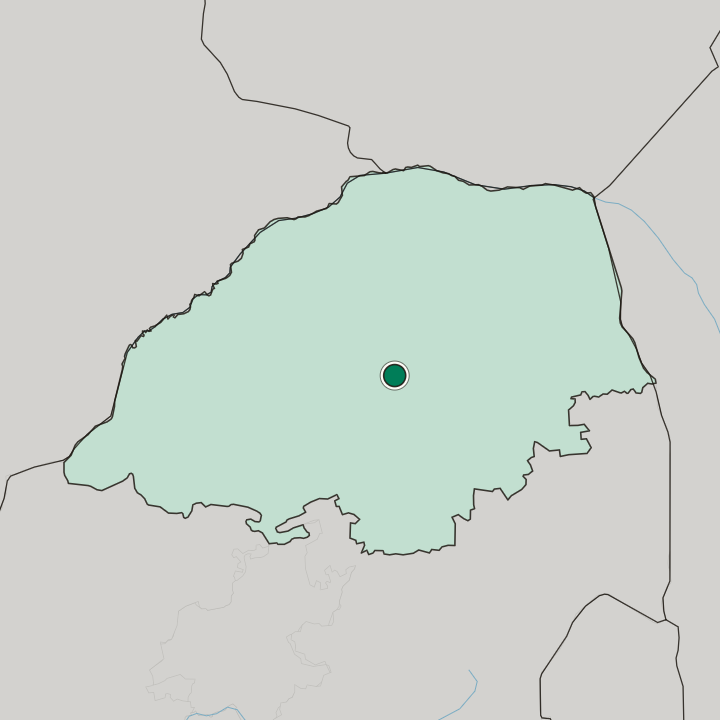
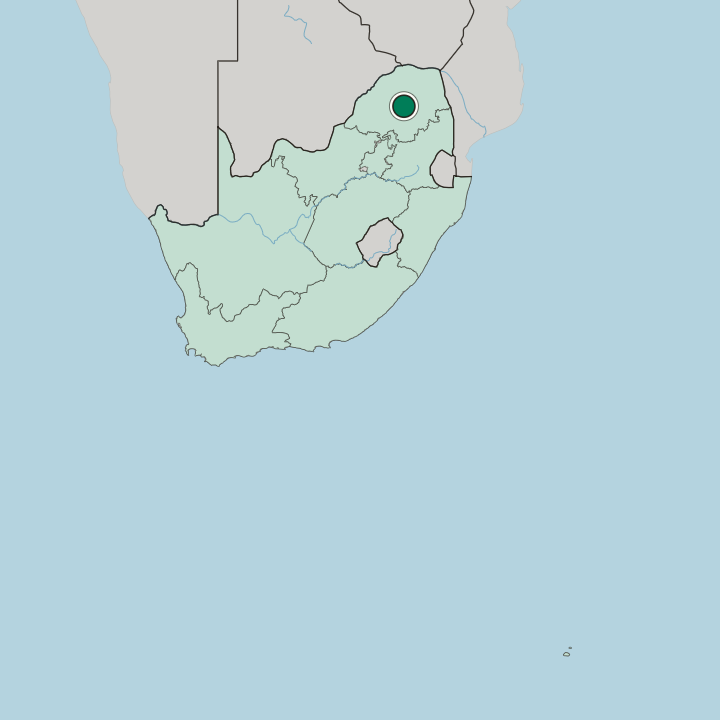
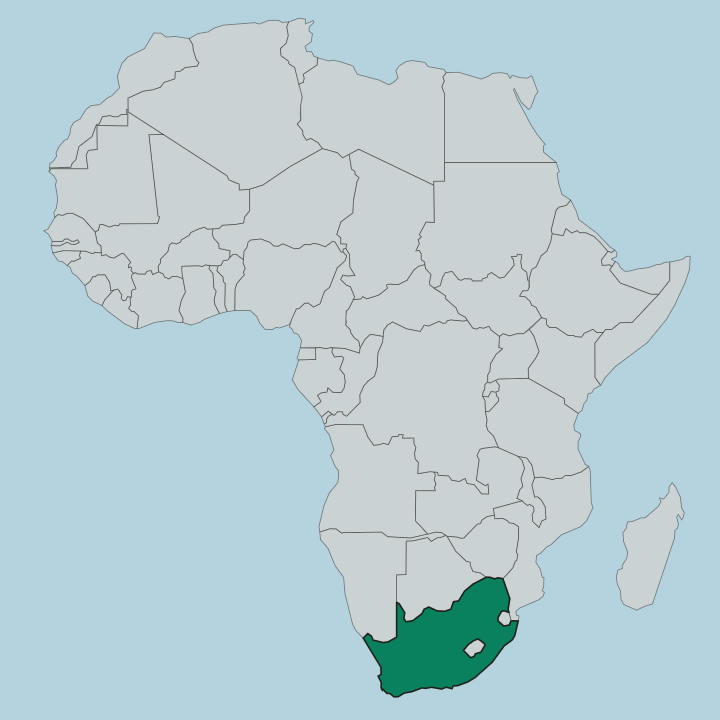
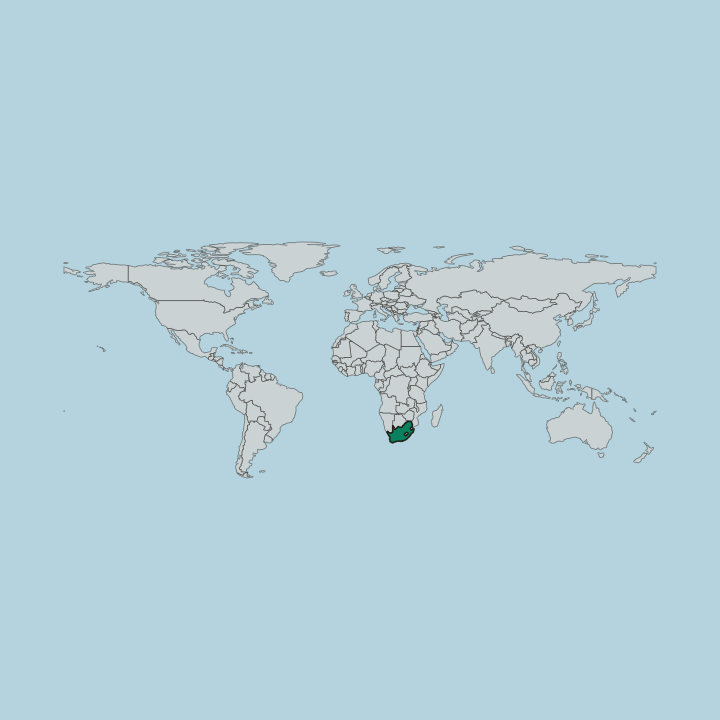
Polokwane occupies open interior ground. The city stands in Limpopo Province within the subtropical belt of the southern hemisphere, with Gauteng lying to the south and the far interior of South Africa spread around it. This is inland country, far from any coast.
What the setting gives Polokwane is room, and the built-up area spreads outward rather than being pressed into a valley or squeezed along a shoreline.
What is the climate of Polokwane?
Distance from the sea sets the pattern. Polokwane sits well inland in Limpopo Province, and an interior site in the subtropical belt swings further between day and night than a coastal one does. Rain arrives with the warm months.
The cooler half of the year runs drier across this part of South Africa north of Gauteng, and the difference between the seasons reads as wet against dry rather than hot against cold.
How do you get to Polokwane?
Most arrivals come up from Gauteng. Polokwane is the first city of real size on that run, and its standing as the largest urban centre in South Africa north of Gauteng makes it the natural break for traffic heading further into Limpopo. The city is a provincial hub before it is a destination.
Routes into the districts of Limpopo Province gather here, which is why a stop in Polokwane is often a transfer rather than an arrival.
Common questions
What is the best area to stay in Polokwane?
The Limpopo government core: Trips built around the Limpopo Province administration. The outer Polokwane approaches: Drivers coming up from Gauteng who would rather park than walk.
Updated September 2026