South Africa: Regions, Cities & Travel Guide
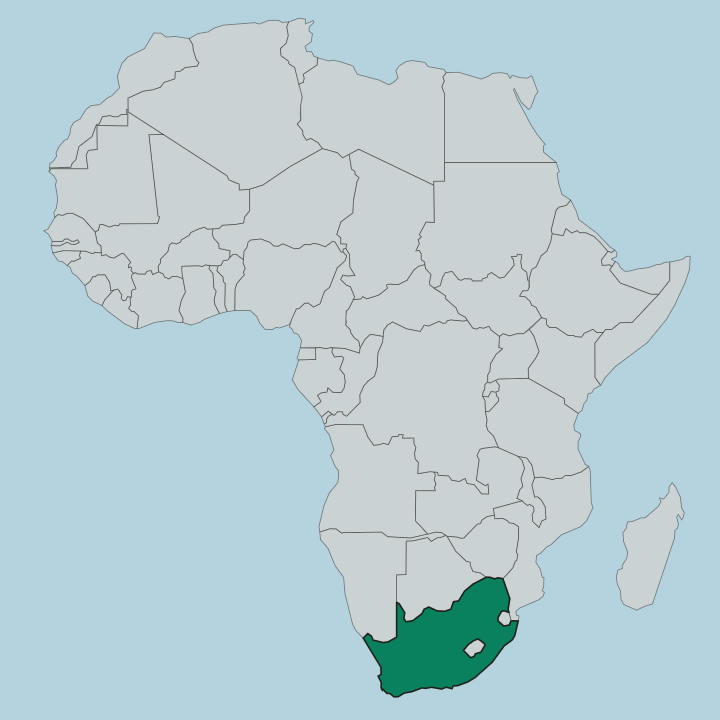
South Africa is the southernmost country in Africa, a land of two oceans and nine provinces reaching from Johannesburg to the coast at Cape Town.
Hotel links are affiliate links: booking through them may earn us a commission, at no extra cost to you. It never affects how places are ranked. How this works


Top destinations in South Africa
Cities to start from, then drill into areas and hotels.
 South Africa
Cape Town
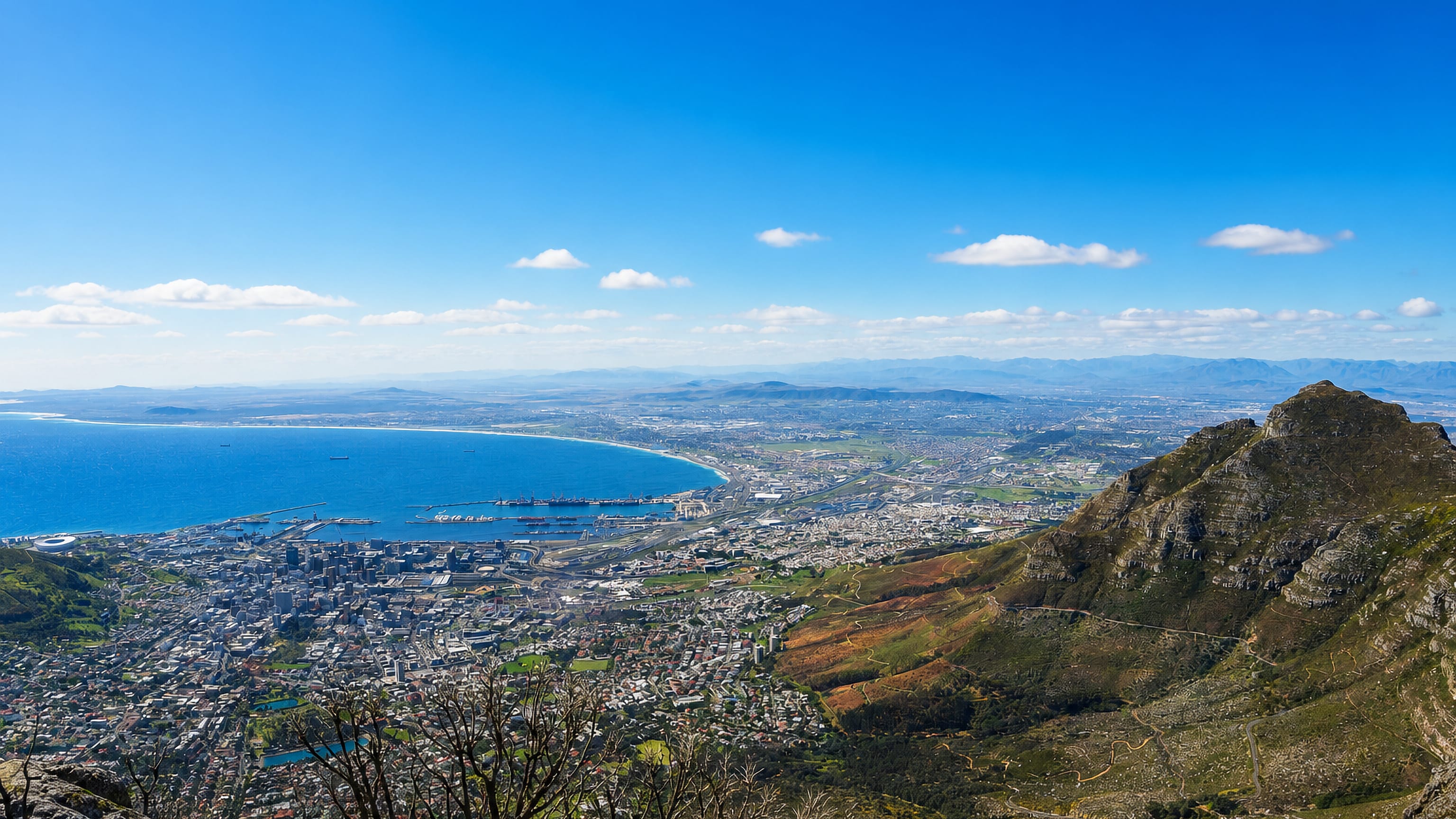
Cape Town is South Africa's oldest city and legislative capital, set on the southwestern coast near the Cape of Good Hope in the Western Cape.Where to stay →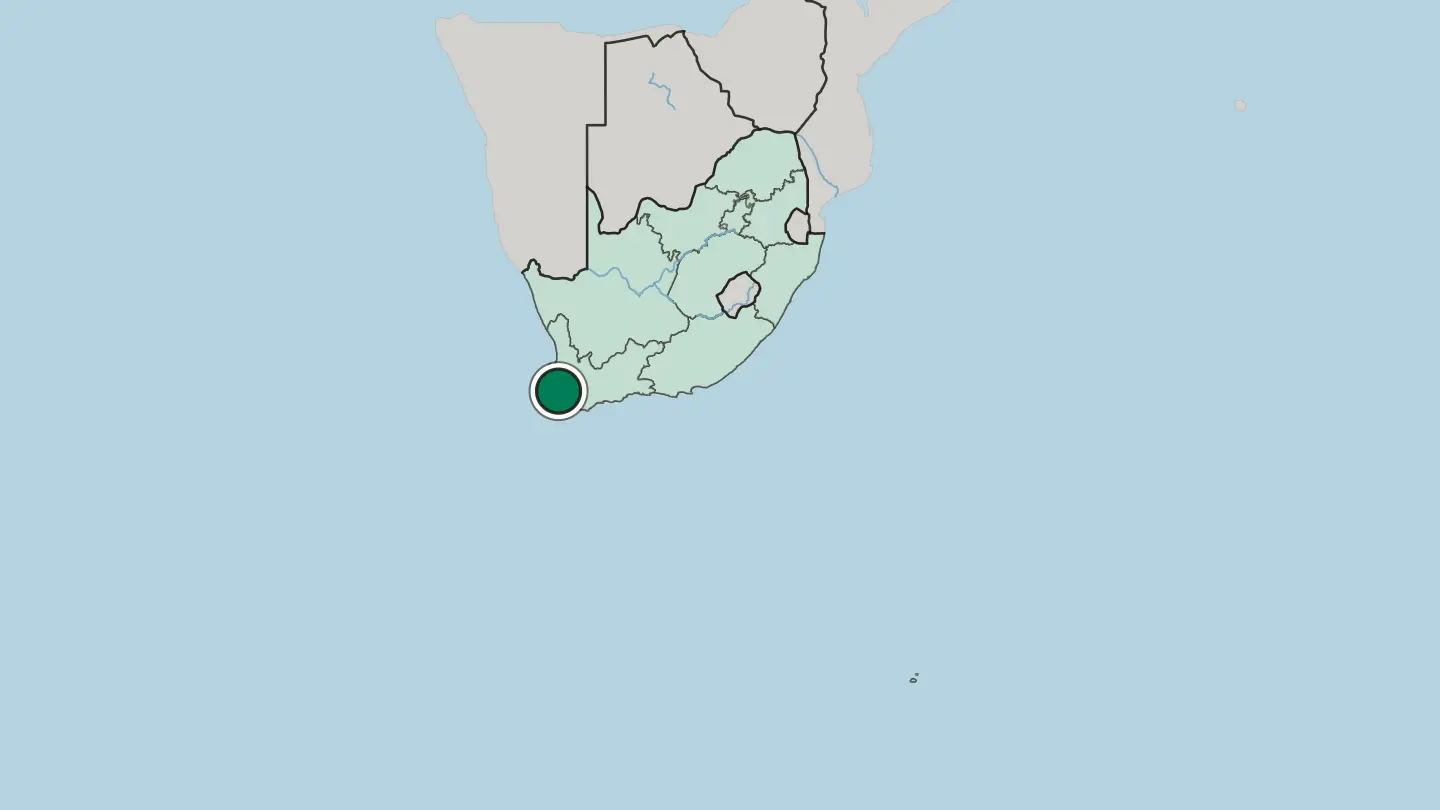
 South Africa
Johannesburg
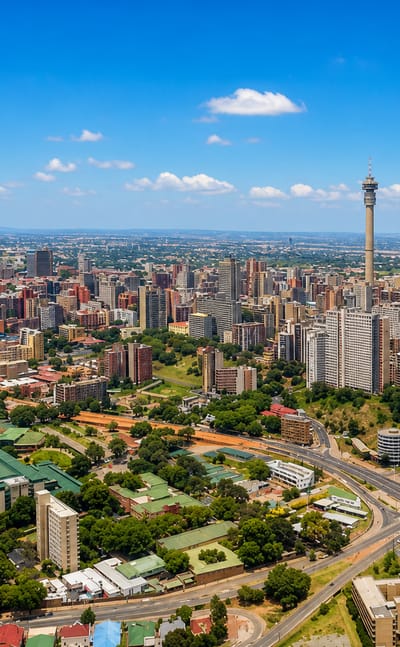
Johannesburg, the City of Gold, grew from the 1886 gold strike on the Witwatersrand and serves as the provincial capital of Gauteng, South Africa.Where to stay →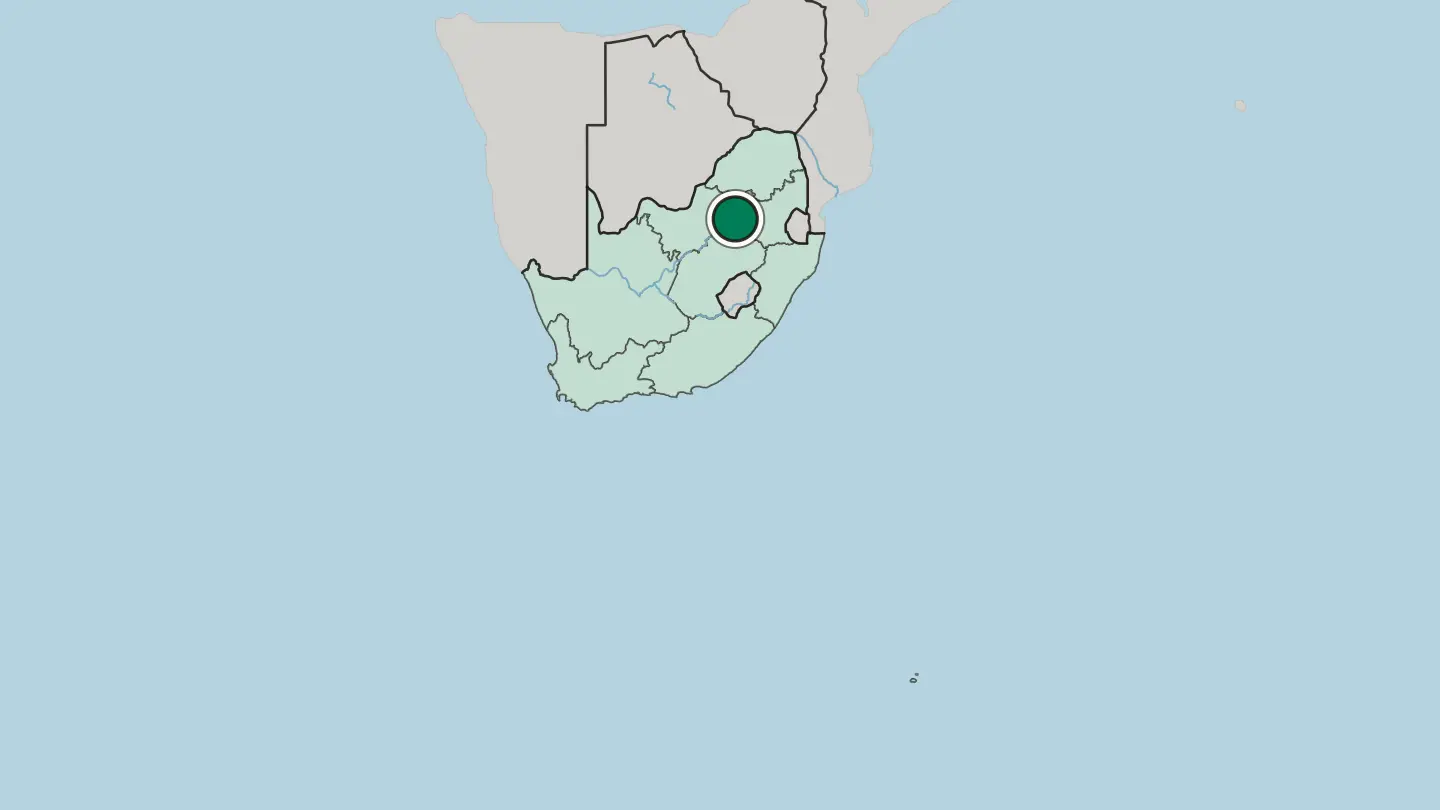
 South Africa
Pretoria
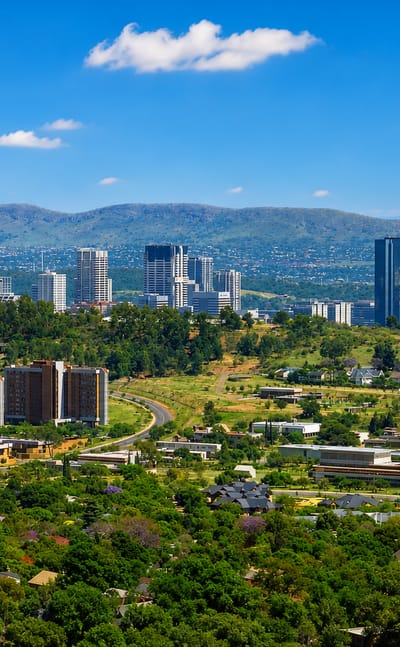
Pretoria is the administrative capital of South Africa, a jacaranda-lined city in Gauteng known for the Voortrekker Monument and its government quarter.Where to stay →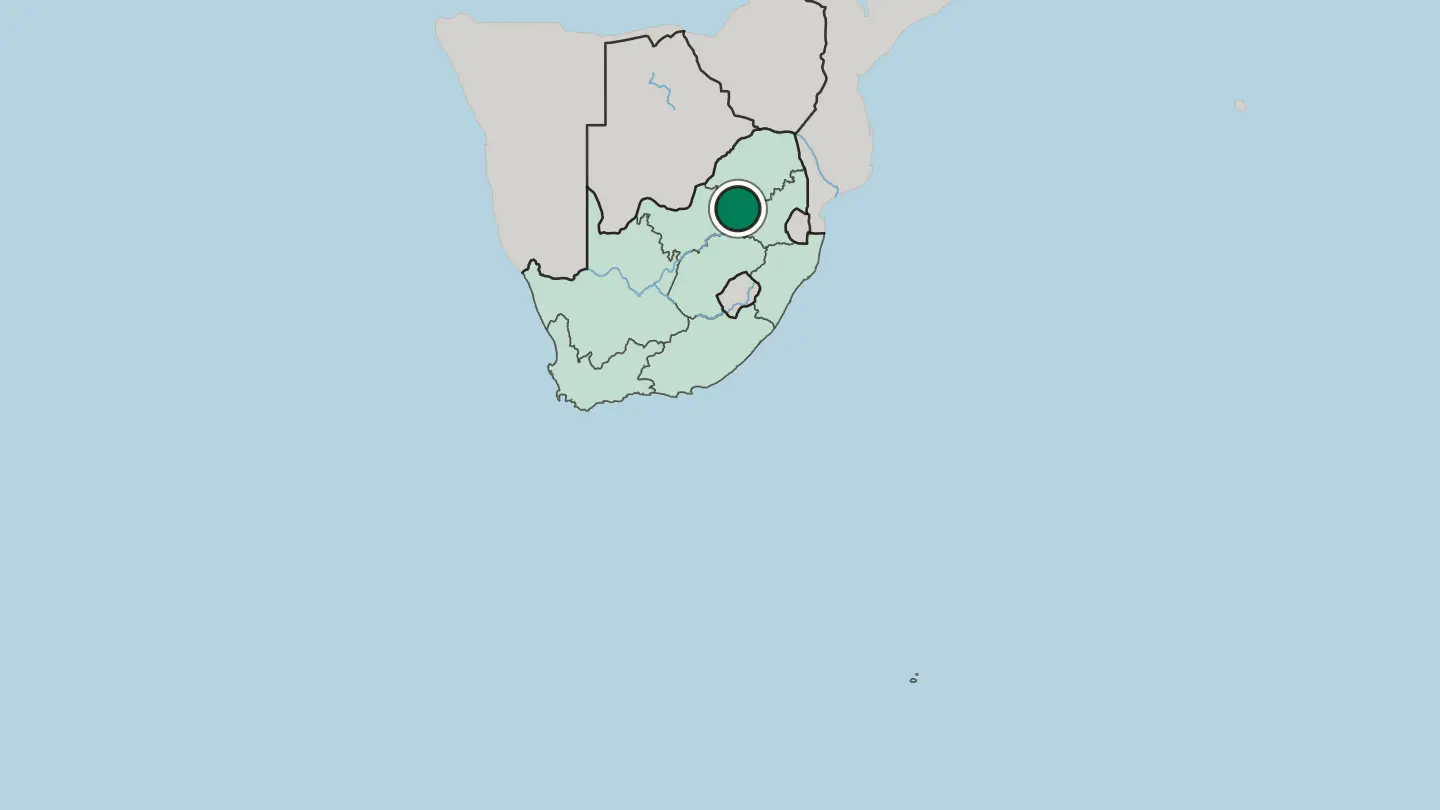
 South Africa
Durban
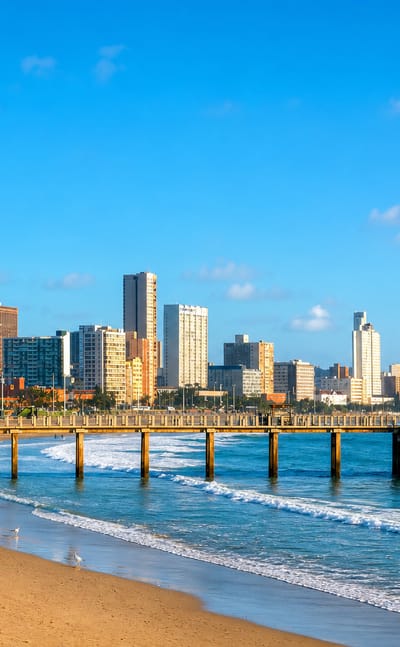
Warm surf breaks along the shore at Durban, a port city on the Natal Bay of the Indian Ocean in KwaZulu-Natal, known for uShaka Marine World and the Berea.Where to stay →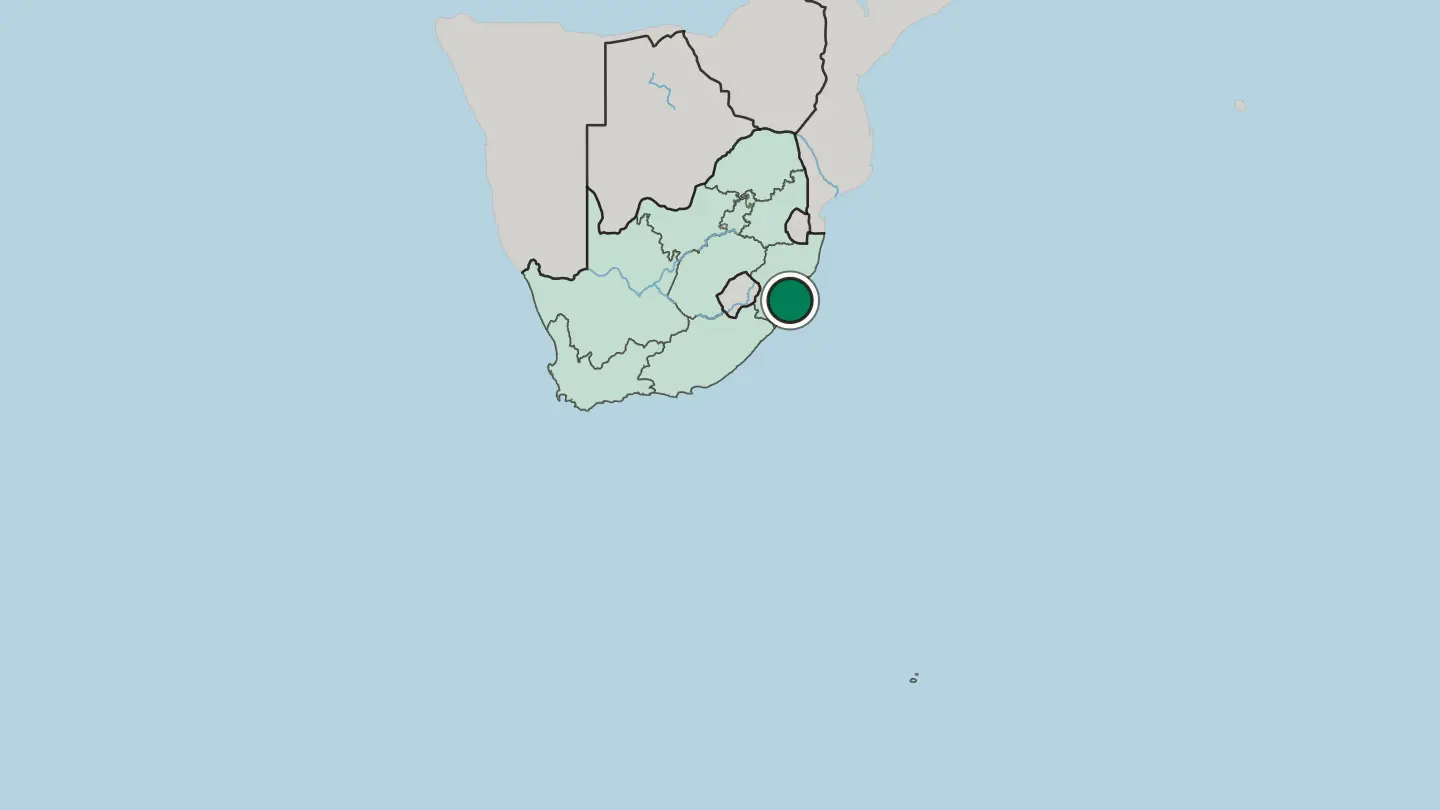
 South Africa
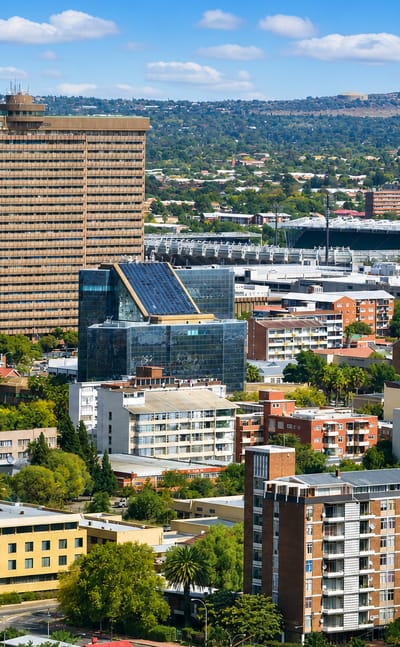
Bloemfontein
Bloemfontein is the capital of the Free State in South Africa, the rose-festival city known for the National Women's Monument and the Fourth Raadsaal.Where to stay →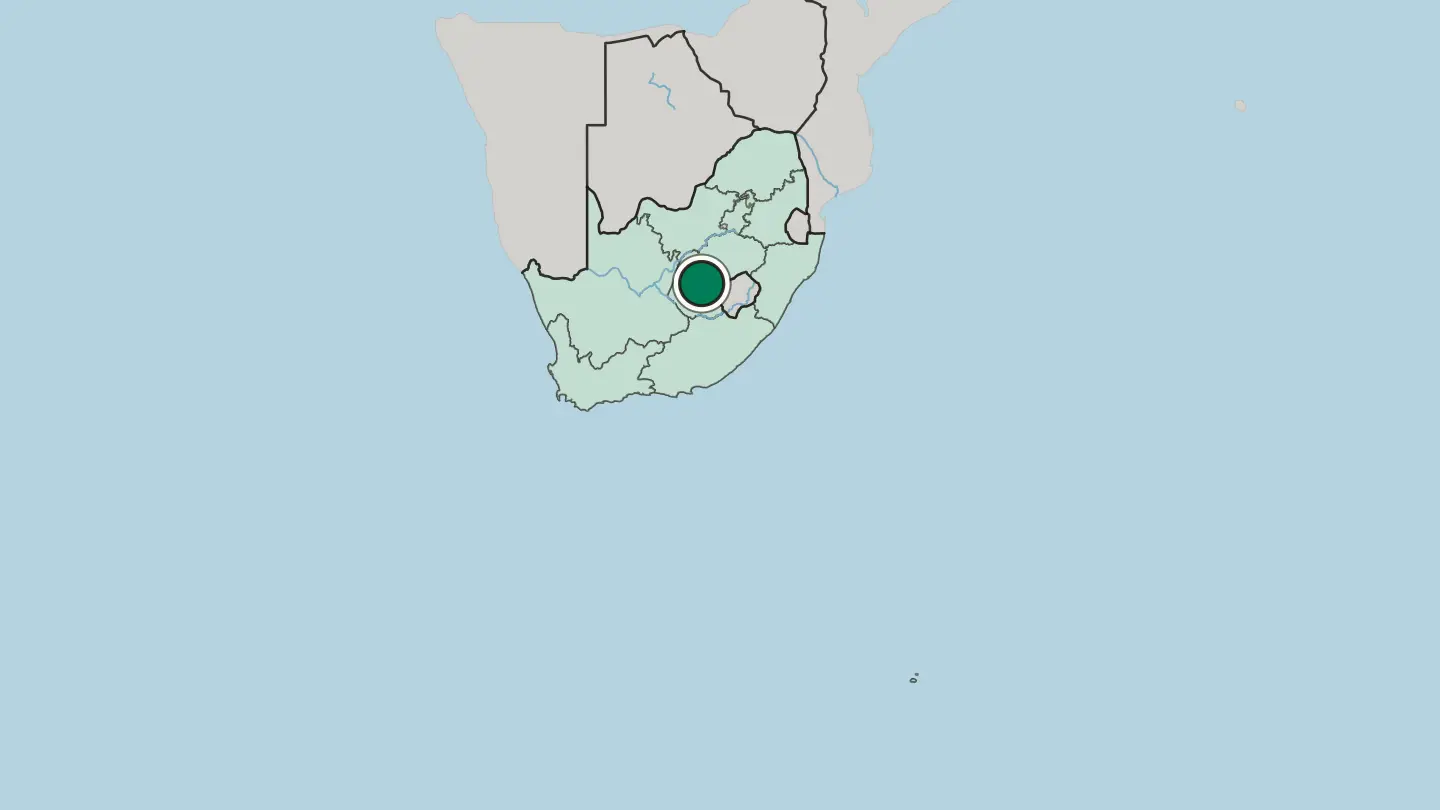
 South Africa
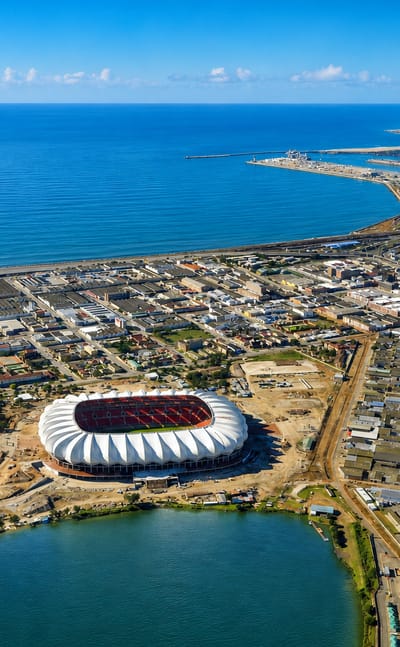
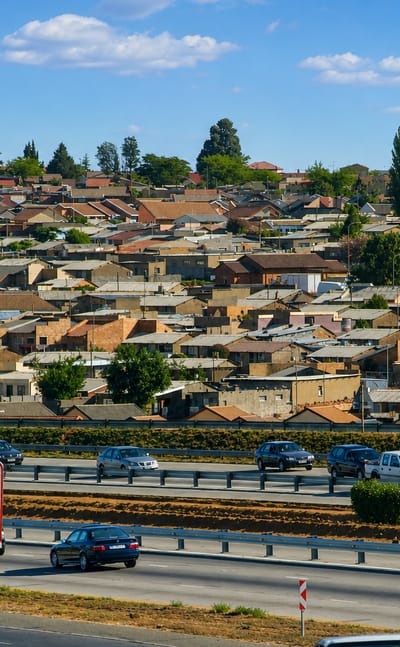
Gqeberha
Gqeberha stands on the Indian Ocean coast of the Eastern Cape in South Africa, a windswept seaport known for the Donkin Memorial and its wide bay.Where to stay →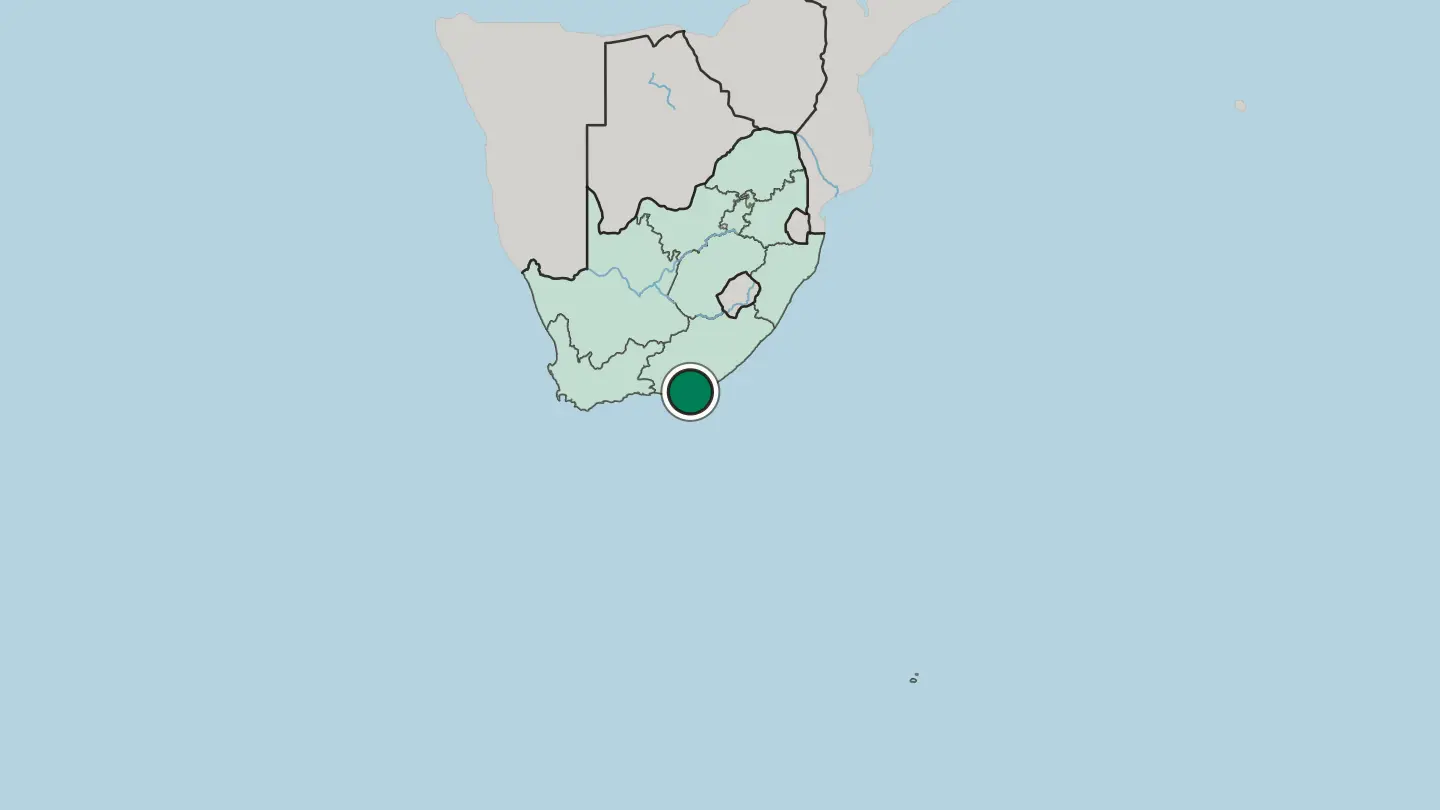
 South Africa
Soweto
Soweto spreads across the mining belt south-west of Johannesburg in Gauteng, South Africa, known for Regina Mundi and the Hector Pieterson Memorial.Where to stay →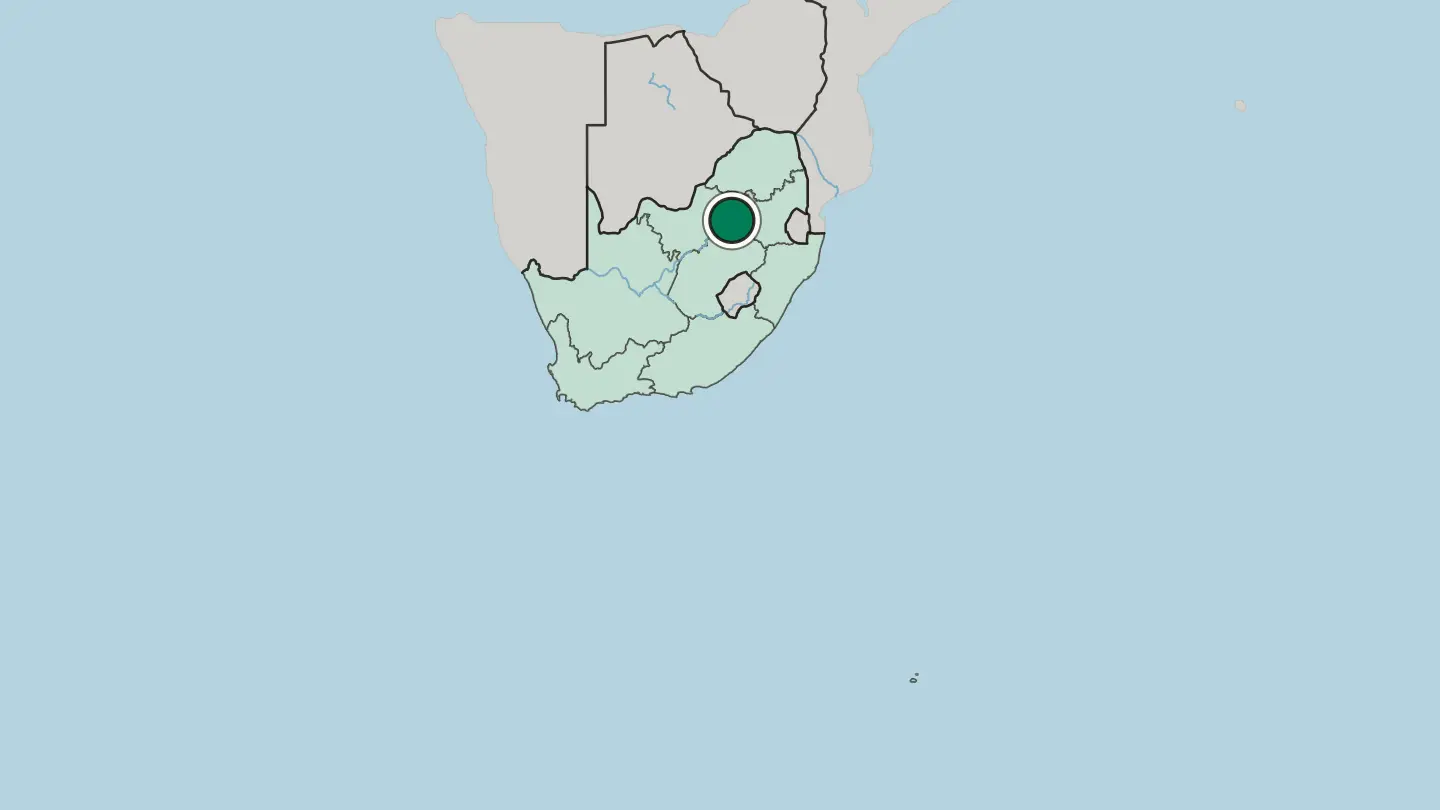
 South Africa
Stellenbosch
Stellenbosch stands on the Eerste River below Stellenbosch Mountain, the oak-lined heart of the Cape Winelands, laid out in 1679.Where to stay →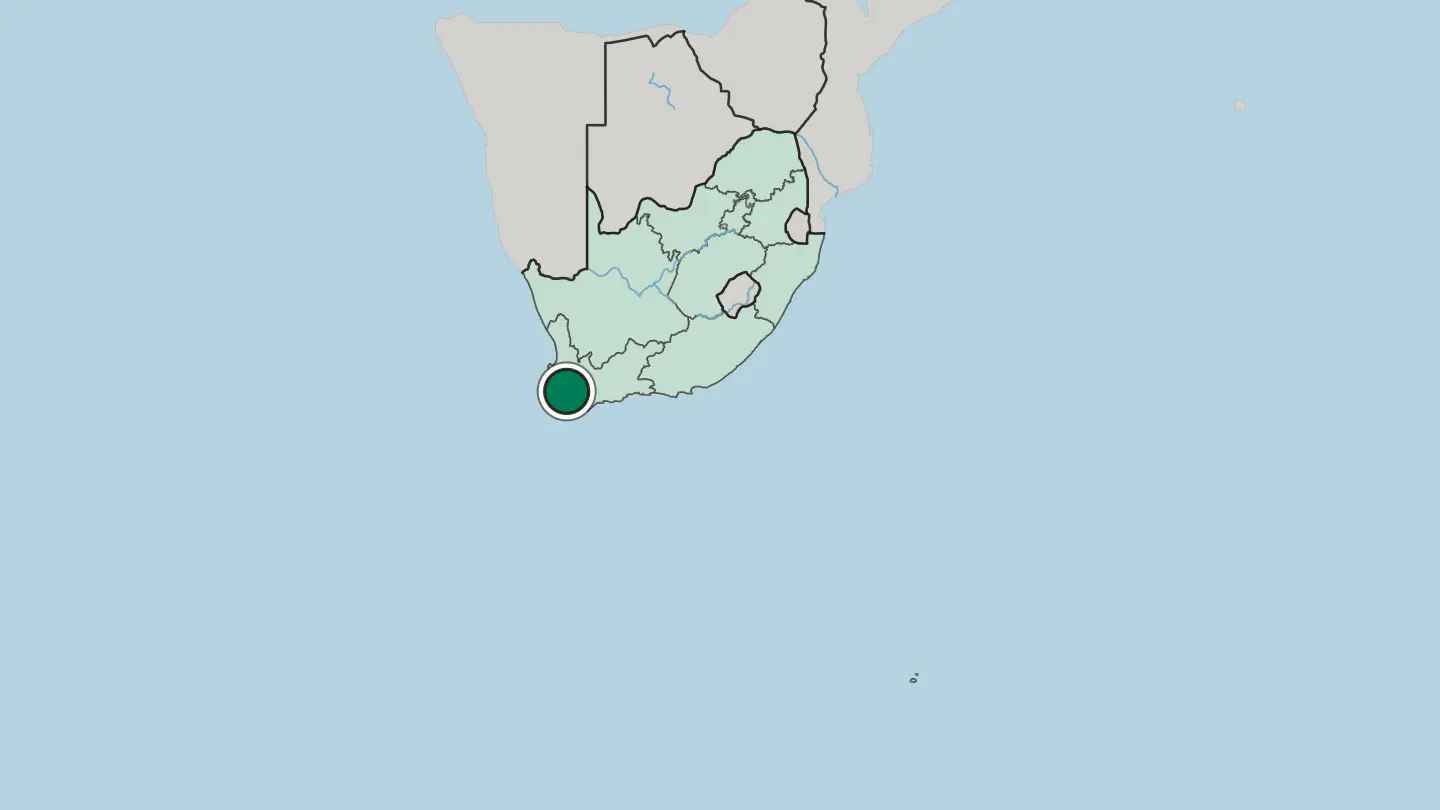
 South Africa
Kimberley
Kimberley is a city of the Northern Cape in South Africa, the old diamond-rush town, built around the great pit that miners dug by hand for diamonds.Where to stay →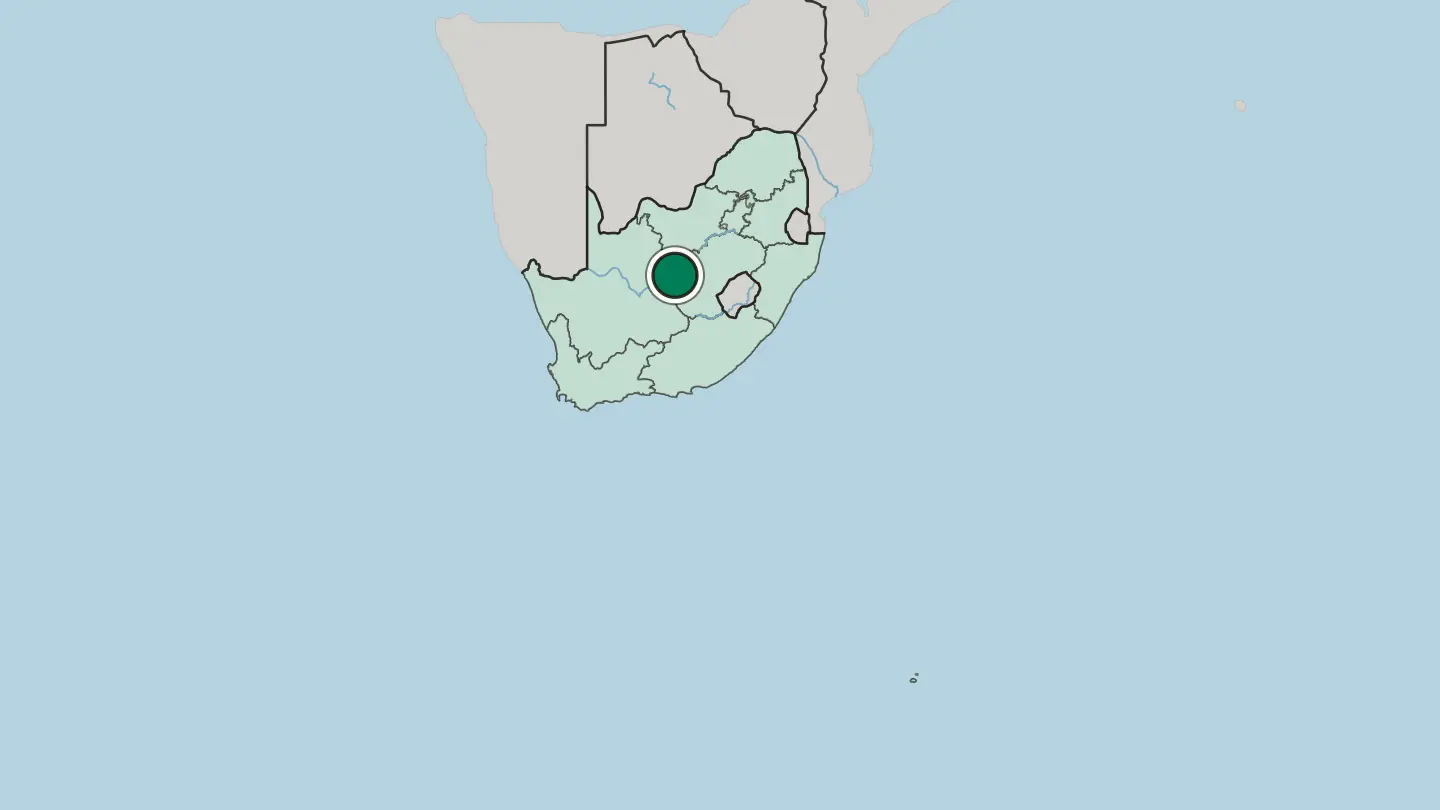
Hotel links are affiliate links: booking through them may earn us a commission, at no extra cost to you. It never affects how places are ranked. How this works
Regions of South Africa
South Africa
Eastern Cape
The Eastern Cape stretches along South Africa's Indian Ocean shore, from the dry Karoo inland to the untamed Wild Coast.Towns & cities →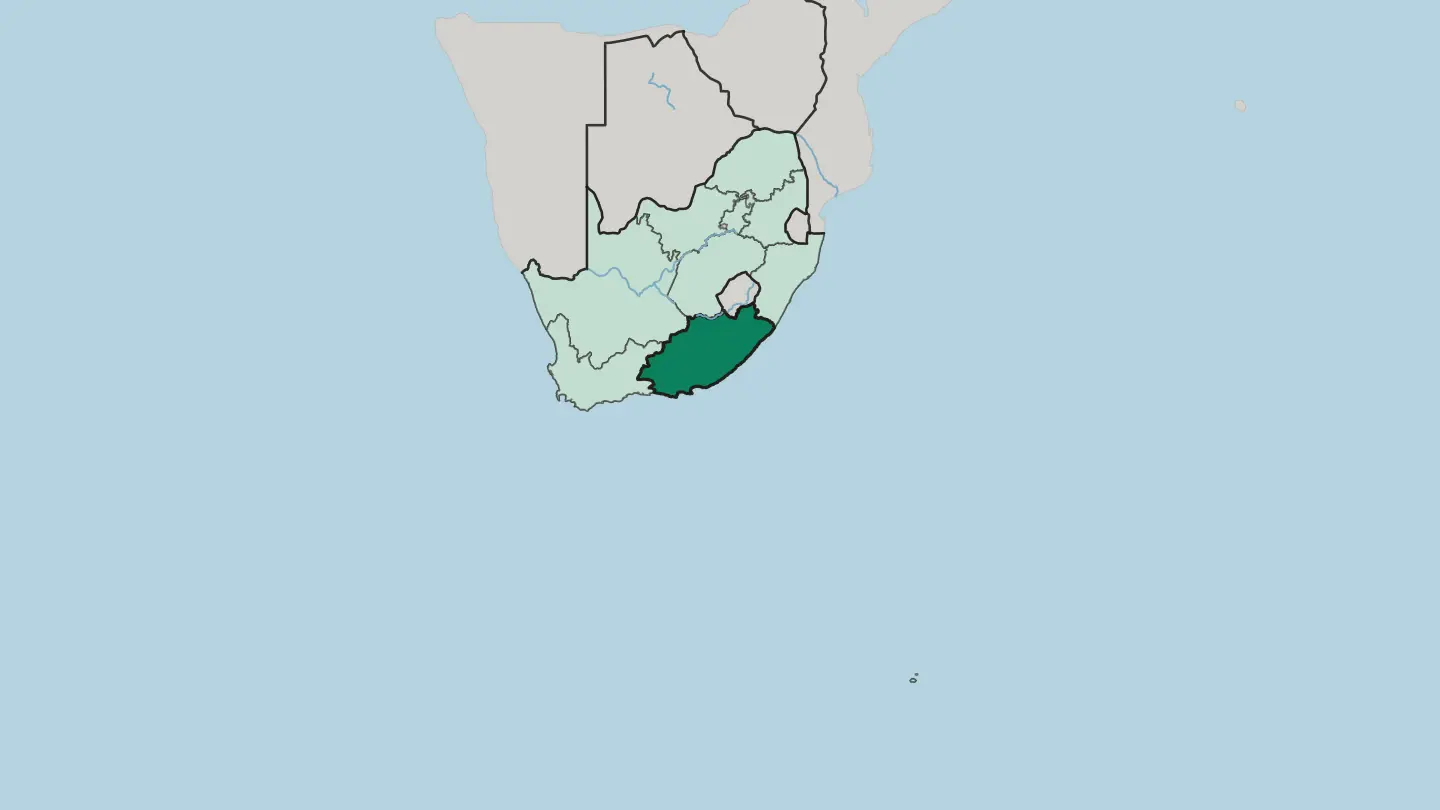 South Africa
Free State
Free State is South Africa's grassland heartland, a Highveld farming province curled around the mountain kingdom of Lesotho.Towns & cities →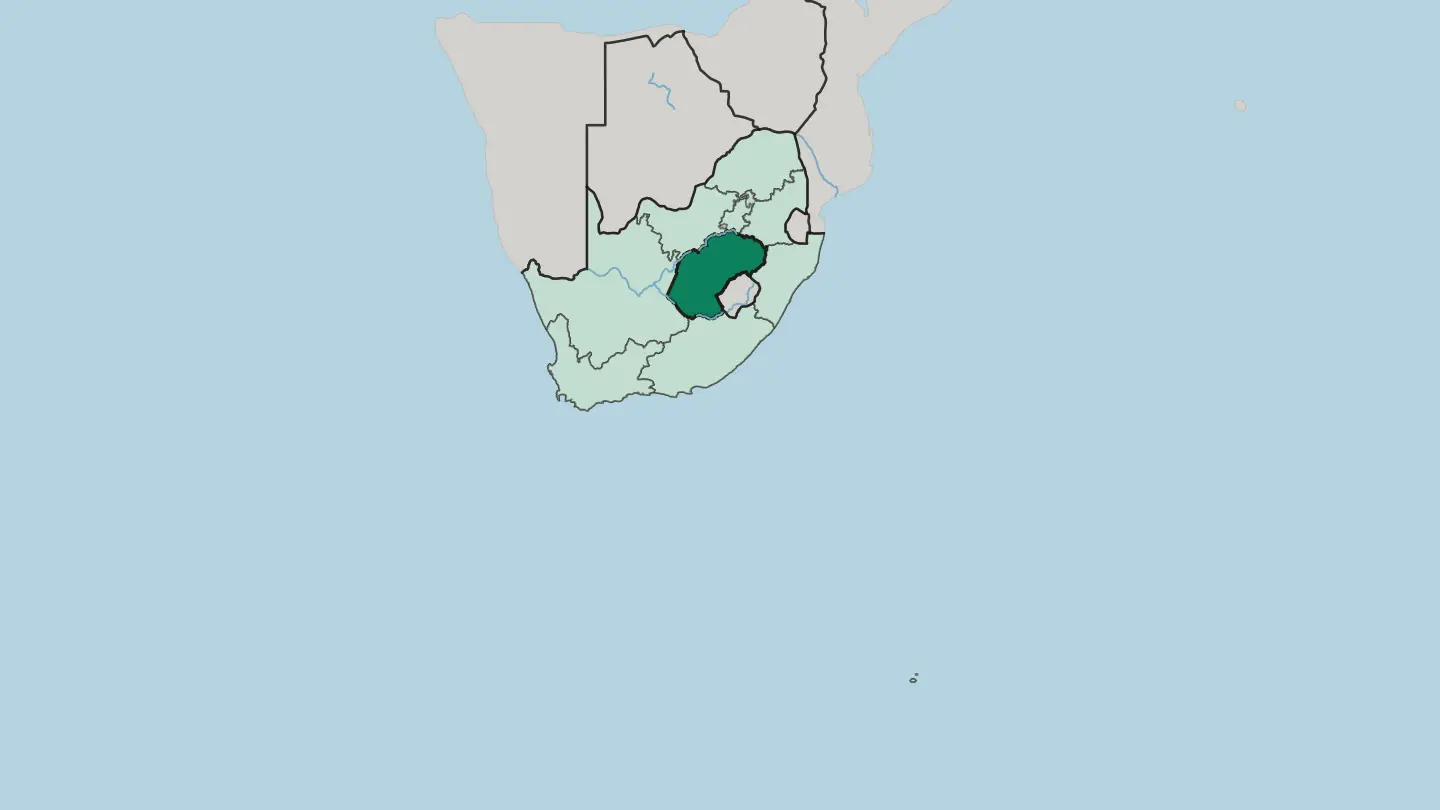 South Africa
Gauteng
Gauteng is South Africa's commercial heartland, a province built on the 1886 gold discovery and anchored by Johannesburg and Pretoria.Towns & cities →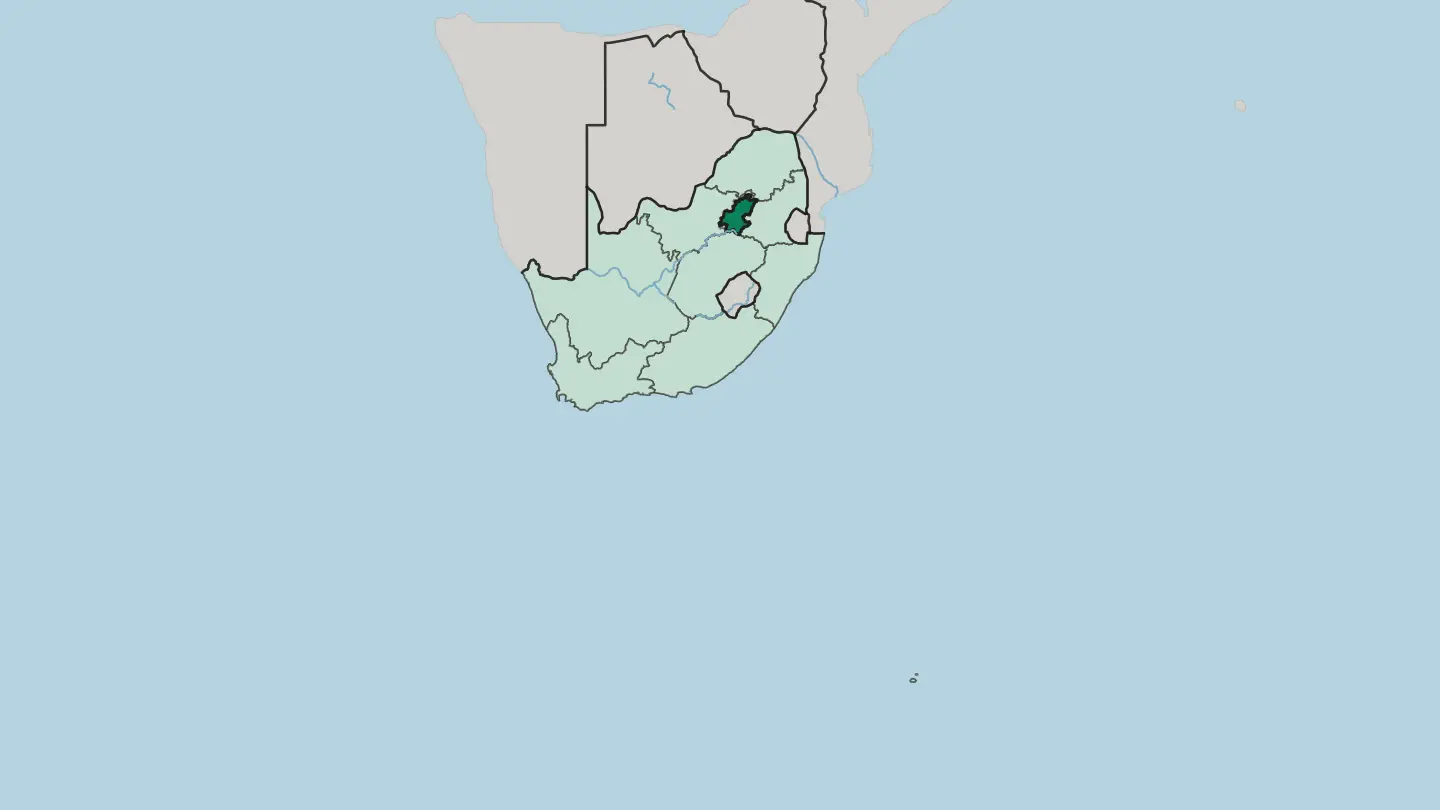 South Africa
KwaZulu-Natal
KwaZulu-Natal is South Africa's subtropical east coast, running from Indian Ocean beaches up to the Drakensberg wall.Towns & cities →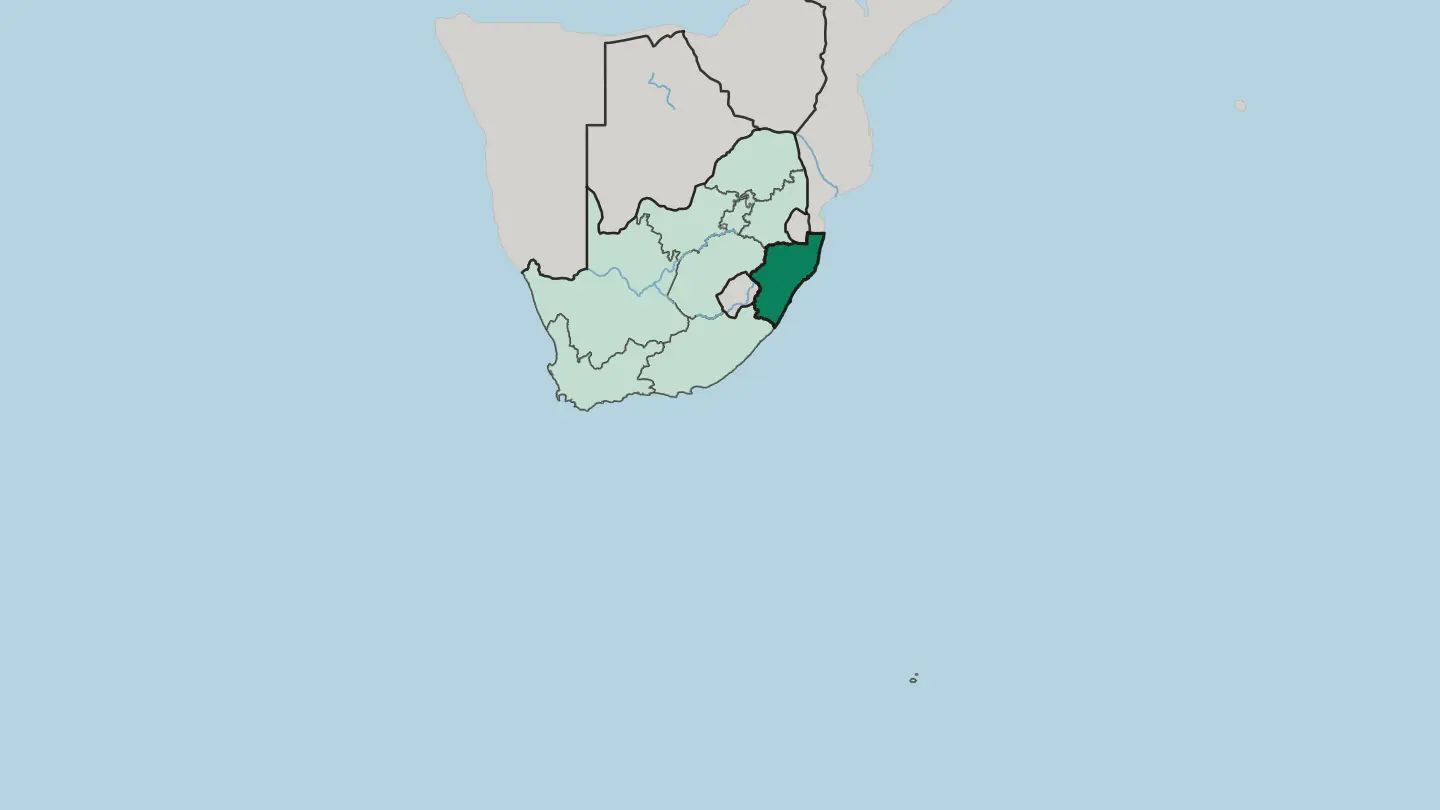
 South Africa
Limpopo
Limpopo is the northernmost province of South Africa, bushveld country named for the river along its border with Zimbabwe.Towns & cities →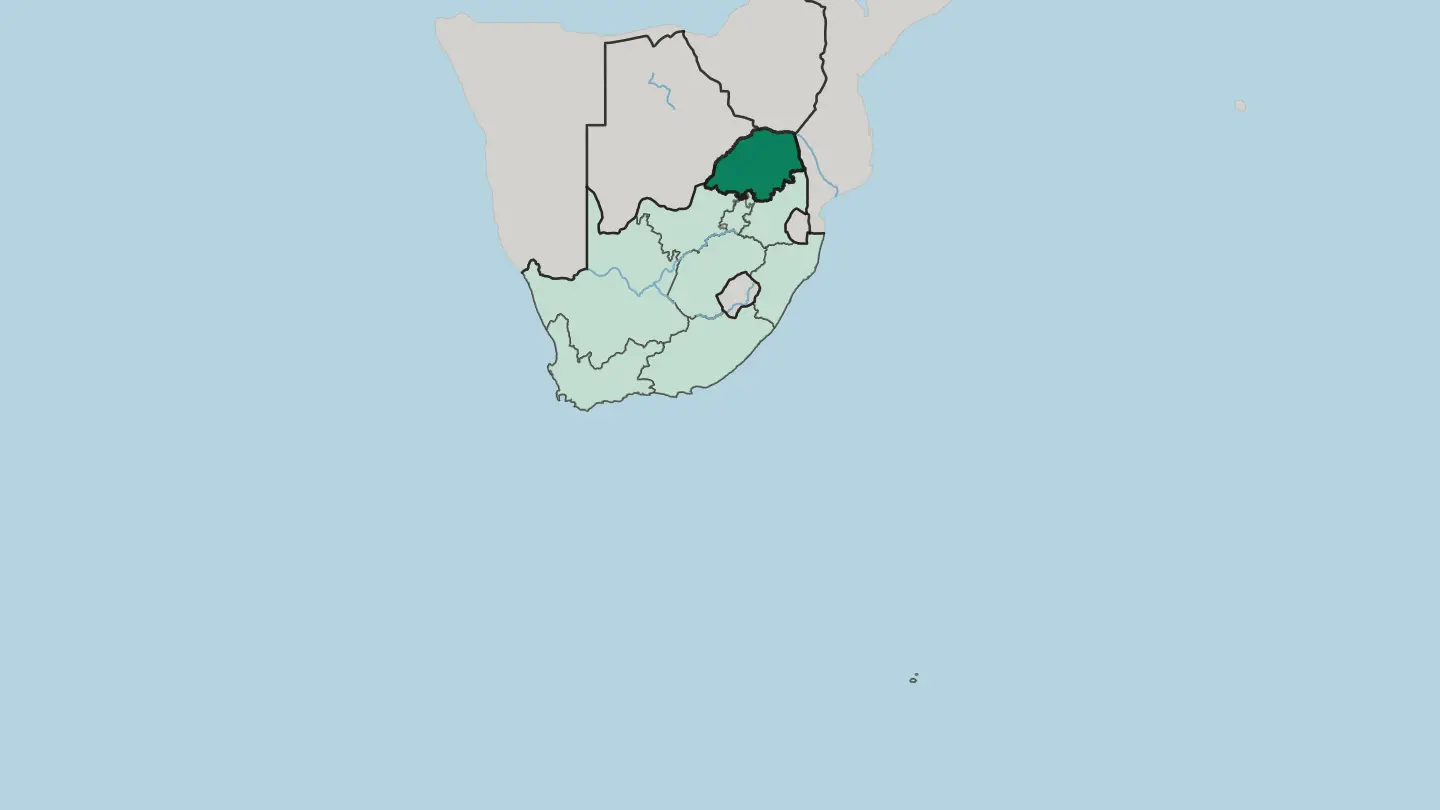
 South Africa
Mpumalanga
Mpumalanga fills the north-east of South Africa, where the Highveld drops down an escarpment into the Lowveld and Kruger.Towns & cities →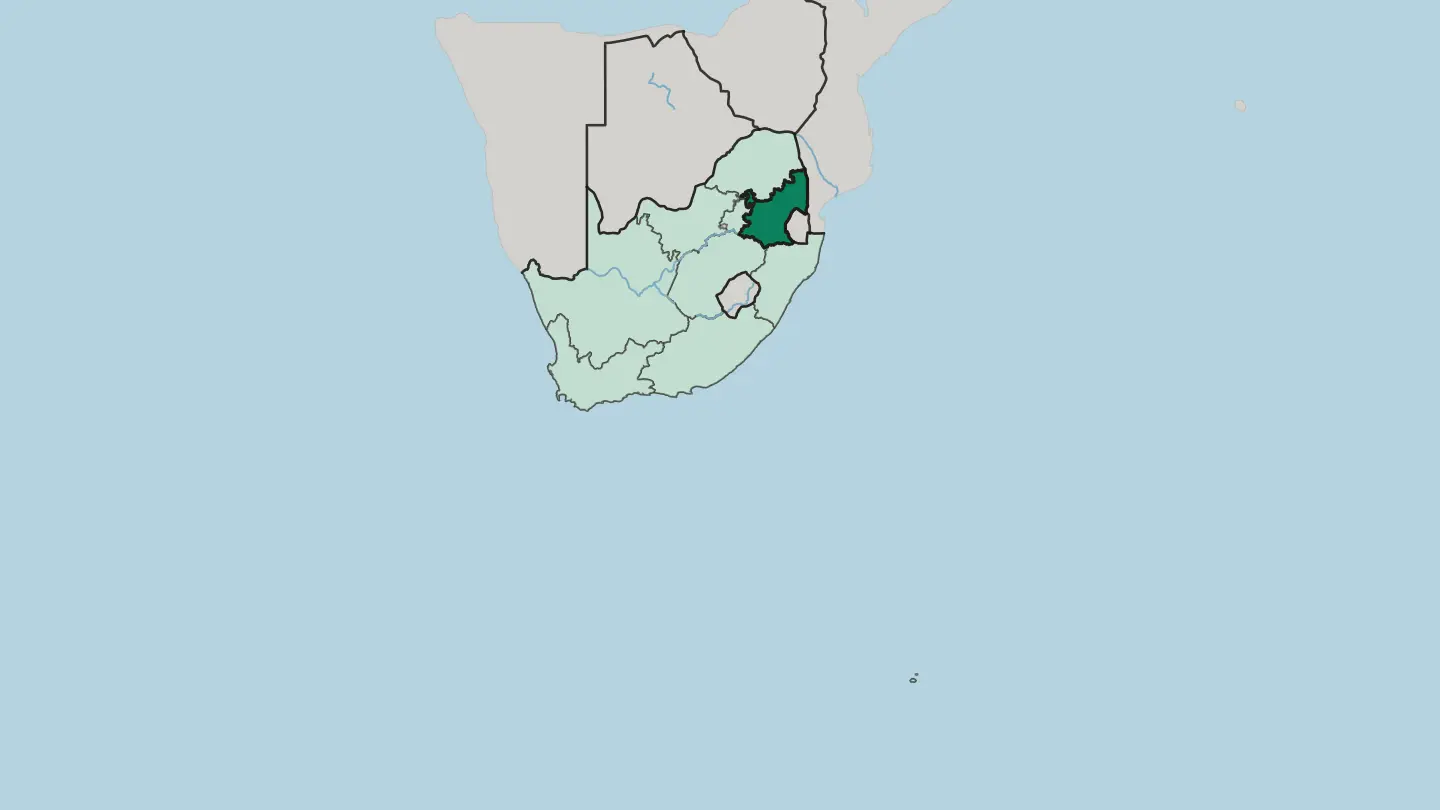
 South Africa
North West
North West is South Africa's platinum province, where Sun City and the Pilanesberg crater sit on the Botswana border.Towns & cities →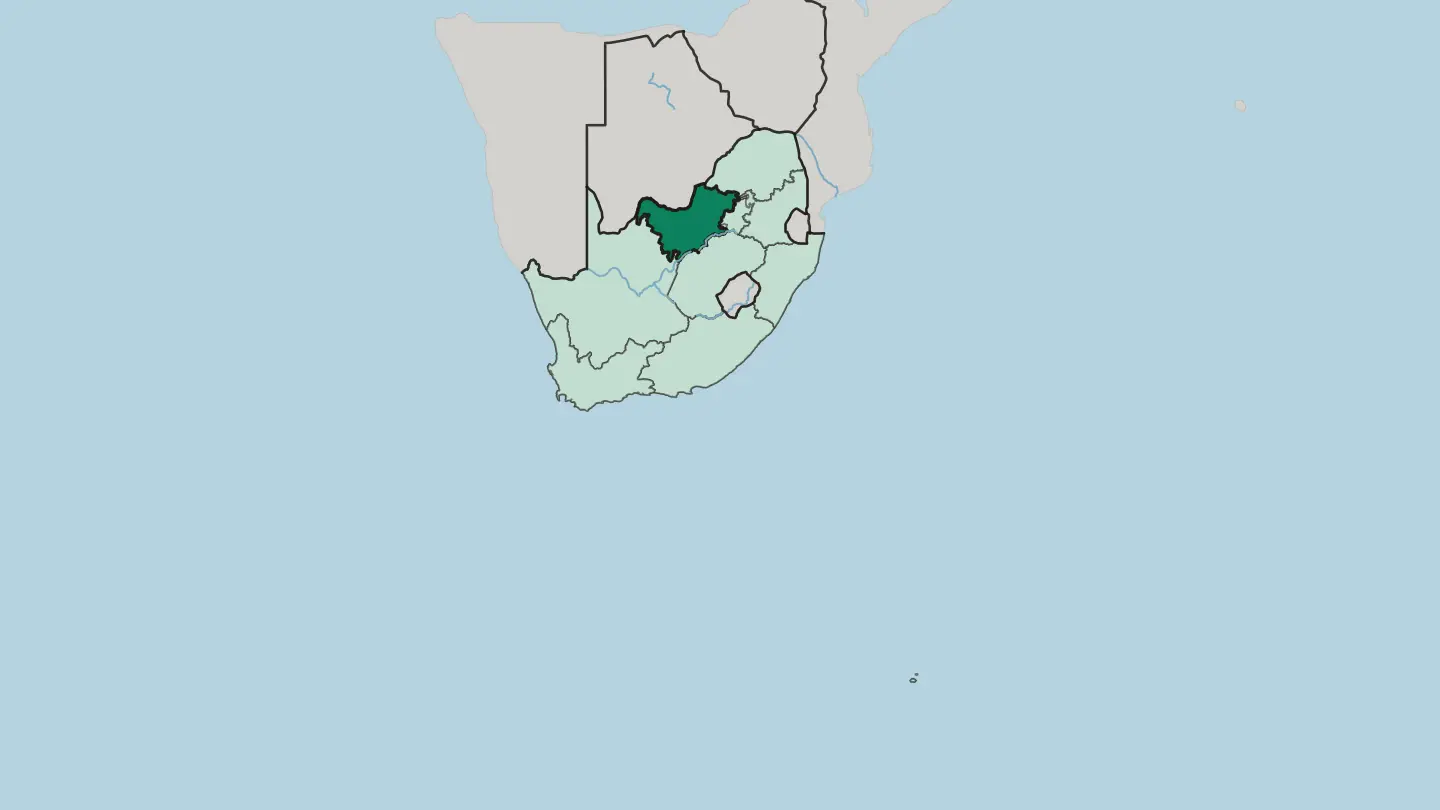 South Africa
Northern Cape
The Northern Cape is South Africa's largest and emptiest province, reaching from the Orange River across the red Kalahari to the daisies of Namaqualand.Towns & cities →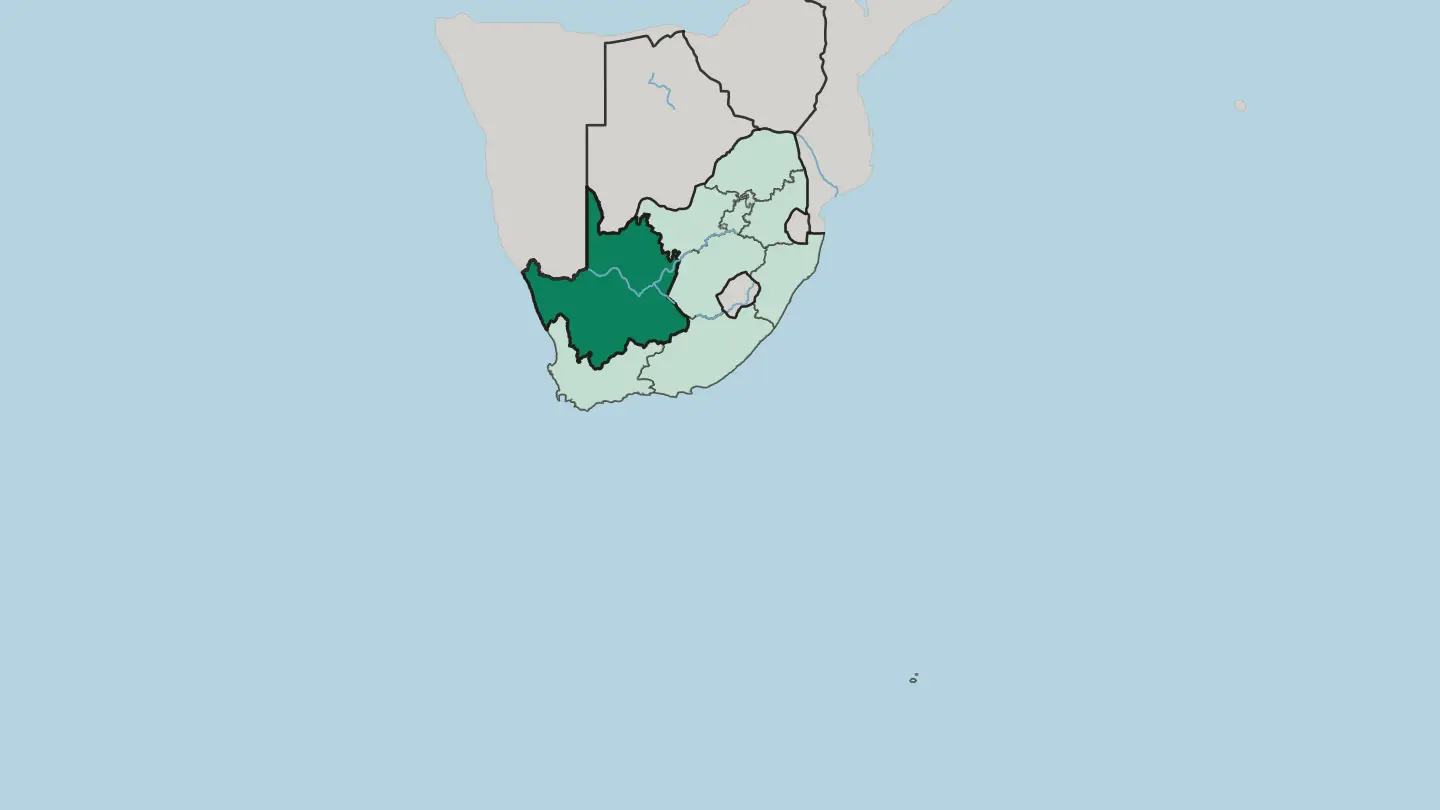 South Africa
Western Cape
Western Cape is the coastal province at South Africa's southern tip, holding Cape Town, the Cape of Good Hope, and the Cape Winelands.Towns & cities →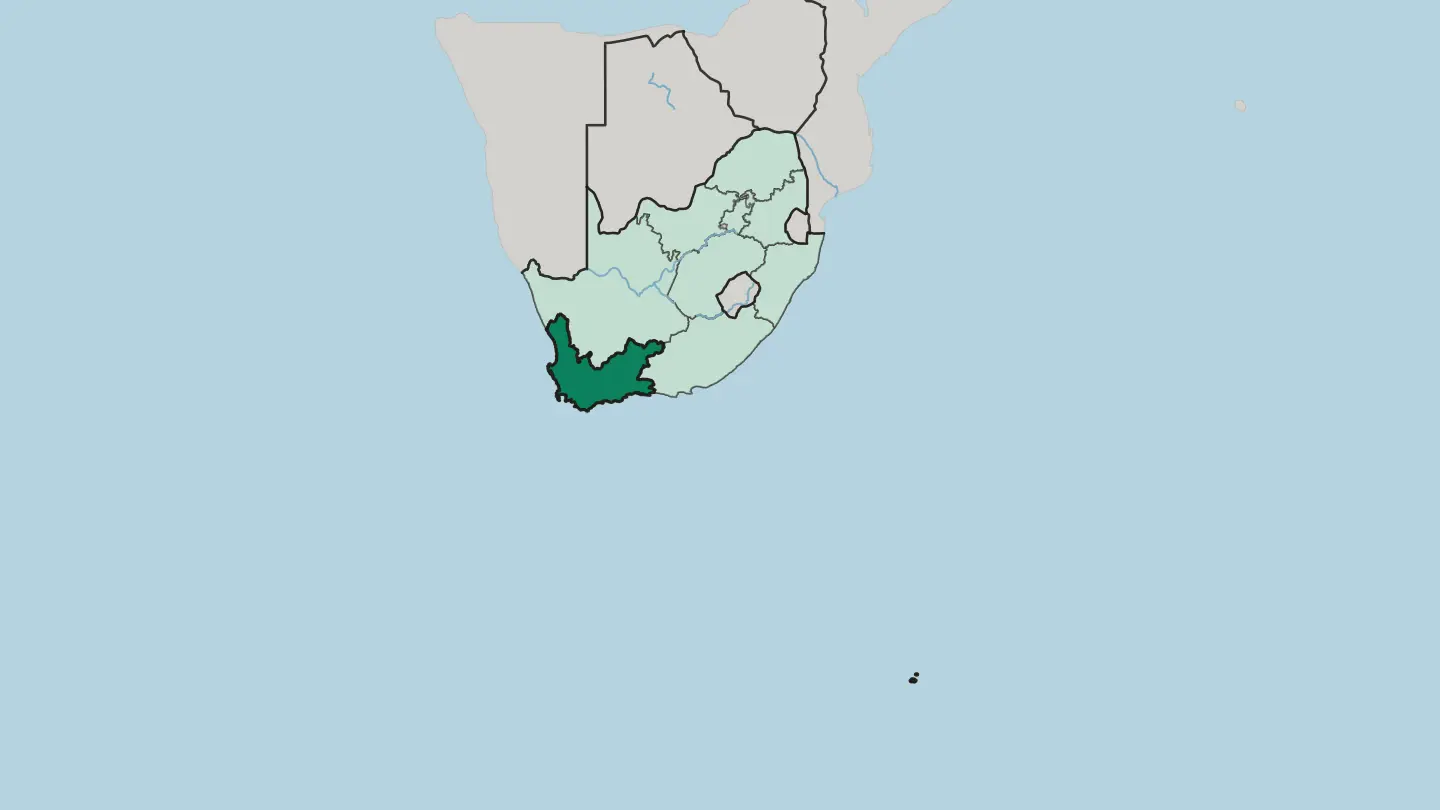
Explore by experience
Not sure which place? Start from how you want to travel.
About South Africa
What is South Africa known for?
South Africa is known as the 'Rainbow Nation,' a country of striking variety in land and life. Its coastline runs a long way between the South Atlantic and the Indian Ocean. Johannesburg is the largest city and the country's beating heart, Cape Town holds the seat of Parliament beside the sea, and Durban lines the warm Indian Ocean coast.
Wildlife, mountains, and vineyards pull visitors from across the world, and the whole span falls across nine provinces. Few countries pack in so much.
Where is South Africa?
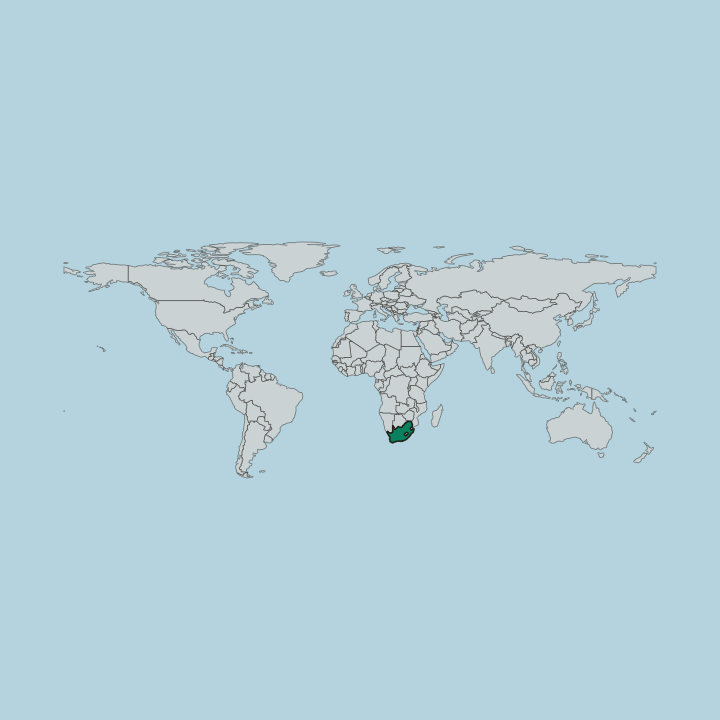
South Africa is the southernmost country in Africa, a broad land wrapped by ocean on two sides. Its coastline runs for thousands of kilometres, meeting the cold South Atlantic on one flank and the warmer Indian Ocean on the other. Inland, the country shares long borders with its neighbours.
Namibia, Botswana, and Zimbabwe lie along the north, Mozambique and Eswatini sit to the east, and the whole small kingdom of Lesotho is enclosed within South African territory. Between the coasts the land shows the widely varying landscapes the country is known for, from dry inland stretches to green coastal belts. The large inland city of Johannesburg stands well away from the sea, as does Pretoria, while Cape Town, Durban, and Bloemfontein anchor other corners of the map.
The country is genuinely large, well over a million square kilometres in all, and its nine provinces divide that space into distinct regions. From two oceans to the dry interior, the range of country is enormous. Roads and rail have to cover great distances to knit one region to the next, and no single trip can take it all in.
Distance shapes every journey here.
What is the history of South Africa?
South Africa took its modern form in 1910, when its separate territories were joined into a single country. That union set the country's outline. The land later became the Republic of South Africa, the formal name it still carries, governed as one state across a wide and varied territory.
Its borders enclose the small kingdom of Lesotho and run up against Namibia, Botswana, Zimbabwe, Mozambique, and Eswatini. The country's population has always been diverse, drawn from many peoples and traditions, and in time South Africa came to be called the 'Rainbow Nation' for that variety. Over the following century its cities grew into major centres.
Johannesburg rose as the largest city, while Cape Town, Durban, Pretoria, and Bloemfontein each took on roles in the life of the nation, three of them serving as capitals of different branches of the state. The story of the country is one of many strands brought under a single flag. Nine provinces now divide the map.
From the union of 1910 to a modern republic of great variety, its history runs through the meeting of its many peoples.
What is South Africa like?
South Africa calls itself the 'Rainbow Nation,' a phrase that captures its great human variety. Many peoples share the country. That diversity shows most plainly in language, with a dozen official tongues in daily use, Zulu among the most widely spoken, so a single conversation can cross several languages at once.
Custom, food, and music vary as much as speech from one region to the next. The country's culture also grows out of its land and its history. Wildlife and open country run deep in the national image, and the varied landscapes give each region its own character.
Its towns and cities carry their own traditions too. Johannesburg, Cape Town, and Durban each hold distinct communities and ways of life, and the shared story of the nation since its founding binds them loosely together. Even the seat of government is spread, with Pretoria, Cape Town, and Bloemfontein each holding a branch of the state.
The result is a country of many cultures under one flag. That blend of many peoples across a varied land is what the Rainbow Nation name points to. Unity and difference sit side by side.
What is the climate of South Africa?
South Africa has a broadly subtropical climate, though its size gives it many local variations. Two oceans set the tone. The cold South Atlantic borders one flank and the warm Indian Ocean the other, and the contrast between them shapes the weather along each coast.
Because the country lies south of the equator, its seasons run opposite to those of the northern half of the world, so the warmest months fall near the year's end. Sun, sea air, and long dry spells.
How do you get to South Africa?
Most long-haul visitors arrive through Johannesburg, the largest city and the country's main hub, with Cape Town and Durban taking direct flights of their own. The country is huge. Because South Africa is well over a thousand kilometres across, moving between the cities usually means a domestic flight or a long drive rather than a quick hop.
Good roads and regular flights tie the nine provinces together, and the coast links the port cities along both oceans. Land in one city, tour from there.
Good for
Updated September 2026