Zimbabwe
Harare Province, Zimbabwe — Towns & Travel Guide
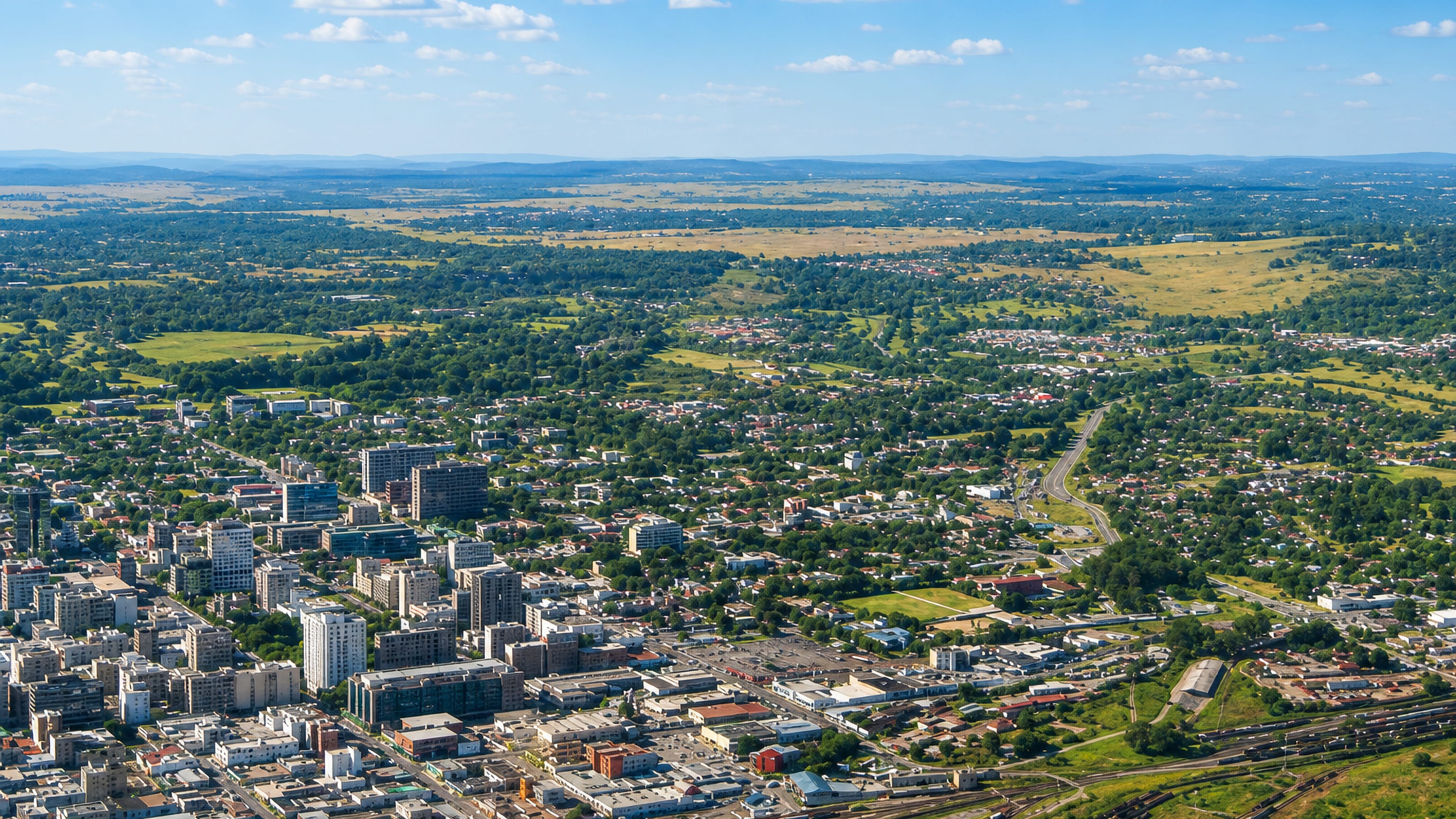
Harare Province gathers the capital and its neighbours in northeastern Zimbabwe, a compact metropolitan province built around the hub city of Harare.
Hotel links are affiliate links: booking through them may earn us a commission, at no extra cost to you. It never affects how places are ranked. How this works


Towns & cities in Harare Province
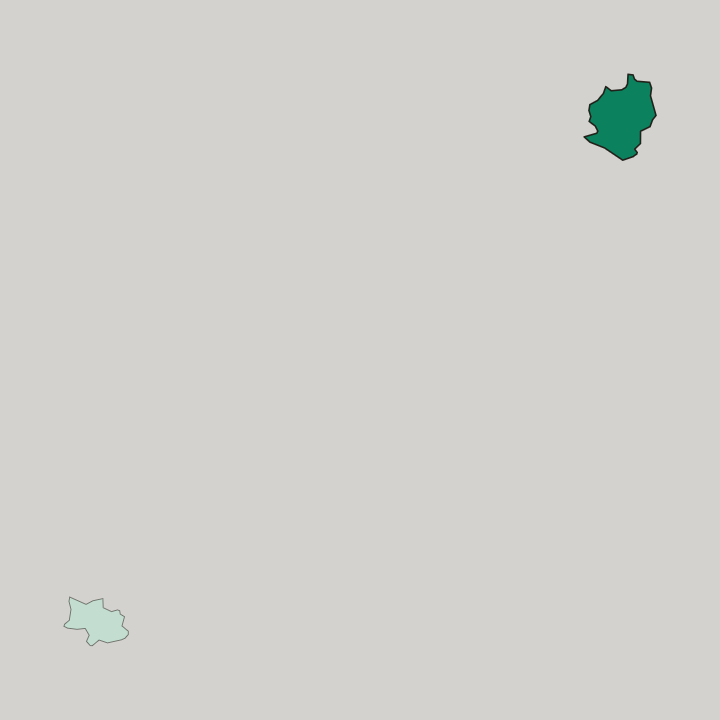
One town here has its own guide — it links to where to stay.
 Zimbabwe
Harare
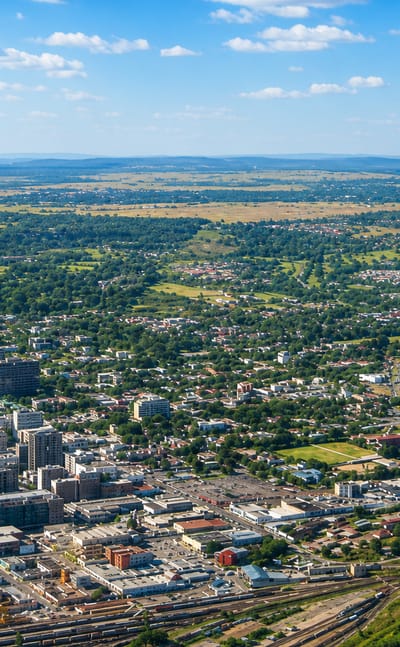
Garden suburbs spread beneath a high plateau at Harare, the capital of Zimbabwe in the Mashonaland region, known for the National Gallery of Zimbabwe.Where to stay →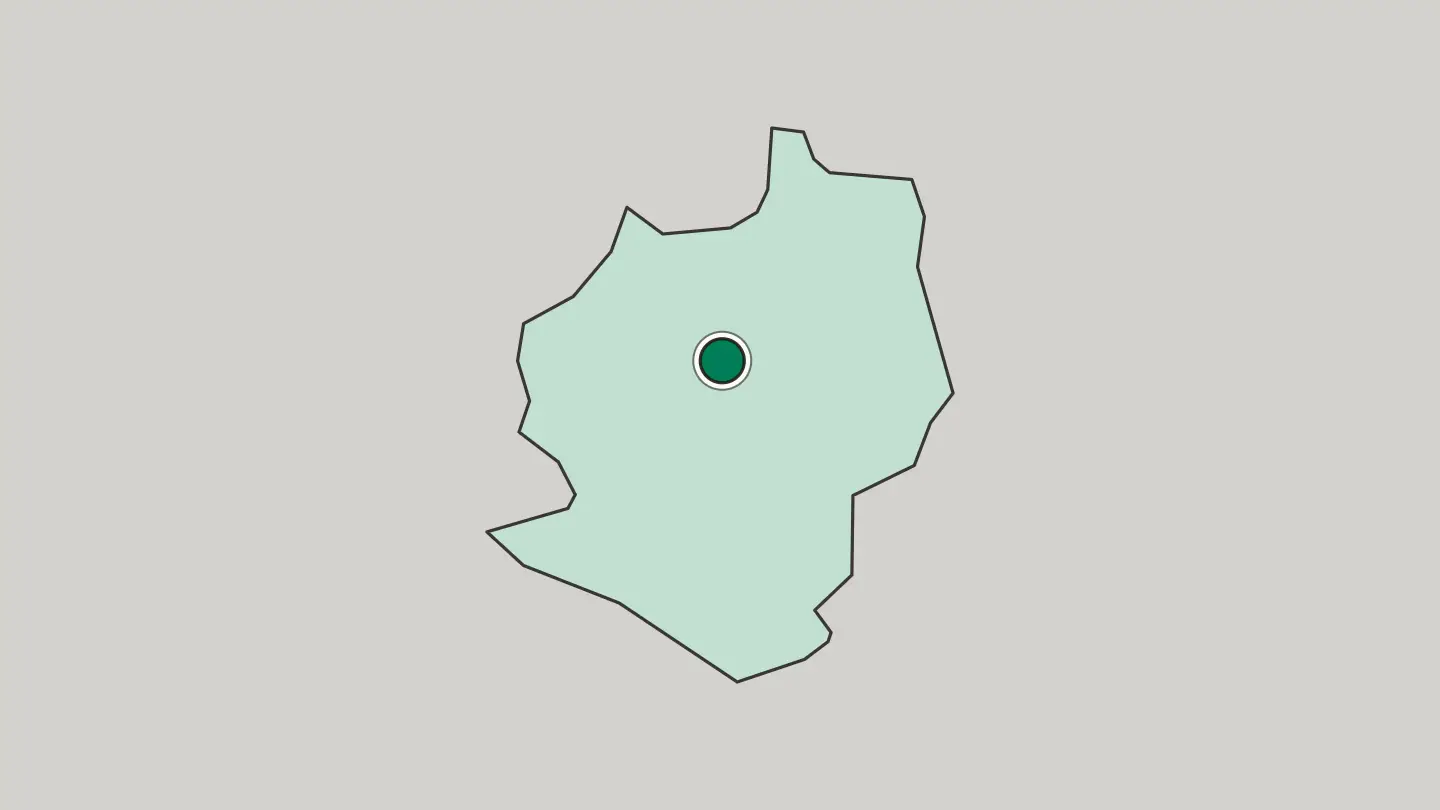
Hotel links are affiliate links: booking through them may earn us a commission, at no extra cost to you. It never affects how places are ranked. How this works
About Harare Province
What is Harare Province known for?
Harare Province is known first for holding Harare, the capital and largest city of Zimbabwe. Around that hub it gathers three further municipalities: Chitungwiza, Epworth and Ruwa. It is a small, urban province.
The metropolitan territory pulls together the capital and its close satellites into one administrative unit in northeastern Zimbabwe, so the whole province reads as a single built-up region centred on Harare rather than a spread of distant country towns.
Where is Harare Province?
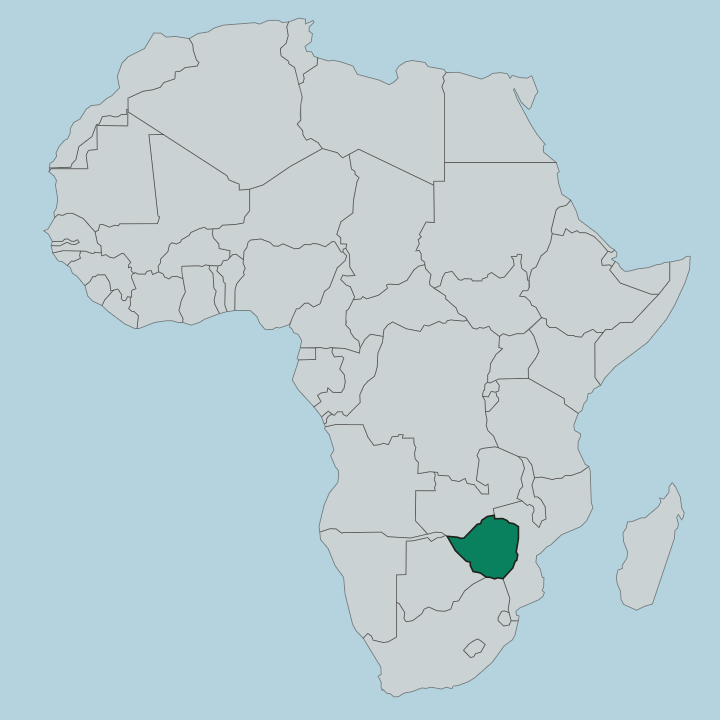
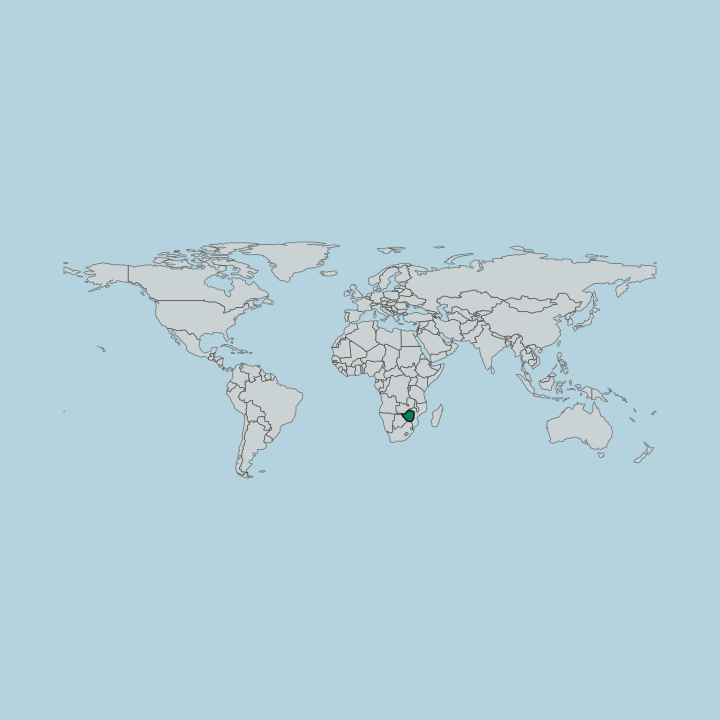
Harare Province sits in northeastern Zimbabwe, a landlocked, inland stretch of high country far from any sea. The province spreads across the elevated plateau of the Mashonaland region, upland terrain of gentle rise and open ground, with the capital of Harare set toward its centre. No coast touches it anywhere.
Its land runs entirely through the interior of Zimbabwe, and the whole metropolitan province shares this high, inland basin around the capital. The settlements crowd close together. Harare anchors the province, and the satellite towns of Chitungwiza, Epworth and Ruwa sit near it on the same plateau, linked by roads that converge on the capital.
This is the smallest province of Zimbabwe by area, a tight metropolitan cluster rather than a broad expanse of rural country. From the hub of Harare the built-up land of the province reaches only a short way outward across the upland interior before giving way to the surrounding Mashonaland countryside, so the compact plateau setting defines the whole region.
What is Harare Province like?
The culture of Harare Province centres on its hub, the capital city of Harare. Life draws toward that centre. The National Gallery of Zimbabwe, the museums and the civic institutions of the capital gather here, and the satellite towns of Chitungwiza, Epworth and Ruwa look to Harare as their market, workplace and cultural centre.
English carries much of it. The everyday speech of the province reflects the wider Mashonaland region around it, and the pull of the capital shapes the daily rhythm of the whole metropolitan province. Beyond the galleries lies a working urban region.
The satellite municipalities hold dense residential districts whose rhythm follows the daily commute into Harare, a busier cadence than the rural provinces beyond. Traditions of the surrounding Mashonaland country, the arts life of the capital, and the pull of Harare together shape the province. It is defined by its hub city as much as by the high plateau it stands on.
What is the history of Harare Province?
Harare Province took its modern shape in 1997, when it became a metropolitan province alongside Bulawayo. At Zimbabwe's independence in 1980 the capital and its surrounds formed part of the older Mashonaland Province. That older unit was split in 1983 into Mashonaland Central, Mashonaland East and Mashonaland West, and Harare fell within Mashonaland East until the metropolitan province was carved out around the capital and the nearby towns of Chitungwiza, Epworth and Ruwa.
What is the climate of Harare Province?
Harare Province has a mild highland climate set by its elevated plateau. The seasons run warm rather than harsh. The upland setting around Harare tempers the tropical heat, giving the province pleasant, temperate days for much of the year across the capital and the satellite towns.
A warm rainy season and a cooler dry season mark the calendar, and the height of the Mashonaland plateau keeps the whole metropolitan province gentler in temperature than its position in the tropics of Zimbabwe would otherwise suggest.
How do you get to Harare Province?
Most travellers reach Harare Province through its hub, the capital city of Harare. The capital carries the main international airport of Zimbabwe, and roads fan out from there to the satellite towns of Chitungwiza, Epworth and Ruwa. Air is the usual way in.
From the airport at Harare the rest of the metropolitan province opens by road across the upland plateau, so the capital serves as the single entry point for the whole compact region.
Common questions
What is the best area to stay in Harare Province?
Harare capital and garden suburbs: basing in the provincial hub to reach Chitungwiza, Epworth and Ruwa.
Another region in Zimbabwe
Updated September 2026