Zimbabwe: Regions, Cities & Travel Guide
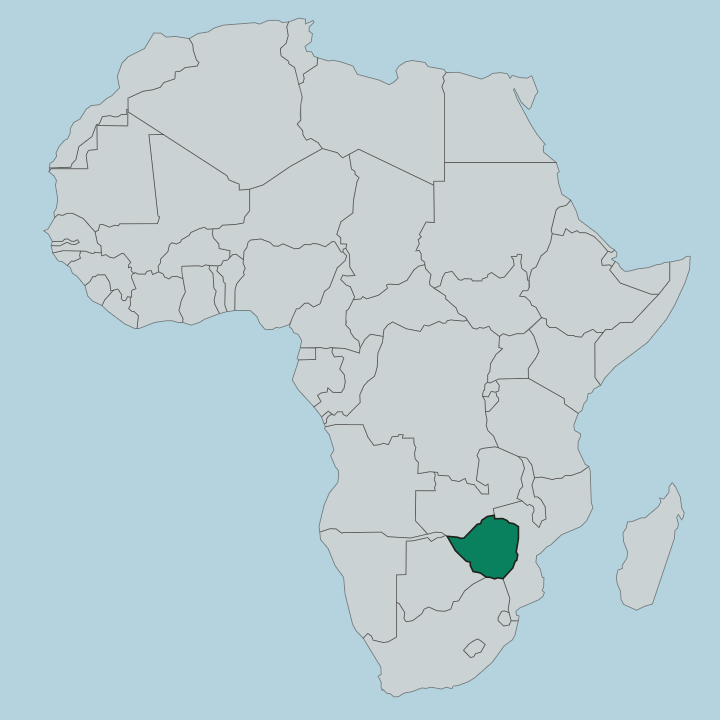
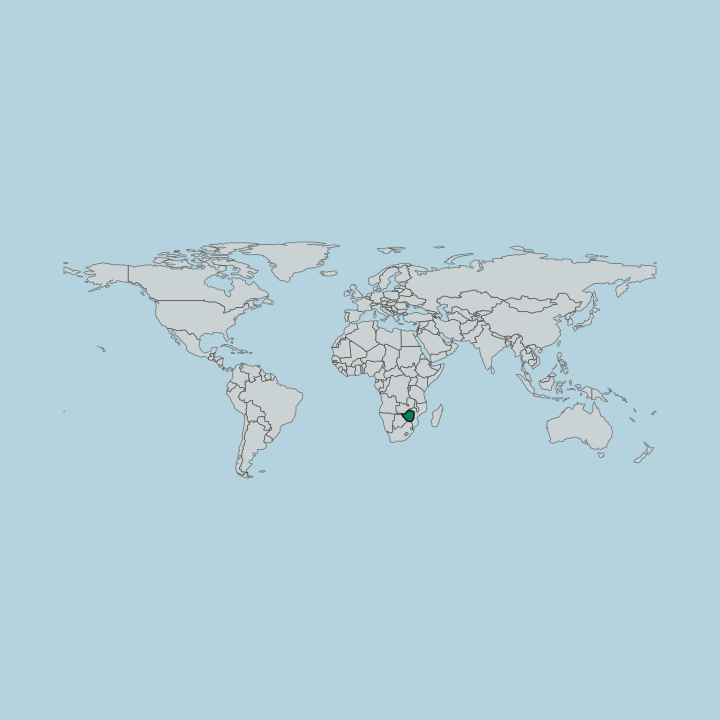
Zimbabwe is a landlocked country in Southern Africa, set on a high plateau between the Zambezi and Limpopo, with Harare as its capital.
Hotel links are affiliate links: booking through them may earn us a commission, at no extra cost to you. It never affects how places are ranked. How this works


Top destinations in Zimbabwe
Cities to start from, then drill into areas and hotels.
 Zimbabwe
Harare
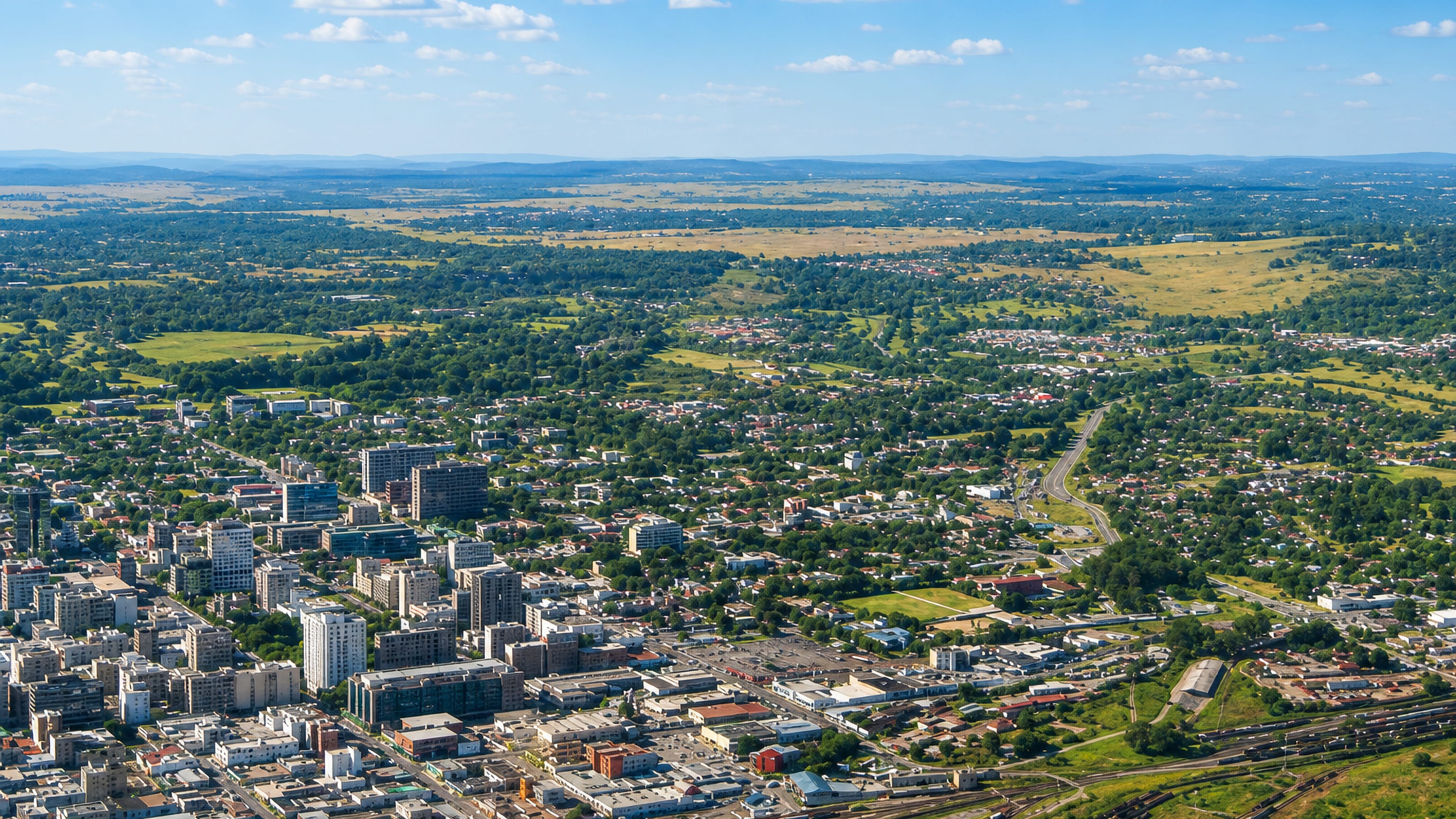
Garden suburbs spread beneath a high plateau at Harare, the capital of Zimbabwe in the Mashonaland region, known for the National Gallery of Zimbabwe.Where to stay →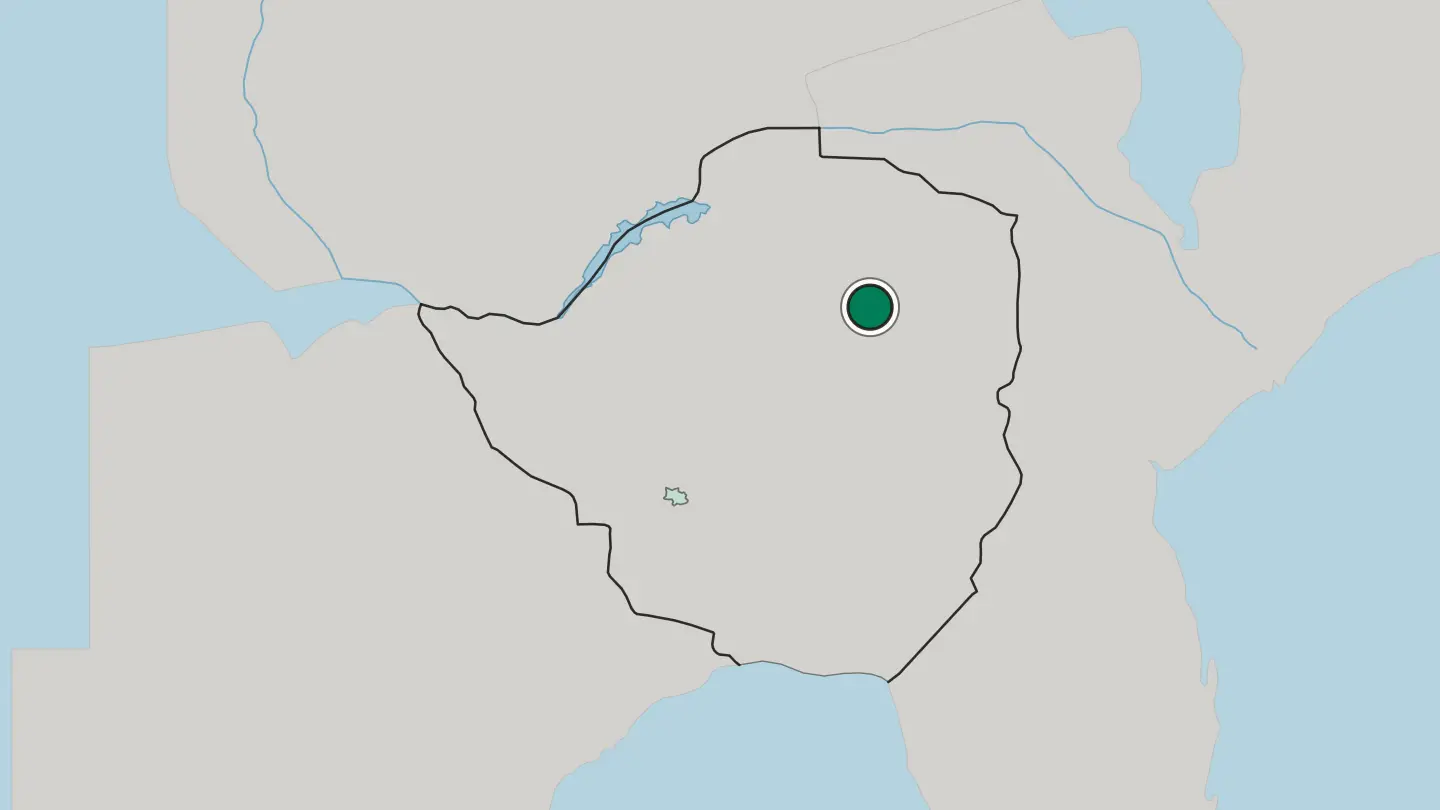 Zimbabwe
Bulawayo
Bulawayo is a city of Matabeleland in southwest Zimbabwe, old royal town of the Ndebele kings, of wide streets, railways, and the granite Matobo hills.Where to stay →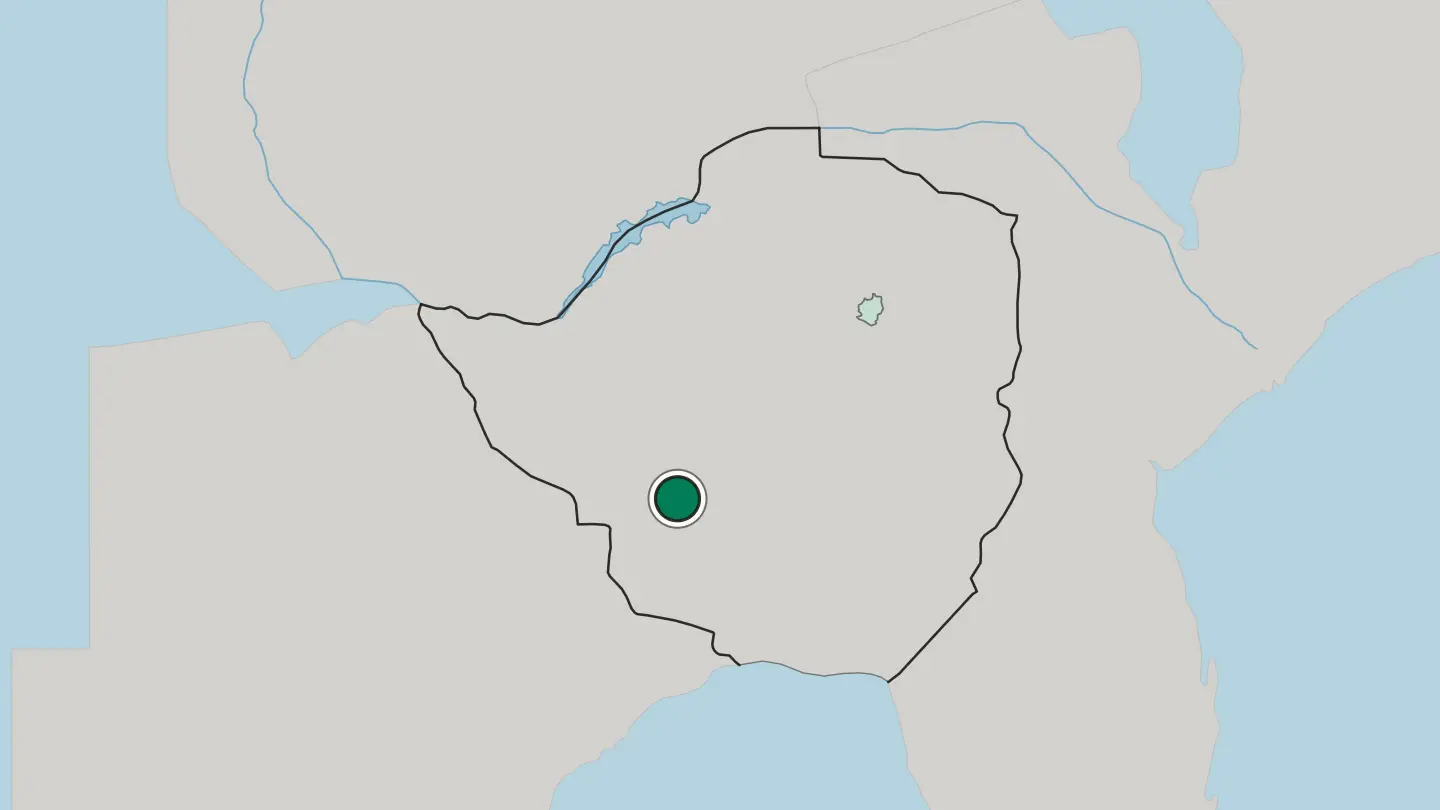
Hotel links are affiliate links: booking through them may earn us a commission, at no extra cost to you. It never affects how places are ranked. How this works
Regions of Zimbabwe
Zimbabwe
Bulawayo Province
Bulawayo Province is the city of Bulawayo itself, an industrial centre on the Matsheumhlope River and the largest city in Matabeleland.Towns & cities →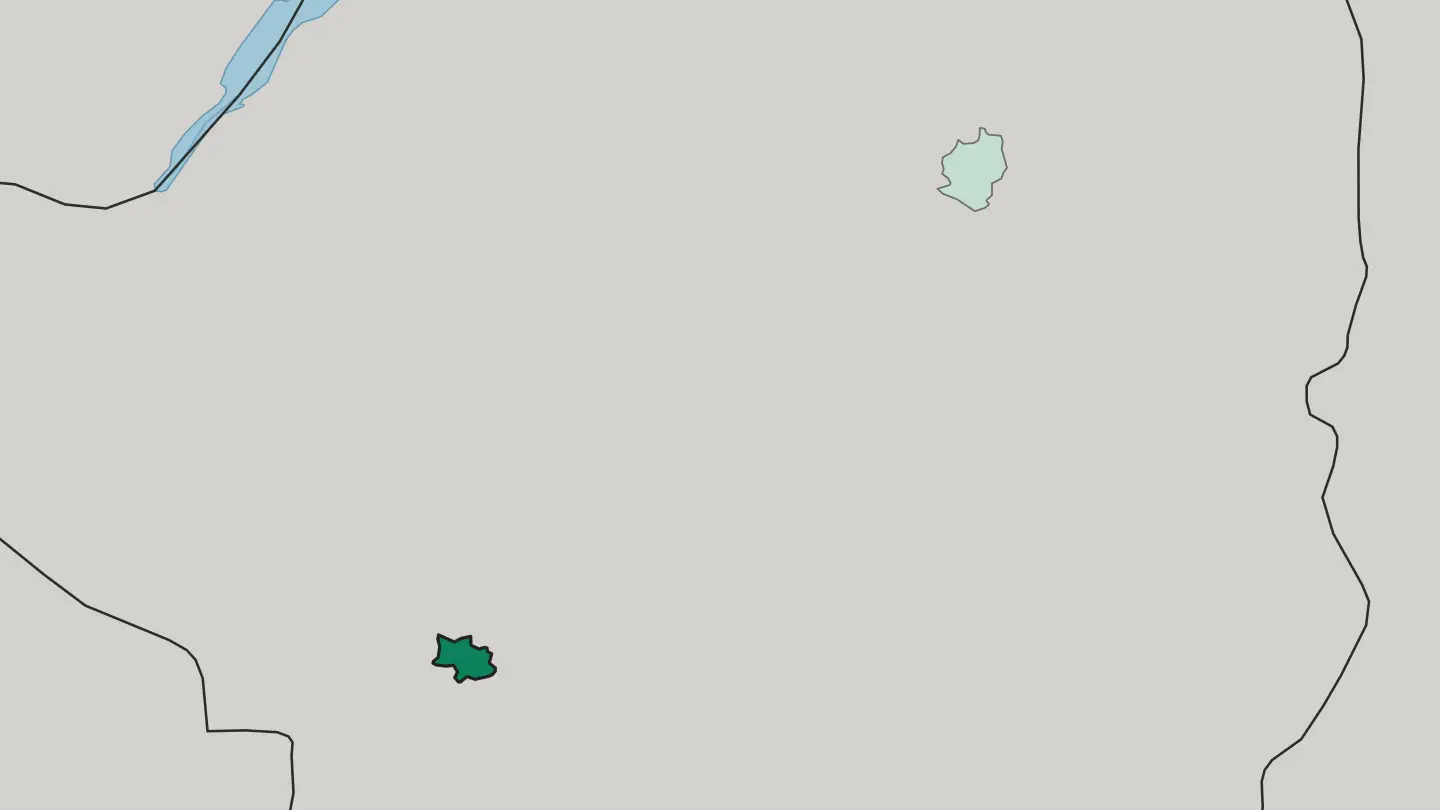 Zimbabwe
Harare Province
Harare Province gathers the capital and its neighbours in northeastern Zimbabwe, a compact metropolitan province built around the hub city of Harare.Towns & cities →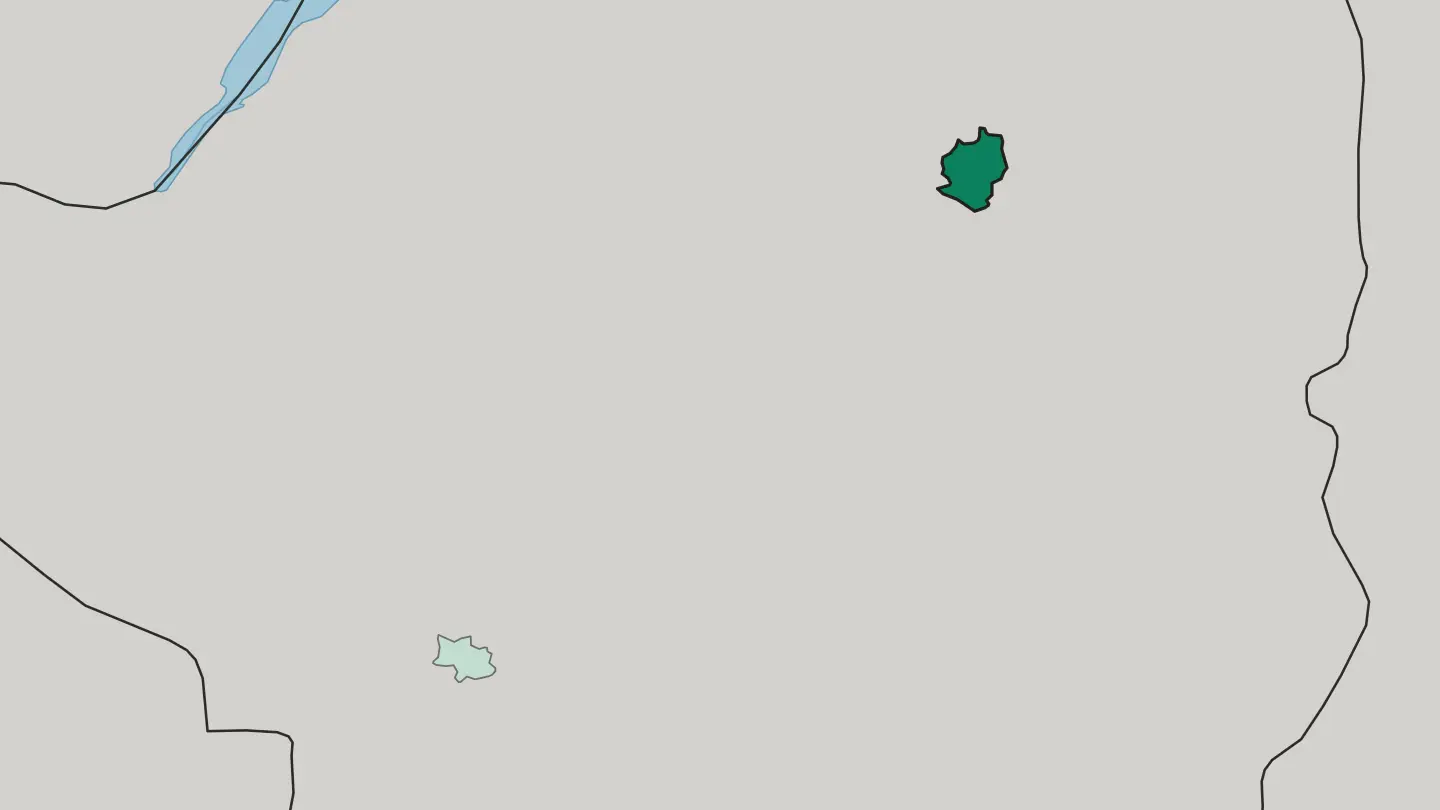
About Zimbabwe
What is Zimbabwe known for?
Zimbabwe is known above all for Victoria Falls, where the Zambezi drops in the widest sheet of falling water on earth. Its stone past runs just as deep. Great Zimbabwe, the dry-stone capital that gave the country its name, still stands in the hills near Masvingo, while the granite whalebacks and San rock art of Matobo mark the country's oldest human ground.
Wildlife draws the rest. Elephant herds roam Hwange, and wild dogs hunt the floodplains of Mana Pools along the lower Zambezi.
Where is Zimbabwe?
Zimbabwe is a landlocked country in Southern Africa, defined by a broad plateau that most of its land sits upon. That plateau, the highveld, runs south-west to north-east through the centre of the country at more than 1,200 metres, and it carries the two largest cities, Harare and Bulawayo, along with most of the farmland. Two great rivers set the edges.
The Zambezi marks the northern border with Zambia and plunges over Victoria Falls before gathering behind the wall of Lake Kariba downstream, while the Limpopo traces the southern boundary with South Africa. Between them the ground falls away. As the plateau descends toward these rivers it becomes the hot, dry lowveld below 900 metres, a country of thornveld and big game.
The land climbs again in the east. Along the border with Mozambique the Eastern Highlands rise in a long green wall, taking in the Chimanimani Mountains and the moorland around Nyanga, where Zimbabwe reaches its highest ground. Waterfalls, msasa woodland, and trout streams fill these hills.
From lowveld floor to mountain crest the relief spans a full country.
What is the history of Zimbabwe?
Zimbabwe carries one of the oldest built histories in the region, and its very name comes from the stone. Ancestors of the Shona raised Great Zimbabwe in the south-eastern hills from around the eleventh century, mortarless granite walls that grew into the capital of a gold-trading kingdom. Power shifted north over time.
As trade along the Zambezi grew, the Mutapa Empire rose across the northern plateau and dealt in gold and ivory with Swahili and Portuguese merchants on the coast. Later came the Ndebele. In the nineteenth century King Lobengula ruled a kingdom centred on Bulawayo, until Cecil Rhodes and the British South Africa Company took the mineral rights and the land, and the territory became Southern Rhodesia.
White minority rule held for decades. A long liberation war ended it, and on 18 April 1980 the country became independent as the Republic of Zimbabwe, its capital Salisbury soon renamed Harare. The stone walls still stand.
From medieval kingdom to modern republic, the granite of Great Zimbabwe remains the country's founding image.
What is Zimbabwe like?
Zimbabwe's culture is carried above all by the Shona and Ndebele, the two peoples whose languages share the country's official status with English. Music sits at its heart. The mbira, a set of metal keys plucked over a wooden board, sounds through all-night bira ceremonies where the Shona call on ancestral spirits for guidance, and its interlocking patterns run through the country's popular music too.
Stone remains the other thread. Zimbabwean sculptors work serpentine and springstone into flowing human and animal forms, a movement born in Harare that carried the country's art to galleries far abroad. Everyday life turns around sadza, the thick maize-meal porridge eaten by hand with relish, meat, or greens at nearly every table.
The Ndebele of the south-west bring their own crafts and their bold painted geometry. Food, language, and worship shift from region to region. Both peoples honour the ancestors and the land.
The culture reads as one country speaking in several voices at once.
What is the climate of Zimbabwe?
Zimbabwe's climate is milder than its tropical position suggests, tempered by the altitude of the highveld. The plateau around Harare and Bulawayo stays warm by day and cool at night, with a dry, sunny winter from May to August and a hot rainy season that runs from November into March. The lowveld along the Zambezi and Limpopo is markedly hotter and drier.
In the Eastern Highlands the mountains catch the most rain of all. Rain follows the summer.
How do you get to Zimbabwe?
Most visitors fly into Zimbabwe through one of two gateways. Robert Gabriel Mugabe International Airport at Harare handles the capital and the central highveld, while Victoria Falls International Airport, with its long runway built for wide-body jets, puts travellers minutes from the waterfall and Hwange. Many arrive overland too, crossing from Zambia at the Victoria Falls bridge or up from South Africa at Beitbridge on the Limpopo.
Regional flights link Bulawayo and the safari camps. Pick the gateway nearest your route.
Good for
Updated September 2026