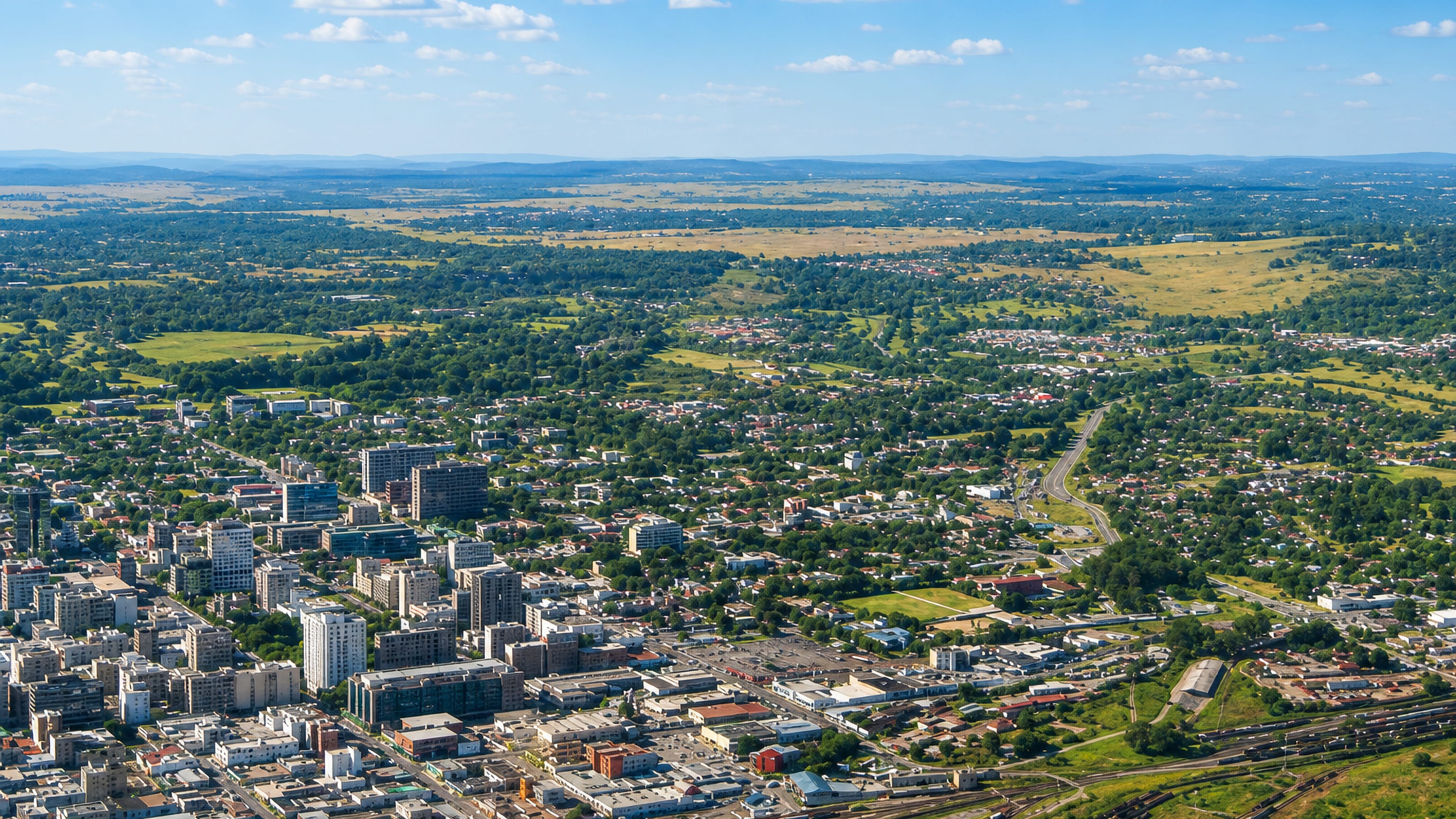
Zimbabwe · Harare Province
Where to Stay in Harare, Harare Province
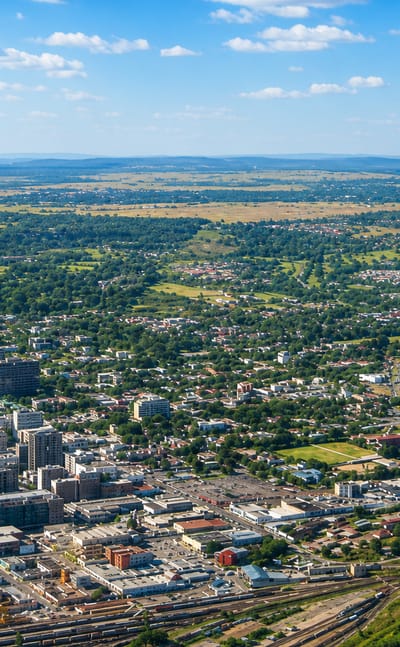
Garden suburbs spread beneath a high plateau at Harare, the capital of Zimbabwe in the Mashonaland region, known for the National Gallery of Zimbabwe.
Hotel links are affiliate links: booking through them may earn us a commission, at no extra cost to you. It never affects how places are ranked. How this works


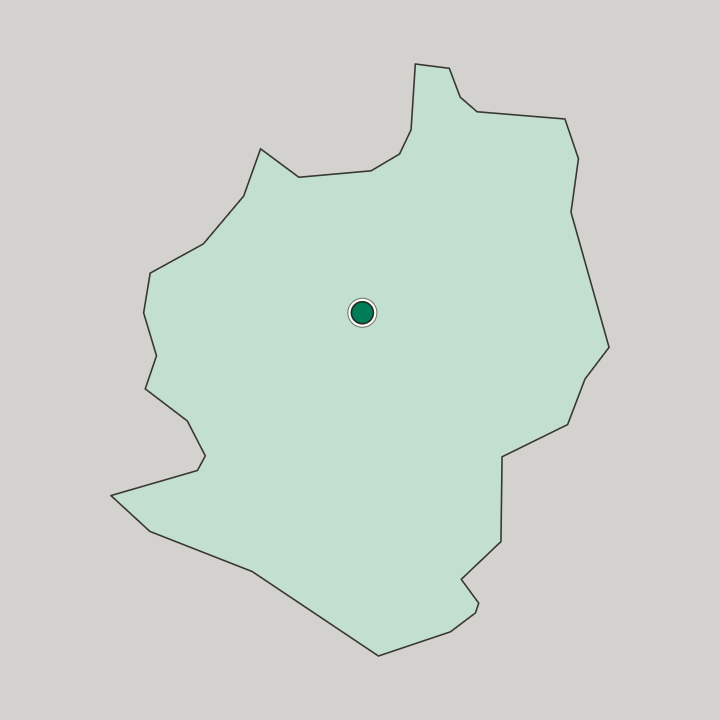
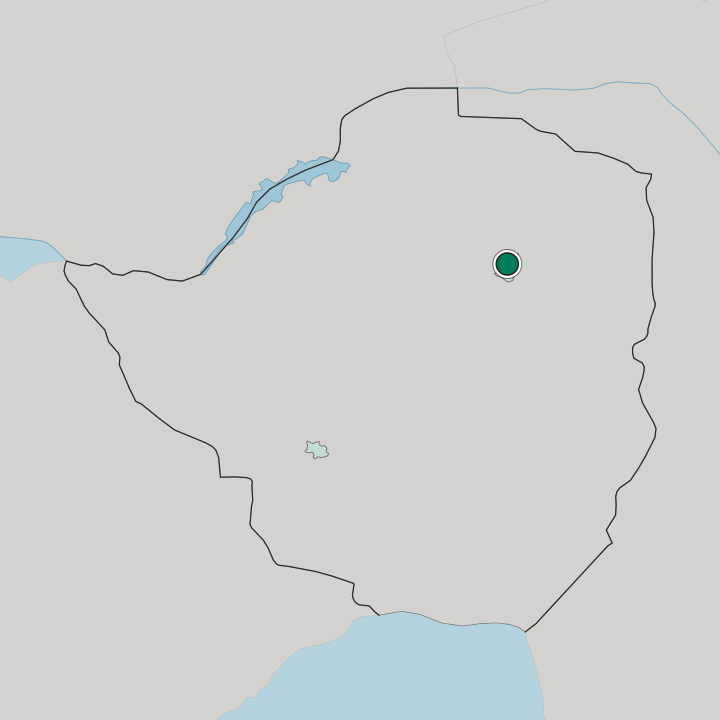
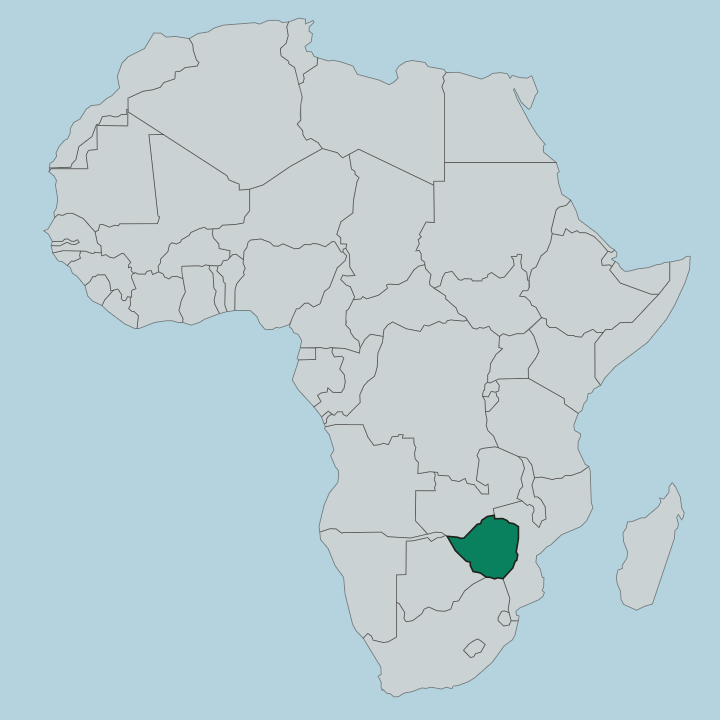
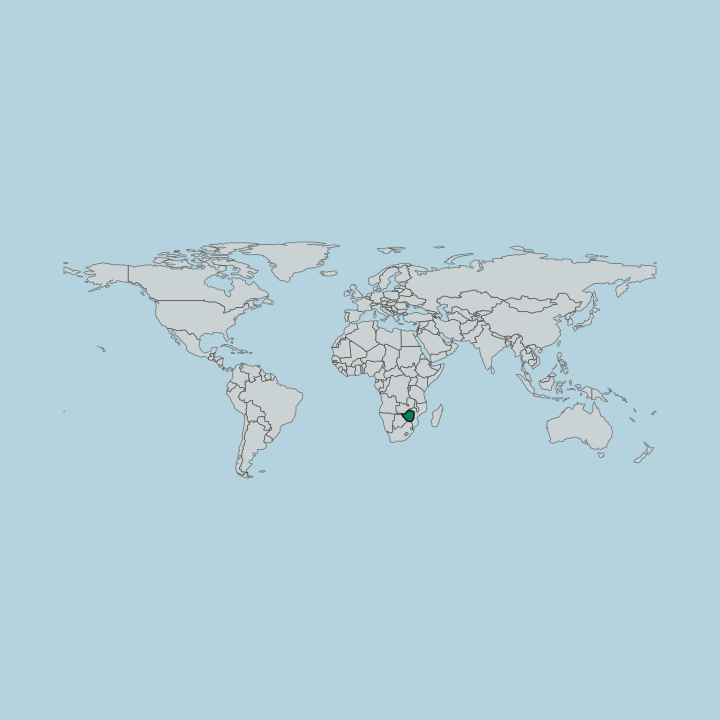
Where to stay in Harare
One neighbourhood here has its own guide — here's what it is best for.
 HarareZimbabwe
Epworth
Epworth is a bedroom community east of the Harare city center, in south-eastern Harare Province, Zimbabwe, on ground recorded from 1929.Where to stay →Hotel links are affiliate links: booking through them may earn us a commission, at no extra cost to you. It never affects how places are ranked. How this works
Find hotels in Harare
Direct booking searches for these neighbourhoods.
Central Harare and the National Gallery quarter
the compact core holds the National Gallery of Zimbabwe and the Zimbabwe Museum of Human Sciences, with the capital's boulevards and civic institutions within walking reachFind hotels in Central Harare and the National Gallery quartertravellers wanting the temperate calm of the plateau near Harare Sports ClubHarare garden suburbs
the leafy, well-planned garden districts spread green residential streets across the upland close to Harare Sports Club, a quieter base a short drive from the galleries of the capitalFind hotels in Harare garden suburbsHotel links are affiliate links: booking through them may earn us a commission, at no extra cost to you. It never affects how places are ranked. How this works
Things to do in Harare
Ranked by global recognition; descriptions from Wikidata (CC0).
Museums & Galleries
3- National Gallery of Zimbabwe
- Zimbabwe Museum of Human Sciences
- First Floor Gallery Harare
Castles & Historic Sites
1- National Heroes Acre
Stadiums & Sports
1- Harare Sports Club
worth knowingacross 3 categories in Harare
About Harare
What is Harare known for?
Harare is known first as the capital and largest city of Zimbabwe, set on a high plateau in the country's Mashonaland region. The city gathers the nation's leading museums and memorials, from the National Gallery of Zimbabwe to National Heroes Acre. Its garden suburbs are well planned.
Walkable, leafy and laid out across the upland, they give the capital a temperate, spacious character that draws visitors to its galleries, its sports grounds and its many public institutions.
What are the main landmarks in Harare?
Harare holds the leading galleries, museums and memorials of Zimbabwe. The National Gallery of Zimbabwe anchors its art scene, joined by the First Floor Gallery Harare among the capital's exhibition spaces. Heritage sits alongside the art.
The Zimbabwe Museum of Human Sciences gathers the nation's collections, National Heroes Acre stands as its principal memorial, and Harare Sports Club serves as the city's best-known sporting ground, so the capital carries much of the country's cultural and civic monument in one plateau city.
What is the history of Harare?
Harare was founded in 1890 on the high plateau of the Mashonaland region, and grew from that colonial settlement into the capital of Zimbabwe. The town rose on the upland. Laid out on open ground far from any sea, the young settlement spread across the temperate plateau and drew the institutions, roads and suburbs that would shape the later capital.
Its early street plan and garden layout set the pattern for the leafy suburbs that still define the city. The city carried the country into independence. When Zimbabwe reached independence in 1980, Harare stood as its principal city, and the memorials and institutions of the young nation gathered here, among them National Heroes Acre on the edge of the capital.
Over the decades the National Gallery of Zimbabwe and the Zimbabwe Museum of Human Sciences established the city as the cultural centre of the country. From a plateau town founded in 1890, Harare became the political, cultural and administrative heart of Zimbabwe.
Where is Harare?
Harare sits on a high plateau in north-eastern Zimbabwe, deep in the interior of the Mashonaland region and far from any sea. The city spreads across gently rolling upland, its garden suburbs laid out over the open ground of the plateau. No coast lies near.
Around the capital the wider metropolitan area reaches to the satellite towns of Chitungwiza, Epworth and Ruwa, all set on the same elevated inland terrain that gives Harare its temperate, upland character within the landlocked country of Zimbabwe.
What is the climate of Harare?
Harare has a mild subtropical highland climate shaped by its elevated plateau. The upland tempers the heat. High in the interior of the Mashonaland region, the city enjoys pleasant, temperate days for much of the year rather than the harsher warmth of lower ground.
A warm rainy season and a cooler, drier season mark the calendar, and the height of the plateau keeps Harare gentler in temperature than its tropical position in Zimbabwe would otherwise bring.
How do you get to Harare?
Harare carries the main international airport of Zimbabwe, the usual way most visitors arrive. Roads and rail lines converge on the capital from across the country, tying it to the wider Mashonaland region and beyond. Air is the common gateway.
From the airport the compact centre and its garden suburbs lie a short drive away, and the satellite towns of Chitungwiza, Epworth and Ruwa open by road, so the capital serves as the main point of entry for the whole plateau region.
Common questions
What is the best area to stay in Harare?
Central Harare and the National Gallery quarter: first-time visitors who want the museums and boulevards on the doorstep. Harare garden suburbs: travellers wanting the temperate calm of the plateau near Harare Sports Club.
Good for
Updated September 2026