United Arab Emirates · Abu Dhabi
Where to Stay in Al Ain City, Abu Dhabi
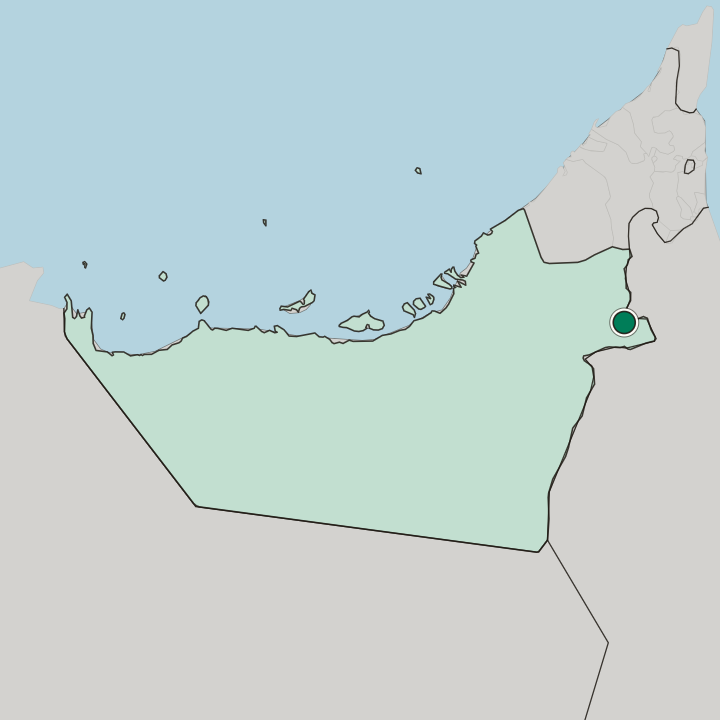
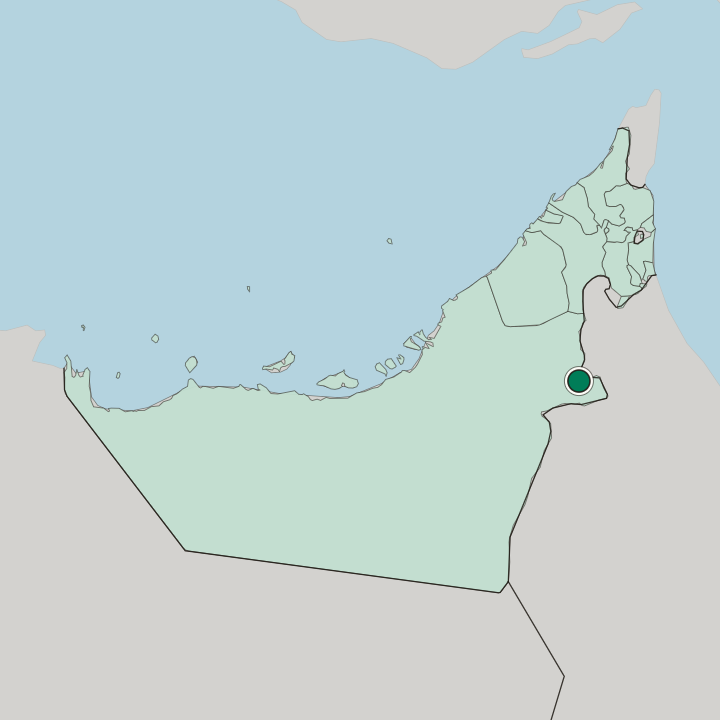
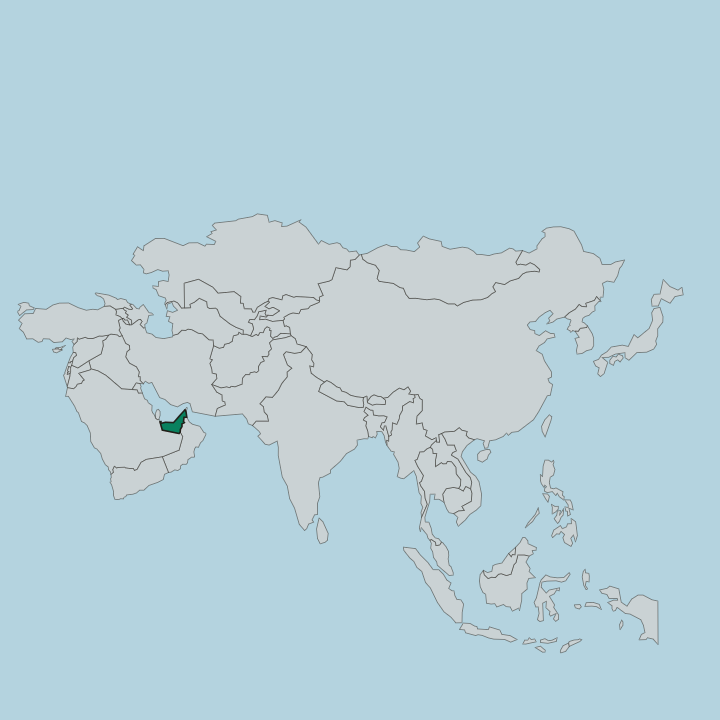
Al Ain is the oasis city of the Abu Dhabi emirate, lying inland at the desert's edge by the Oman border in the United Arab Emirates.
Hotel links are affiliate links: booking through them may earn us a commission, at no extra cost to you. It never affects how places are ranked. How this works


Where to stay in Al Ain City
Where visitors usually base themselves, and why.
Where you stay in Al Ain turns on the oases or the mountain. The streets around the central oasis keep the forts, the museums, and the palm gardens within a walk, and staying in the centre suits anyone here for the old town. Green groves shade the lanes.
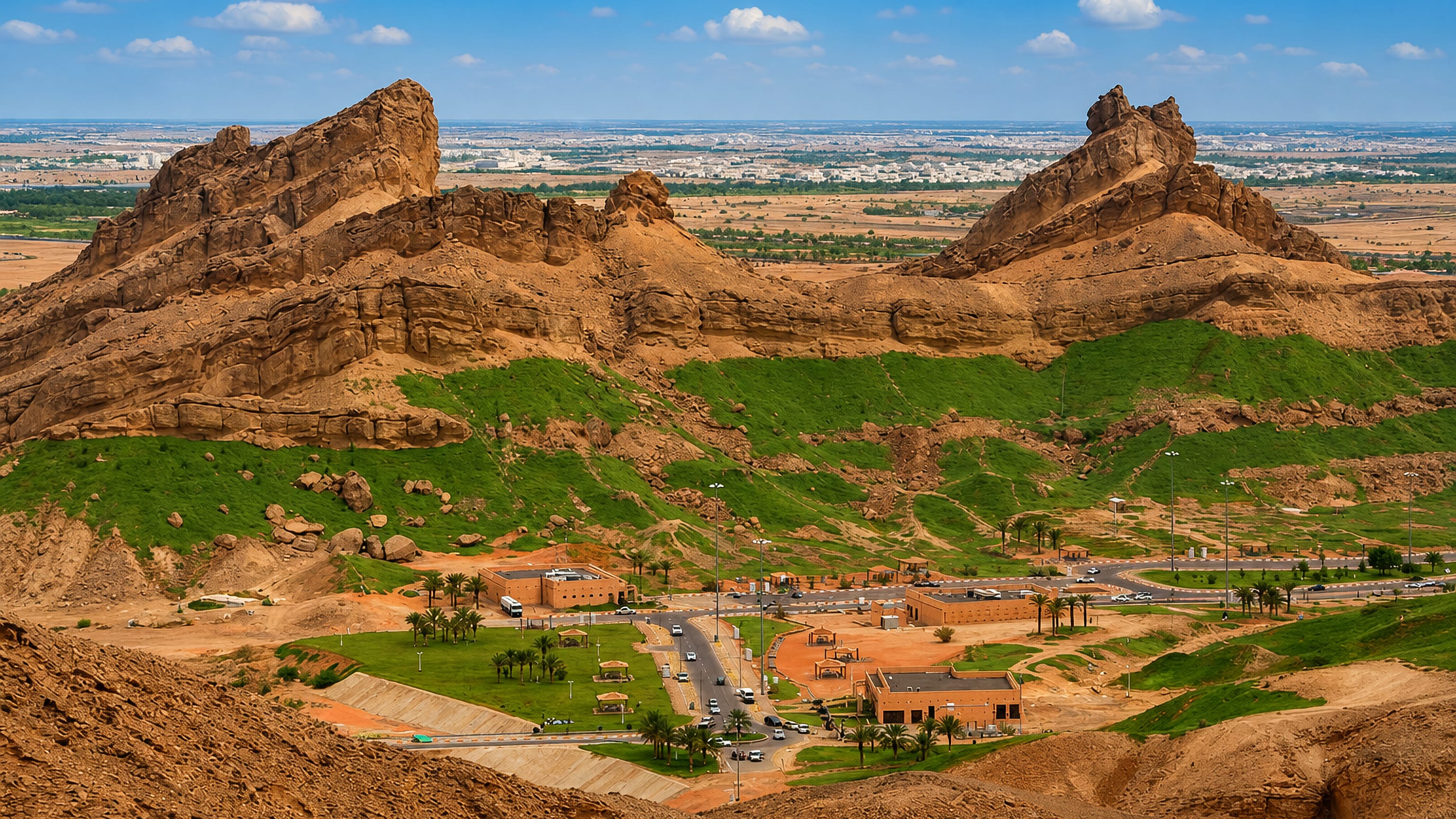
Falaj channels run past the walls. Out toward Jebel Hafeet, the city gives way to gravel plain and the lone grey mountain. A room toward the peak trades the oases for the summit road, the desert views, and the warm spring pools at its foot.
The bare ridge fills the sky. Stay in the centre for the oases, or by Hafeet for the heights. The two lie a short drive apart.
Find hotels in Al Ain City
Direct booking searches for these neighbourhoods.
The central oasis
By the walled oasis within a walk of the museumsFind hotels in The central oasisStays wanting the mountain and the spring poolsJebel Hafeet
Out toward the lone peak and its summit roadFind hotels in Jebel HafeetHotel links are affiliate links: booking through them may earn us a commission, at no extra cost to you. It never affects how places are ranked. How this works
Things to do in Al Ain City
Ranked by global recognition; descriptions from Wikidata (CC0).
Museums & Galleries
2- Sheikh Zayed Palace Museum
- Al Ain National Museum
Castles & Historic Sites
3- Al Ain Wildlife Park Tombs Heritage
- West Ridge Hafeet Tombs Heritage
- Qasr Al Muwaiji
Nature & Outdoors
1- Al Ain Zoo
worth knowingacross 3 categories in Al Ain City
About Al Ain City
Al Ain is the garden oasis of the Emirates.
What is Al Ain City known for?
Out where the desert runs up to the mountains on the Oman border, it grew around palm groves watered by ancient falaj channels, and it keeps those oases with their UNESCO date gardens, the mud-brick Al-Jahili Fort, the national museum, and the fort-palace of Qasr Al Muwaiji. Green palms fill the walled gardens. Jebel Hafeet rises bare to the south.
What are the main landmarks in Al Ain City?
The oases and their forts are the wonder of Al Ain. The walled date gardens, threaded by the running channels of the ancient falaj, spread green across the city, the emblem of the oasis, under the palms. A pale fort guards the edge.
The mud-brick Al-Jahili Fort stands by the largest oasis, while Qasr Al Muwaiji, the Sheikh Zayed Palace, and the great round tombs of Hili mark the country around Al Ain.
What is the history of Al Ain City?
Al Ain has been an oasis on the desert roads since ancient times. Bronze Age farmers dug the first falaj channels here and raised the great round tombs that still stand at Hili, and caravans crossed between the coast and the interior through its palms. Water made the place.
The springs and the shade of the groves drew traders and herders to Al Ain for thousands of years. In the last century it became the cradle of a nation. Sheikh Zayed, who would found the United Arab Emirates, grew up in Al Ain and governed its oases as a young man, restoring the falaj and the gardens.
He never forgot the town. When oil wealth came he made Al Ain green with parks and museums, sparing it the towers of the coast, and its forts and palaces became the museums of the founding house. The oases still run with falaj water.
Al Ain keeps its palms and its forts on the Oman border.
Where is Al Ain City?
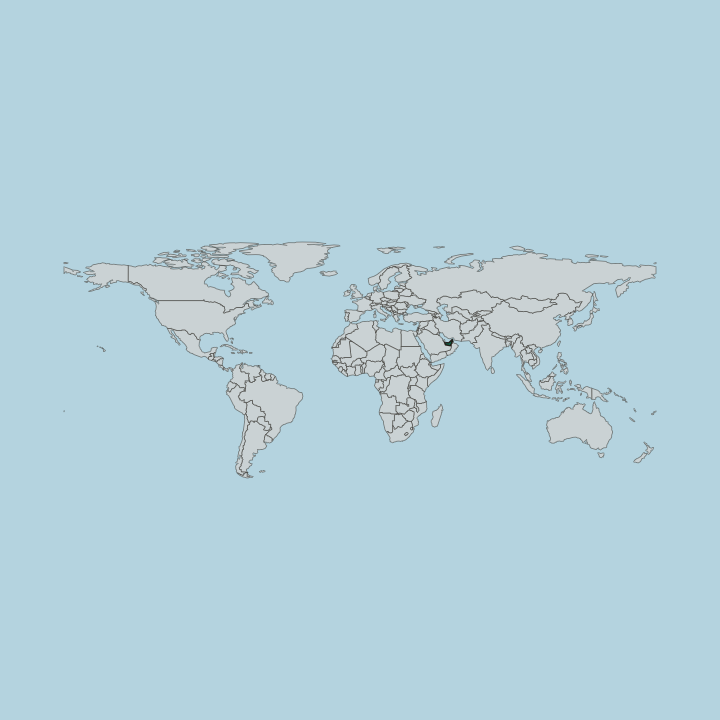
Al Ain lies in the far east of the Abu Dhabi emirate, on the inland border with Oman. The city spreads across a gravel plain of oases and date groves at the foot of Jebel Hafeet, the tall limestone ridge that stands alone above the desert, with the dunes of the Empty Quarter away to the south. Bare rock and sand ring the palms.
Springs still feed the old channels.
What is the climate of Al Ain City?
Al Ain has a hot desert climate a little softer than the coast. Fierce dry summers and warm winters cross the inland plain, and the air stays drier than humid Abu Dhabi on the shore, with rare rain and cool nights in the cold months. The heat hammers the gravel in summer.
Winter brings clear warm days.
How do you get to Al Ain City?
Al Ain lies inland in the east of the emirate, about halfway between Abu Dhabi and Dubai. A fast desert highway runs to it from both cities across the sands, and the border town of Buraimi in Oman adjoins it. Roads climb Jebel Hafeet to the summit.
Abu Dhabi lies about ninety minutes to the west.
Common questions
What is the best area to stay in Al Ain City?
The central oasis: Visitors here for the forts, museums, and gardens. Jebel Hafeet: Stays wanting the mountain and the spring pools.
Good for
Another city in Abu Dhabi
Updated October 2026