Afghanistan · Wilāyat-e Kābul
Where to Stay in Kabul, Wilāyat-e Kābul
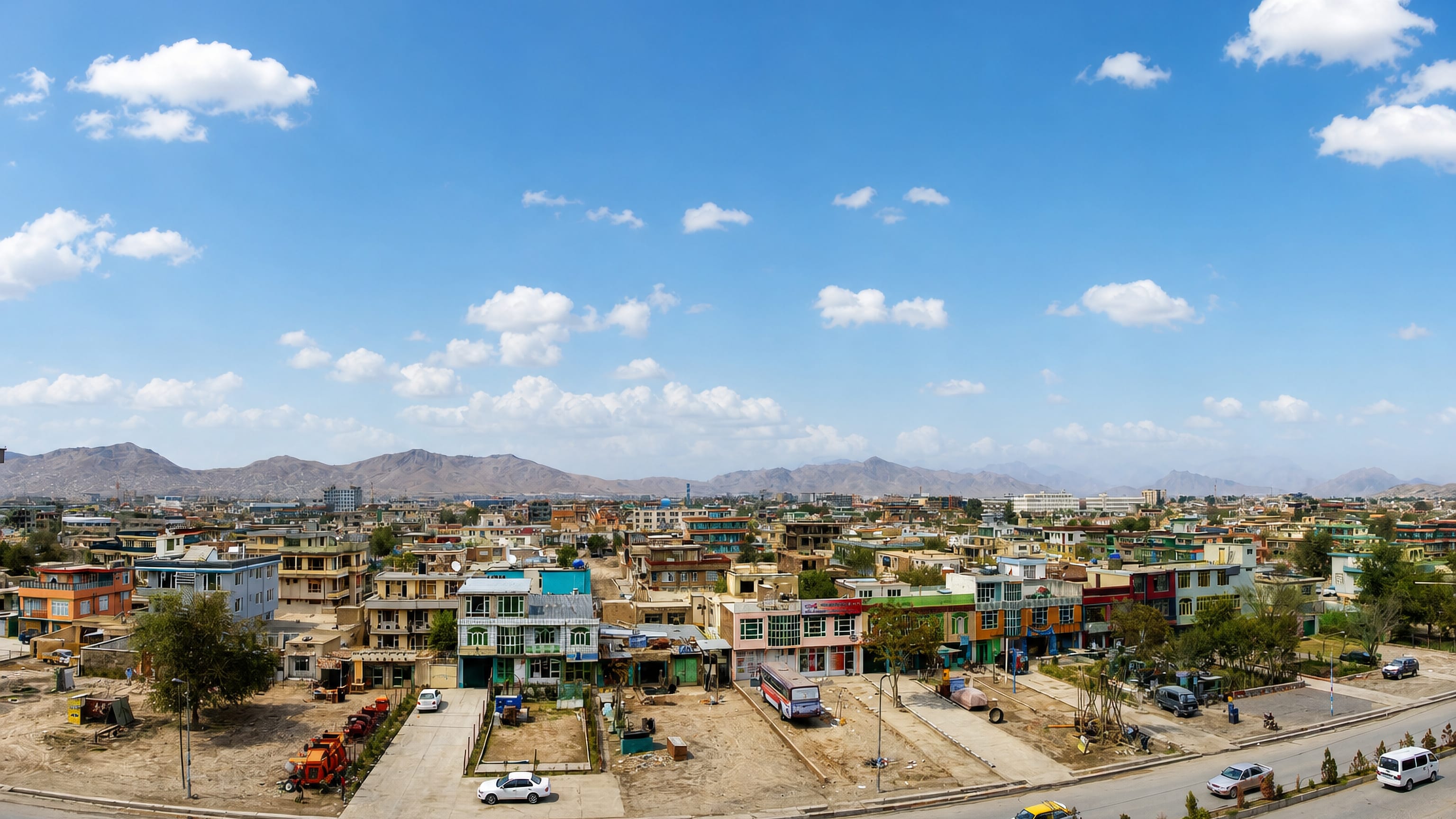
Kabul is the capital of Afghanistan, set high in a Hindu Kush valley on the Kabul River, known for the Gardens of Babur.
Hotel links are affiliate links: booking through them may earn us a commission, at no extra cost to you. It never affects how places are ranked. How this works


Where to stay in Kabul
Not every neighbourhood fits every trip — here's what each one is good for.
 KabulAfghanistan
Wazīr Akbar Khān
Wazīr Akbar Khān is a central Kabul neighbourhood inside District 10, named for the Emir who ruled Afghanistan in 1842.Where to stay →KabulAfghanistanDasht-e Barchī
Dasht-e Barchī, also written Dashte Barchi, is a working-class neighbourhood in the western section of Kabul, under Municipal District 13.Where to stay →KabulAfghanistanDārulāmān
Dārulāmān is a planned suburb on the south-western fringes of Kabul, laid out in the 1920s and holding the National Museum of Afghanistan.Where to stay →Hotel links are affiliate links: booking through them may earn us a commission, at no extra cost to you. It never affects how places are ranked. How this works
Find hotels in Kabul
Direct booking searches for these neighbourhoods.
Kabul historic core
The oldest quarters of Kabul, gathering Bala Hisar, Deh Afghanan, and Murad Khani beside the Kabul River at the valley floor.Find hotels in Kabul historic coreGreener stays near the Gardens of Babur and Kabul ZooGardens of Babur quarter
The western slope of Kabul below the terraced Gardens of Babur, a quieter base near the city's zoo and garden ground.Find hotels in Gardens of Babur quarterHotel links are affiliate links: booking through them may earn us a commission, at no extra cost to you. It never affects how places are ranked. How this works
Things to do in Kabul
Ranked by global recognition; descriptions from Wikidata (CC0).
Museums & Galleries
2- National Museum of Afghanistan
- National Gallery of Afghanistan
Castles & Historic Sites
1- Kabul hoard
Nature & Outdoors
1- Gardens of Babur Heritage
Stadiums & Sports
1- Kabul National Cricket Stadium
worth knowingacross 4 categories in Kabul
About Kabul
What is Kabul known for?
Kabul is known as the capital and largest city of Afghanistan, its long-standing political, cultural, and economic centre. The country turns on it. Held high in a narrow valley of the Hindu Kush and bounded by the Kabul River, the city is known for the terraced Gardens of Babur and the collections of the National Museum of Afghanistan in eastern Afghanistan.
What are the main landmarks in Kabul?
Kabul holds the great civic landmarks of Afghanistan within its valley. The Gardens of Babur crown the slope. Their terraces climb the western hill above the city, while the National Museum of Afghanistan and the National Gallery of Afghanistan keep the nation's heritage, and Kabul Zoo and the Kabul National Cricket Stadium anchor the modern civic life of the capital of Kabul Province.
What is the history of Kabul?
Kabul is one of the oldest cities of Afghanistan, its recorded settlement in the valley reaching back roughly to the year 1200 and far earlier in legend. Its layers run deep. The oldest neighbourhoods of Bala Hisar, Deh Afghanan, and Murad Khani mark the historic core, and the great fortress ground of Bala Hisar long guarded the approach to the city on the Kabul River.
Kabul rose to become the national capital about the year 1776, and it has held that seat through the centuries since. The Gardens of Babur, laid out on the western slope, carry that older courtly history in their terraces, while the collections gathered at the National Museum of Afghanistan preserve the deep past of the whole country. Through every turn, the city has stayed the political heart of Afghanistan and of Kabul Province.
Where is Kabul?
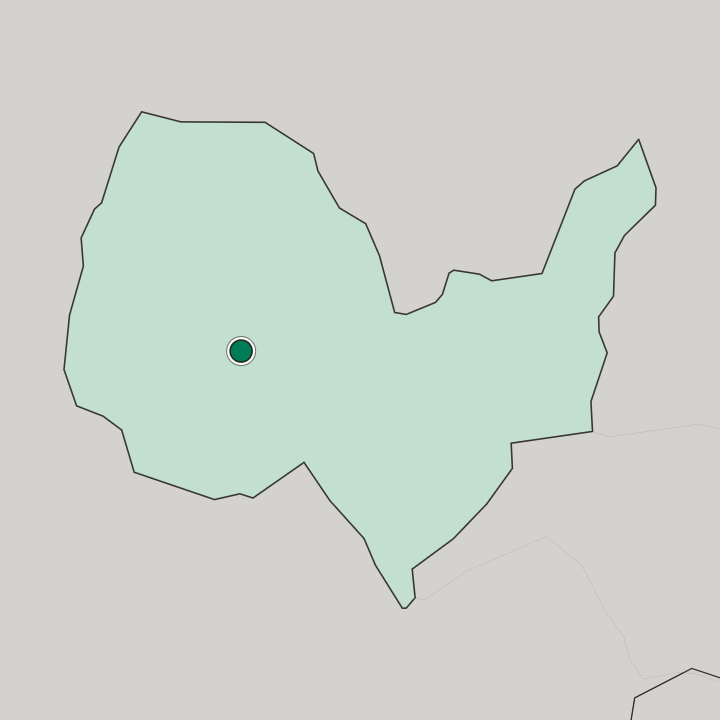
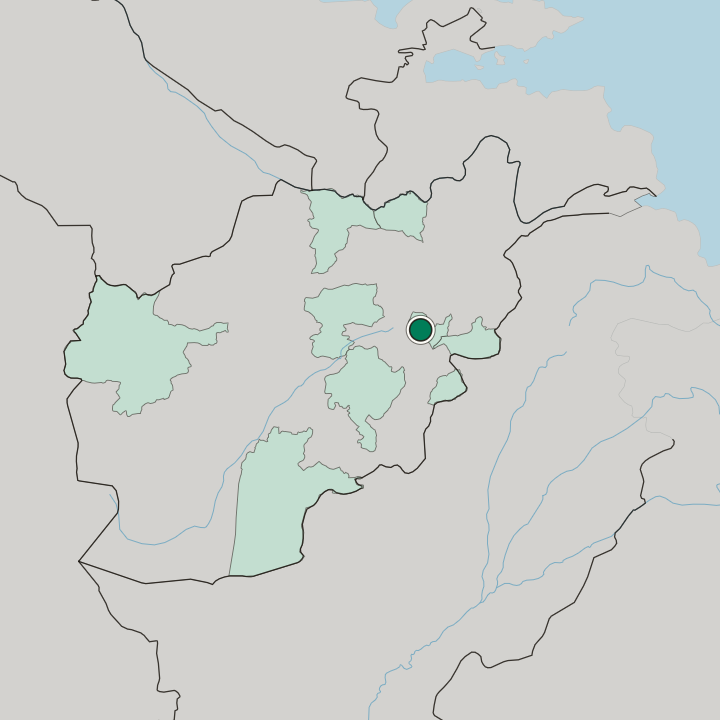
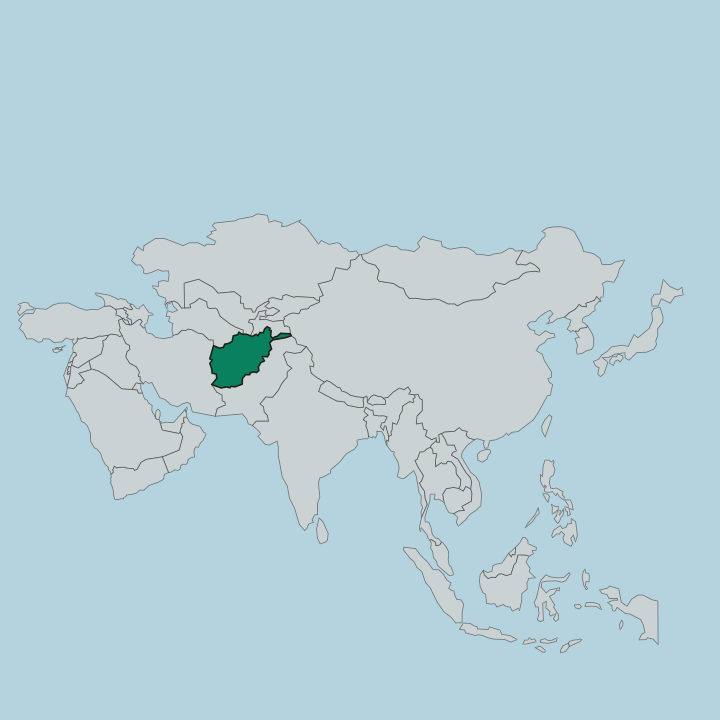
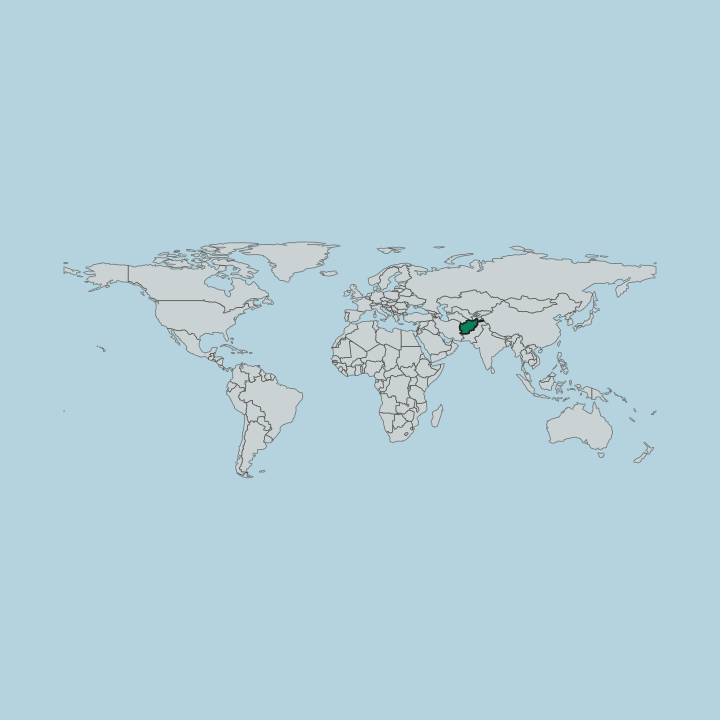
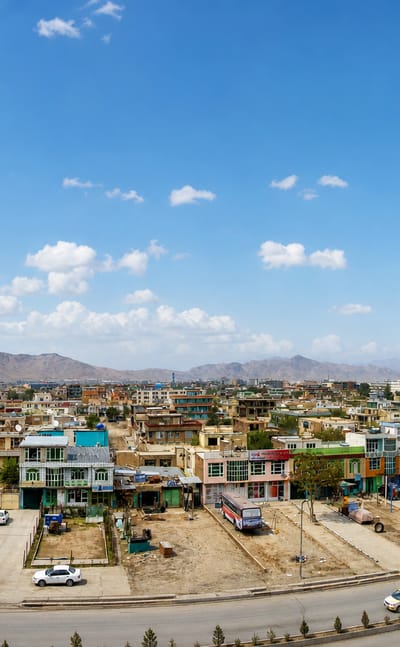
Kabul sits high in a narrow valley of the Hindu Kush in eastern Afghanistan, one of the highest capital cities in the world. The mountains press close. The Kabul River threads the valley floor through the city, which spreads along the water between the enclosing ridges, well above sea level in the heart of the great range that walls in Kabul Province.
What is the climate of Kabul?
Kabul has a cold-winter, dry-summer highland climate set by its altitude in the Hindu Kush. The mountain cold holds long. Snow settles over the valley and the surrounding ridges through the coldest months, while summers around the Kabul River stay warm and dry, the city swinging between hard mountain cold and a bright, arid warm season in eastern Afghanistan.
How do you get to Kabul?
Kabul is the transport hub of Afghanistan, the point on which the country's routes converge. All roads climb to the capital. The national air link and the main highways gather here in the valley, and from the city they thread out through the passes of the Hindu Kush to tie Kabul Province and the wider country to its capital in eastern Afghanistan.
Common questions
What is the best area to stay in Kabul?
Kabul historic core: Old-city stays near Bala Hisar and Murad Khani. Gardens of Babur quarter: Greener stays near the Gardens of Babur and Kabul Zoo.
Good for
Updated October 2026