Afghanistan
Wilāyat-e Kābul, Afghanistan — Towns & Travel Guide
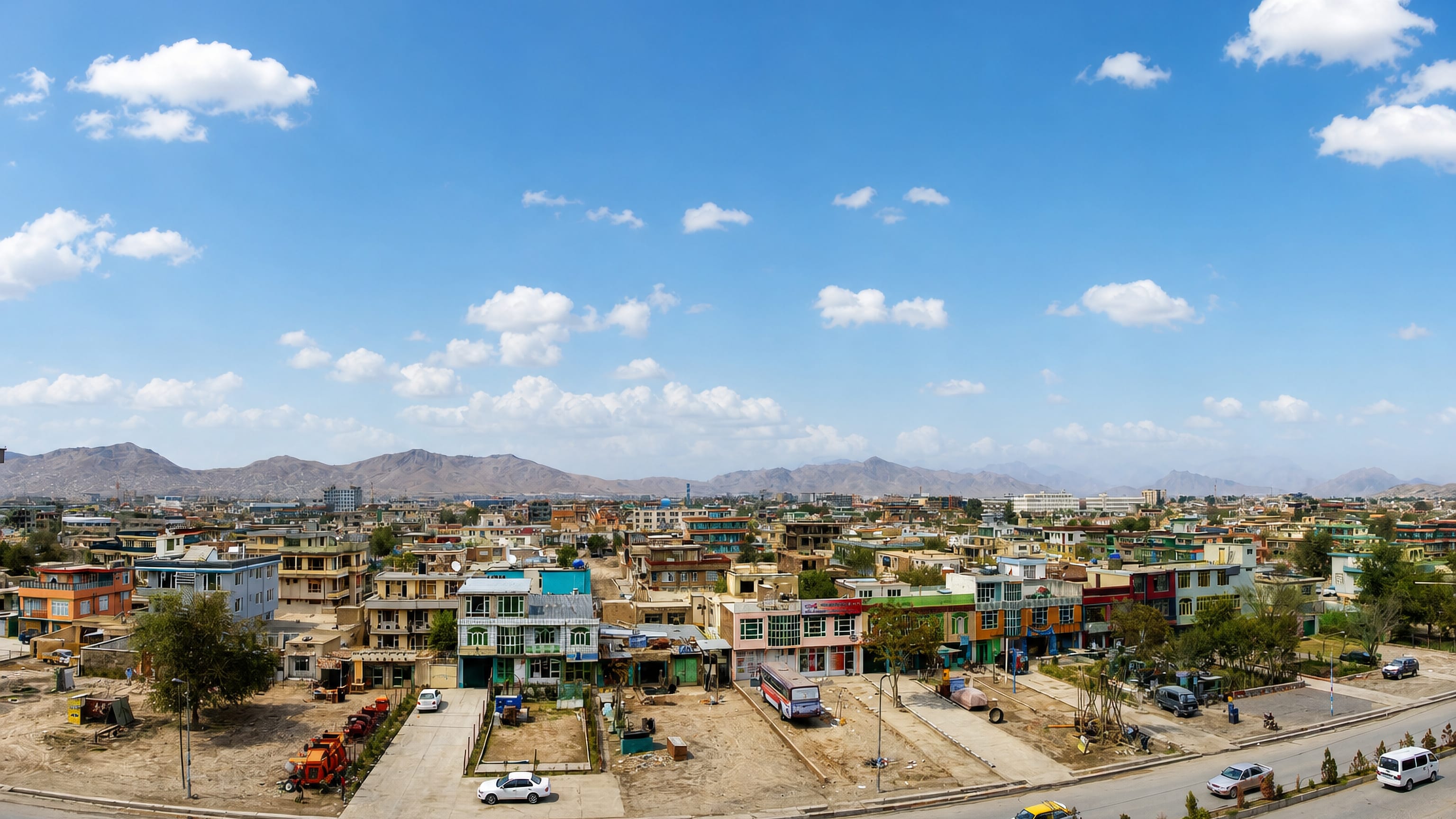
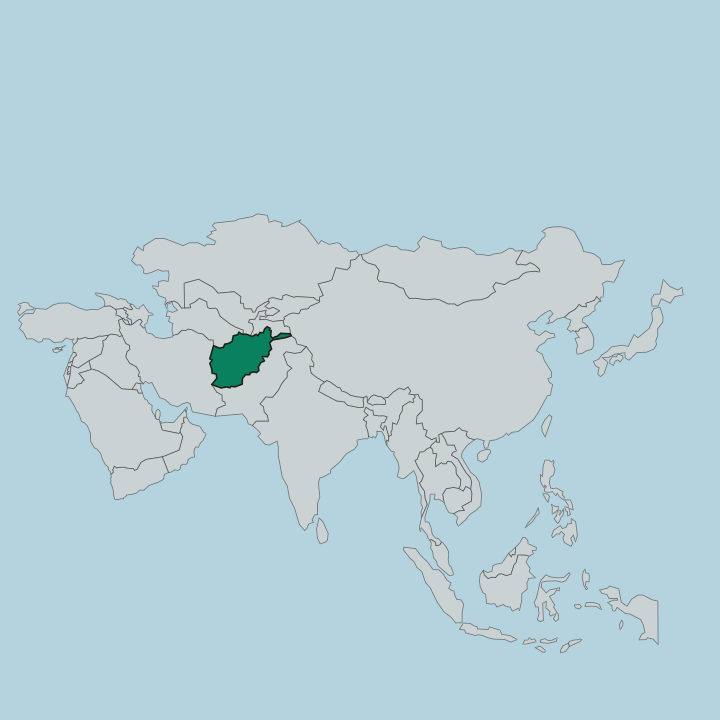
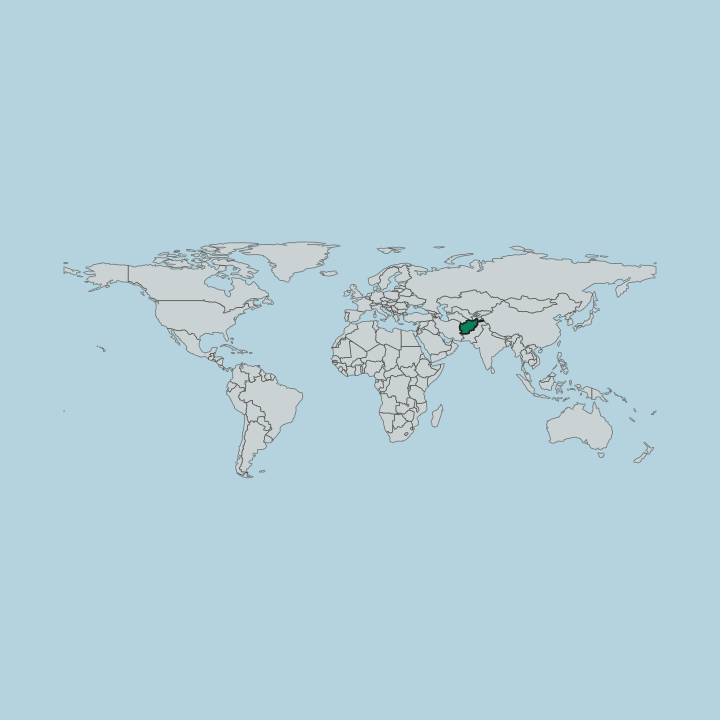
Wilāyat-e Kābul is a province in eastern Afghanistan, built around Kabul, the nation's capital and largest city.
Hotel links are affiliate links: booking through them may earn us a commission, at no extra cost to you. It never affects how places are ranked. How this works


Towns & cities in Wilāyat-e Kābul
One town here has its own guide — it links to where to stay.
 Afghanistan
Kabul
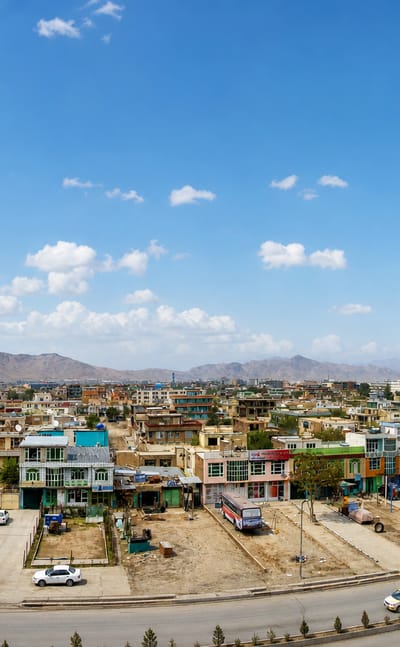
Kabul is the capital of Afghanistan, set high in a Hindu Kush valley on the Kabul River, known for the Gardens of Babur.Where to stay →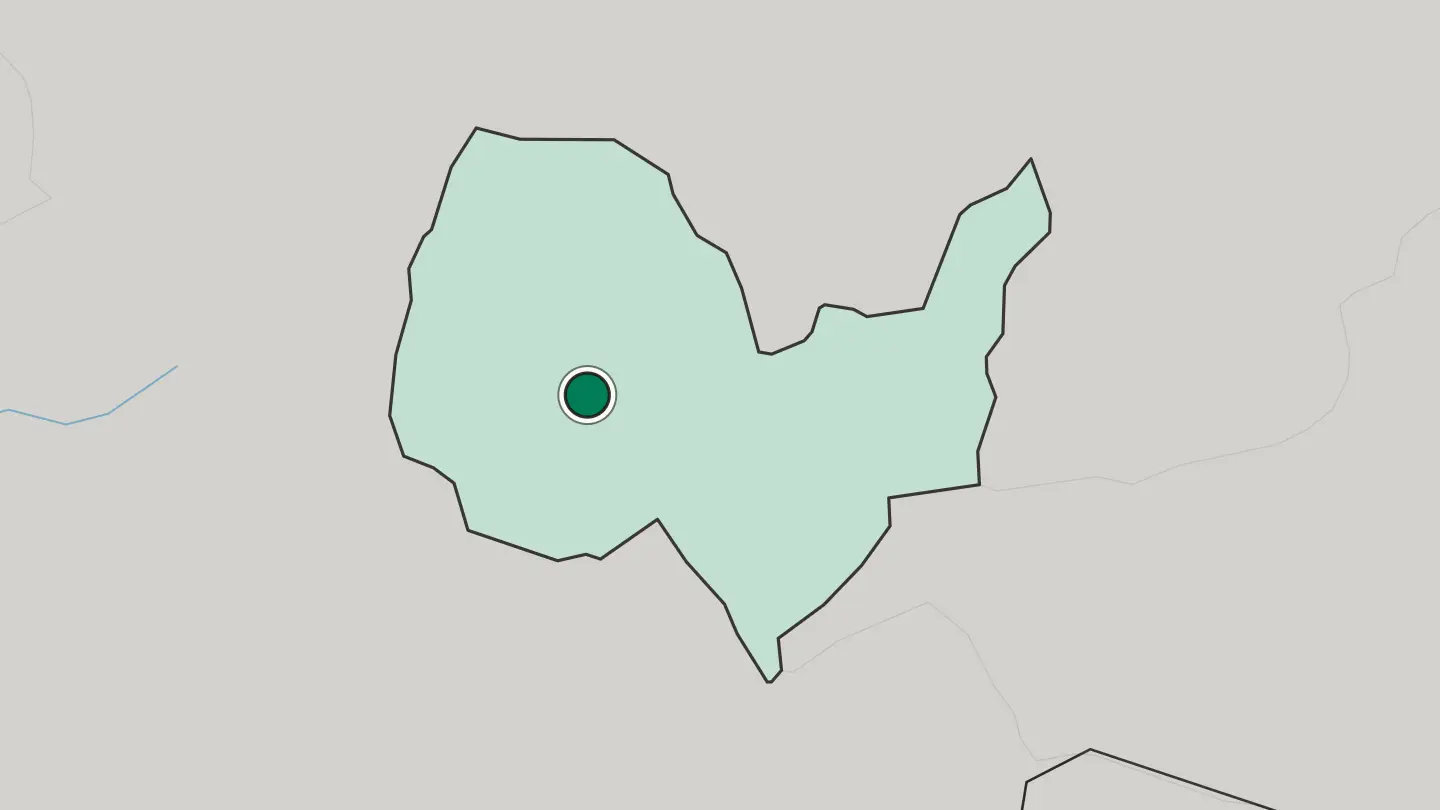
Hotel links are affiliate links: booking through them may earn us a commission, at no extra cost to you. It never affects how places are ranked. How this works
About Wilāyat-e Kābul
What is Wilāyat-e Kābul known for?
Wilāyat-e Kābul is known above all as the province of Kabul, the capital of Afghanistan and its largest city. The capital defines it. Most of the province's life gathers in and around Kabul, the political and economic centre of the country, so the wider Kabul Province in eastern Afghanistan is read chiefly through the city at its core.
Where is Wilāyat-e Kābul?
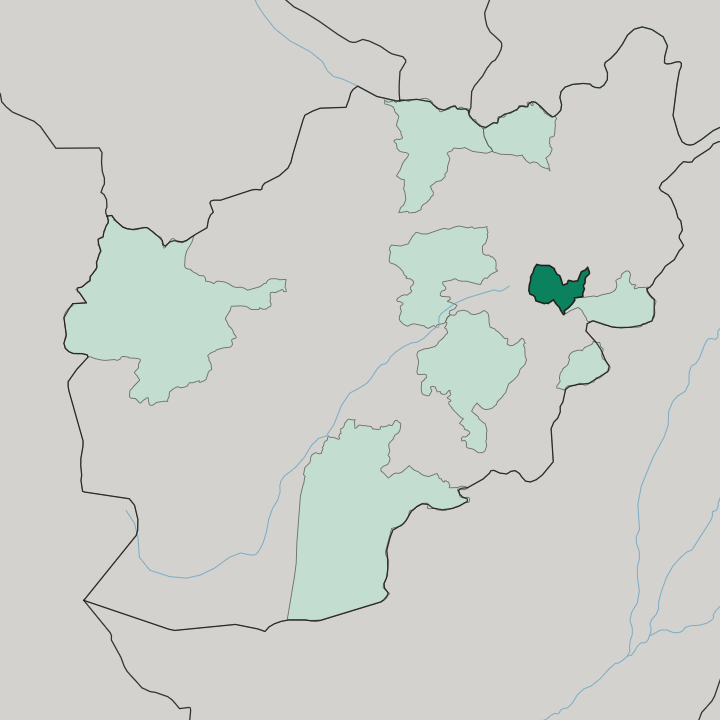
Wilāyat-e Kābul lies in eastern Afghanistan, a province whose whole shape is drawn toward the capital at its centre. Everything gathers around Kabul. The city sits at the province's core, and Kabul Province reaches out from it into the surrounding country of the east, the settlement thinning as the distance from the capital grows across this stretch of Afghanistan.
The province takes its form from that single dominant centre. Kabul draws the roads and the population toward itself, while the outer districts of Wilāyat-e Kābul spread into quieter, higher ground. It is a province defined by its capital, the eastern reach of Afghanistan organised around the city held at its heart.
What is Wilāyat-e Kābul like?
Wilāyat-e Kābul carries the cultural weight of Afghanistan's capital at its centre, its identity fused with the city of Kabul. Persian Dari and Pashto are spoken here. The province has stood at the political and cultural heart of the country since Kabul became the national capital, and that centrality still shapes the speech, the trade, and the civic life of the whole of Kabul Province.
That capital status colours everything in the province. The distinctive Kabuli register of Dari is heard through the capital, and the long civic memory of the city radiates into the surrounding districts of eastern Afghanistan. It is a culture of the capital, drawn tightly around Kabul and the seat of the nation it has held for generations.
What is the history of Wilāyat-e Kābul?
Wilāyat-e Kābul has been the seat of Afghanistan's government since its capital was fixed at Kabul. The province follows the city's fortunes. Kabul has served as the national capital since about 1776, and that long tenure set Kabul Province at the enduring political centre of eastern Afghanistan and the country as a whole.
What is the climate of Wilāyat-e Kābul?
Wilāyat-e Kābul has a cold-winter, dry-summer climate across eastern Afghanistan. The Kabul winter turns severe. Cold and snow settle over the higher country of the province through the long winter, while the warm season around Kabul stays dry and bright, the province swinging between sharp seasonal cold and an arid summer warmth.
How do you get to Wilāyat-e Kābul?
Wilāyat-e Kābul is reached through Kabul, the transport hub of the province and the country. All routes lead to the capital. Roads and the national air link converge on Kabul, and from that centre the highways run out to tie Kabul Province to the rest of eastern Afghanistan and the wider country beyond.
Common questions
What is the best area to stay in Wilāyat-e Kābul?
Kabul city, Wilāyat-e Kābul: The province's only real base, in the national capital.
Good for
More regions in Afghanistan
Updated September 2026