Albania
Qarku i Vlorës, Albania — Towns & Travel Guide
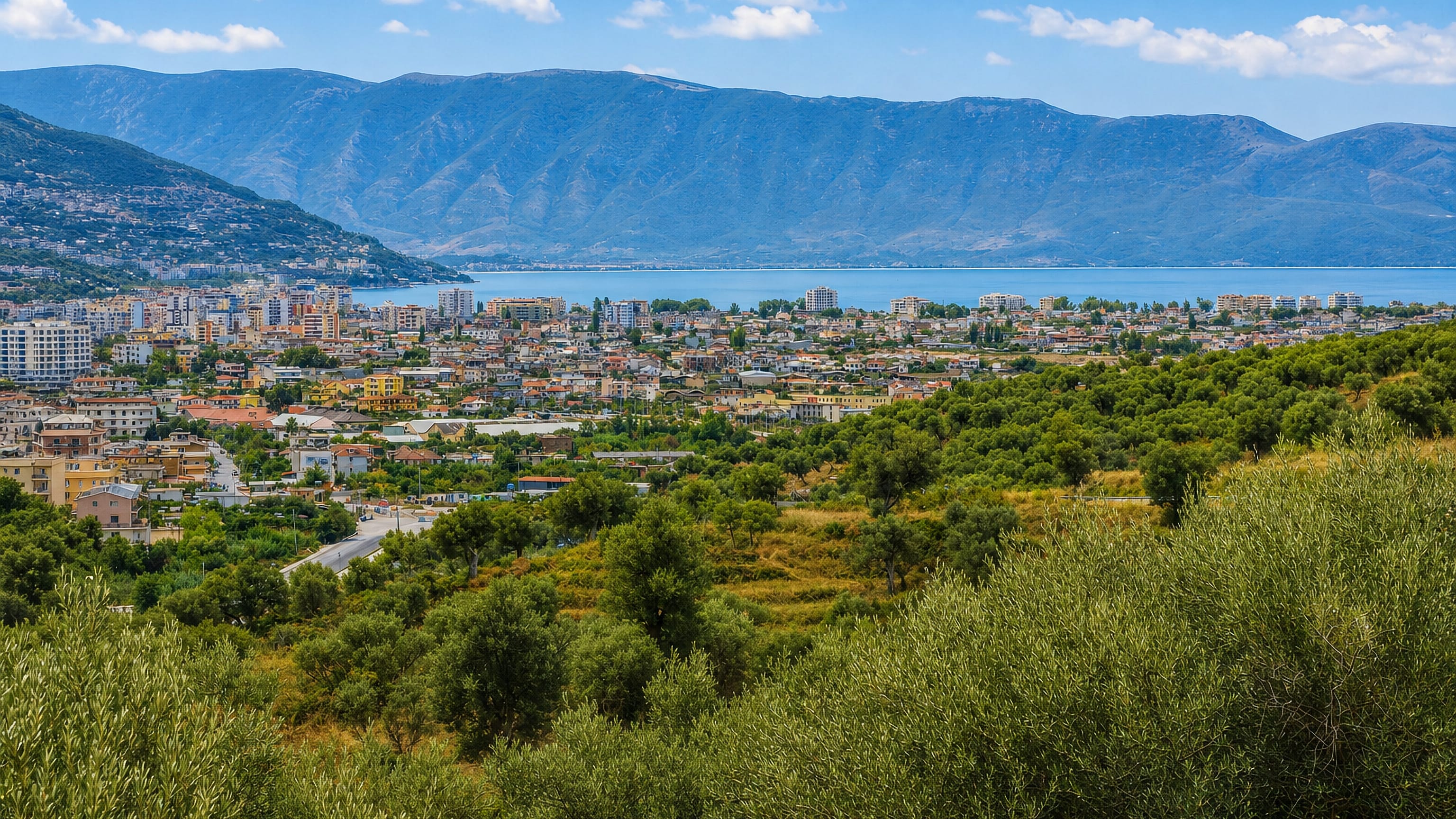
Vlorë County runs down the coast of Albania where the Adriatic Sea gives way to the Ionian Sea, its shore anchored by the port of Vlorë.
Hotel links are affiliate links: booking through them may earn us a commission, at no extra cost to you. It never affects how places are ranked. How this works


Towns & cities in Qarku i Vlorës
One town here has its own guide — it links to where to stay.
 Albania
Vlorë
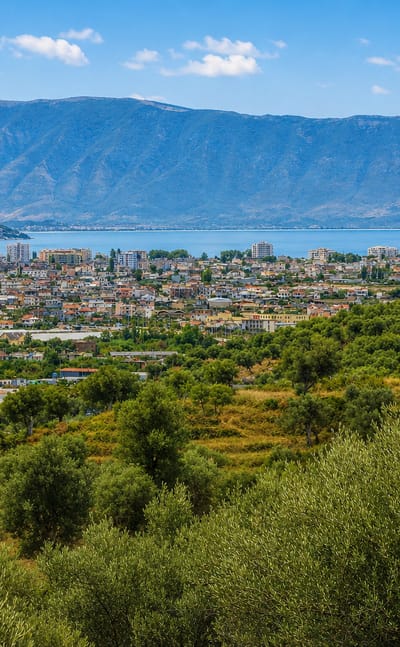
Vlorë is a historic city of Vlorë County, gathered below the height that carries Kanina Fortress.Where to stay →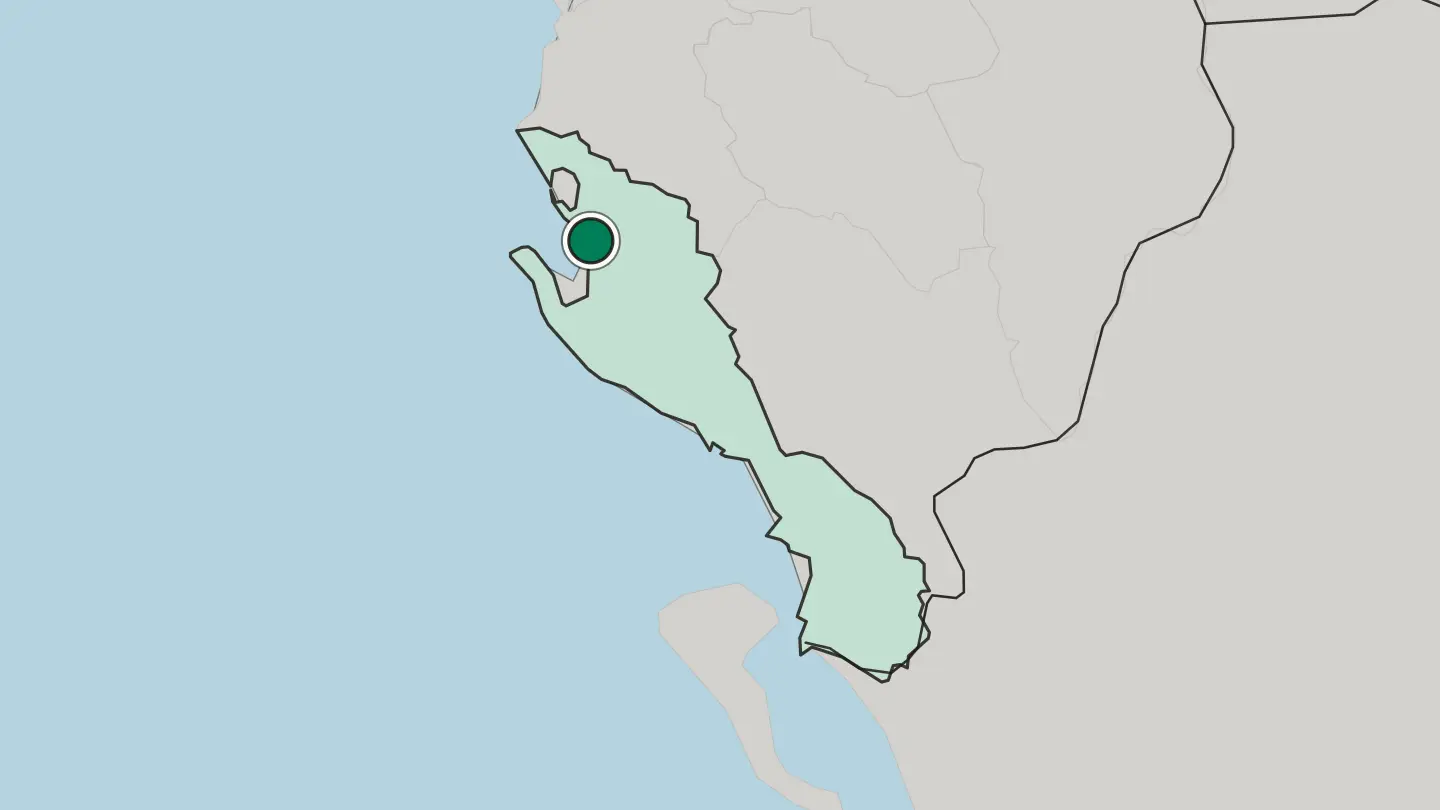
Hotel links are affiliate links: booking through them may earn us a commission, at no extra cost to you. It never affects how places are ranked. How this works
About Qarku i Vlorës
What is Qarku i Vlorës known for?
Vlorë County is known as the coast of Albania where two seas meet, the point at which the Adriatic Sea passes into the Ionian Sea. Its capital holds the shore. The port of Vlorë gives the county its name and its harbour, and the coastline runs south from there toward the border with Greece, so Vlorë County reads as a long maritime county strung between the Adriatic Sea and the Ionian Sea.
Where is Qarku i Vlorës?
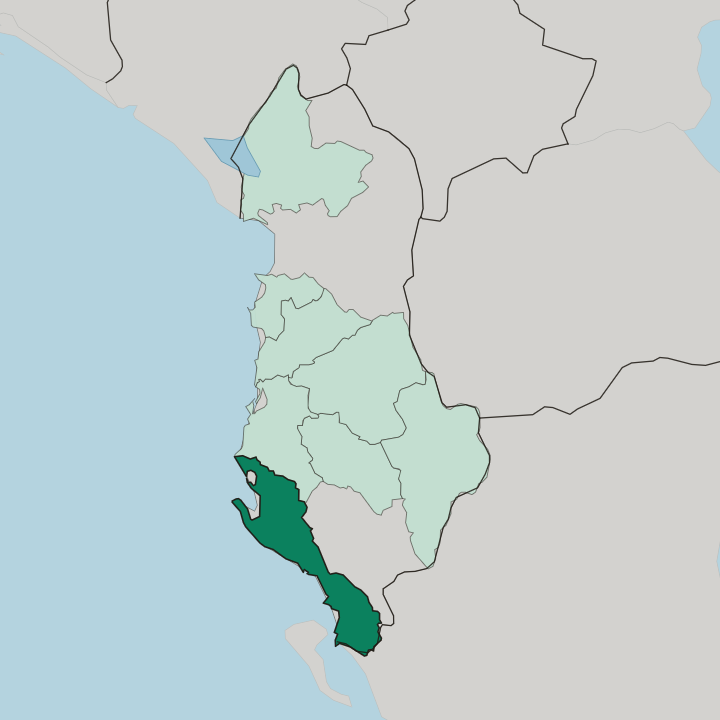
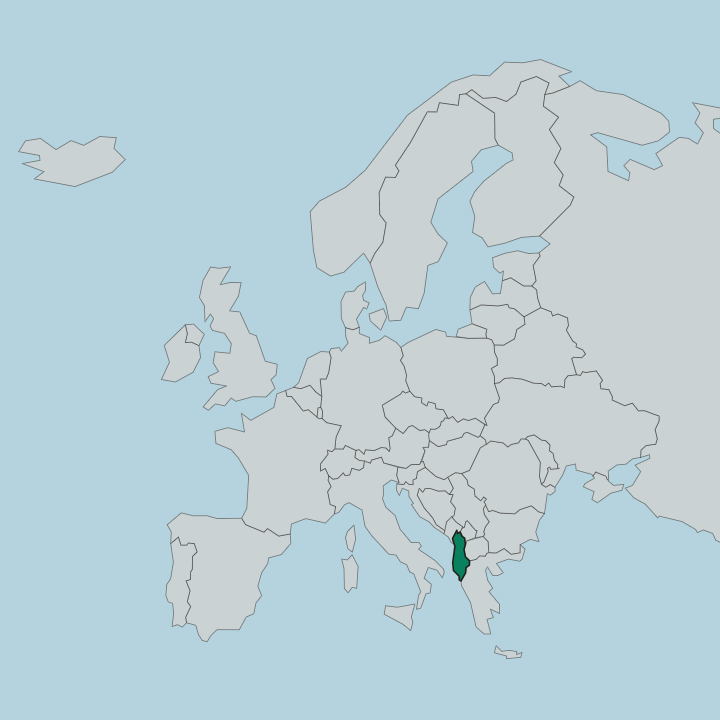
Vlorë County stretches along the southern coast of Albania, spanning 2,706 square kilometres of shoreline, plain, and mountain. Two seas define it. The Adriatic Sea washes the county's northern coast and the Ionian Sea its southern one, and the port of Vlorë sits close to the point where one gives way to the other, so the county's geography is written first by the water along its western edge.
Inland the land rises. Vlorë County borders the counties of Fier and Gjirokastër, and its southern frontier runs to the country of Greece. Mountains back the coast.
From the shore around Vlorë the terrain climbs quickly into the ranges that separate the county from Gjirokastër, giving Vlorë County a geography that pairs a long two-sea coastline with a steep mountainous interior above it.
What is Qarku i Vlorës like?
Vlorë County carries a coastal culture bound to the sea and the harbour of Vlorë. The county speaks Albanian. Life here has long turned on the port and the fishing coast, where the Adriatic Sea and the Ionian Sea meet, and the maritime character of Vlorë sets the county apart from the inland weight of neighbouring Gjirokastër.
The county's identity is that of a long shore between two seas, reaching from the harbour toward the border with Greece. Seaborne commerce shaped its character. The port of Vlorë drew commerce and exchange along the coast for centuries, while the mountain communities inland toward Fier and Gjirokastër kept their own traditions above the water, so Vlorë County still reads as a maritime county whose culture flows from its two-sea coastline rather than its highland interior.
What is the history of Qarku i Vlorës?
Vlorë County takes its history from the ancient port of Vlorë on the coast of Albania. The ancient harbour of Vlorë came before all the rest. Long a maritime town where the Adriatic Sea meets the Ionian Sea, Vlorë drew trade and settlement to the shore, and the modern county grew around it as the coastal and mountainous hinterland reaching south toward the border with Greece.
What is the climate of Qarku i Vlorës?
Vlorë County has a warm Mediterranean climate set by its long coast along the Adriatic Sea and the Ionian Sea. The sea keeps it mild. Hot, dry summers and mild, wetter winters mark the shore around Vlorë, while the mountains inland toward Gjirokastër run cooler and wetter, so the county's weather softens along the water and sharpens as the land climbs.
How do you get to Qarku i Vlorës?
Vlorë County is reached through its port city of Vlorë, the coastal gateway on the Adriatic Sea. Ships and roads meet here. The harbour of Vlorë serves the sea approaches while the coast road runs south along the Ionian Sea toward the border with Greece, so most arrivals into the county pass through the port before following the shoreline in either direction.
Common questions
What is the best area to stay in Qarku i Vlorës?
Vlorë harbour: The county's two-sea coastal base at the Adriatic and Ionian meeting.
Good for
More regions in Albania
Updated September 2026