Armenia · Syunik
Where to Stay in Kapan, Syunik
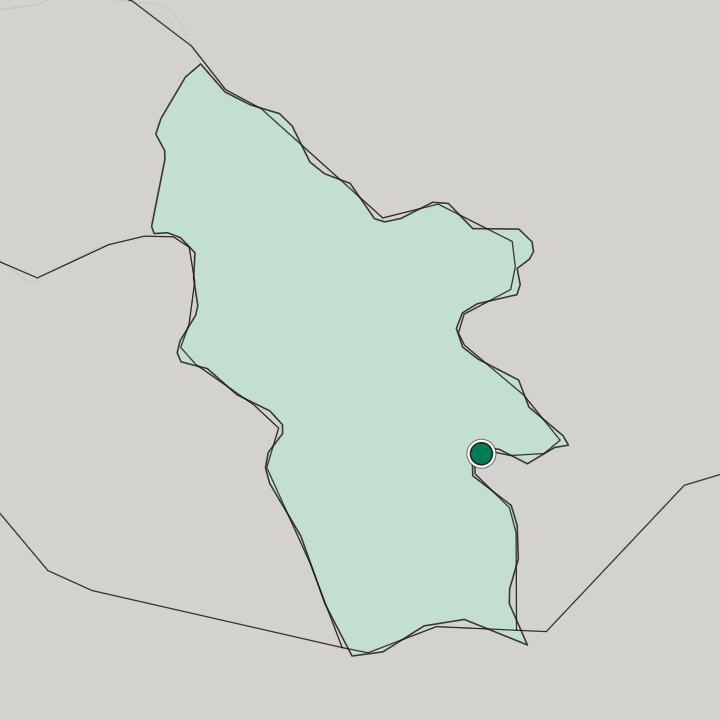
Kapan, capital of Syunik, fills a Voghji River valley under the northern slopes of Mount Khustup in southern Armenia.
Hotel links are affiliate links: booking through them may earn us a commission, at no extra cost to you. It never affects how places are ranked. How this works


Where to stay in Kapan
How the choice of base plays out on the ground.
The Voghji River sets the town's plan, and beds follow the same narrow valley floor because the ground rises hard on both sides of it. Khustup fills the southern view. Rooms near the Modern Art Museum of Kapan and the David Bek statue put the central errands within a walk.
Saint Mesrop Mashtots Church sits on the same bank as most of that lodging, close enough that a room chosen for one is a room chosen for the other. Geghanush lies apart. Saint Hripsime Church stands there, outside the main valley grid, which suits anyone wanting distance from the provincial offices and the traffic they draw.
Bed supply is thin. Kapan is the biggest town in Syunik, and even so the range of rooms stays modest, because the province around it is made of villages rather than towns. A car changes the range.
Mount Khustup, the church at Geghanush and the road north through the province all need one; the Armenian Genocide memorial and the Modern Art Museum of Kapan do not. You suit the valley floor if the museum and the memorial are the plan, and the higher slopes if the mountain is.
Find hotels in Kapan
Direct booking searches for these neighbourhoods.
The Voghji valley floor
Kapan's flat central strip beside the Voghji River, where the museum, the statue and the Syunik provincial offices fall inside one walkFind hotels in The Voghji valley floorStays that trade Kapan's provincial centre for the Saint Hripsime Church sideGeghanush
The settlement holding Saint Hripsime Church, set outside the Voghji valley grid and away from the administrative traffic of Syunik. Beds are limited here, so book early.Find hotels in GeghanushStays aimed at the northern face of Mount Khustup above KapanThe Khustup slopes
The rising ground where Mount Khustup's northern slopes meet the upper streets of Kapan, above the Voghji River floor. Few places to stay nearby — book ahead.Find hotels in The Khustup slopesHotel links are affiliate links: booking through them may earn us a commission, at no extra cost to you. It never affects how places are ranked. How this works
Things to do in Kapan
Ranked by global recognition; descriptions from Wikidata (CC0).
Museums & Galleries
1- Modern Art Museum of Kapan
Churches & Religious Sites
2- Saint Hripsime Church, Geghanush Heritage
- Saint Mesrop Mashtots Church (Kapan)
Castles & Historic Sites
2- David Bek statue, Kapan Heritage
- Armenian Genocide memorial
worth knowingacross 3 categories in Kapan
About Kapan
What is Kapan known for?
Kapan heads Syunik Province, and the administrative work of Armenia's southernmost province runs from this valley town rather than from the villages scattered along the Voghji River. Mount Khustup does the rest. Its northern slopes rise directly above the streets, and the David Bek statue stands in the town below them.
The Modern Art Museum of Kapan holds the contemporary collection. Saint Mesrop Mashtots Church anchors the older register.
What are the main landmarks in Kapan?
Two churches, a statue, a memorial and a museum. Saint Mesrop Mashtots Church and Saint Hripsime Church at Geghanush hold the ecclesiastical side, one standing inside Kapan and the other out at the smaller settlement. Kapan holds four of the five.
The David Bek statue stands in the town itself. The Armenian Genocide memorial and the Modern Art Museum of Kapan carry the civic half of the list, the first commemorative and the second given over to contemporary work.
What is the history of Kapan?
The town dates from 1801. Kapan grew in the valley of the Voghji River, on ground the northern slopes of Mount Khustup close off to the south, and the shape of that valley has governed the settlement ever since. The border with Azerbaijan runs close by.
Syunik made the town a capital, and the provincial administration of Armenia's southernmost province sits here alongside the Kapan Municipality that carries the same name. Growth followed the water. Kapan covers roughly 36 square kilometres, a wide footprint for a valley town and the result of building along a river rather than around a square.
Memory is built into the streets. The Armenian Genocide memorial records the catastrophe that reached Armenian communities across the region, and the David Bek statue holds a name Kapan chose to set in public. Faith kept its own record.
Saint Mesrop Mashtots Church stands in Kapan and Saint Hripsime Church at Geghanush, two dedications that place the town inside the older Armenian church tradition rather than outside it. The newest institution is the smallest. The Modern Art Museum of Kapan holds the contemporary collection, in a town whose other named sites are a memorial and two churches.
Where is Kapan?
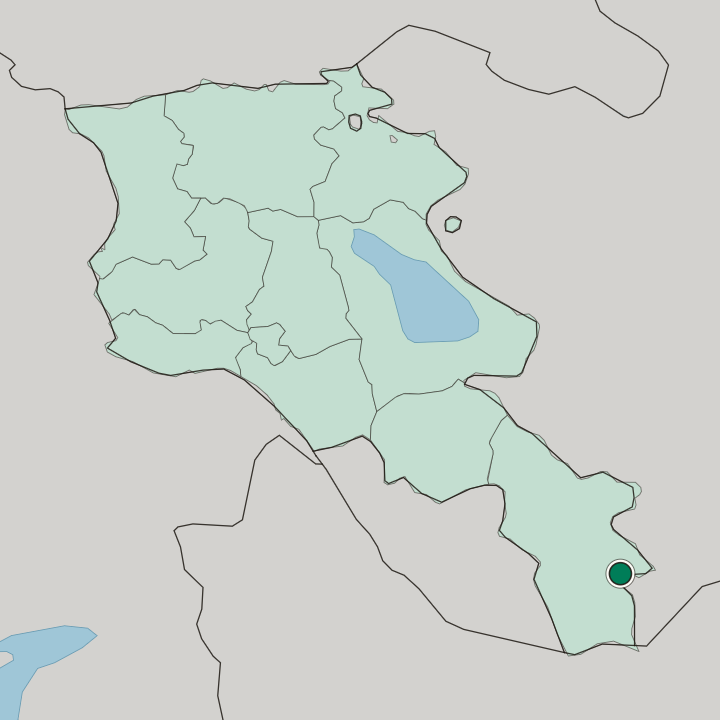
The Voghji River makes the floor of the town, and the northern slopes of Mount Khustup close the southern side, so Kapan runs long and narrow rather than spreading in every direction. The ground never levels. Syunik is Armenia's southernmost province, and Kapan is the largest town in the whole of southern Armenia, which in a province of mountain valleys says as much about the terrain as about the town.
Azerbaijan lies close to the east. Geghanush sits outside the main valley line.
What is the climate of Kapan?
Mount Khustup sets the terms. Kapan sits on the mountain's northern slopes, in a valley the Voghji River cut, and that combination of shade and enclosed ground matters more to the feel of a day here than any distance from a coast does. Height, not sea, does the work.
The valley floor and the slopes above it do not share a season exactly, so the walk up from the Voghji toward Khustup changes the air well before it changes the view.
How do you get to Kapan?
Arrival follows the Voghji. The river's valley is the only easy line through this part of Syunik, and the roads into Kapan use it because the slopes of Mount Khustup and the ridges opposite leave little else to use. The Azerbaijani border sits close on the east.
Approaches therefore come down the province from the north or up it from the south, along the valley floor, rather than across the mountains that wall Kapan in. Geghanush is reached from the same road.
Common questions
What is the best area to stay in Kapan?
The Voghji valley floor: Stays built around the Modern Art Museum of Kapan and the David Bek statue. Geghanush: Stays that trade Kapan's provincial centre for the Saint Hripsime Church side. The Khustup slopes: Stays aimed at the northern face of Mount Khustup above Kapan.
Good for
Updated October 2026