Argentina · Catamarca Province
Where to Stay in Catamarca, Catamarca Province
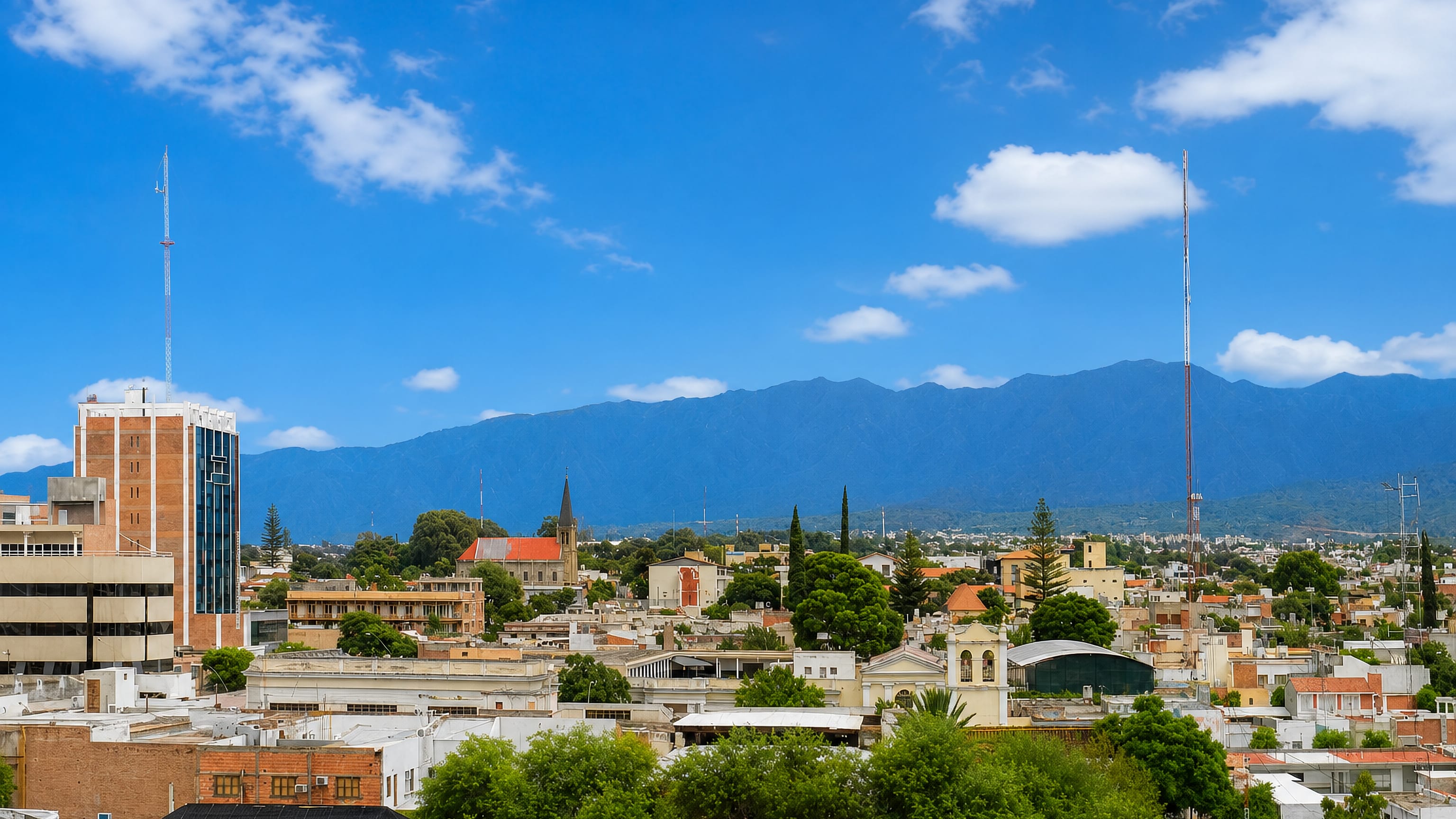
Catamarca is a city in a valley of the Andean foothills in northwest Argentina, a great shrine of the Virgin of the Valley.
Hotel links are affiliate links: booking through them may earn us a commission, at no extra cost to you. It never affects how places are ranked. How this works


Where to stay in Catamarca
Where visitors usually base themselves, and why.
In Catamarca the choice of a room begins with the colonial centre laid out around the basilica. The streets around the basilica and the main plaza keep the shrine, the shops, and the markets within a walk, and staying downtown suits anyone here for the city. The plaza fills in the cool evening.
Rooms sit near the basilica. Out toward the sierras and the newer edges, the city climbs toward the hills. A room by the edge trades the centre for cooler air, gardens, and the road up into the mountains.
The dry ranges rise past the edge. If you want the shrine and the markets, stay downtown; if you want the hills, take a room by the edge. Either choice leaves the old streets of San Fernando del Valle within easy reach.
Find hotels in Catamarca
Direct booking searches for these neighbourhoods.
The old centre
Around the basilica and main plaza within a walk of the shrine and shopsFind hotels in The old centreStays wanting cooler air and the hillsThe sierra edge
Toward the sierras with gardens and the road into the mountainsFind hotels in The sierra edgeHotel links are affiliate links: booking through them may earn us a commission, at no extra cost to you. It never affects how places are ranked. How this works
Things to do in Catamarca
Ranked by global recognition; descriptions from Wikidata (CC0).
Museums & Galleries
3- Archaeological Museum Adam Quiroga
- Laureano Brizuela Art Museum
- Provincial Museum of the National and International Poncho Festival
Churches & Religious Sites
1- Catedral Basílica de Nuestra Señora del Valle Heritage
worth knowingacross 2 categories in Catamarca
About Catamarca
Catamarca is the city of the Virgin of the Valley.
What is Catamarca known for?
It lies in a warm valley among the dry northwestern sierras, and its great basilica holds a small dark image of the Virgin that draws pilgrims from across the land, while the town is famous too for its woven ponchos and its poncho festival. The sierras rise brown around. Shrine and weaving mark the city.
What are the main landmarks in Catamarca?
The basilica crowns the heart of Catamarca. The Cathedral Basilica of Our Lady of the Valley rises over the main plaza, the emblem of the city, in the old centre. A small dark image draws the faithful.
The revered figure of the Virgin of the Valley is kept in the shrine, while the poncho museum and the old plazas mark the streets of the Andean city.
What is the history of Catamarca?
Catamarca grew as a Spanish town in a valley of the north. The Spanish laid it out in 1683 on the plain among the sierras, gathering the scattered settlers of the valley into one city, and it grew slowly as a market for the farms and the mines of the hills. One image gave the town its soul.
An old figure of the Virgin, found in the early days and kept in the valley, became the patron of the whole province, the Virgin of the Valley. The shrine drew pilgrims from far. Twice a year great crowds came to honour the Virgin, and the city built a grand basilica to hold her image, so that Catamarca became a place of pilgrimage for the whole north.
The valley kept its old crafts alive. Weavers made fine ponchos of vicuña and wool, and in time the city held a great festival of the poncho, drawing folk from across the country. The basilica still fills on the feast days.
Catamarca keeps its Virgin and its weaving in the sierras.
Where is Catamarca?
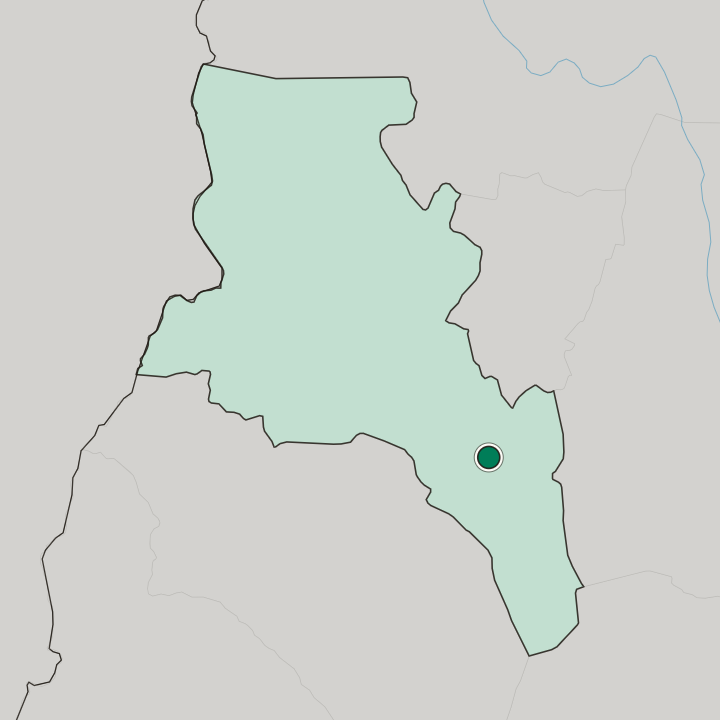
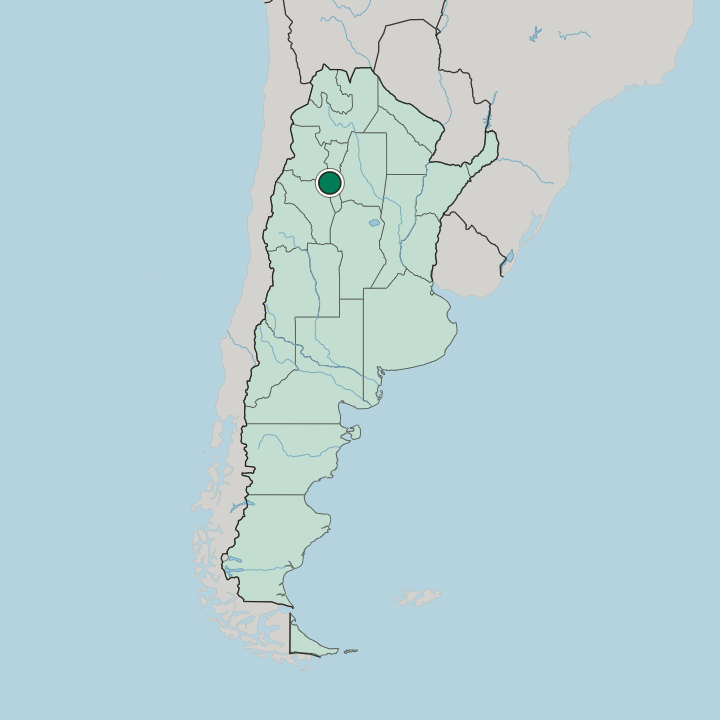
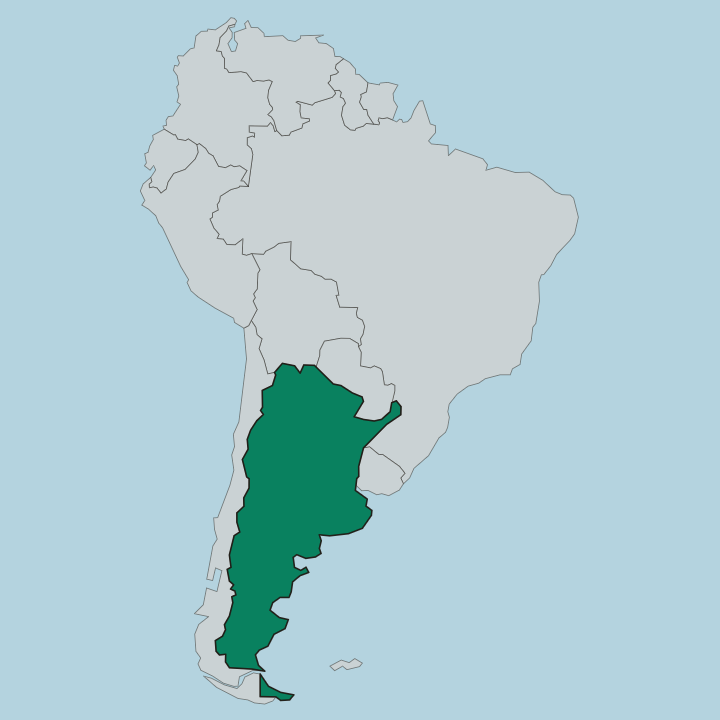
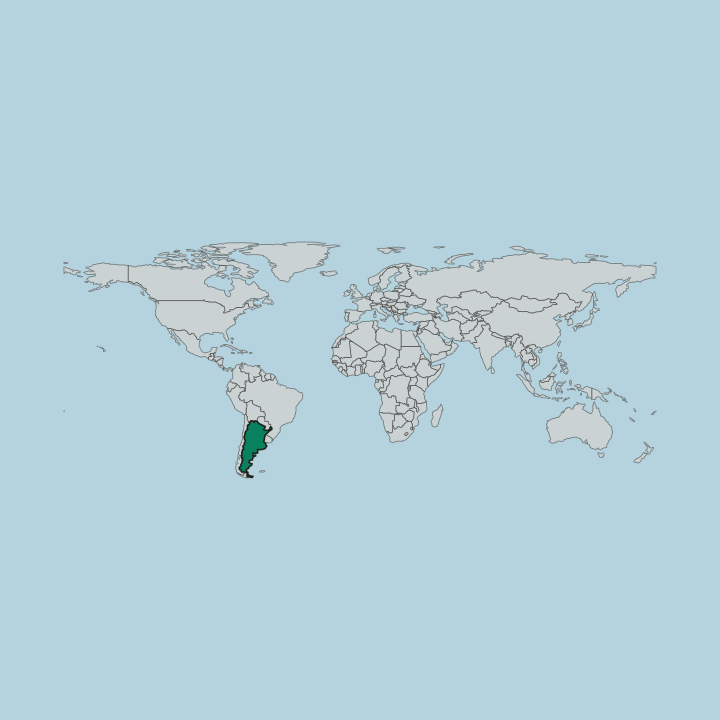
Catamarca lies in a valley of the Andean foothills in northwest Argentina. The city sits on a warm plain ringed by dry brown sierras, where streams come down from the mountains to green the valley floor, south of Tucumán. Bare ranges rise on every side.
The dry valley opens to the south.
What is the climate of Catamarca?
Catamarca has a hot, dry climate. Fierce summer heat bakes the valley, among the hottest in Argentina, and the winters stay mild and dry, with clear skies through much of the year. Dust winds blow down the valley in summer.
The mountain air cools the nights.
How do you get to Catamarca?
Catamarca lies in the northwest of Argentina, south of Tucumán. Roads run to it over the plains from Tucumán and La Rioja, and an airport links the city to Buenos Aires, while mountain roads climb west into the Andes. Provincial buses fan out to the valley towns of Catamarca.
Most arrive by road from Tucumán.
Common questions
What is the best area to stay in Catamarca?
The old centre: Visitors here for the basilica, shrine, and markets. The sierra edge: Stays wanting cooler air and the hills.
Good for
Updated September 2026