Argentina
Catamarca Province, Argentina — Towns & Travel Guide
Catamarca is Argentina's high northwestern province, where the Andes climb from dry valleys to the puna and the volcano Ojos del Salado.
Hotel links are affiliate links: booking through them may earn us a commission, at no extra cost to you. It never affects how places are ranked. How this works


Towns & cities in Catamarca Province
One town here has its own guide — it links to where to stay.

 Argentina
Catamarca
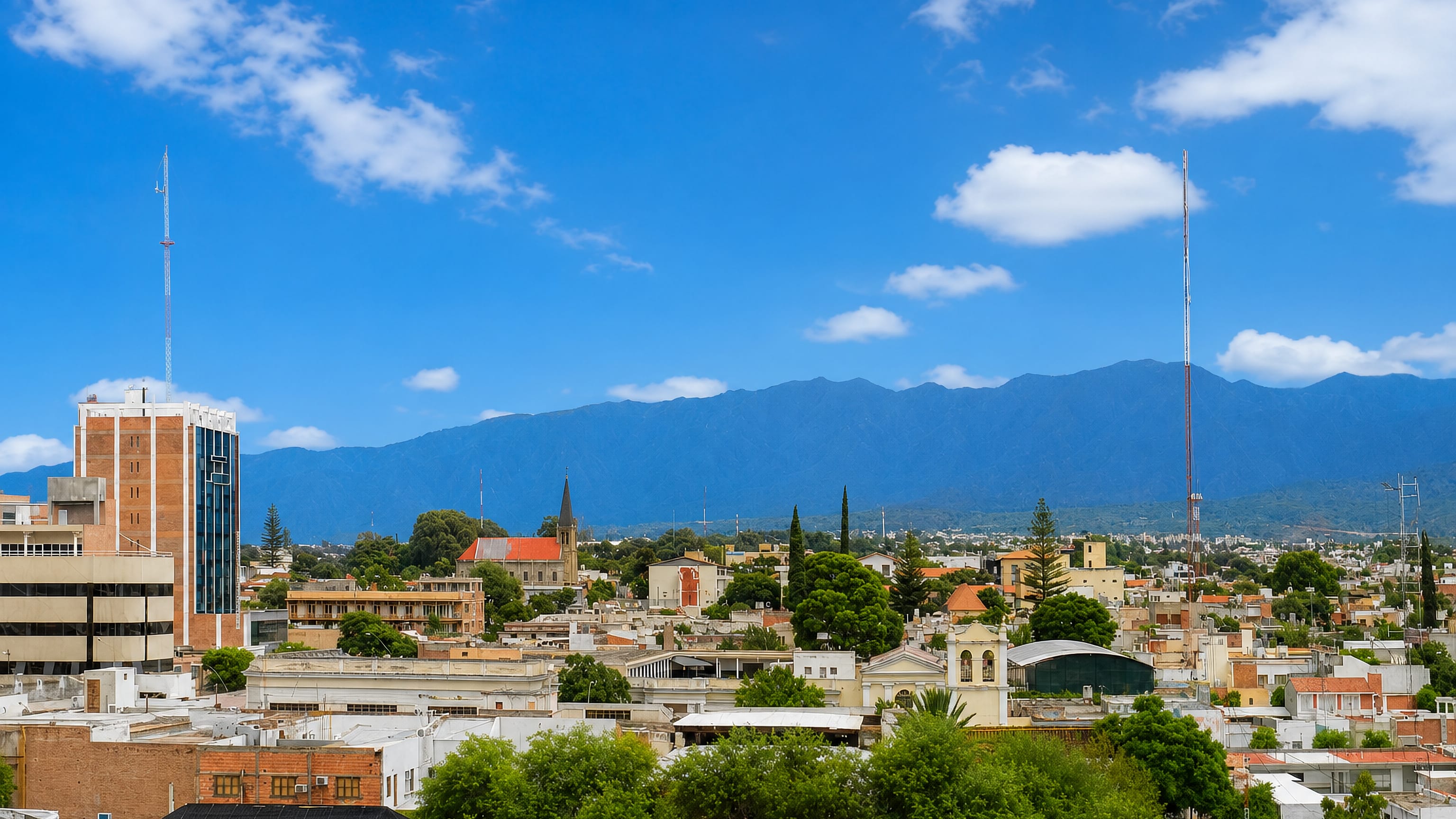
Catamarca is a city in a valley of the Andean foothills in northwest Argentina, a great shrine of the Virgin of the Valley.Where to stay →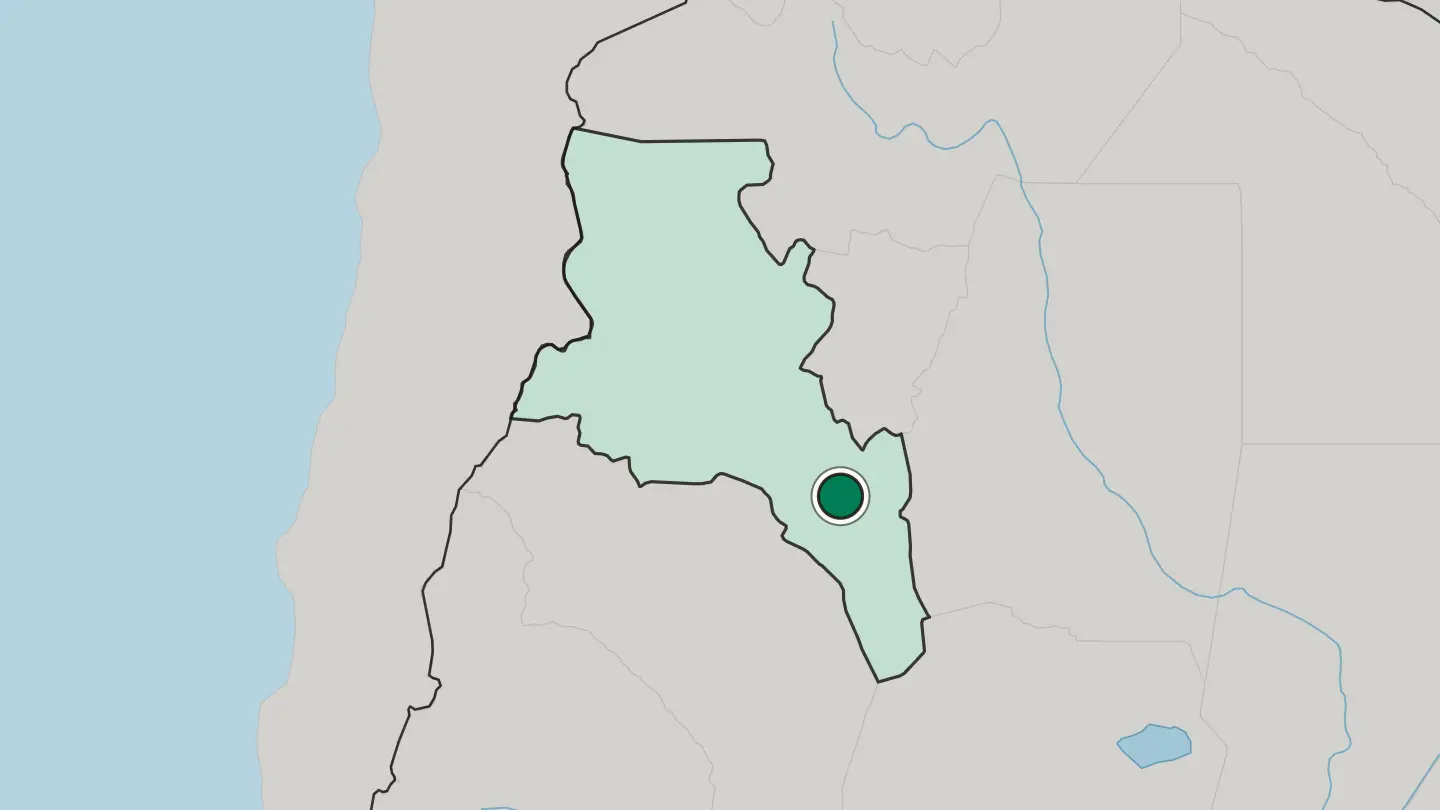
Hotel links are affiliate links: booking through them may earn us a commission, at no extra cost to you. It never affects how places are ranked. How this works
About Catamarca Province
Mountains define almost all of Catamarca.
What is Catamarca Province known for?
Roughly four-fifths of the province is folded into ranges, from the Pampean sierras in the east to the Puna de Atacama in the northwest, where cold desert basins sit above the tree line. The Andes wall off the western edge, and the border with Chile runs along the highest crests, including Ojos del Salado. Most of the province's people live in one green valley, in and around the capital, San Fernando del Valle de Catamarca.
The rest is thinly held. Beyond that valley lie irrigated walnut groves and high vineyards, the weaving towns of the west, and long empty roads that thread the desert between them.
Where is Catamarca Province?
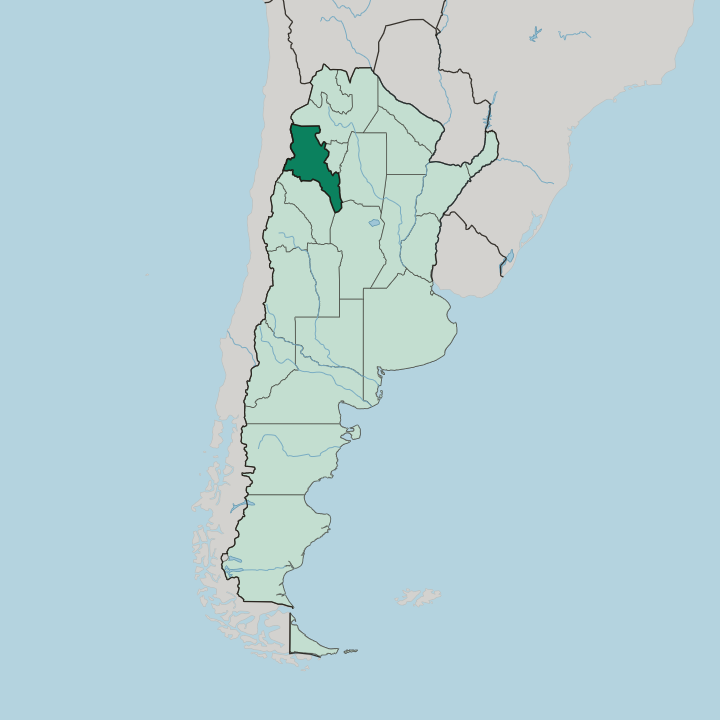
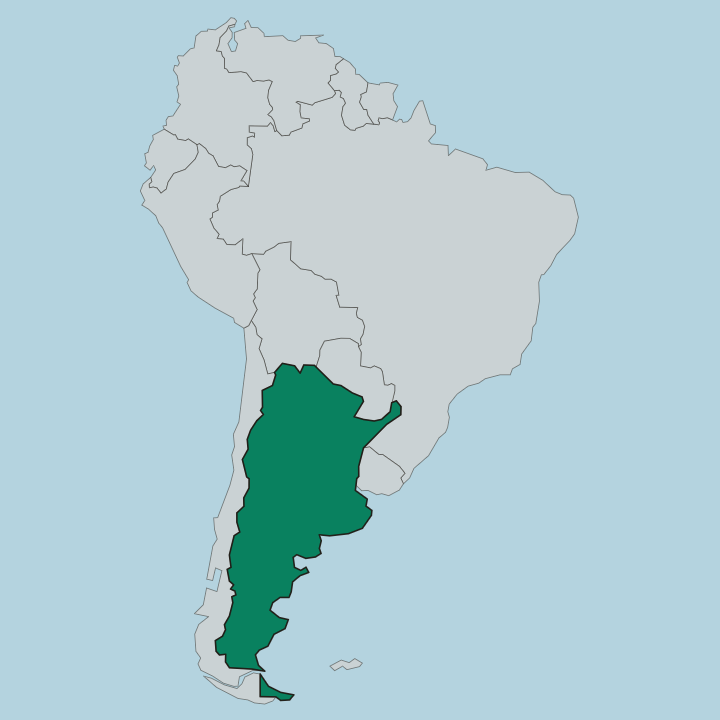
Catamarca sits in the northwest of Argentina, wedged between the plains to the east and the Andes to the west. Five provinces ring it. Salta and Tucumán lie to the north, Santiago del Estero and Córdoba to the east, and La Rioja to the south.
The western frontier is the Andes themselves, and along their crest runs the border with Chile. Almost the whole province is mountainous. Geographers split the relief into four systems: the Pampean sierras through the east and centre, the Narváez-Famatina ranges in the west, a cordilleran transition zone at the far western edge, and the Puna de Atacama spreading across the northwest.
That puna is a cold, dry high plateau of salt flats and volcanic cones, and Antofagasta de la Sierra is the lonely town that anchors it. Ojos del Salado rises on the Chilean line at the province's western extreme, the tallest volcano on Earth. Between the ranges lie the warm valleys where people actually live.
The capital sits in one such valley, on the Río del Valle beneath Cerro Ambato, and Belén, Andalgalá, Tinogasta, and Santa María hold the others. Water is the whole story here. Rivers born in the snowmelt feed the vineyards and walnut groves, and where they run dry the desert takes over completely.
What is Catamarca Province like?
The loom is Catamarca's signature. Weaving on backstrap and pedal looms goes back to the Diaguita who farmed these valleys long before the Spanish came, and the province has carried the craft into its own festival. Each July the capital fills for the Fiesta Nacional e Internacional del Poncho, born in 1967 and now the biggest winter celebration in the region.
Artisans bring ponchos, blankets, and knitted alpaca goods, and the fairground runs for ten days of music, folk dance, and northern cooking. The opening rite is religious as much as artistic. The province's patron is the Virgen del Valle, and her image leads the festival in.
Faith and craft sit close together here. The Diaguita and Calchaquí left terraced fields, irrigation canals, and painted pottery across the western valleys, and the Inca left El Shincal, a stone administrative centre near Londres on the old royal road. Spanish is the everyday language.
What holds it all together is the land itself, dry and vertical, which taught people to weave wool, grow walnuts and olives, and make wine in the thin mountain air.
What is the history of Catamarca Province?
Indigenous peoples came first. The Diaguita and their fierce Calchaquí branch held these valleys for centuries, resisting first the Inca and then the Spanish crown that pushed down from Peru. Fernando de Mendoza Mate de Luna founded the capital, San Fernando del Valle de Catamarca, in 1683, after earlier Spanish towns in the same valley had been abandoned.
For a long time the region was governed from Tucumán. Catamarca broke away in 1821, becoming a province in its own right and drawing the boundaries it has kept ever since.
What is the climate of Catamarca Province?
Catamarca is dry, and gets drier the further west you go. The intermontane valleys are semi-arid, with hot days, sharp night-time cooling, and rain that mostly falls in the summer. Across the province precipitation runs only around 400 to 500 mm a year, and it thins to almost nothing over the Puna de Atacama, where the high desert can freeze hard at night while the sun burns by day.
The eastern hills catch more cloud. Altitude, not season, sets the weather here.
How do you get to Catamarca Province?
Most visitors reach Catamarca through its capital. San Fernando del Valle de Catamarca has the province's airport and daily flights from Buenos Aires, more than a thousand kilometres to the southeast. From there it is all roads.
Ruta Nacional 40 carries travellers north up the western valleys toward Belén and Fiambalá, and other routes climb east over the sierras or west into the puna toward the Chilean border. The mountain drives are long and the fuel stops are far apart.
Common questions
What is the best area to stay in Catamarca Province?
San Fernando del Valle de Catamarca: a first visit to Catamarca. Belén: poncho and textile country. Fiambalá: high-Andes climbing and hot springs.
Good for
More regions in Argentina
Updated September 2026