Argentina · Córdoba Province
Where to Stay in Córdoba, Córdoba Province
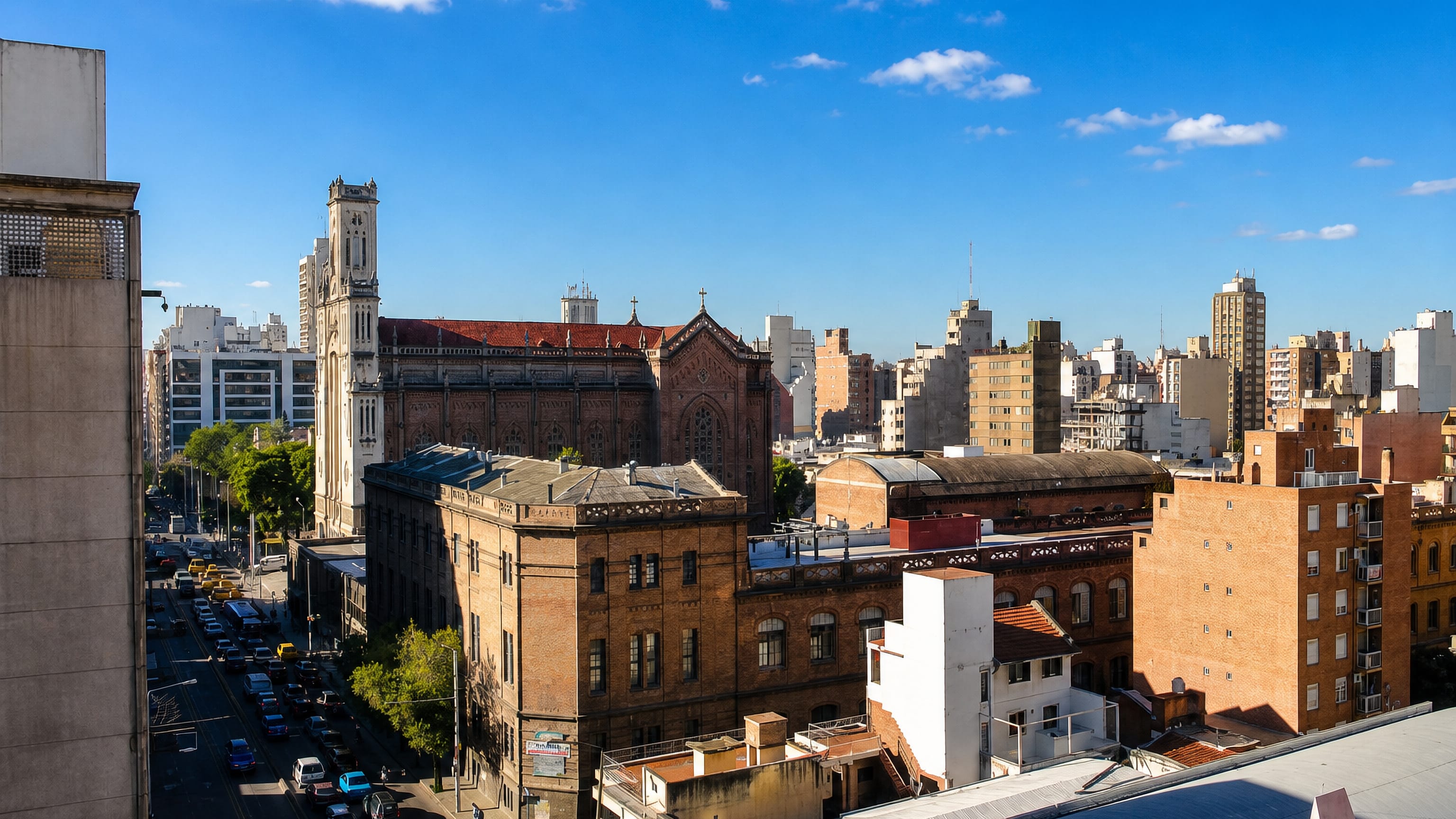
Colonial towers rise over Cordoba, Argentina's second-largest city and capital of Cordoba Province, known for its Jesuit crypt and old university quarter.
Hotel links are affiliate links: booking through them may earn us a commission, at no extra cost to you. It never affects how places are ranked. How this works


Where to stay in Córdoba
The practical side of choosing where to sleep.
Cordoba concentrates its lodging in and around the colonial core, so where you stay turns on how close to the old churches you want to be. The blocks by the Cordoba Cathedral and the Cripta Jesuitica form the historic heart, dense with plazas and the towers of the early city. It is the natural first base.
A short walk north, the university quarter along the Calle Trejo trades the cathedral crowds for the student streets and cafes that grew around the old colleges. Students set the tone there. For the churches, stay central.
The zone near the Provincial Museum of Fine Arts Emilio A. Caraffa and the parkland holds the museums and green space away from the busy core. Farther out, the Basilica Nuestra Senora de la Merced and the quieter parish streets suit travellers who want calm within reach of the centre. The pick comes down to churches, campus, or parkland.
Find hotels in Córdoba
Direct booking searches for these neighbourhoods.
Cathedral core
The blocks by the Cordoba Cathedral and the Cripta Jesuitica form the dense historic heart of colonial Cordoba.Find hotels in Cathedral coreStudent streets along the old collegesUniversity quarter
The Calle Trejo of the university quarter carries the cafes and student life that grew around the old Cordoba colleges.Find hotels in University quarterHotel links are affiliate links: booking through them may earn us a commission, at no extra cost to you. It never affects how places are ranked. How this works
Things to do in Córdoba
Ranked by global recognition; descriptions from Wikidata (CC0).
Museums & Galleries
3- Evita Fine Arts Museum
- Provincial Museum of Fine Arts Emilio A. Caraffa
- Cripta Jesuítica Córdoba
Churches & Religious Sites
3- Córdoba Cathedral, Argentina Heritage
- Iglesia de los Capuchinos
- Basílica Nuestra Señora de la Merced
Castles & Historic Sites
3- Iglesia Santa Teresa de Jesús
- BARRANCA BERMEJO
- BARRANCAS DEL ANTIGUO TIRO SUIZO
Landmarks & Notable Places
1- Torre Ángela
worth knowingacross 4 categories in Córdoba
About Córdoba
Cordoba is known for its colonial and university heritage.
What is Córdoba known for?
It is the second-largest city in Argentina and the capital of Cordoba Province, distinct from the older Cordoba in Spain that shares the name. The Jesuit legacy runs deep, from the Cripta Jesuitica hidden below the streets to the Calle Trejo of the old university quarter. Churches crowd the historic core.
The Cordoba Cathedral crowns them.
What are the main landmarks in Córdoba?
Cordoba packs its landmarks into the colonial centre. The Cordoba Cathedral stands over the main plaza as the oldest in continuous service in the country. Below the streets nearby, the Cripta Jesuitica preserves a Jesuit crypt lost for generations and rediscovered by chance.
Faith built much of the map. The Basilica Nuestra Senora de la Merced and the Iglesia de los Capuchinos add their towers, while the Provincial Museum of Fine Arts Emilio A. Caraffa holds the city's art beyond the churches.
What is the history of Córdoba?
Cordoba was founded in 1573 by Spanish colonists on the inland plain, named for the Cordoba of Andalusia in Spain. It grew as a colonial administrative and religious centre, the seat of a bishopric and, before long, of one of the oldest universities in the Americas. The Jesuits shaped it.
Their colleges, churches, and the crypt now called the Cripta Jesuitica gave the young city an intellectual weight that spread far beyond the surrounding province. The Cordoba Cathedral rose slowly over the central plaza across the colonial centuries, its towers marking the skyline of the old town. When the Jesuits were expelled, their block passed to other orders and the university carried on.
The city later became the capital of Cordoba Province and the second-largest in Argentina. Its churches, its museums, and the university street of the Calle Trejo still trace the colonial and Jesuit past that set Cordoba apart from its newer neighbours on the plain.
Where is Córdoba?
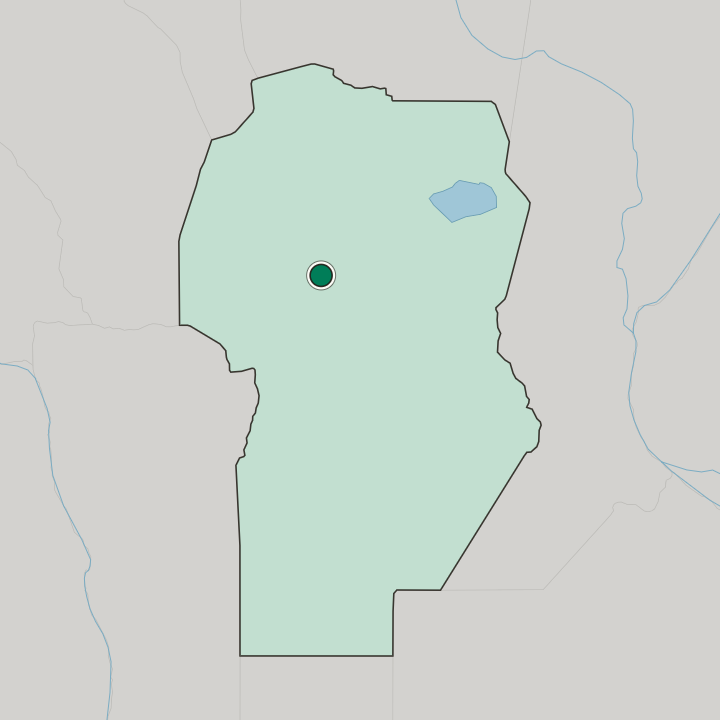
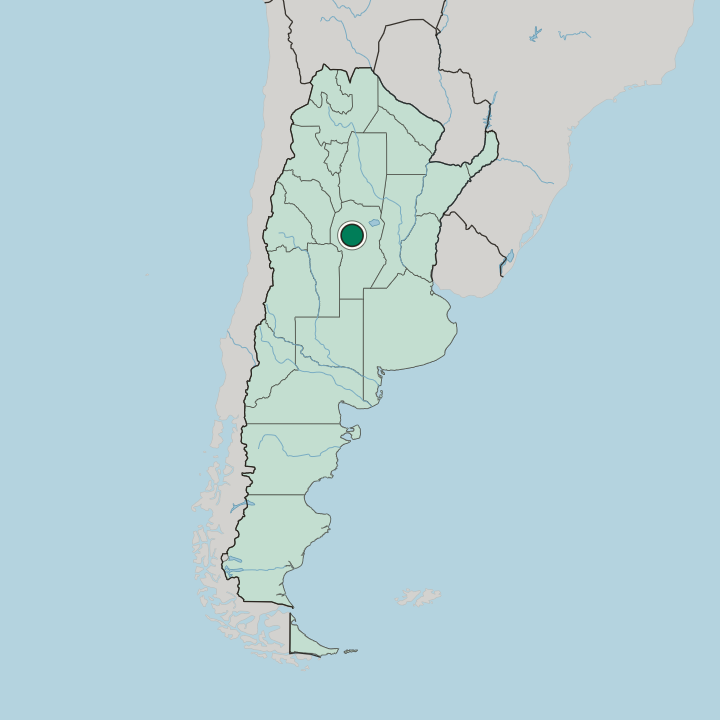
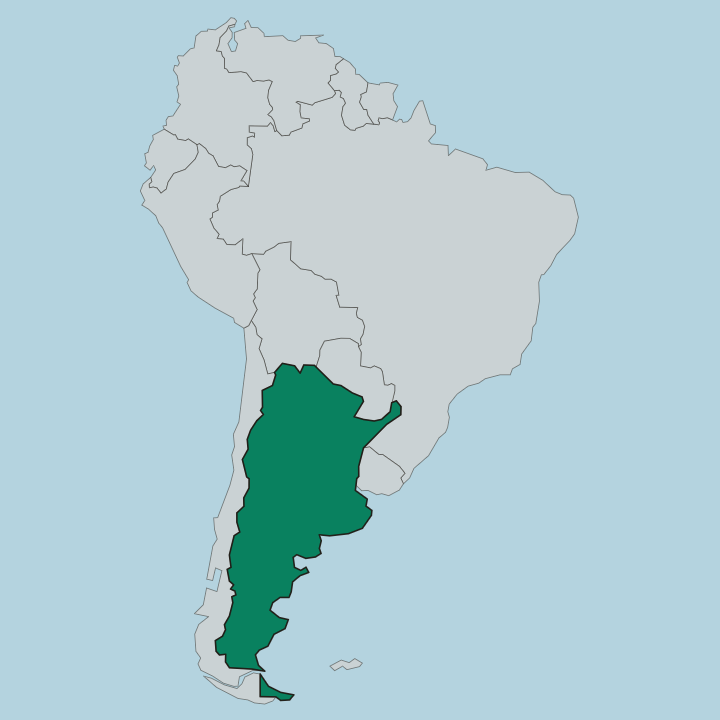
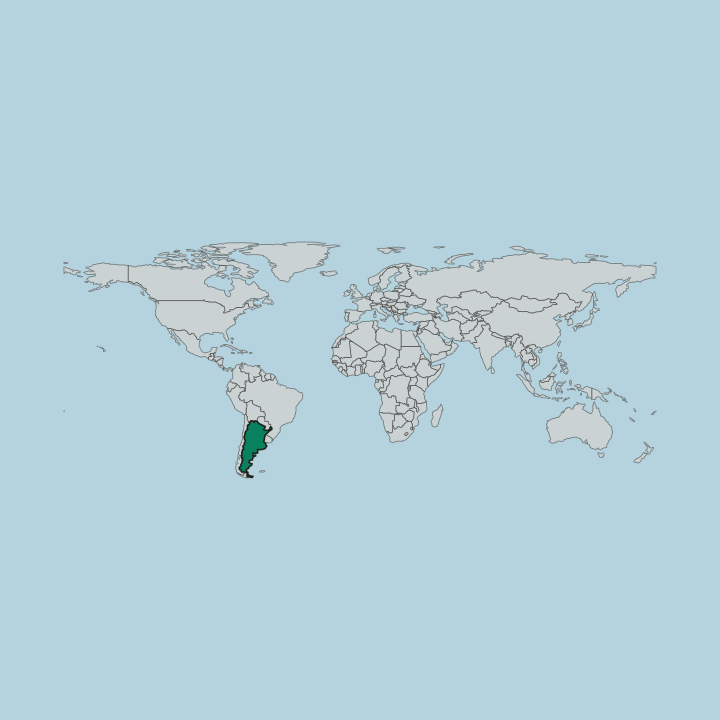
Cordoba sits on the inland plain at the centre of Argentina, capital of Cordoba Province. The land is gently rolling, opening onto the flat pampa to the east and rising toward higher ground to the west. A shallow valley cradles the old colonial core.
Cordoba stands well inland and north-west of the city of Buenos Aires, the largest city of the country's interior away from the Atlantic coast.
What is the climate of Córdoba?
Cordoba has a mild subtropical climate tempered by its place inland on the plain. Summers are warm, with afternoon storms that build over the higher ground to the west and roll across the city in the heat. Winters stay dry and cool.
Frost can touch the coldest mornings while snow is rare, and most of the rain falls in the warm months rather than through a long wet season, leaving the plain around Cordoba dry and bright for much of the year.
How do you get to Córdoba?
Cordoba sits at the road and rail crossroads of the Argentine interior. Its airport is among the busiest outside the capital, linking the city to the rest of the country and beyond, while long-distance buses fan out across the plain in every direction. Highways meet here from all sides.
The old rail lines still reach the centre. Once in Cordoba, the compact colonial core makes the Cordoba Cathedral, the Cripta Jesuitica, and the Calle Trejo easy to reach on foot within a few blocks.
Common questions
What is the best area to stay in Córdoba?
Cathedral core: First stay among the colonial churches. University quarter: Student streets along the old colleges.
Good for
More cities in Córdoba Province
Updated September 2026