Argentina
Córdoba Province, Argentina — Towns & Travel Guide
Córdoba Province sits at the centre of Argentina, where the flat pampas rise into the granite Sierras de Córdoba.
Hotel links are affiliate links: booking through them may earn us a commission, at no extra cost to you. It never affects how places are ranked. How this works


Towns & cities in Córdoba Province
Pick a town or city — each links to where to stay.
 Argentina
Córdoba
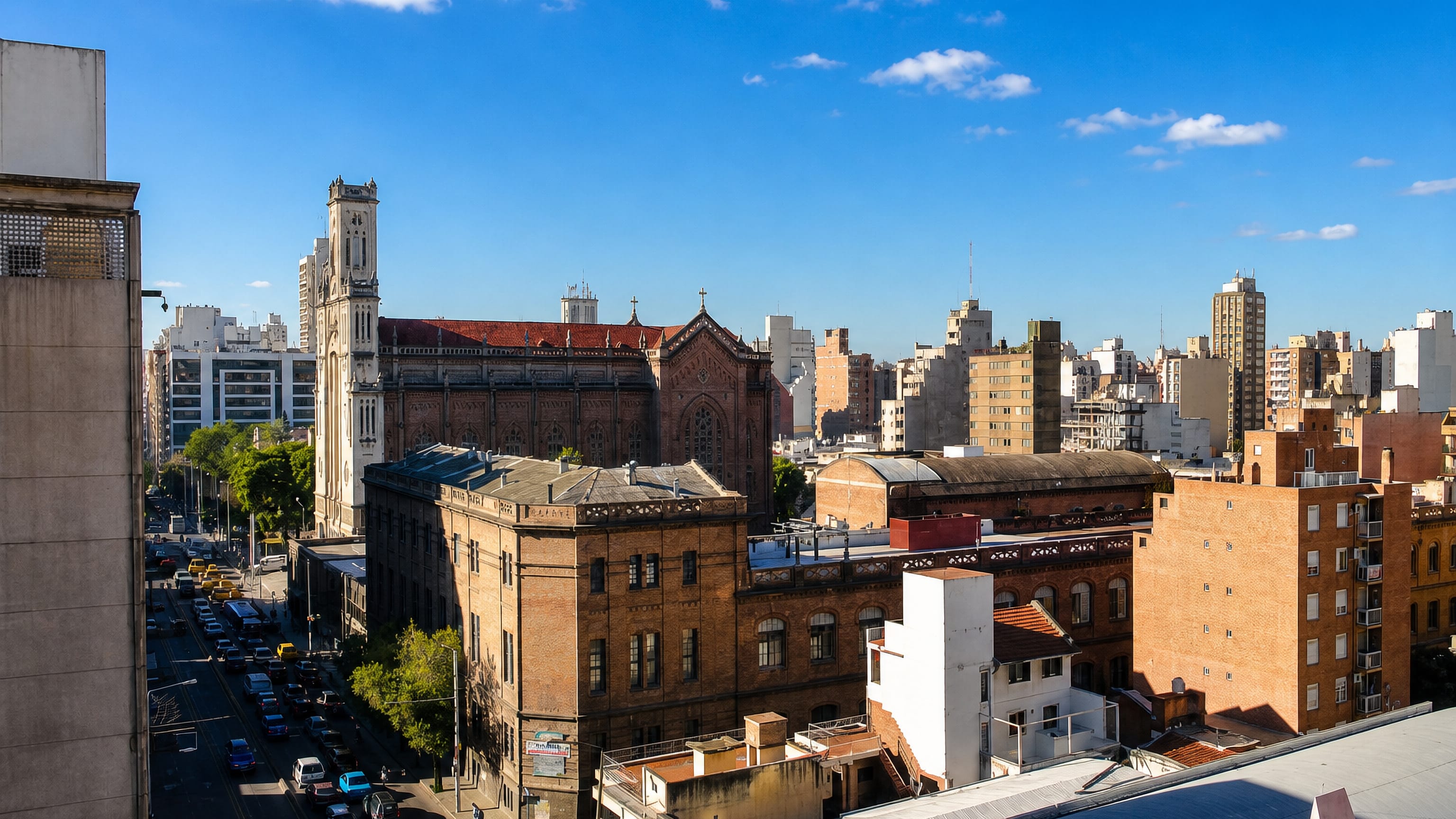
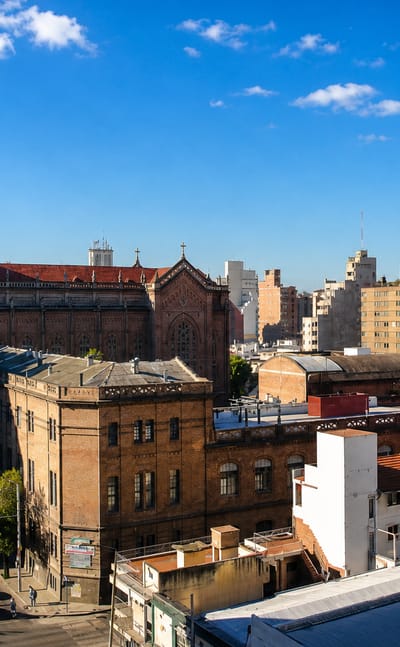
Colonial towers rise over Cordoba, Argentina's second-largest city and capital of Cordoba Province, known for its Jesuit crypt and old university quarter.Where to stay →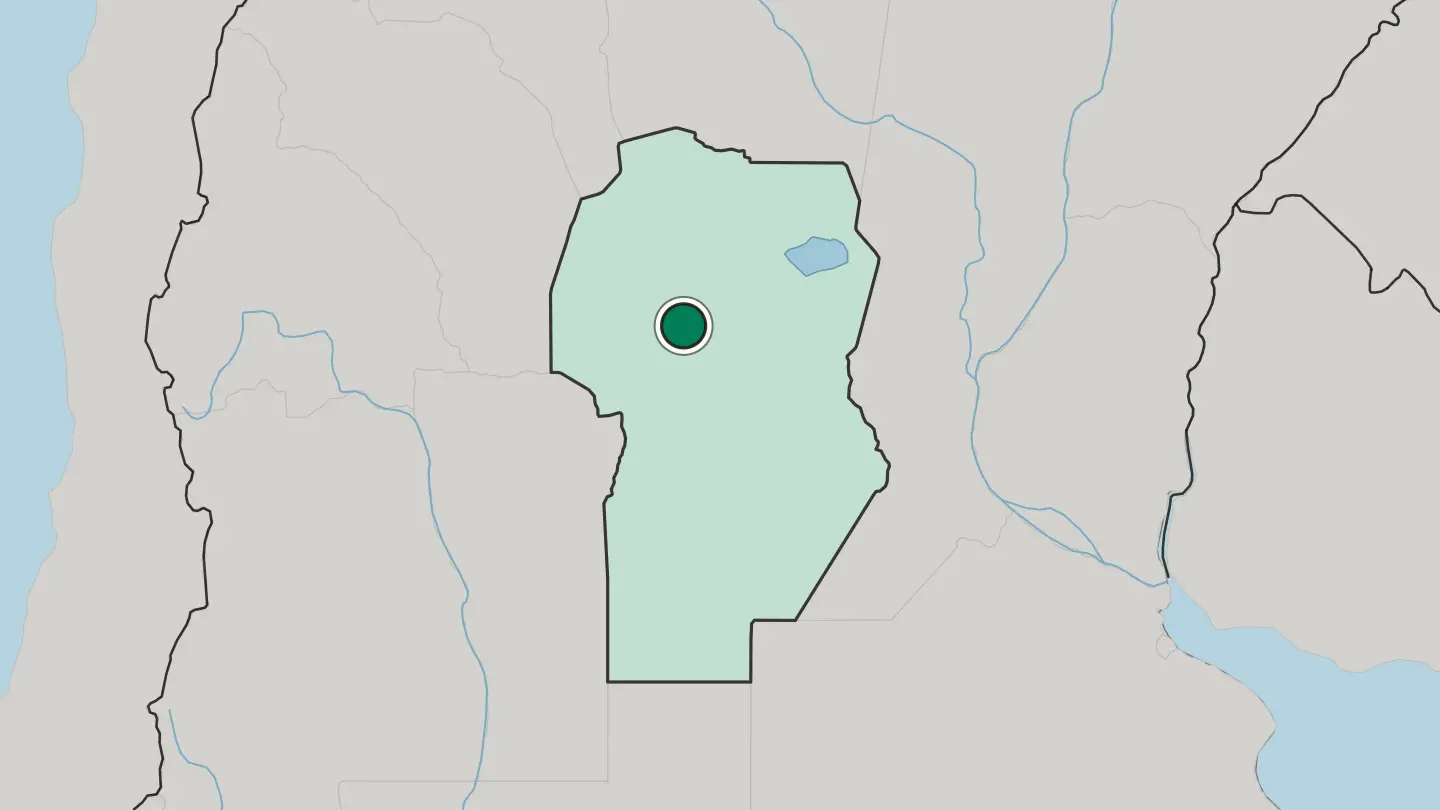
 Argentina
Río Cuarto
Río Cuarto, founded in 1786 in the south of Córdoba Province, works as a commercial and agricultural hub for the country around it.Where to stay →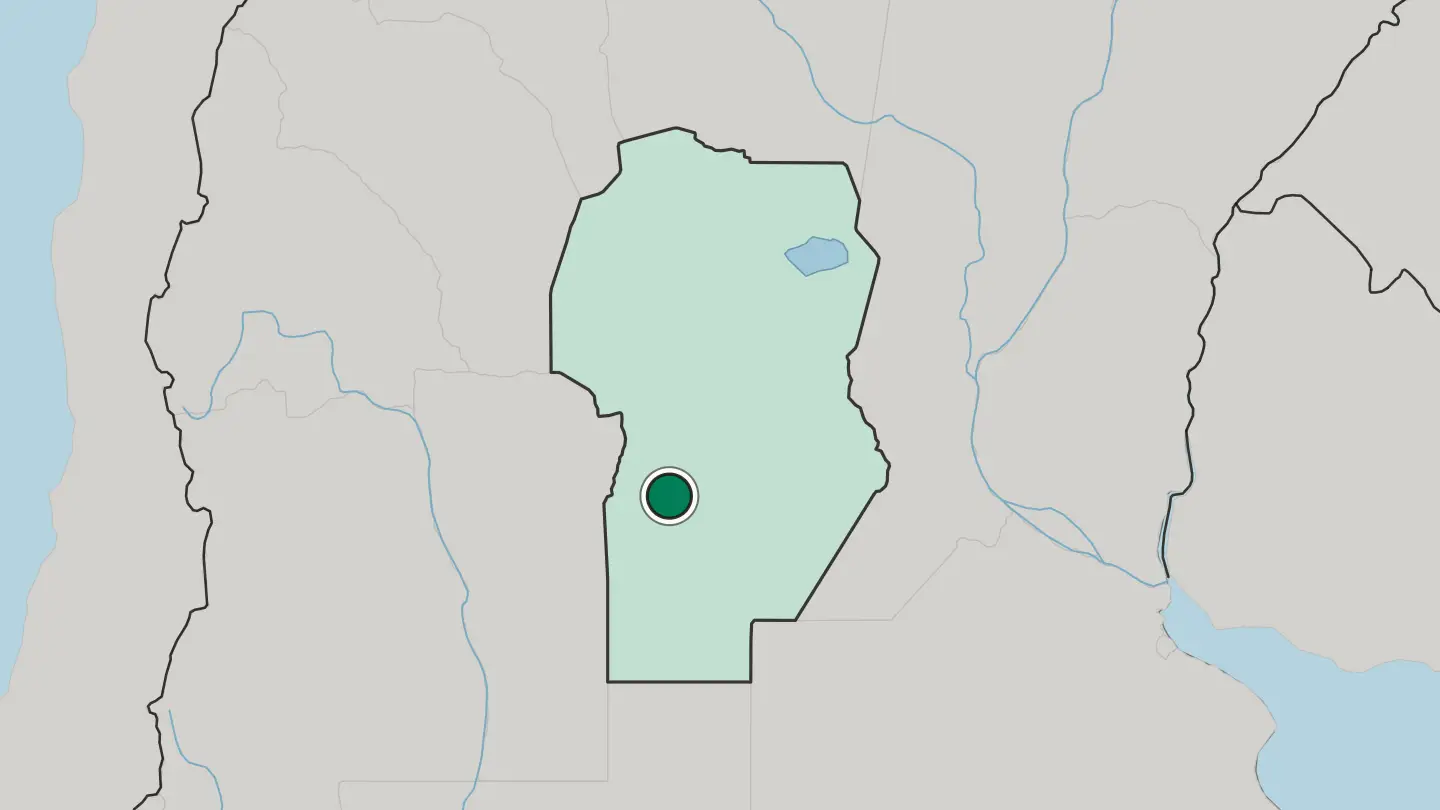
 Argentina
Villa María
Villa María is a city of Córdoba Province, head town of the General San Martín Department, ringed by the farmland that leads Argentina in milk.Where to stay →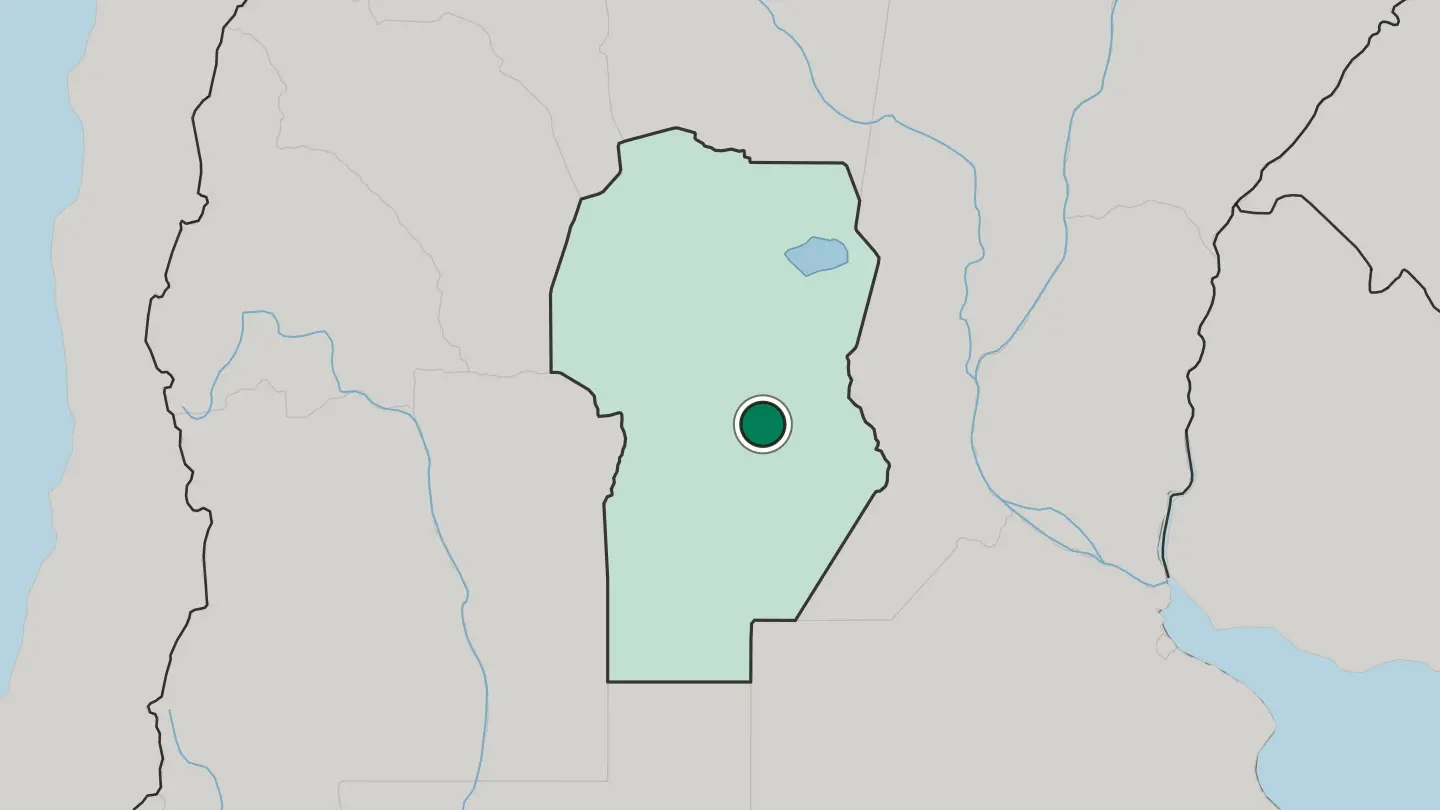
 Argentina
Villa Carlos Paz
Villa Carlos Paz sits in the south of the Punilla Valley, on the western slope of the Sierras Chicas, and is Córdoba Province's main tourist town.Where to stay →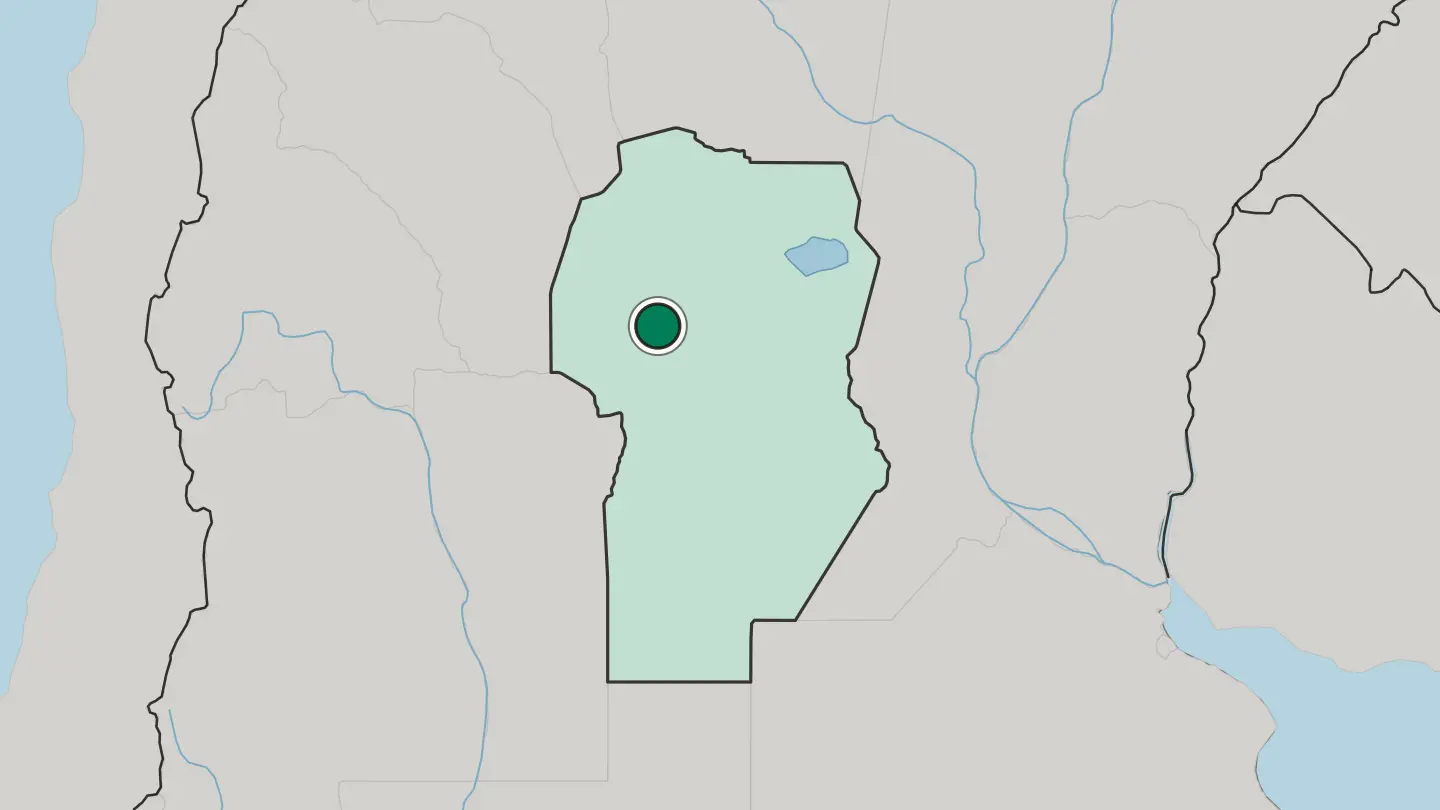 Argentina
San Francisco
San Francisco is a city of Córdoba Province where National Routes 19 and 158 cross, its outer parts reaching over the line into Santa Fe.Where to stay →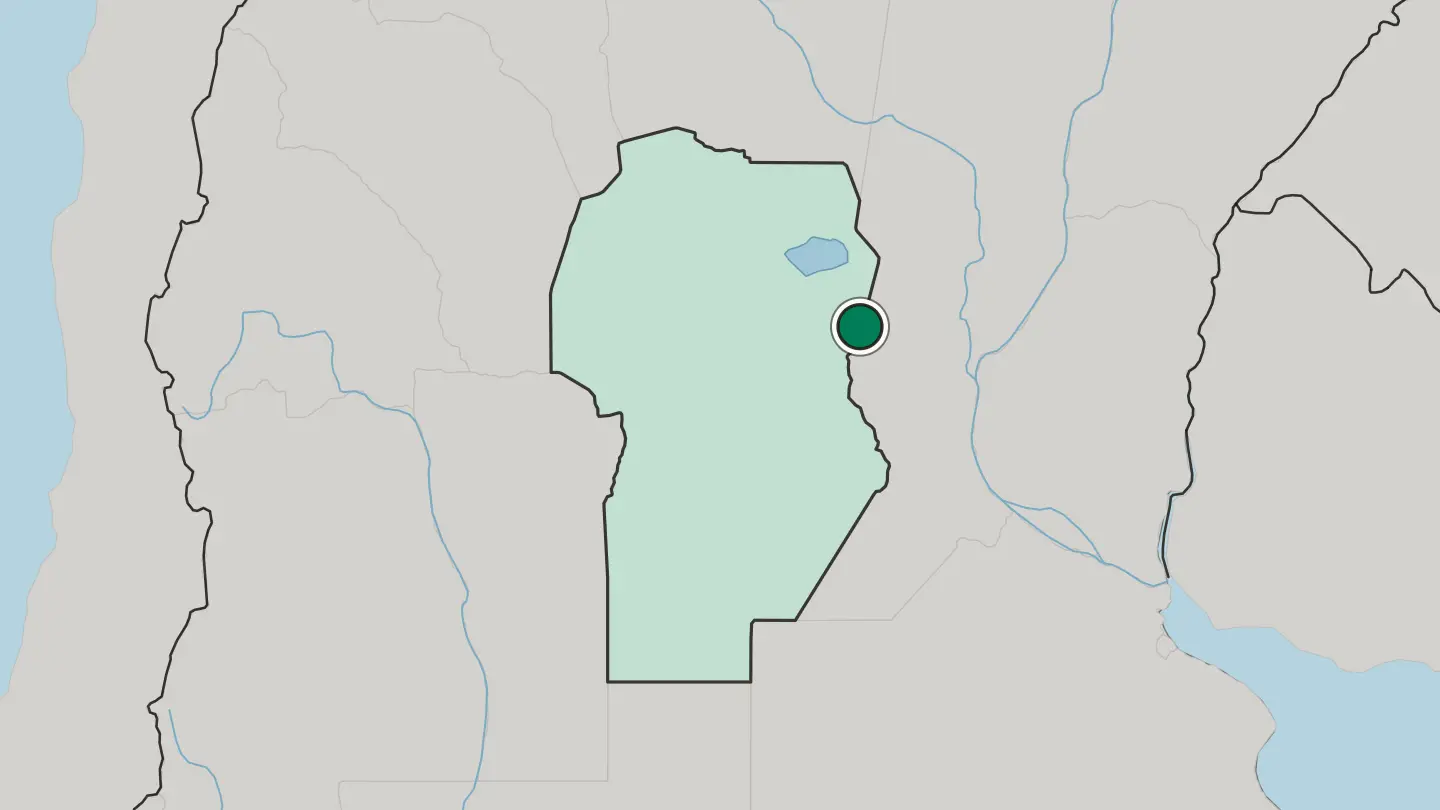
Hotel links are affiliate links: booking through them may earn us a commission, at no extra cost to you. It never affects how places are ranked. How this works
About Córdoba Province
Two things define Córdoba Province: mountains and heritage.
What is Córdoba Province known for?
The Sierras de Córdoba break the pampas with granite ridges, and their valleys hold the resort towns most Argentines think of when they picture a mountain holiday. The city of Córdoba anchors it all as the provincial capital, second only to Buenos Aires in size. It carries the country's oldest university, opened by the Jesuits in 1613.
Cuarteto music was born in its dance halls.
Where is Córdoba Province?
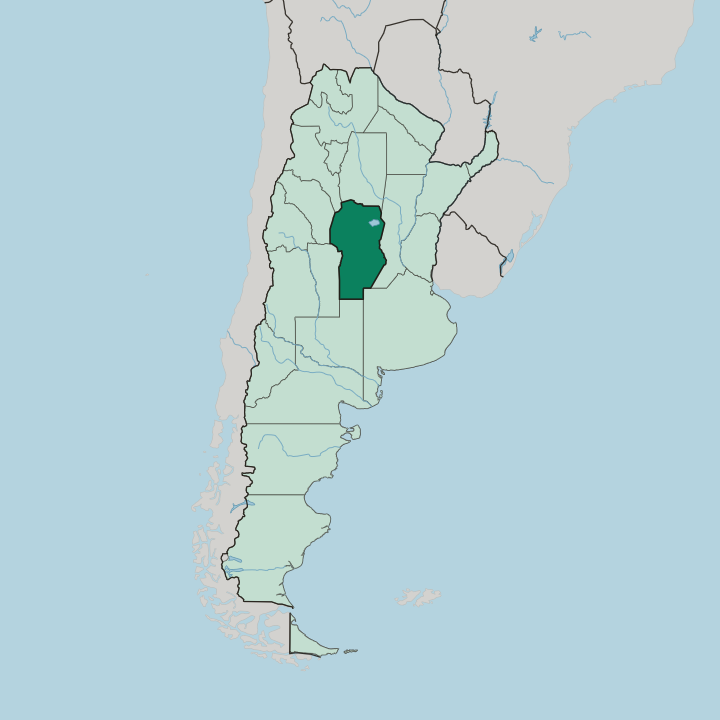
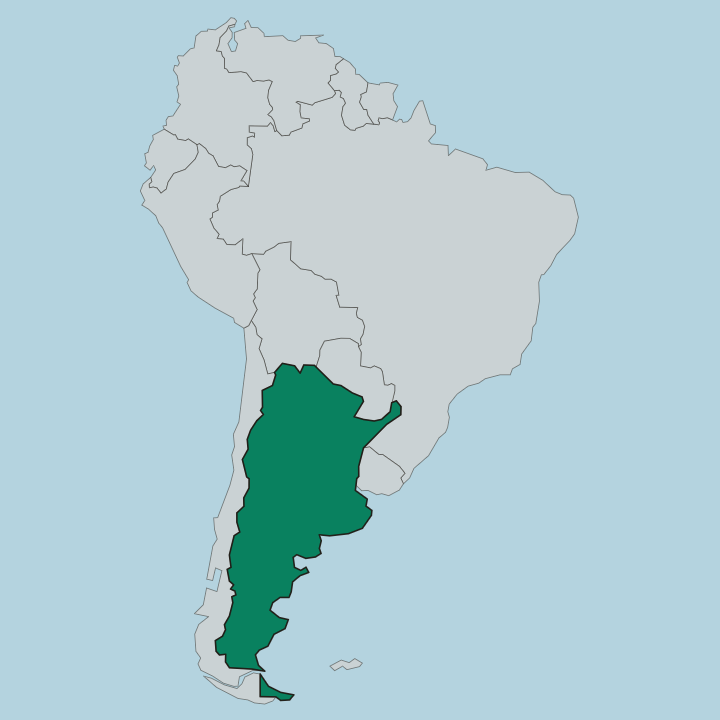
Córdoba Province sits just north of the geographic centre of Argentina, the country's fifth-largest province at roughly 165,321 square kilometres. Its eastern two-thirds are flat pampas, an open plain of farmland that runs east toward Santa Fe and the Paraná. The character changes in the west.
There the Sierras de Córdoba rise out of the plain in three long granite ranges, the tallest of them the Sierras Grandes, crowned by Cerro Champaquí at 2,770 metres. Between those ranges lie the two valleys that draw most visitors. The Punilla valley runs north from the capital, and the Calamuchita valley opens to the south.
Rivers born in the sierras feed both. The Río Suquía flows down through the city of Córdoba itself, gathering the runoff of the high ground before it crosses the plain. Far to the north-east the land dips into Mar Chiquita, a vast salt lake with no outlet to the sea.
Water gathers there and evaporates. The province has no coast and no border with another country, landlocked in the middle of Argentina, and it is that pairing of tableland and mountain that shapes everything about it.
What is Córdoba Province like?
Córdoba is a student province. The National University of Córdoba, opened in 1613, is the oldest in Argentina, and generations of undergraduates have given the capital a young, restless temper that the rest of the province feeds off. Music runs through all of it.
Cuarteto was born in the dance halls of Córdoba city, a fast four-beat rhythm that blends criollo styles with the accordions and pianos of European immigrants, and on a weekend night the bailes still fill with dancers moving in circles to it. The mountains have their own sound. Every January the town of Cosquín, up in the Punilla valley, hosts the country's largest folk festival, drawing folk and gaucho musicians from across Argentina to nine nights of song on its open-air stage.
Beneath the modern city sits the Jesuit past. Estancias the order left behind, at Alta Gracia and elsewhere, are working reminders of the century when Córdoba was the intellectual capital of the Spanish interior. Spanish is the local speech, carried with the singsong tonada that marks a cordobés the moment they open their mouth.
Between the lecture halls, the dance floors, and the old stone churches, the province holds a lot at once.
What is the history of Córdoba Province?
Jerónimo Luis de Cabrera founded the city of Córdoba on 6 July 1573, planting a Spanish settlement between the coastal ports and the interior. Its position made it rich. By the end of the 17th century it was the wealthiest city of the Tucumán region, and the Jesuits had made it a centre of learning, opening the country's first university and running a ring of rural estancias that funded the schools.
Those estancias and the urban Jesuit Block became a UNESCO World Heritage Site in 2000. The province grew outward from that colonial core.
What is the climate of Córdoba Province?
Córdoba has a temperate climate with a marked wet season. Summers are hot. Days run warm and nights cool, and the rain falls then, in storms that break over the sierras from late spring through autumn.
Winters are dry and mild, with clear skies over the pampas and frost in the higher valleys. Altitude does much of the work here: the resort towns of the Punilla and Calamuchita valleys stay fresher than the plain below, which is why Argentines have long climbed into the Sierras de Córdoba to escape the summer heat.
How do you get to Córdoba Province?
Most arrive through the capital. Its Ambrosio Taravella International Airport, north of the centre at Pajas Blancas, is the main gateway, with frequent flights from Buenos Aires and direct links to several South American capitals and Madrid. The province is landlocked in central Argentina, so overland routes matter too.
Long-distance buses and the national highways converge on the city of Córdoba from Buenos Aires and Rosario in the east. From there, roads climb west into the Punilla and Calamuchita valleys and the resort towns of the sierras.
Common questions
What is the best area to stay in Córdoba Province?
Córdoba city: the Jesuit Block and city museums. Villa Carlos Paz: lakeside Punilla nightlife. Alta Gracia: the southern Jesuit estancias.
Good for
More regions in Argentina
Updated September 2026