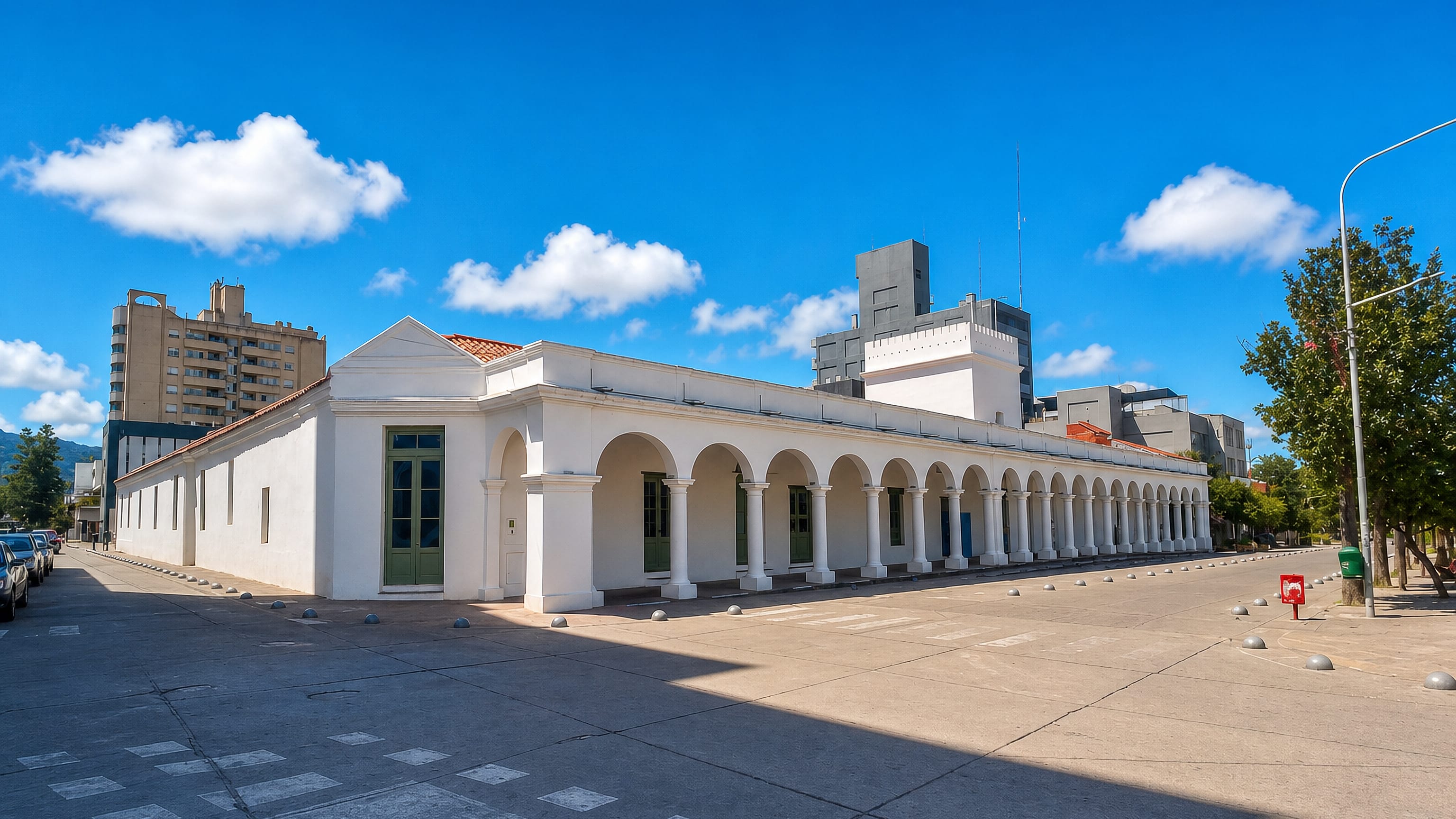
Argentina · Jujuy Province
Where to Stay in San Salvador de Jujuy, Jujuy Province
San Salvador de Jujuy is the capital of Jujuy in the far northwest of Argentina, a valley city below the coloured Andean gorge.
Hotel links are affiliate links: booking through them may earn us a commission, at no extra cost to you. It never affects how places are ranked. How this works


Where to stay in San Salvador de Jujuy
How the choice of base plays out on the ground.
Where you stay in Jujuy turns on the centre. The streets around the main plaza and the cathedral keep the shops, the markets, and the museums within a walk, and staying downtown suits anyone here for the city. The plaza fills in the cool evening.
Hotels here gather a block or two off the main plaza. Up the valley toward the Quebrada, the towns climb into the coloured hills. A room up the gorge trades the city for the painted mountains, the Andean villages, and the clear high air.
The dry peaks rise past the edge. If you want the city, stay in the centre; if you want the gorge, take a room up the valley. Either way, the mountains are close at hand.
Find hotels in San Salvador de Jujuy
Direct booking searches for these neighbourhoods.
The centre
Around the main plaza and the cathedral, within a walk of the museumsFind hotels in The centreStays wanting the Quebrada and the painted hillsUp the gorge
Up the valley toward the Quebrada de Humahuaca and the Andean villagesFind hotels in Up the gorgeHotel links are affiliate links: booking through them may earn us a commission, at no extra cost to you. It never affects how places are ranked. How this works
Things to do in San Salvador de Jujuy
Ranked by global recognition; descriptions from Wikidata (CC0).
Museums & Galleries
3- Museo Juan Galo Lavalle
- Cathedral Museum
- Centro Cultural Y Museo Jorge Pasquini López
Churches & Religious Sites
1- Catedral Basílica de San Salvador de Jujuy (Cathedral Basilica of the Holy Saviour) Heritage
Castles & Historic Sites
1- Lola Mora Lions Heritage
worth knowingacross 3 categories in San Salvador de Jujuy
About San Salvador de Jujuy
Jujuy is the Andean capital of northwest Argentina.
What is San Salvador de Jujuy known for?
The city sits in a green valley where two rivers meet, guarded by dry mountains, its cathedral famous for a gilded baroque pulpit, and just to the north opens the Quebrada de Humahuaca, a gorge of hills painted in a dozen colours. Andean culture fills its markets. Mountains and colours mark the city.
What are the main landmarks in San Salvador de Jujuy?
The cathedral is the pride of San Salvador de Jujuy. Its gilded baroque pulpit, carved and covered in gold, is famous across the country, the emblem of the city, on the main plaza. The coloured gorge lies to the north.
The Quebrada de Humahuaca climbs past the painted Hill of Seven Colours, while the plaza, the old churches, and the town museums mark the centre.
What is the history of San Salvador de Jujuy?
Jujuy grew as a Spanish town on the road to the silver of Potosí. The Spanish founded it in the sixteenth century in the valley, on the great route between the mines of Bolivia and the plains below, and it grew as a stop for the mule trains that carried the silver south. The war for freedom scarred the town.
When the Spanish threatened from the north, the general Belgrano led the whole people out of the city in a great exodus, burning their homes and fields behind them so the enemy would find nothing. The city rebuilt on its valley floor. It rose again after the war and settled as the capital of Jujuy, a market for the Andean north, where Quechua and Spanish ways met.
The gorge drew the world. Travellers came for the Quebrada de Humahuaca just north, its hills striped in reds, greens, and ochres, and for the old Andean towns along it. The gilded pulpit still gleams inside the cathedral.
Jujuy guards its river valley below the coloured mountains.
Where is San Salvador de Jujuy?
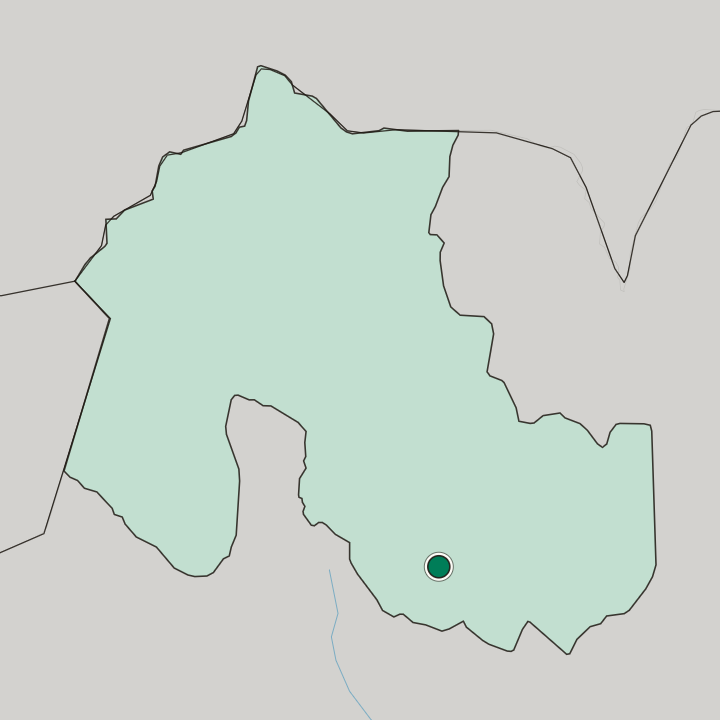
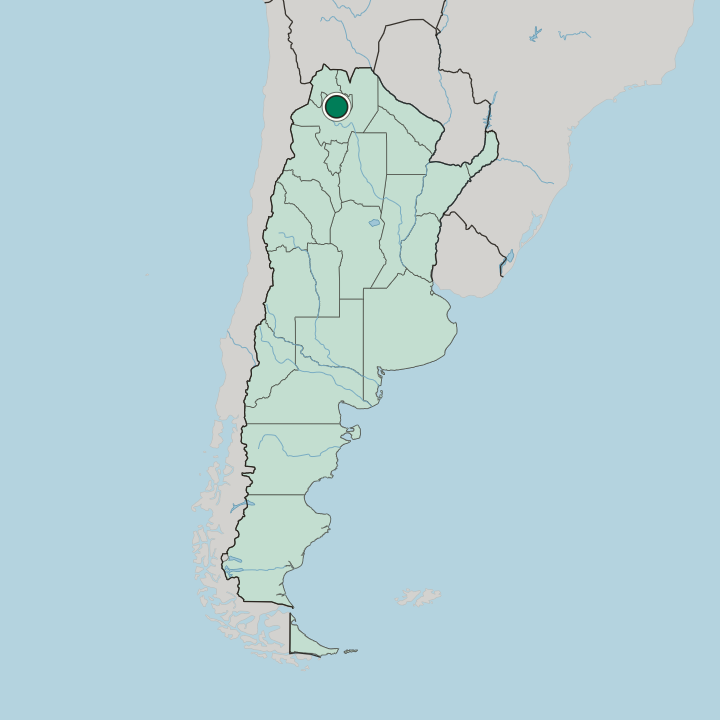
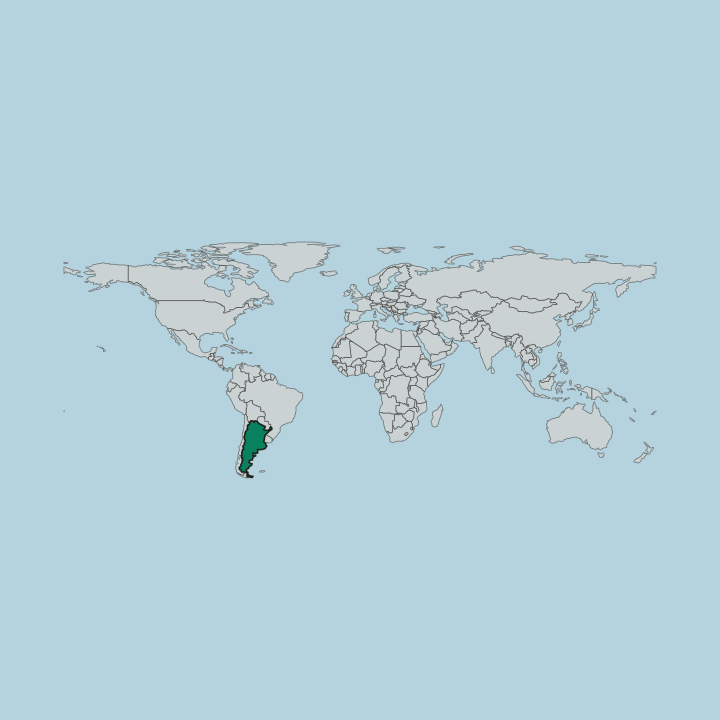
San Salvador de Jujuy lies in a valley high in the northwest of Argentina. The city sits where the Grande and Xibi Xibi rivers meet, ringed by dry brown mountains, on the edge of the Andes near the Bolivian border. Bare peaks rise around the valley.
The gorge of Humahuaca opens to the north.
What is the climate of San Salvador de Jujuy?
Jujuy has a mild highland subtropical climate. The valley's height keeps the city warm by day and cool at night all year, and a summer rainy season brings the storms, while the winters stay dry and sunny. Clear skies fill the winter days.
The mountain air stays fresh and light.
How do you get to San Salvador de Jujuy?
San Salvador de Jujuy lies in the far northwest of Argentina near Bolivia. An airport and the highway link the city to Salta and the south, and the main road climbs north through the Quebrada toward the Bolivian border. Buses reach the Andean towns around.
Most arrive by road up the valley.
Common questions
What is the best area to stay in San Salvador de Jujuy?
The centre: Visitors here for the cathedral, plaza, and markets. Up the gorge: Stays wanting the Quebrada and the painted hills.
Good for
Updated September 2026