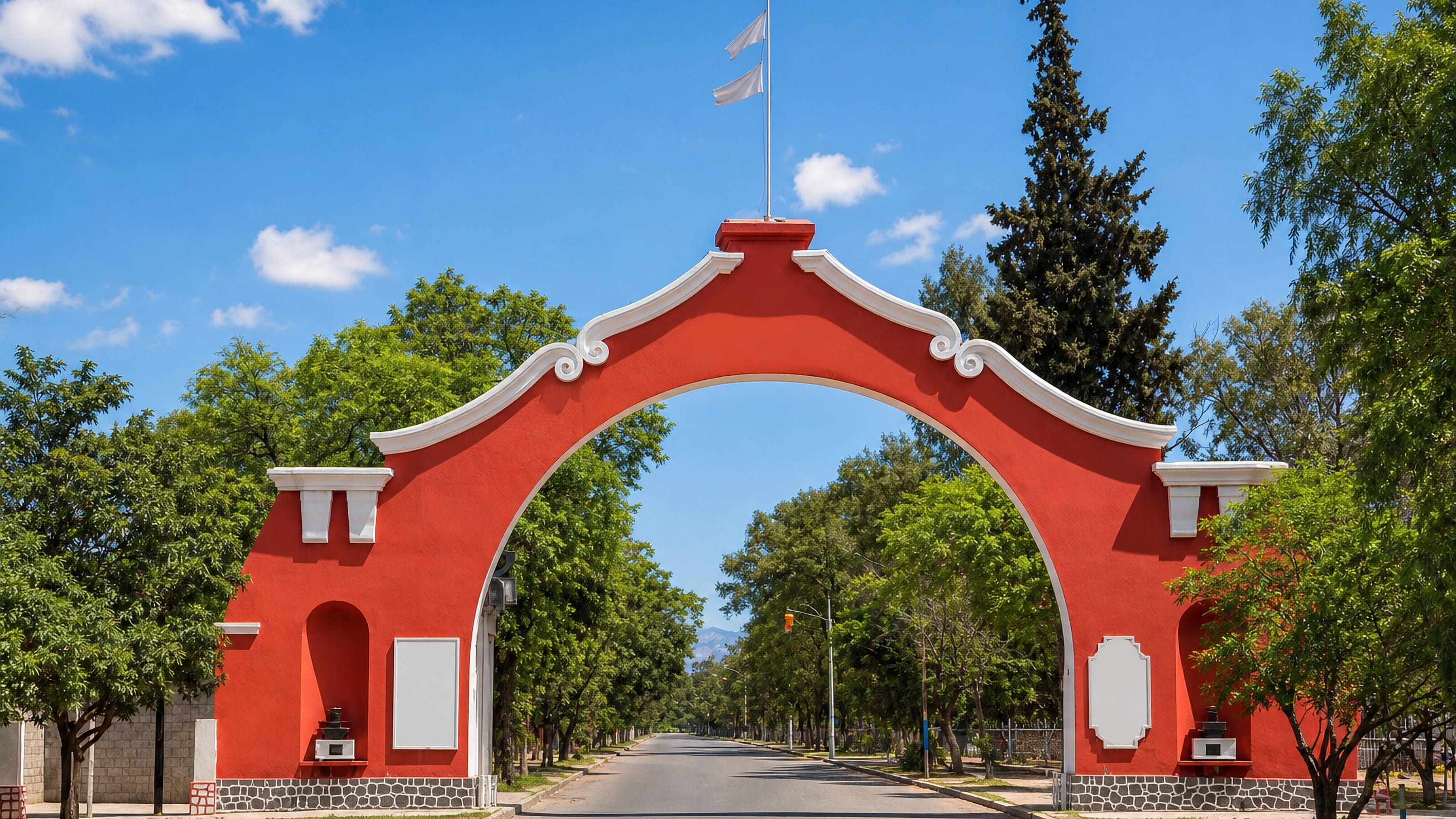
Argentina · La Rioja Province
Where to Stay in La Rioja, La Rioja Province
La Rioja is a city of northwest Argentina below the Sierra de Velasco, an old colonial town in hot wine-and-olive country near the canyons of Talampaya.
Hotel links are affiliate links: booking through them may earn us a commission, at no extra cost to you. It never affects how places are ranked. How this works


Where to stay in La Rioja
Where visitors usually base themselves, and why.
In La Rioja the decision is city streets or the bodega country outside them. The streets around the plaza keep the churches, the museums, and the market within a walk, and staying downtown suits anyone here for the city. The dry sierra rises beyond.
Vines climb the warm slopes. Out toward the vineyards and the canyons, the town gives way to the torrontés bodegas, the olive groves, and the road to Talampaya. A room in the country trades the streets for the vineyard rows, the quiet groves, and the red desert canyons.
The mountains stand to the west. Stay downtown for the city, or out for the wine and canyons. The old wine town sits below the Sierra de Velasco.
Find hotels in La Rioja
Direct booking searches for these neighbourhoods.
The town centre
On the streets ringing La Rioja's central plazaFind hotels in The town centreStays wanting the bodegas and canyonsThe wine country
Out toward TalampayaFind hotels in The wine countryHotel links are affiliate links: booking through them may earn us a commission, at no extra cost to you. It never affects how places are ranked. How this works
About La Rioja
What is La Rioja known for?
La Rioja is the wine-and-olive city of the Argentine northwest. At the foot of the Sierra de Velasco in the dry hills of northwest Argentina, it grew as a colonial town on old Diaguita land, and it keeps the torrontés vineyards and olive groves of its warm valleys, the red rock canyons of Talampaya out on the plateau, the lively Chaya carnival of flour and song, and the colonial churches and museums of the old town. The dry mountains ring the town.
Vines and olives fill the valleys.
What are the main landmarks in La Rioja?
Talampaya is the pride of the La Rioja country. The great red canyons and cliffs on the desert plateau, carved by wind and ancient rivers, are the emblem of the region, out of downtown. A museum holds the old cultures.
The Inca Huasi museum lays out the Diaguita and Inca past in town, while the Sierra de Velasco, the torrontés vineyards, and the olive groves mark the country around La Rioja.
What is the history of La Rioja?
La Rioja was founded on old ground. Long before the Spanish, the Diaguita people farmed and wove in these valleys under the mountains. The Spanish came in fifteen ninety-one.
A captain founded the town at the foot of the sierra and named it for his own La Rioja in Spain, and the settlers planted vines and olives in the warm watered land. The dry land gave wine and oil. Its warm valleys proved rich for the torrontés grape and the olive, and La Rioja grew as a country town of vineyards, groves, and the Chaya carnival that fills its summer.
The desert held great wonders. Out on the plateau lay Talampaya, its red cliffs and canyons carved by wind and old rivers, and travelers came to see them, so La Rioja kept its vines, its olives, and its canyons. The Chaya still sounds each summer.
La Rioja keeps its wine town below the Sierra de Velasco.
Where is La Rioja?
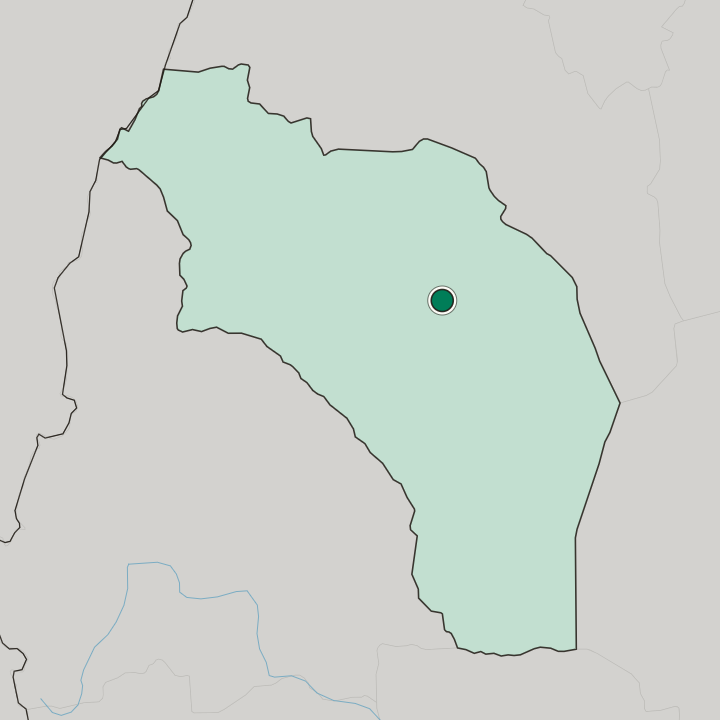
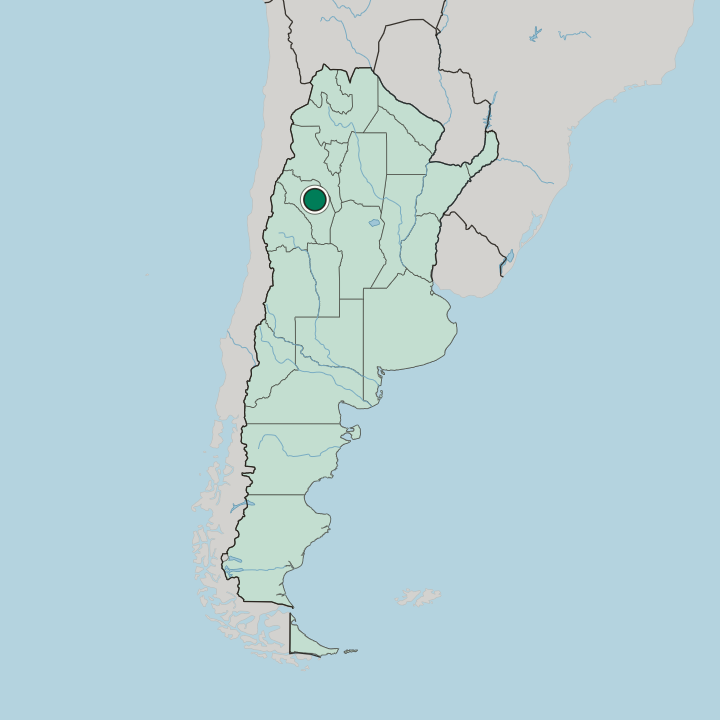
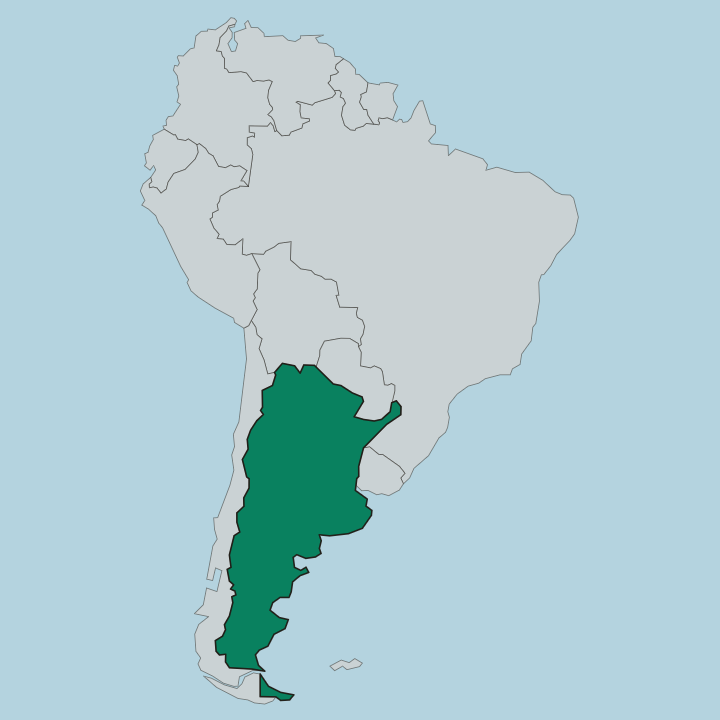
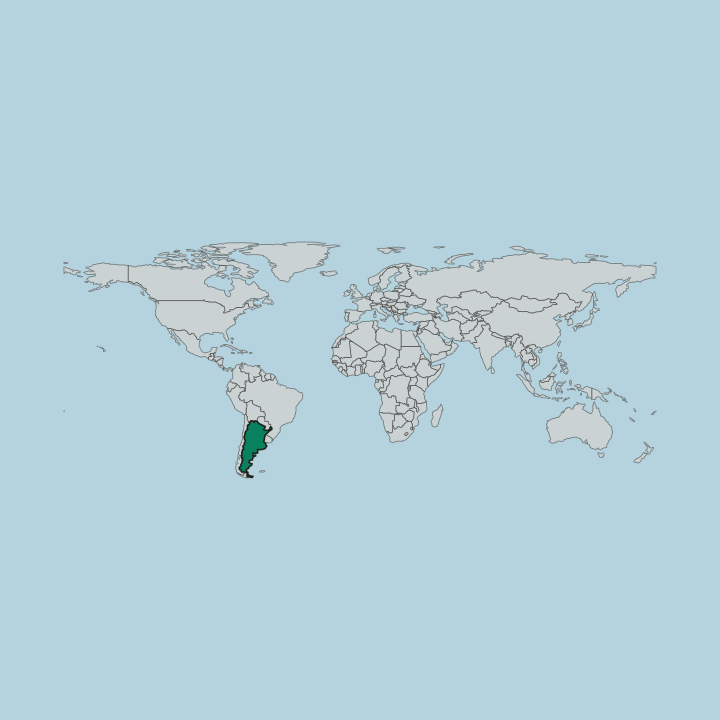
La Rioja lies in the northwest of Argentina, at the foot of the Sierra de Velasco. The city sits on a dry plain below the mountains, in a hot land of scrub and watered vineyards, with the sierra rising to the west and the red desert canyons of Talampaya out on the northern plateau. The mountains wall the west.
Green vineyards break the dry plain.
What is the climate of La Rioja?
La Rioja sits in desert country: fierce heat, almost no rain. Scorching summers and mild winters cross the plain, with fierce heat in the long summer and clear dry days in the mild winter. The summer blazes over the plain.
Winter stays dry and warm.
How do you get to La Rioja?
La Rioja lies in the northwest of Argentina, on the road between Córdoba and the Andes. The highway runs to it across the plains from Córdoba, and roads climb north to Catamarca and the canyon country. Flights land from the capital.
Córdoba lies southeast over the plains.
Common questions
What is the best area to stay in La Rioja?
The town centre: Visitors here for the churches and museums. The wine country: Stays wanting the bodegas and canyons.
Good for
Updated September 2026