Argentina
La Rioja Province, Argentina — Towns & Travel Guide
La Rioja is an arid province of north-western Argentina, where the Andes give way to red-rock canyons and wine valleys.
Hotel links are affiliate links: booking through them may earn us a commission, at no extra cost to you. It never affects how places are ranked. How this works


Towns & cities in La Rioja Province
One town here has its own guide — it links to where to stay.

 Argentina
La Rioja
La Rioja is a city of northwest Argentina below the Sierra de Velasco, an old colonial town in hot wine-and-olive country near the canyons of Talampaya.Where to stay →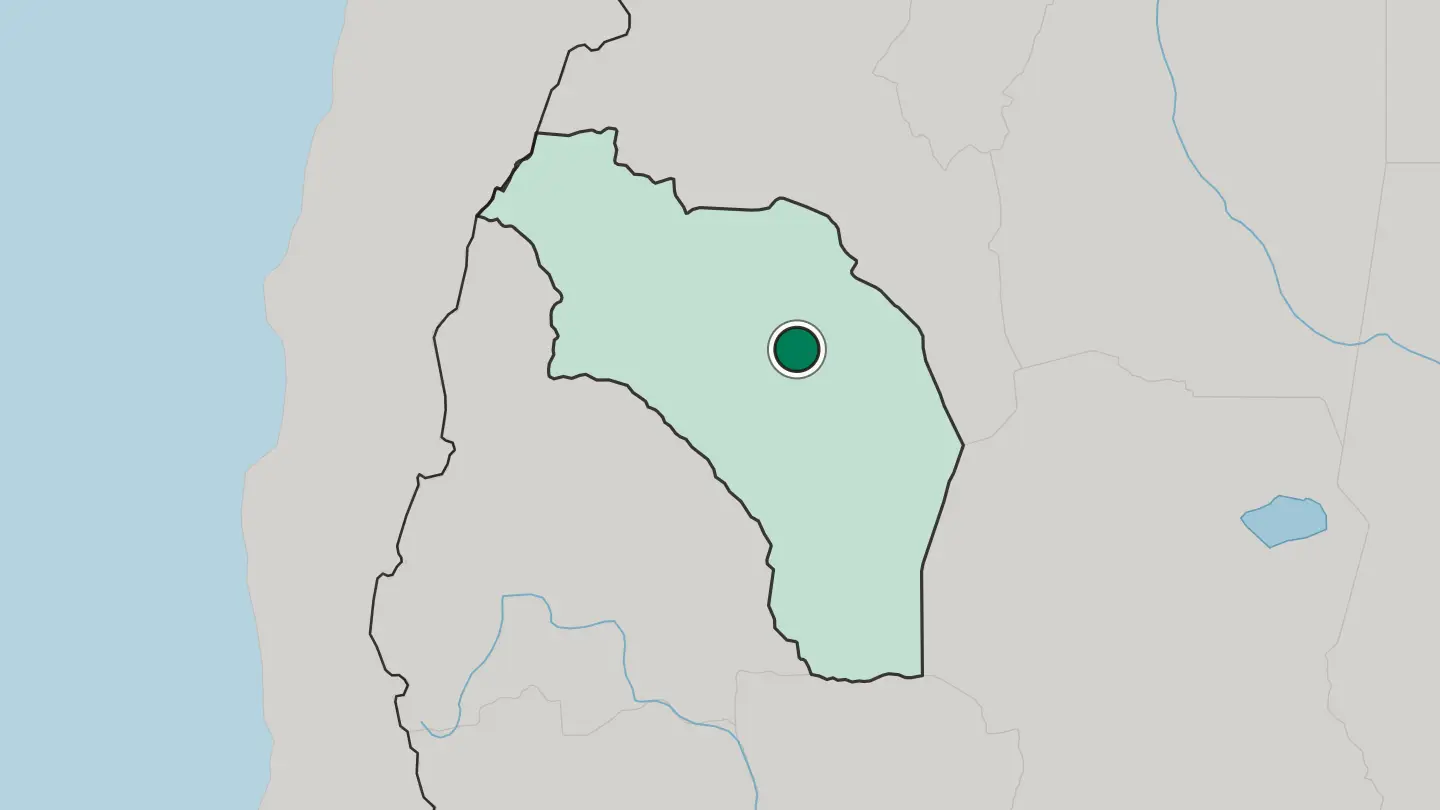
Hotel links are affiliate links: booking through them may earn us a commission, at no extra cost to you. It never affects how places are ranked. How this works
About La Rioja Province
Talampaya National Park is the headline sight.
What is La Rioja Province known for?
Its dry red canyon guards Triassic fossil beds where some of the earliest dinosaurs were unearthed, and the site has been a UNESCO World Heritage listing since the year 2000. Wine is the other draw. It is built on Torrontés Riojano, the aromatic white grape that carries the region's name across the Famatina Valley.
The city of La Rioja sits at the foot of the Sierra de Velasco, and Chilecito lies over the range to the west.
Where is La Rioja Province?
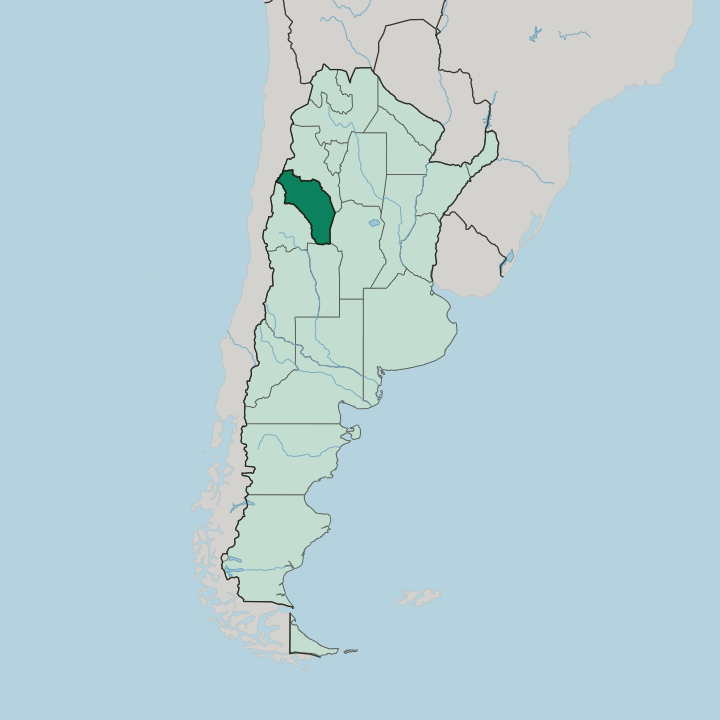
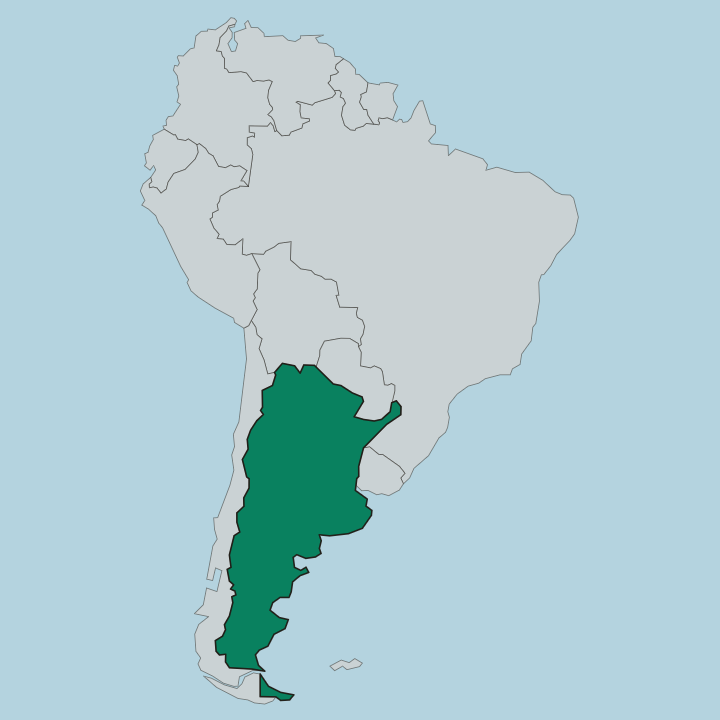
La Rioja fills part of the Argentine Northwest, a landlocked province of arid ranges and irrigated valleys. The Andes wall its western side. Along that frontier with Chile the ground climbs to Monte Pissis, an extinct volcano that is the second-highest summit in the Americas and the highest point in the province.
East of the crest the land breaks into parallel sierras running roughly north to south, the Sierra de Velasco and the Sierras de Famatina among them, with green cultivated valleys threaded between the dry slopes. It is in one of those valleys that the capital sits. The city of La Rioja lies below the Sierra de Velasco, and Chilecito occupies the Famatina Valley on the far side of the range.
Rivers here run seasonal and shallow, fed by Andean snowmelt rather than steady rain. Four Argentine provinces ring it. Catamarca stands to the north, Córdoba to the east, San Luis to the south-east, and San Juan to the south, while Chile lies beyond the Andes to the west.
The relief falls away eastward toward the drier pampas plains. That mountain-and-valley grain governs where people live, where the vines grow, and where the roads run.
What is La Rioja Province like?
La Rioja wears its wine country openly. The Famatina Valley around Chilecito is planted with Torrontés Riojano, the pale aromatic white that took its second name from the province, and the cooperative wineries there tie many small growers into a single harvest. Vines are only half the farming story.
Olive groves and walnut orchards share the same irrigated valleys, watered off the Andes because the sky gives so little. Spanish is the everyday language, spoken across the province as across the rest of Argentina. Old customs hold firm here.
The Tinkunaco festival each New Year re-enacts a colonial reconciliation between Spanish settlers and the Diaguita people, a ritual that has run for centuries in the capital. The province also lent its name to science, in the Triassic dinosaur Riojasaurus dug from its rock. Poets and folk musicians count La Rioja among the heartlands of Argentine folklore, and the guitar and the copla belong to its fiestas.
Life leans rural and slow. Away from the city of La Rioja the settlements are small, the distances long, and the rhythm set by the vineyard and the orchard rather than the office.
What is the history of La Rioja Province?
The Spaniard Juan Ramírez de Velasco founded the capital in 1591, naming it Todos los Santos de la Nueva Rioja after his own home region back in Spain. The valleys were not empty. They belonged to the Diaguita people, whose resistance to Spanish rule ran long and bitter.
La Rioja became a province of the Argentine Confederation in 1853. It has kept its own name and its own capital ever since.
What is the climate of La Rioja Province?
La Rioja is hot and dry. Rain barely reaches the valley floors, so the province depends on snowmelt draining off the Andes to keep its vines and olives alive. Summer days turn fierce in the lowland heat, while the winters stay short and mild by comparison.
Nights cool sharply after sundown, and that wide daily swing between afternoon heat and cold dark is what gives the Torrontés grapes their acidity. Higher up in the Sierras de Famatina the air is thinner and colder than the valleys below.
How do you get to La Rioja Province?
Most visitors fly into the capital. Capitán Vicente Almandos Almonacid Airport serves the city of La Rioja with flights up from Buenos Aires, the usual first hop into the province. The Andes seal the western frontier with Chile, so overland arrivals come from the neighbouring Argentine provinces instead.
Roads run in from Catamarca to the north and Córdoba to the east. Inside the province, paved routes link the capital with Chilecito and carry on toward the Talampaya canyon in the south.
Common questions
What is the best area to stay in La Rioja Province?
La Rioja: a first visit to La Rioja. Chilecito: the Torrontés wine country. Villa Unión and the Talampaya canyon: the Talampaya red-rock canyon. The Andean west: the high Andes.
More regions in Argentina
Updated September 2026