Argentina · Mendoza Province
Where to Stay in Mendoza, Mendoza Province
Vineyards ring Mendoza, capital of Mendoza province in the desert Cuyo of western Argentina, known for its wine and the peak of Aconcagua beyond the plain.
Hotel links are affiliate links: booking through them may earn us a commission, at no extra cost to you. It never affects how places are ranked. How this works


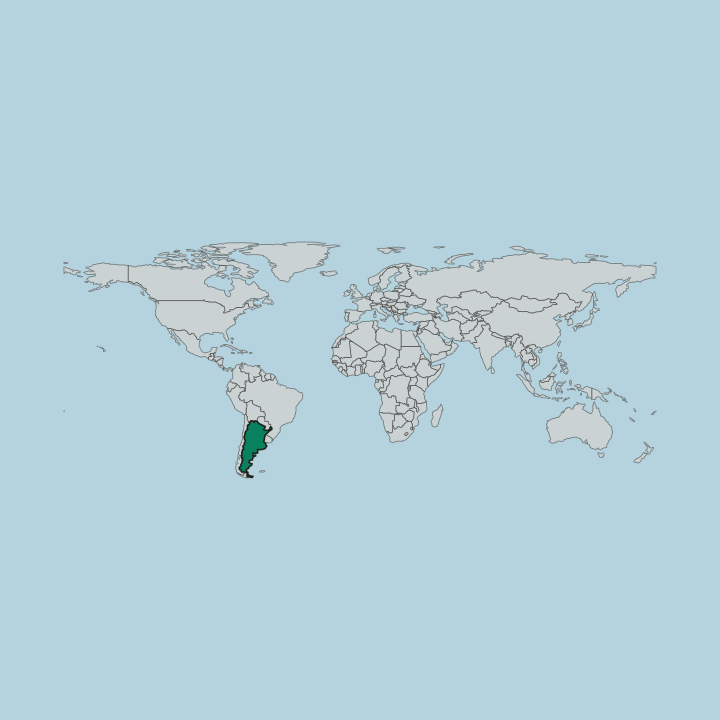
Where to stay in Mendoza
The practical side of choosing where to sleep.
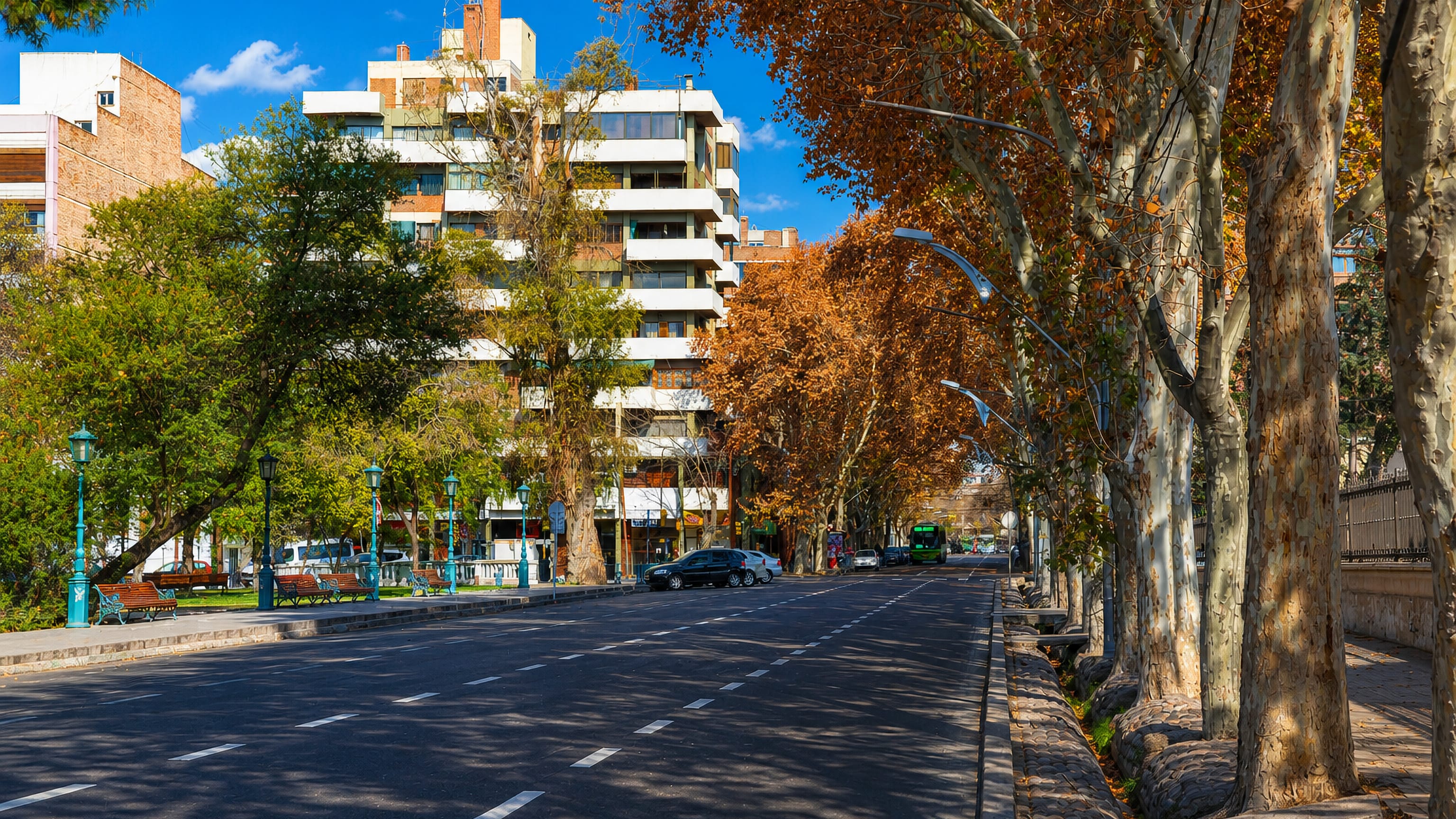
Mendoza builds its lodging around the plazas that anchor the rebuilt centre, so where you stay is a choice between squares. The blocks around the Templo de San Francisco form the walkable heart, close to the shops and the leafy avenues that shade the grid. It is the natural first base.
A short walk on, the streets by Plaza Espana trade the busy core for quieter corners under the trees, where the tilework and gardens make the rebuilt town easy to wander at an unhurried pace. Culture seekers do well there. For the plazas, stay central.
The zone toward the Museum of the Foundation Area holds the colonial ground where the city first stood, near the ruins left by the earthquake that levelled the original town. Beyond the streets, wine lodges spread through the vineyards on the plain below Aconcagua. The pick comes down to squares, history, or the vines.
Find hotels in Mendoza
Direct booking searches for these neighbourhoods.
San Francisco plaza core
The blocks around the Templo de San Francisco form the leafy walkable heart of rebuilt Mendoza, shaded by wide avenues.Find hotels in San Francisco plaza coreColonial ruins and the old town groundFoundation Area ruins
The zone by the Museum of the Foundation Area sits on the original townsite that the Mendoza earthquake destroyed.Find hotels in Foundation Area ruinsHotel links are affiliate links: booking through them may earn us a commission, at no extra cost to you. It never affects how places are ranked. How this works
Things to do in Mendoza
Ranked by global recognition; descriptions from Wikidata (CC0).
Museums & Galleries
3- Museum of the Foundation Area
- First Argentine Museum of Old Motorcycles Luis Paludetti
- General San Martin Historical Museum
Churches & Religious Sites
1- Templo de San Francisco Heritage
Castles & Historic Sites
1- Plaza España
Stadiums & Sports
1- Hockey Stadium of Mendoza
worth knowingacross 4 categories in Mendoza
About Mendoza
Mendoza is known first for wine.
What is Mendoza known for?
It stands at the centre of the Argentine wine industry, capital of Mendoza province in the desert Cuyo region of the country's west. Beyond the vineyards rises Aconcagua, the highest mountain outside the Himalayas, marking the range that walls the city off from Chile. Leafy plazas break the grid of the centre.
Water and stone define the place.
What are the main landmarks in Mendoza?
Mendoza gathers its landmarks around its plazas and its past. The Templo de San Francisco stands near the centre as one of the oldest churches in the city. A short walk away, Plaza Espana carries the tilework and gardens that mark the rebuilt town.
Its museums fill in the story. The Museum of the Foundation Area preserves the colonial ground destroyed by earthquake, while the General San Martin Historical Museum recalls the general who trained his army here before crossing toward Aconcagua and the range.
What is the history of Mendoza?
Mendoza was founded in 1561 by Spanish settlers crossing from Chile into the desert Cuyo. The colonists chose an oasis on the dry plain, channelling meltwater from the mountains to green a townsite that the surrounding land could never support on its own. Water made the city.
The early settlement grew slowly around its plaza, a remote outpost of the Spanish crown on the far side of the range from the Pacific. General San Martin gathered and trained his army at Mendoza before the crossing of the mountains that carried the war of independence into Chile and Peru. An earthquake later levelled the colonial town, and the city was rebuilt on a new grid of wide streets and open plazas designed to be safer when the ground shook again.
Vineyards spread across the irrigated plain and turned Mendoza into the heart of the Argentine wine trade. The Museum of the Foundation Area now stands over the ruins of the town the earthquake took, capital of Mendoza province in the Cuyo.
Where is Mendoza?
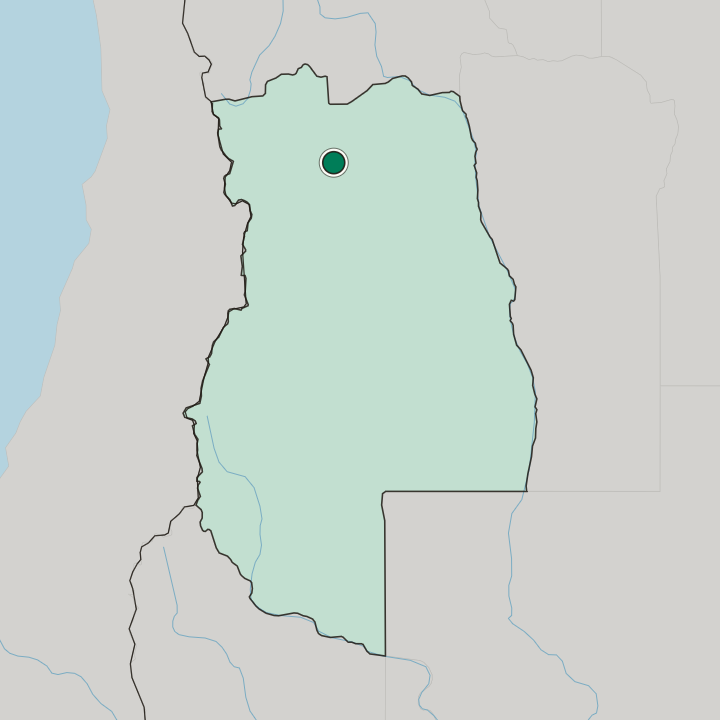
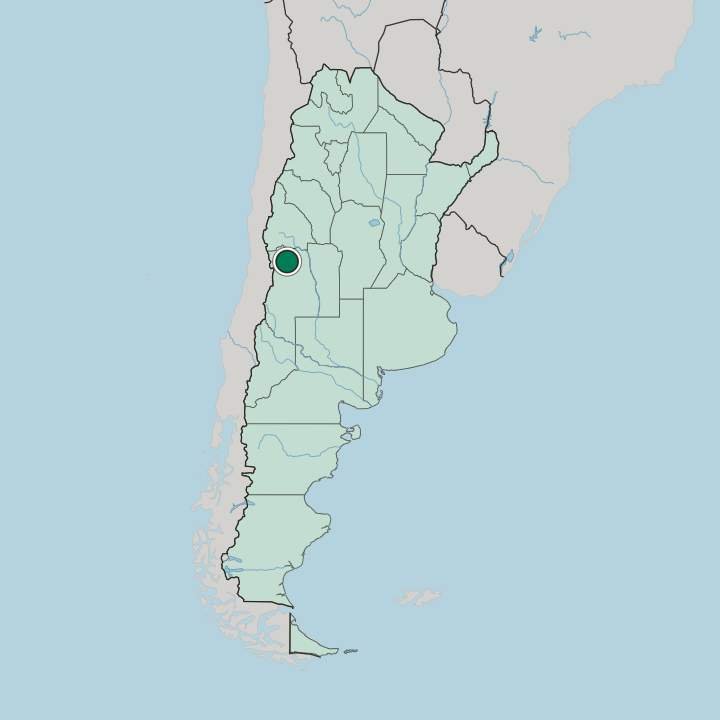
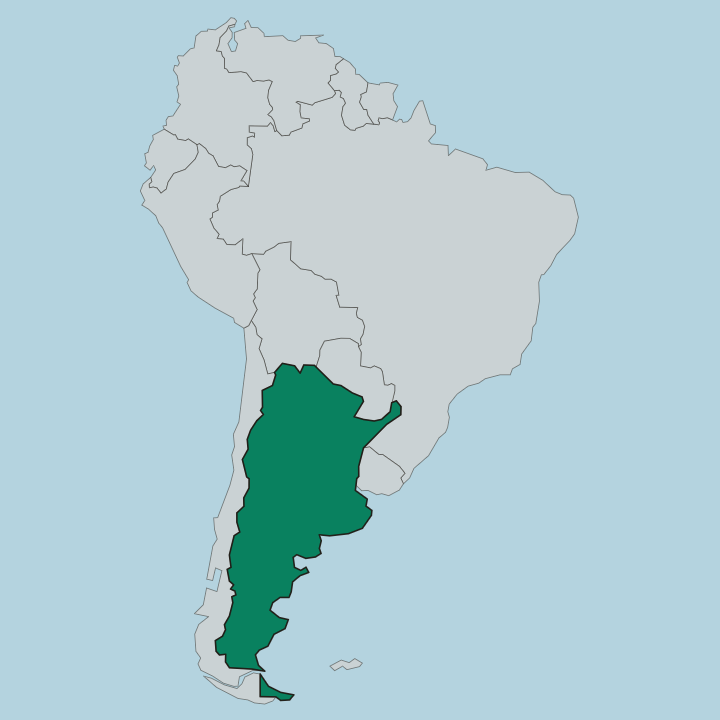
Mendoza sits on a dry plain in the desert Cuyo of western Argentina, at the foot of the mountains that carry Aconcagua. The range walls the city off from Chile to the west and feeds the meltwater that irrigates its vineyards. Little rain falls on the plain itself.
The city is an oasis, green only where the channels reach, in the far west of Mendoza province against the base of the highest peaks outside the Himalayas.
What is the climate of Mendoza?
Mendoza has a dry desert climate softened only by the water its channels carry. Summers run hot under a bright sky, with fierce sun on the plain and cool relief once the day breaks toward evening. Winters are mild and dry.
Rain is scarce in every season, so the vineyards live on meltwater off the mountains rather than the clouds, and the snow that feeds them falls high on the range near Aconcagua rather than on the city below.
How do you get to Mendoza?
Mendoza is reached by air, road, and the mountain pass toward Chile. Its airport links the city to the rest of Argentina, and long-distance buses run the routes across the desert Cuyo and over the high crossing near Aconcagua to the Chilean side. Flights are the quickest way in.
The road toward the range still carries traffic between the two countries. Once in the city, the wide grid and its chain of plazas make the centre easy to cross on foot between the Templo de San Francisco and the squares.
Common questions
What is the best area to stay in Mendoza?
San Francisco plaza core: First stay in the walkable plaza centre. Foundation Area ruins: Colonial ruins and the old town ground.
Good for
Another city in Mendoza Province
Updated October 2026