Argentina
Mendoza Province, Argentina — Towns & Travel Guide
Mendoza is Argentina's wine province, a high desert under Aconcagua where snowmelt from the Andes turns dry plains into Malbec vineyards.
Hotel links are affiliate links: booking through them may earn us a commission, at no extra cost to you. It never affects how places are ranked. How this works


Towns & cities in Mendoza Province
Pick a town or city — each links to where to stay.
 Argentina
San Rafael
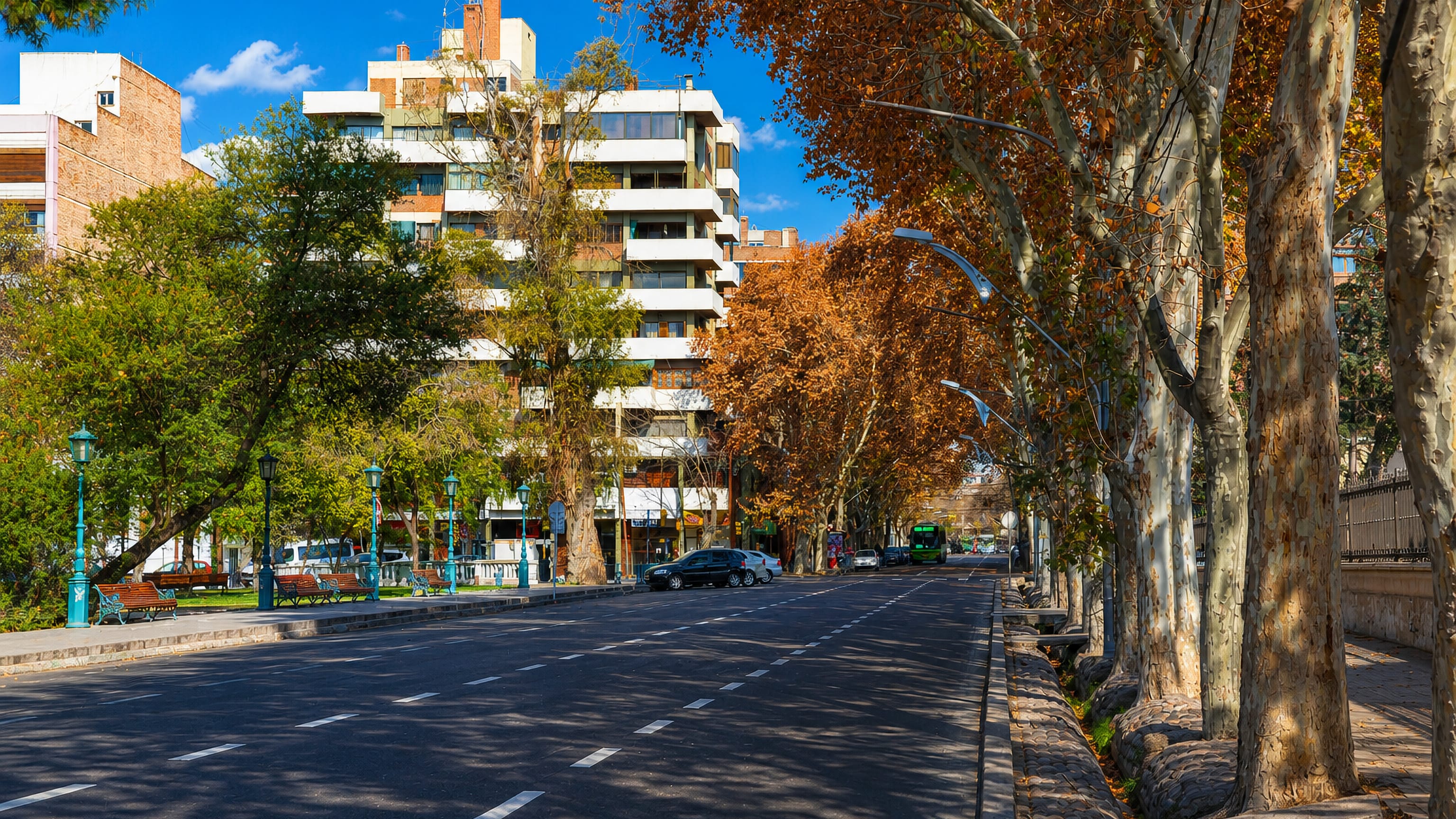
San Rafael is a city of south Mendoza in Argentina, a tree-lined wine town in the dry Andean foothills, known for its malbec and the red Atuel canyon.Where to stay →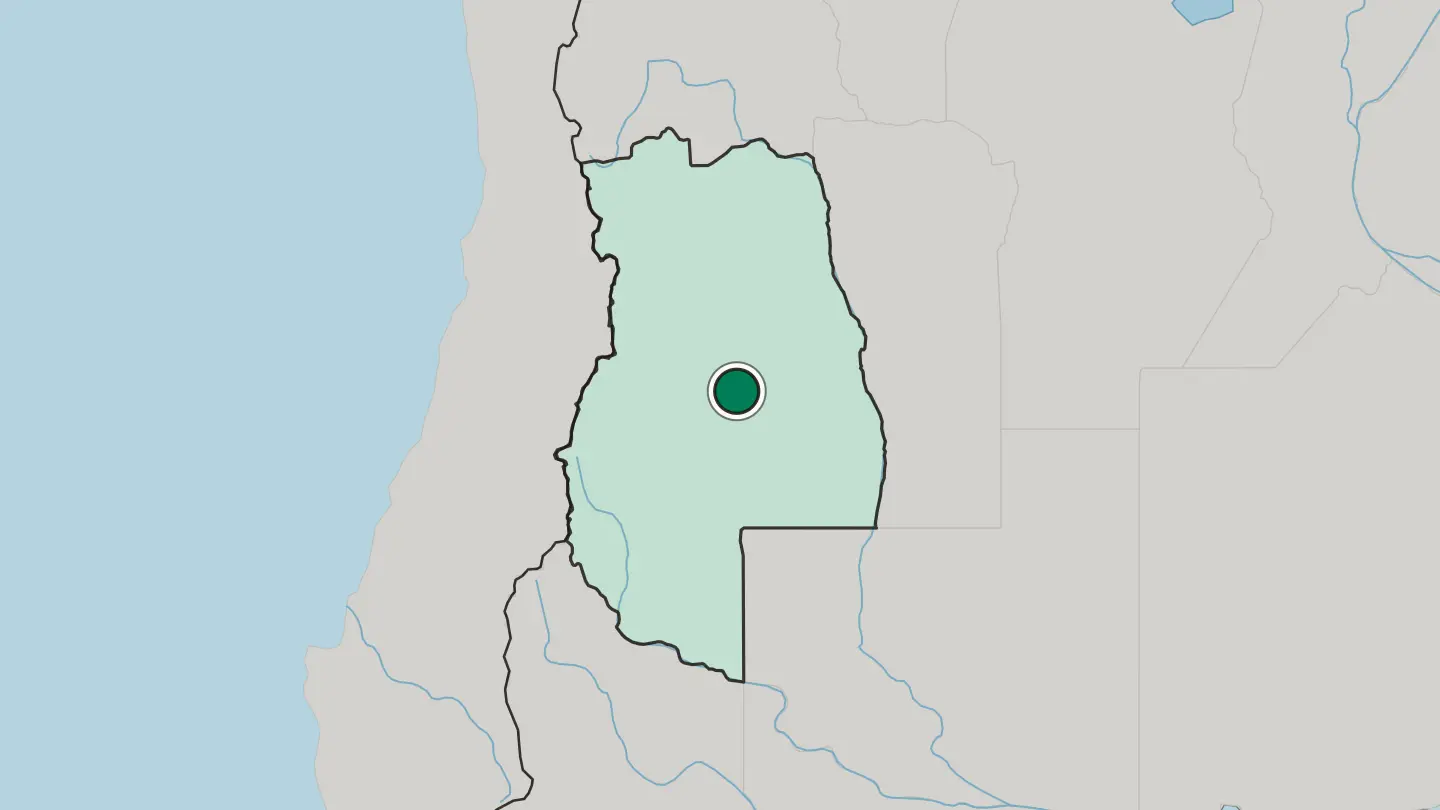
 Argentina
Mendoza
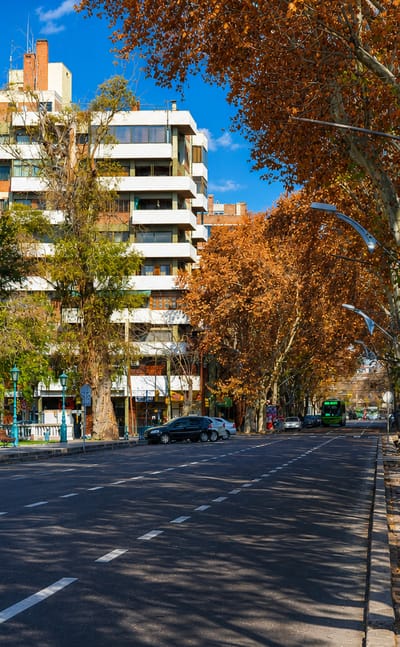
Vineyards ring Mendoza, capital of Mendoza province in the desert Cuyo of western Argentina, known for its wine and the peak of Aconcagua beyond the plain.Where to stay →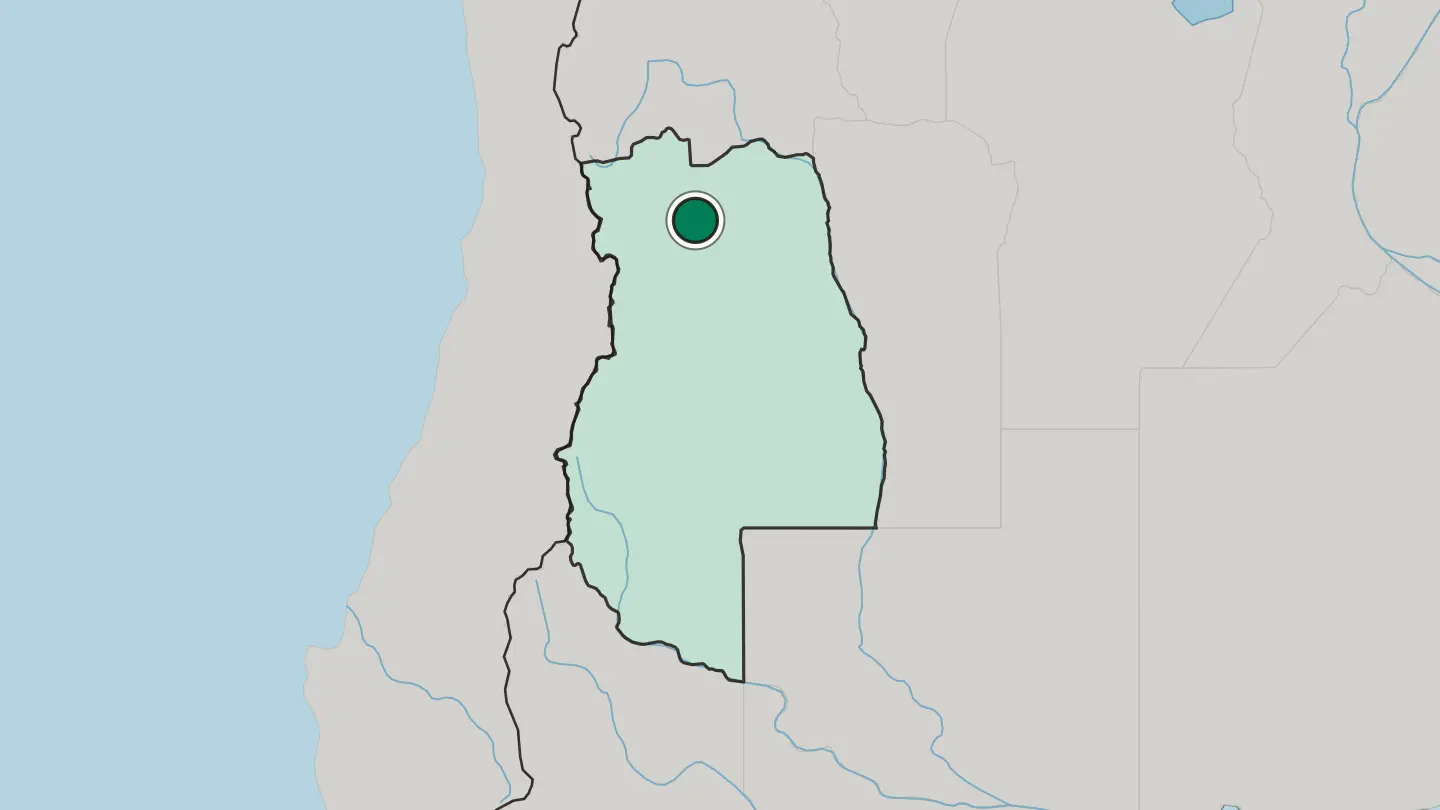
Hotel links are affiliate links: booking through them may earn us a commission, at no extra cost to you. It never affects how places are ranked. How this works
About Mendoza Province
Wine, above all.
What is Mendoza Province known for?
Mendoza is Argentina's dominant wine region and the world's headquarters of Malbec, with vineyards planted higher against the Andes than almost anywhere else on earth. The Cuyo desert around them is bone dry, and it is the meltwater of the Mendoza and Tunuyán rivers, carried through centuries-old irrigation channels, that keeps the vines alive. Aconcagua, the tallest peak in the Americas, stands on the western skyline.
Skiing, rafting on the Atuel, and the climb to that summit round out the draw.
Where is Mendoza Province?
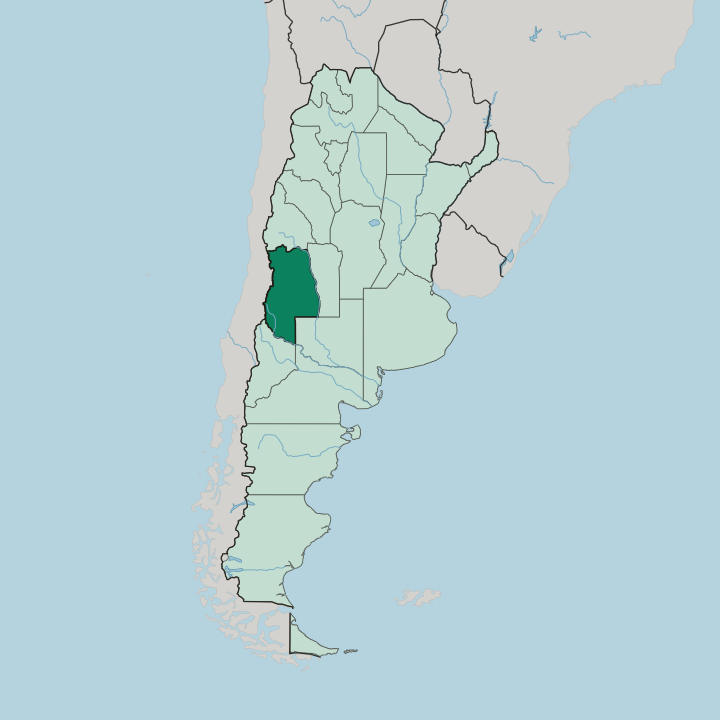
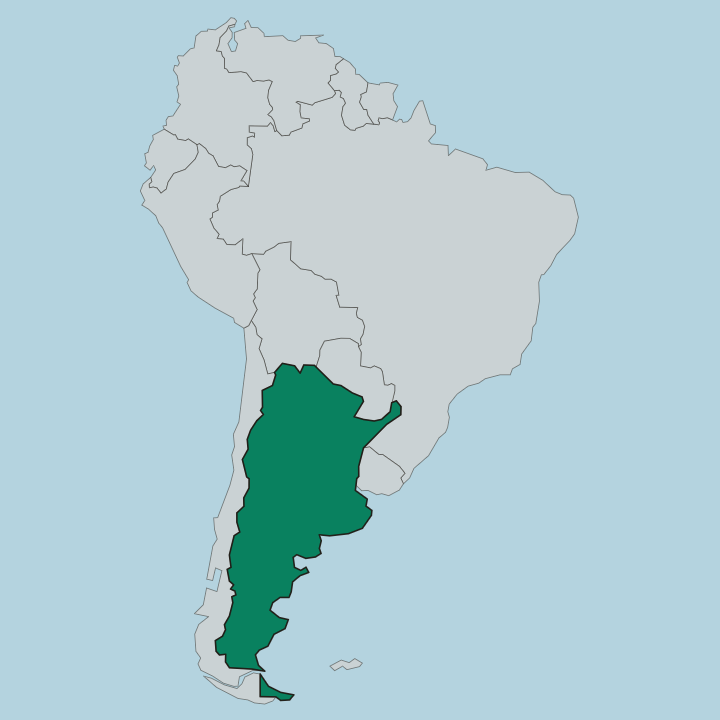
Mendoza sits in west-central Argentina, in the Cuyo region, pressed against the Andes. The mountains form its entire western edge, and along that wall runs the border with Chile. Aconcagua rises there, the highest mountain in the Americas, and from its snowfields the land falls away eastward to semi-flat desert plains.
That descent defines the province. San Juan lies to the north, San Luis to the east, and La Pampa and Neuquén to the south, but it is the Andes to the west that shape everything. Little rain reaches the lowlands.
What water there is comes down off the peaks as snowmelt, gathered into a handful of rivers that cross the dry country from west to east. The Mendoza and the Tunuyán water the northern oases and the capital. Further south, the Diamante and the Atuel feed San Rafael and the canyon country beyond it.
Between the rivers the ground is desert scrub, and the green is confined to narrow irrigated belts where the vineyards, orchards and towns cluster. Nearly all of Mendoza's people live in those oases. The rest is mountain and open desert, thinly settled, and it is vast.
What is Mendoza Province like?
Life in Mendoza is built around the vine and the water that feeds it. The Huarpe people dug the first irrigation channels here long before the Spanish arrived, and the acequias that still run beside every street in the capital descend directly from that early engineering. Spanish settlers took over the system and extended it.
Waves of Italian and Spanish immigrants arrived around the turn of the last century, and they brought the winemaking that reshaped the province. Their names endure on the old bodegas. Wine is the culture, not a sideline.
The grape harvest each autumn is marked by the Fiesta Nacional de la Vendimia, a provincial festival of parades and open-air pageantry that fills the capital. Asado, the long slow barbecue, is the weekend ritual, paired with a glass of local Malbec. Leisure happens outdoors.
Beyond the vineyards, the mountains pull people out to ski, to raft the rivers and to trek. The common language is Spanish, spoken across the province and the wider Cuyo region. This is a settled, provincial world, wine-centred and proud of it.
What is the history of Mendoza Province?
The Spanish founded the city of Mendoza in 1561, laying it out on the irrigation the Huarpe had already dug in the desert. For its first centuries the settlement looked west. Tied to Chile across the Andes rather than to the far-off Atlantic coast, it grew slowly on the snowmelt of the mountain rivers that crossed the desert.
An earthquake levelled the old colonial town in 1861, and it was rebuilt on a wider grid meant to withstand the next one. When the railway reached the capital in 1885, Mendoza's wine could at last travel east to Buenos Aires, and the vineyards multiplied. That line made the province.
What is the climate of Mendoza Province?
Mendoza is dry. The lowland plains are arid desert, taking only a few hundred millimetres of rain a year, so every vineyard and orchard depends on Andean snowmelt piped through the acequias rather than on the sky. Summers run hot and cloudless across the oases, winters cool, and the sun shines most days of the year.
High in the mountains toward Aconcagua and the ski slopes of Las Leñas, the pattern flips: heavy winter snow feeds the rivers that make the desert farmland possible. It is a land watered from above the treeline.
How do you get to Mendoza Province?
Most travellers arrive at the capital, Mendoza, which has the province's main airport and frequent flights from Buenos Aires. From there the wine departments are close: Maipú and Luján de Cuyo lie half an hour out, the Uco Valley about an hour south. San Rafael and the deep south are a longer haul across the plains.
The old mountain road to Chile still climbs west over the Andes past Aconcagua, a spectacular crossing when the passes are open. Snow can close it in winter.
Common questions
What is the best area to stay in Mendoza Province?
Mendoza city: a first base with restaurants and easy vineyard day trips. Luján de Cuyo: you if you want to walk or bike between historic wineries. Uco Valley: high-altitude wine estates with a mountain backdrop. San Rafael: river gorges and the quieter south.
Good for
More regions in Argentina
Updated September 2026