Argentina · Río Negro Province
Where to Stay in Cipolletti, Río Negro Province
Cipolletti is a city of Río Negro Province in Argentine Patagonia, fused with Neuquén and Plottier into the Greater Neuquén agglomeration.
Hotel links are affiliate links: booking through them may earn us a commission, at no extra cost to you. It never affects how places are ranked. How this works


Where to stay in Cipolletti
The practical side of choosing where to sleep.
Three cities, one bed market. Cipolletti, Neuquén, and Plottier run into one another as the Greater Neuquén agglomeration, so a room in any of the three leaves the other two within an ordinary commute, and the real choice is which set of doors opens first in the morning. The Carlos Ameghino Provincial Museum makes the case for the Cipolletti side.
So does the Estación Cultural Lucinda Larrosa Museum. Neuquén holds the heavier draws. Estadio Ruca Che, MNBA Neuquén, the Museo De La Ciudad Paraje Confluencia, and the Museum and Historical Police Archive of the Province of Neuquén all stand on that side, which is why a visit built around galleries and a stadium tends to book there rather than in Cipolletti.
Plottier is the quiet end. Rooms thin out past Neuquén, and a night in Plottier trades the run of restaurants for a shorter road out of the agglomeration, an exchange that suits a car-borne trip better than a walking one. Cipolletti sits between the two.
That middle position is its practical argument, since the Museo Gregorio Álvarez and the collections on the Río Negro Province side can both be reached without moving hotels partway through a stay.
Find hotels in Cipolletti
Direct booking searches for these neighbourhoods.
Cipolletti centre
Both of the city's own collections stand on this side, and the hop into Neuquén starts from here rather than ending hereFind hotels in Cipolletti centreTrips built around Estadio Ruca Che, MNBA Neuquén, or the Museo De La Ciudad Paraje ConfluenciaThe Neuquén side of the agglomeration
The larger half of the Greater Neuquén agglomeration keeps the stadium and most of the galleries, Cipolletti being a short local run awayFind hotels in The Neuquén side of the agglomerationDrivers who want the far end of the Greater Neuquén agglomeration and the road out of itPlottier
Third and quietest of the three joined cities, set beyond Neuquén, with far fewer rooms than either Cipolletti or its larger neighbour. Beds are limited here, so book early.Find hotels in PlottierHotel links are affiliate links: booking through them may earn us a commission, at no extra cost to you. It never affects how places are ranked. How this works
About Cipolletti
Museums do much of the work here.
What is Cipolletti known for?
The Carlos Ameghino Provincial Museum and the Estación Cultural Lucinda Larrosa Museum stand among a cluster of collections shared with neighbouring Neuquén, which gives a short stay more indoor material than a city of this rank usually carries. Ranking is settled. Cipolletti comes third among the settlements of Río Negro Province, behind San Carlos de Bariloche and General Roca, while its working day runs together with Neuquén and Plottier.
What are the main landmarks in Cipolletti?
What the city keeps is collections, not monuments. The Carlos Ameghino Provincial Museum, entered in Spanish as the Museo Provincial Carlos Ameghino, is the address most visitors reach for, and the Estación Cultural Lucinda Larrosa Museum adds a second civic collection inside the same city. Estadio Ruca Che pulls the other way.
That ground stands over on the Neuquén side, where MNBA Neuquén and the Museo De La Ciudad Paraje Confluencia round out what the Greater Neuquén agglomeration puts within a short run of Cipolletti.
What is the history of Cipolletti?
Cipolletti counts 1881 as its founding year. A foundation in that decade leaves the city without a colonial layer to display, so its record sits in collections rather than in old stone, and the Estación Cultural Lucinda Larrosa Museum together with the Carlos Ameghino Provincial Museum carries more of that record than any single building does. Río Negro Province holds it.
Among the province's settlements the city ranks third, behind San Carlos de Bariloche and General Roca. Growth then arrived from the side. Cipolletti did not stay a separate town: it grew into Neuquén and Plottier until the three read as one continuous built-up area, the Greater Neuquén agglomeration, and that merging is the largest single fact in the city's later history.
Institutions followed the merging. MNBA Neuquén, the Museo Gregorio Álvarez, and the Museum and Historical Police Archive of the Province of Neuquén serve an audience drawn from all three cities at once, which is a different pattern from the one a freestanding Patagonian town of the same age would have set up for itself. Nothing here is very old.
What Cipolletti keeps instead is a compact record that begins in 1881 and is held, for the most part, in the museums of the agglomeration rather than in its streets.
Where is Cipolletti?
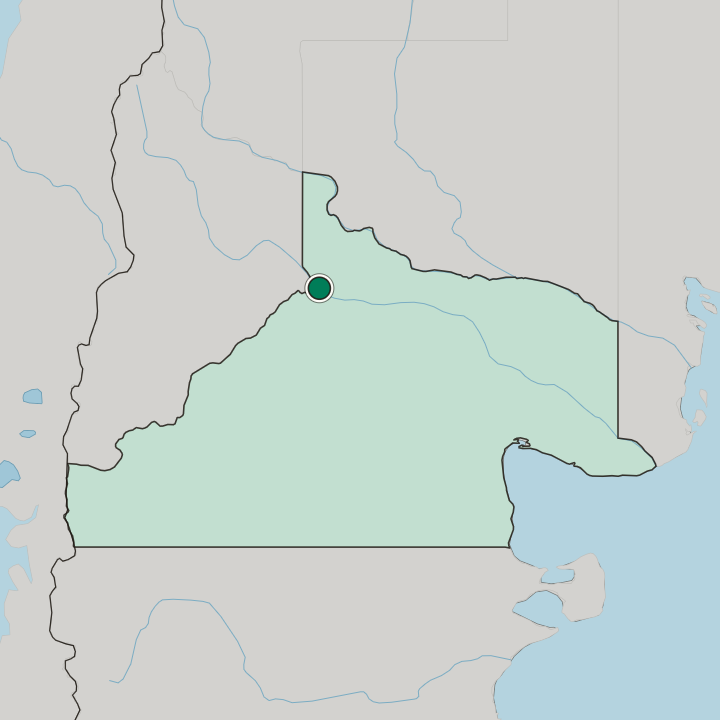
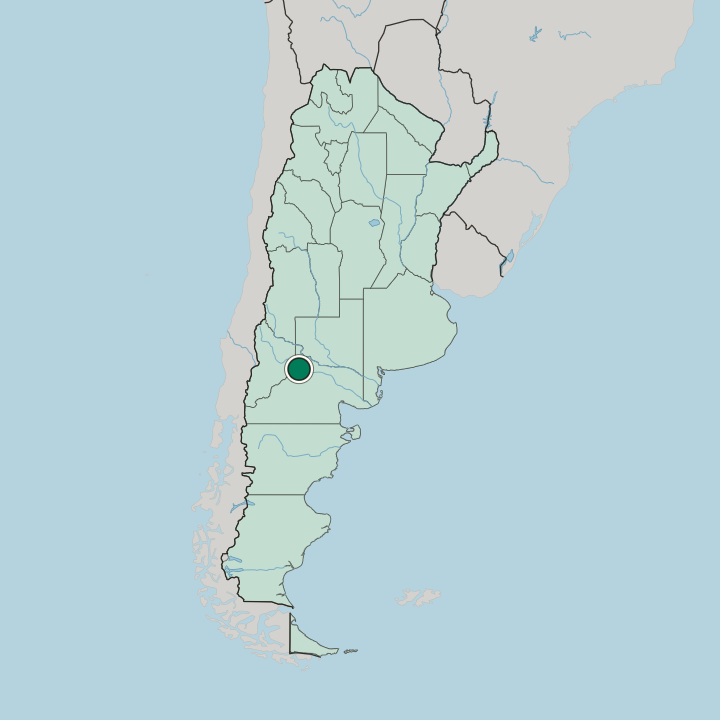
Cipolletti belongs to Río Negro Province, and Neuquén and Plottier adjoin it so closely that the three fill one continuous built-up area, the Greater Neuquén agglomeration, with no open country left between them. The ground is Patagonian. Temperate rather than polar, the setting keeps the seasons moderate, and the southern hemisphere turns the calendar around so that the warm months fall at the ends of the year and the cold ones through its middle.
Distances inside the agglomeration stay short.
What is the climate of Cipolletti?
Cipolletti runs on southern-hemisphere seasons. December and January sit in the warm half of the year here, while the cold settles through the middle months, which is the one adjustment arrivals from the northern hemisphere have to make when planning a stay in Cipolletti. The band is temperate, not polar.
Río Negro Province gives the city a moderate year by Patagonian standards, and when the weather does turn, the Carlos Ameghino Provincial Museum and MNBA Neuquén are the obvious places to spend an afternoon.
How do you get to Cipolletti?
Arrivals come through Neuquén. The Greater Neuquén agglomeration works as one destination for anyone travelling in, so the journey that ends in Cipolletti usually begins on the Neuquén side and finishes as a short local hop between two cities sharing a street network. Plottier sits at the far end of the same run.
Longer approaches inside Río Negro Province start from San Carlos de Bariloche or General Roca, and the sights a visit is often built around, Estadio Ruca Che among them, stand close enough to the arrival point to be taken in on the first day.
Common questions
What is the best area to stay in Cipolletti?
Cipolletti centre: Stays anchored on the Carlos Ameghino Provincial Museum and the Estación Cultural Lucinda Larrosa Museum. The Neuquén side of the agglomeration: Trips built around Estadio Ruca Che, MNBA Neuquén, or the Museo De La Ciudad Paraje Confluencia. Plottier: Drivers who want the far end of the Greater Neuquén agglomeration and the road out of it.
Good for
More cities in Río Negro Province
Updated October 2026