Argentina · Río Negro Province
Where to Stay in San Carlos de Bariloche, Río Negro Province
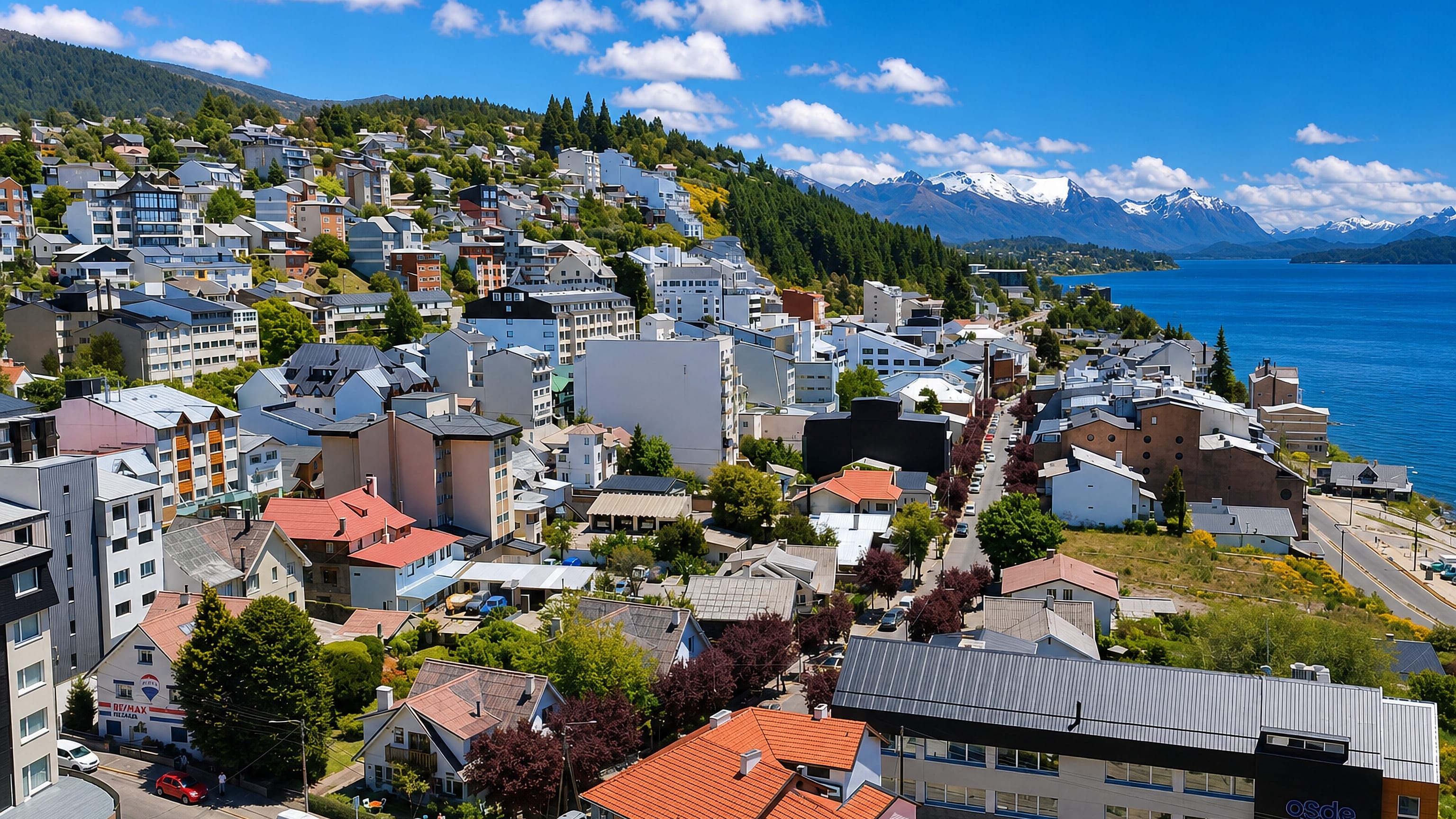
Snow lines the peaks above Bariloche, a lakeside city in the Patagonian Andes on Nahuel Huapi Lake, known for skiing and its chocolate trade.
Hotel links are affiliate links: booking through them may earn us a commission, at no extra cost to you. It never affects how places are ranked. How this works


Where to stay in San Carlos de Bariloche
The practical side of choosing where to sleep.
Bariloche stretches for miles along the southern shore of Nahuel Huapi Lake, so where you stay is a choice between the town and the water. The Civic Centre, built in the alpine stone-and-timber style around the Cathedral of Our Lady of Nahuel Huapi, is the compact heart, close to the chocolate shops and the lakefront. It is the easy first base.
West of the centre, the road toward Nahuel Huapi National Park runs past lodges and cabins set among the forest, with the peaks of the Patagonian Andes rising behind them. Skiers head that way. For the lake at your door, stay central.
Families often prefer the quieter shore addresses away from the busy core, where the beaches and viewpoints of the national park begin. The pick comes down to town life, ski access, or a room on the water.
Find hotels in San Carlos de Bariloche
Direct booking searches for these neighbourhoods.
Civic Centre
The alpine-styled Civic Centre around the Cathedral of Our Lady of Nahuel Huapi sits steps from the lakefront and the chocolate trade of Bariloche.Find hotels in Civic CentreSki and forest lodges toward the AndesNational park road
The road west toward Nahuel Huapi National Park runs past forest cabins under the peaks of the Patagonian Andes.Find hotels in National park roadHotel links are affiliate links: booking through them may earn us a commission, at no extra cost to you. It never affects how places are ranked. How this works
About San Carlos de Bariloche
What is San Carlos de Bariloche known for?
Bariloche is known as the hub of the Argentine lake district, though the mountains do the selling. It sits on the southern shore of Nahuel Huapi Lake in the foothills of the Patagonian Andes, the largest city in Rio Negro province. Skiing draws winter crowds to the slopes above town, and Nahuel Huapi National Park spreads its forests and water beyond the streets.
A Swiss-styled centre trades in chocolate and beer. The alpine look is no accident.
What are the main landmarks in San Carlos de Bariloche?
Bariloche keeps its landmarks close to the lake. The Cathedral of Our Lady of Nahuel Huapi stands in the Civic Centre in the alpine stone that defines the town's look. A short walk away, the Francisco P. Moreno Museum of Patagonia tells the story of the region, and the Bariloche Paleontological Museum adds the deep past of the rocks around it.
The lake itself is the great sight. Nahuel Huapi Lake and the peaks of the Patagonian Andes frame the streets on every side, with the trails of Nahuel Huapi National Park beginning at the edge of town.
What is the history of San Carlos de Bariloche?
Bariloche was founded in 1902 on the southern shore of Nahuel Huapi Lake, in the foothills of the Patagonian Andes near the border with Chile. It began as a trading post, moving goods across the lake and over the mountain passes between Argentina and the Chilean side. Settlers came from the Alps.
German, Swiss, and Italian families brought the timber-and-stone building style and the chocolate craft that still mark the town, and the mountains around it must have looked like home. The railway reached Bariloche and tied the isolated lake town to the rest of the country. Around the same time, Nahuel Huapi National Park was set aside, one of the first in Argentina, protecting the forests and water that drew the settlers in the first place.
The Civic Centre rose in alpine stone, with the Cathedral of Our Lady of Nahuel Huapi at its heart. Tourism grew from there, turning a frontier post into the largest city of Rio Negro province and the hub of the Argentine lake district.
Where is San Carlos de Bariloche?
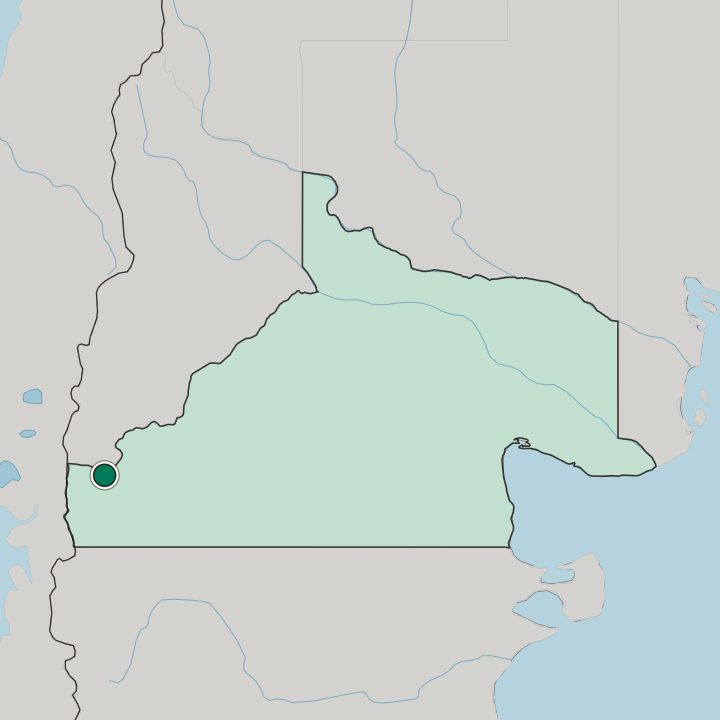
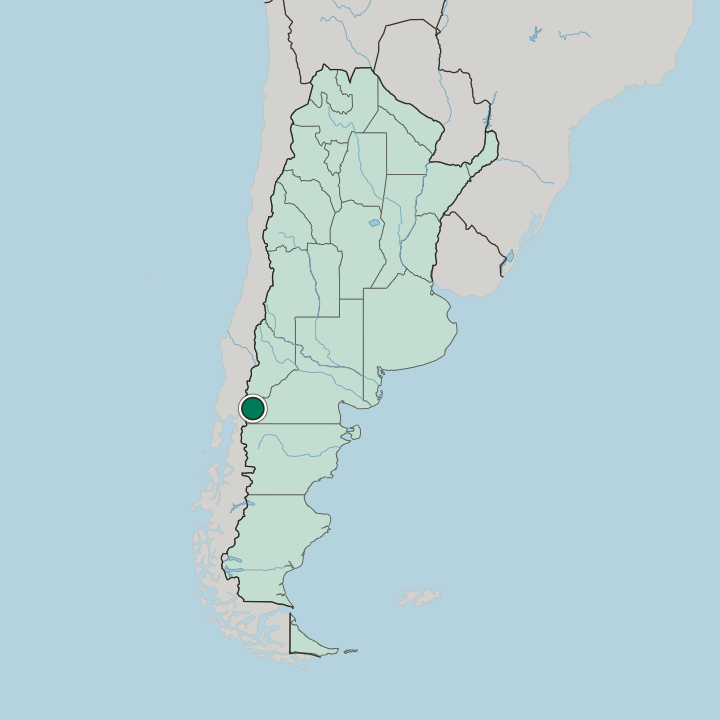
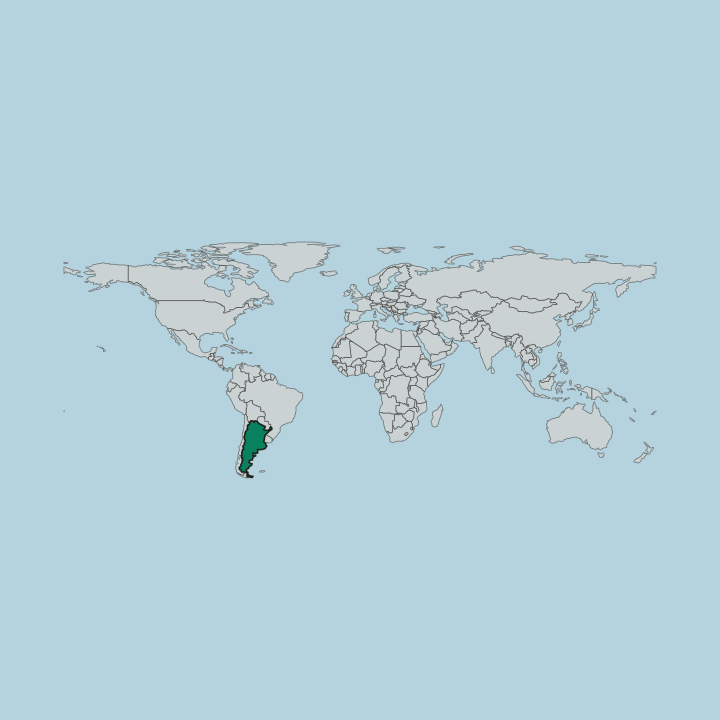
Bariloche sits in the foothills of the Patagonian Andes on the southern shore of Nahuel Huapi Lake, close to the border with Chile. The lake is deep and glacial. Its long arms reach between forested ridges toward the high snow peaks that mark the frontier, and the city spreads thin along the water, running east to west for many kilometres.
It hugs the shore. Bariloche lies in the far south-west of Rio Negro province, deep on the Argentine side of the Andes.
What is the climate of San Carlos de Bariloche?
Bariloche has a cool mountain climate shaped by the Patagonian Andes and the lake below them. Winters are long and snowy, cold enough to feed the ski season on the slopes above town, with the peaks white for months. Summers stay short and mild.
Rain and snow fall heaviest on the western ridges near the Chilean border, where damp Pacific air spills over the range, while the town on the lee shore of Nahuel Huapi Lake sees drier, brighter spells between the fronts.
How do you get to San Carlos de Bariloche?
Bariloche is reached most easily by air, its airport handling flights from across Argentina to the lake district. Long-distance buses climb the routes across Patagonia to the town, and the railway that first opened the region still runs a line toward the coast, though the roads carry most travellers now. Flights save the long haul.
Once in Bariloche, the compact Civic Centre and the shore road along Nahuel Huapi Lake put the cathedral, the museum, and the national park within easy reach.
Common questions
What is the best area to stay in San Carlos de Bariloche?
Civic Centre: First stay by the cathedral and chocolate shops. National park road: Ski and forest lodges toward the Andes.
Good for
More cities in Río Negro Province
Updated September 2026