Argentina · Salta Province
Where to Stay in Salta, Salta Province
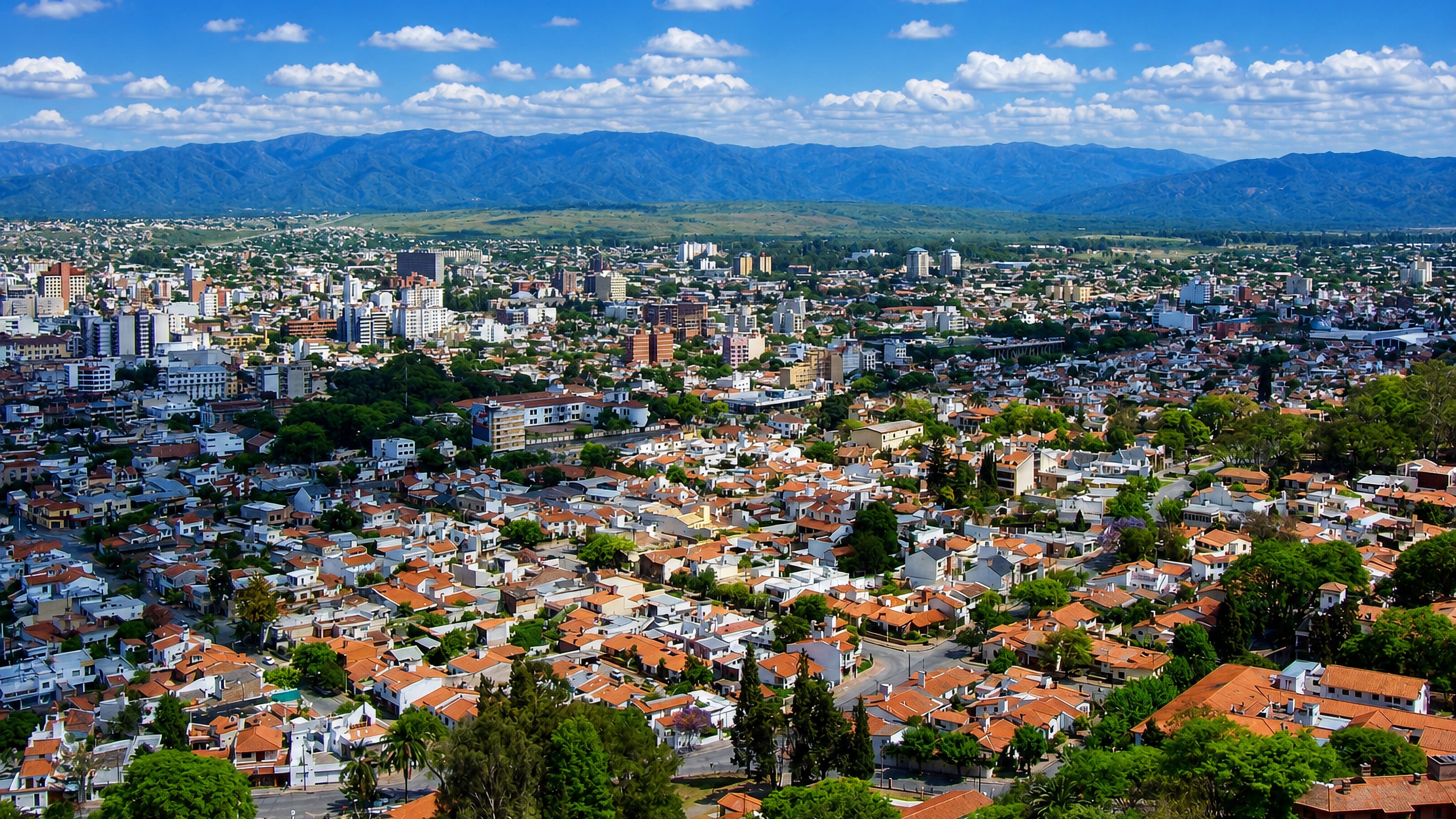
Salta is a colonial city in the Andes of northwest Argentina, known for its pink cathedral and its well-kept Spanish streets.
Hotel links are affiliate links: booking through them may earn us a commission, at no extra cost to you. It never affects how places are ranked. How this works


Where to stay in Salta
Where the beds are, and what that means for the visit.
Where you stay in Salta turns on the plaza. The colonial streets around the cathedral and the main square keep the churches, the museums, and the cafés within a walk, and staying in the centre suits anyone here for the old city. The plaza fills with music at night.
Rooms sit in the old colonial houses near the square. Out toward Cerro San Bernardo and the edges, the town spreads into quieter, greener streets. A room away from the centre trades the plaza for calm, gardens, and a start on the road into the mountains.
The Andes rise close past the town. If you want the churches and the cafés, stay by the plaza; if you want the quiet and the hills, take a room on the edge. Either way, old Salta is close at hand.
Find hotels in Salta
Direct booking searches for these neighbourhoods.
Around the plaza
In the colonial streets around the Salta Cathedral and the main square, within a walk of the cafésFind hotels in Around the plazaQuieter stays near the hillsSan Bernardo and outskirts
Toward Cerro San Bernardo on the town's edge, a start on the road into the AndesFind hotels in San Bernardo and outskirtsHotel links are affiliate links: booking through them may earn us a commission, at no extra cost to you. It never affects how places are ranked. How this works
Things to do in Salta
Ranked by global recognition; descriptions from Wikidata (CC0).
Museums & Galleries
3- Museum of High Altitude Archaeology
- History Museum of the North
- Provincial Museum of Fine Arts (Salta)
Churches & Religious Sites
3- Salta Cathedral Heritage
- Iglesia Nuestra Señora de la Candelaria de la Viña Heritage
- Iglesia de La Merced Heritage
Castles & Historic Sites
1- Güemes monument
Stadiums & Sports
1- Polideportivo Delmi
worth knowingacross 4 categories in Salta
About Salta
Salta is called Salta la Linda, Salta the Beautiful.
What is Salta known for?
High in a green Andean valley, it kept its Spanish colonial heart of arcaded plazas and painted churches better than almost any city in Argentina, crowned by the rose-coloured Salta Cathedral. The Museum of High Altitude Archaeology guards the frozen Inca children of the peaks. Colour and mountains define the town.
What are the main landmarks in Salta?
The pink Salta Cathedral crowns the plaza. Its rose-coloured towers rise over the arcaded square, the great sight of the city, and the old Cabildo stands across from it as the History Museum of the North. Faith and the mountains draw the crowds.
The Museum of High Altitude Archaeology holds the Inca children of the peaks, while the Iglesia de La Merced and the Güemes monument mark the old streets.
What is the history of Salta?
Salta was founded to guard the road to Peru. In 1582 the Spanish built the town in this fertile valley on the great route between the silver of Potosí and the plains below, and it grew rich on the mule trains that passed through. Colonial wealth built in stone.
Grand churches and the arcaded Cabildo rose around the central plaza, and the city became a proud seat of Spanish power in the northwest. War came with the fight for freedom. When Argentina rose against Spain, the gaucho general Martín Güemes led his horsemen from Salta to hold the northern frontier against the royalist armies, and he died defending the city.
Independence changed its fortunes. The mule trade faded as borders hardened, and Salta slipped into a long quiet that preserved its colonial face intact. High on the volcanoes, archaeologists later found the frozen Inca children now kept in the Museum of High Altitude Archaeology.
Salta guards its beauty in the mountains still.
Where is Salta?
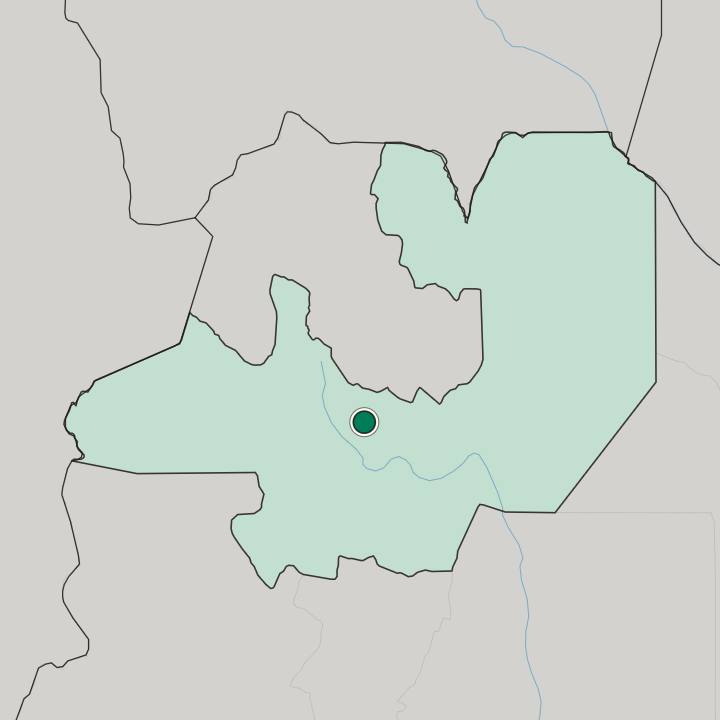
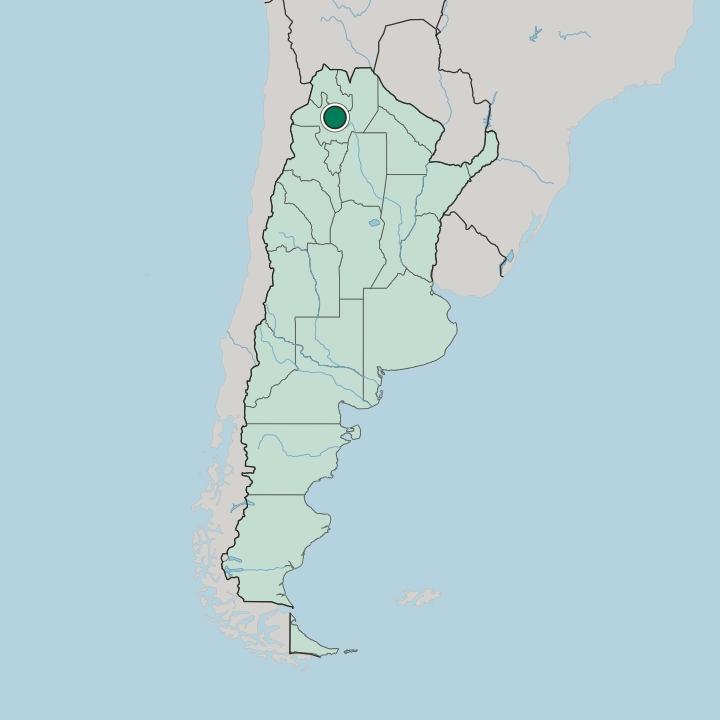
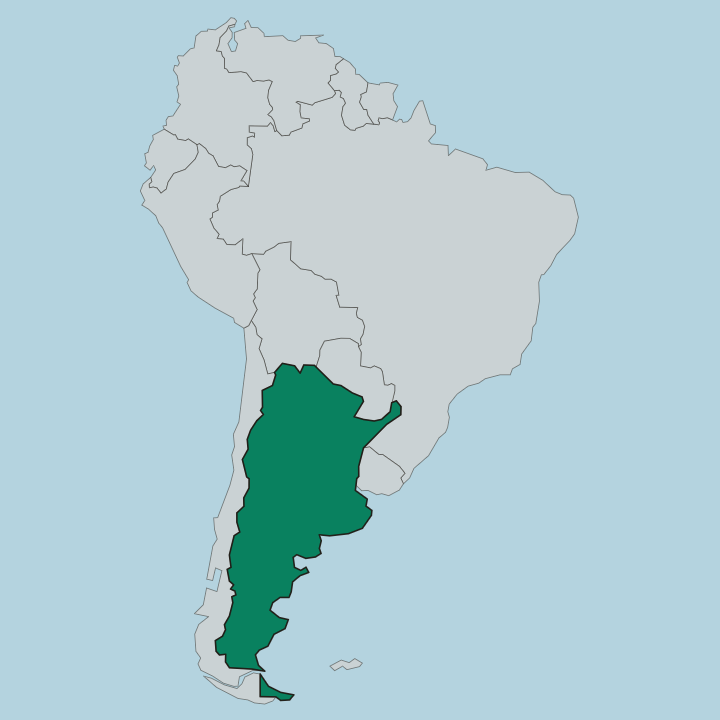
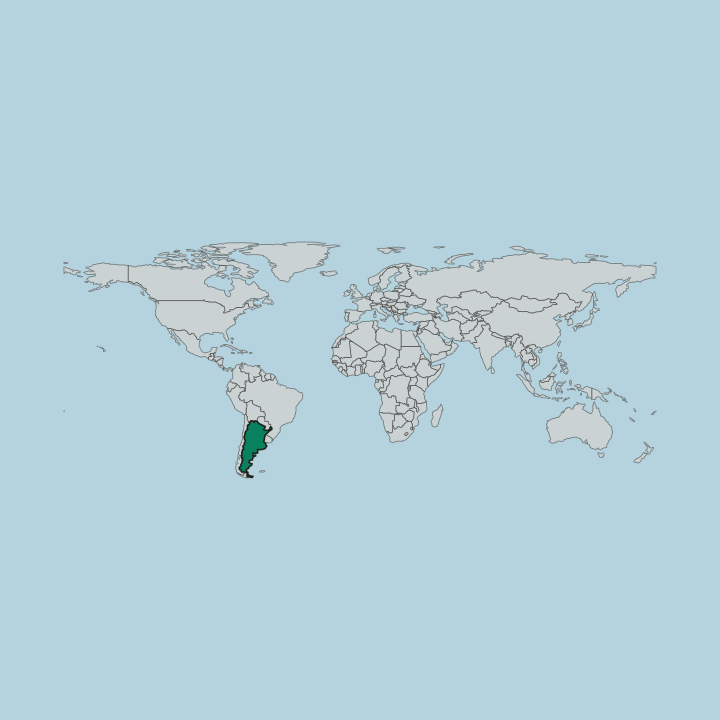
Salta sits in a green valley of the Andes. The city fills the Lerma Valley in the far northwest of Argentina, ringed by steep wooded mountains where the dry high plateau meets the subtropical hills. Green peaks rise close on every side.
A warm valley floor holds the old city.
What is the climate of Salta?
Salta enjoys a mild subtropical highland climate. Warm, wet summers bring afternoon rains to the valley, and the winters stay dry and sunny with cool nights, tempered by the mountain height. Mist clings to the wooded peaks.
The valley stays green much of the year.
How do you get to Salta?
Salta lies far up in the Argentine northwest. Its airport links the city to Buenos Aires and beyond, and roads and a famous mountain railway climb from the valley into the high Andes. Buses reach the villages and the border.
Most arrive by air or the long road north.
Common questions
What is the best area to stay in Salta?
Around the plaza: Visitors here for the Cabildo and the Museum of High Altitude Archaeology. San Bernardo and outskirts: Quieter stays near the hills.
Good for
Updated September 2026