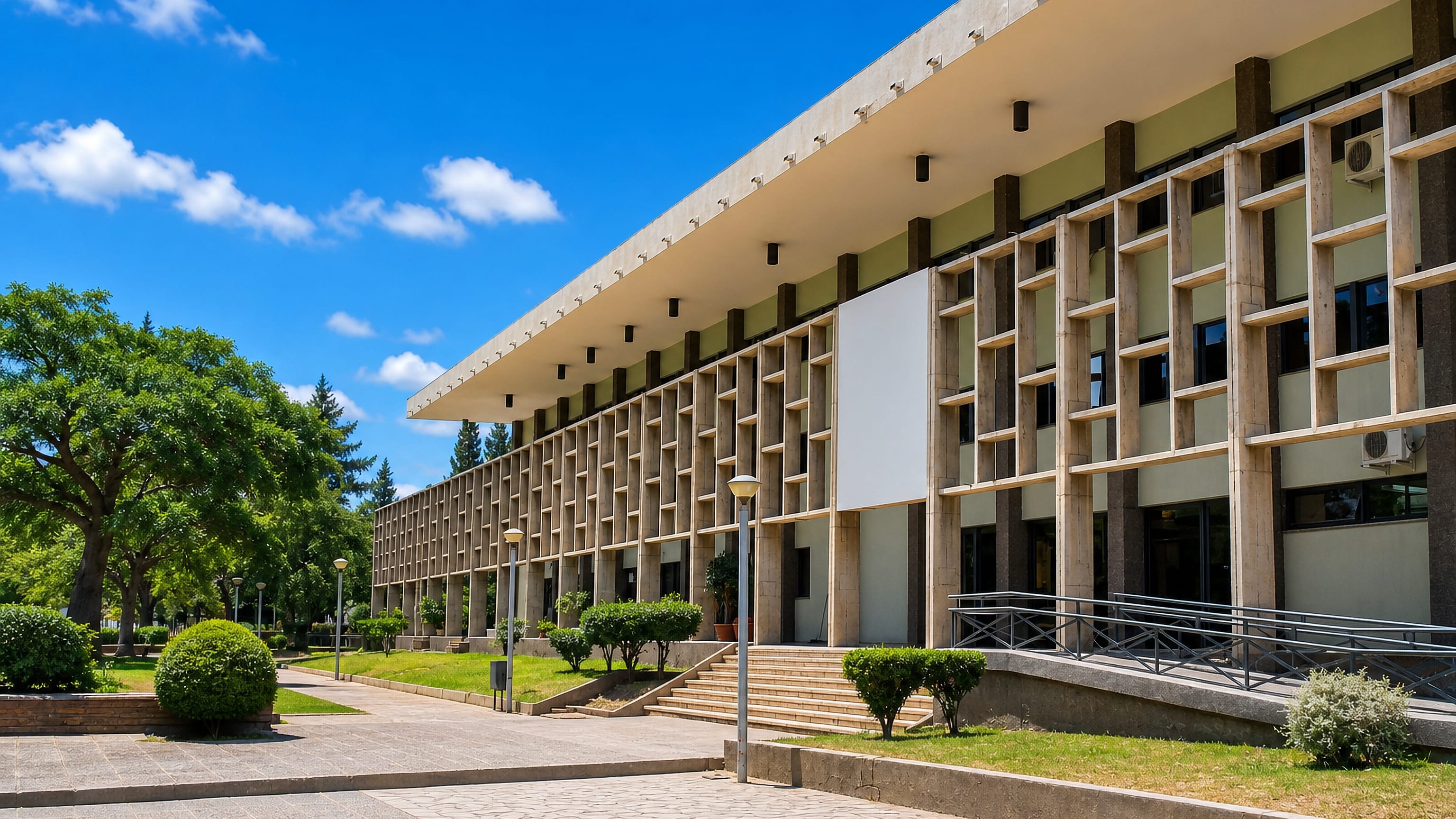
Argentina · San Juan Province
Where to Stay in San Juan, San Juan Province
San Juan is a city of western Argentina at the foot of the Andes, a sunny wine town of the Cuyo, near the strange rock valleys of the Ischigualasto desert.
Hotel links are affiliate links: booking through them may earn us a commission, at no extra cost to you. It never affects how places are ranked. How this works


Where to stay in San Juan
Where the beds are, and what that means for the visit.
Where you stay in San Juan turns on the town or the wine country. The centre keeps the plaza, the cathedral, and the museums within a walk, and staying downtown suits anyone here for the city. The dry hills rise beyond.
Vines fill the valley floor. Out toward the vineyards and the desert, the town gives way to the wine roads, the olive groves, and the tracks to the moon valley. A room in the wine country trades the streets for the quiet cellars, the green vines, and the wide desert under the Andes.
Empty desert stretches past the last vines. Stay downtown for the city, or out for the wine. The sunny vines and the moon valley hold the Cuyo city.
Find hotels in San Juan
Direct booking searches for these neighbourhoods.
The centre
In the cityFind hotels in The centreStays wanting the vineyards and desertThe wine country
Out toward IschigualastoFind hotels in The wine countryHotel links are affiliate links: booking through them may earn us a commission, at no extra cost to you. It never affects how places are ranked. How this works
Things to do in San Juan
Ranked by global recognition; descriptions from Wikidata (CC0).
Museums & Galleries
3- Museo Provincial de Bellas Artes Franklin Rawson
- Casa Natal de Sarmiento - Museo y Biblioteca
- Museo De Ciencias Naturales De San Juan
Churches & Religious Sites
1- St. John the Baptist Cathedral, San Juan Heritage
worth knowingacross 2 categories in San Juan
About San Juan
San Juan is the wine city of the Argentine Cuyo.
What is San Juan known for?
At the foot of the Andes in the west of Argentina, in a hot dry sunny land, it grew as a wine and farm town, and it keeps the vineyards along its rivers, the folk shrine of the Difunta Correa in the desert, the moon-like rocks of the Ischigualasto valley, and the birthplace of Sarmiento in its streets. The dry Andes wall the west. Vines spread along the rivers.
What are the main landmarks in San Juan?
The Ischigualasto valley is the pride of the San Juan country. The strange moon-like desert of wind-carved rock and ancient bones, north of the city, is the emblem of the region, out of downtown. A shrine draws the pilgrims.
The desert shrine of the Difunta Correa stands out on the plain nearby, while the vineyards, the Sarmiento house, and the high Andes mark the country around San Juan.
What is the history of San Juan?
San Juan grew by its rivers in the desert. Spanish settlers laid out the town by the river and led its water to the fields, and vineyards and orchards spread in the dry land. A great man was born here.
The city was the birthplace of Sarmiento, the teacher and president who shaped the young nation. Wine made the valley rich. Over the years the vineyards of San Juan grew into a great wine country, second in the land, and its cellars shipped wine across Argentina.
The desert held wonders. North of the city lay the moon valley of Ischigualasto, with its strange rocks and ancient bones, and the desert shrine of the Difunta Correa drew pilgrims by the thousand, so San Juan grew as the sunny wine city of the Cuyo, keeping its vines, its river, and its desert. The vines still line the rivers.
San Juan keeps its wine city below the Andes.
Where is San Juan?
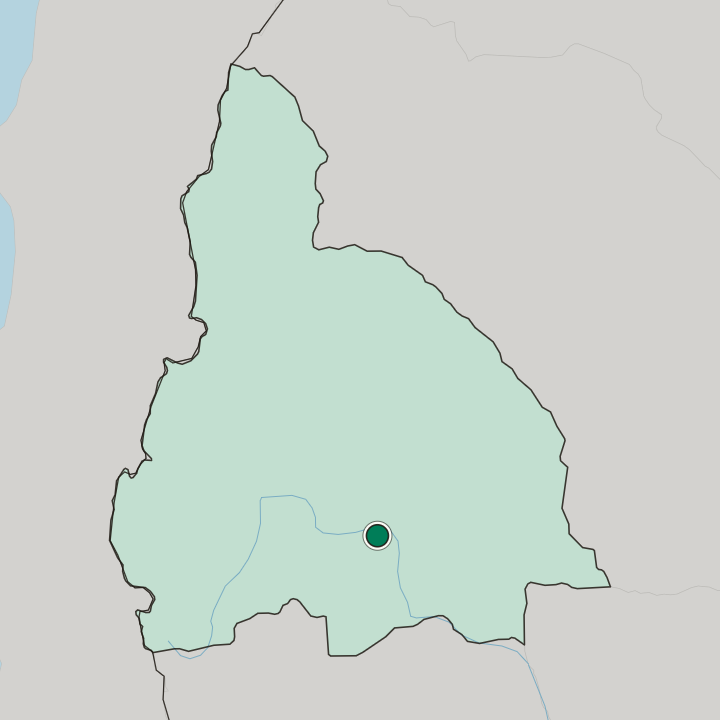
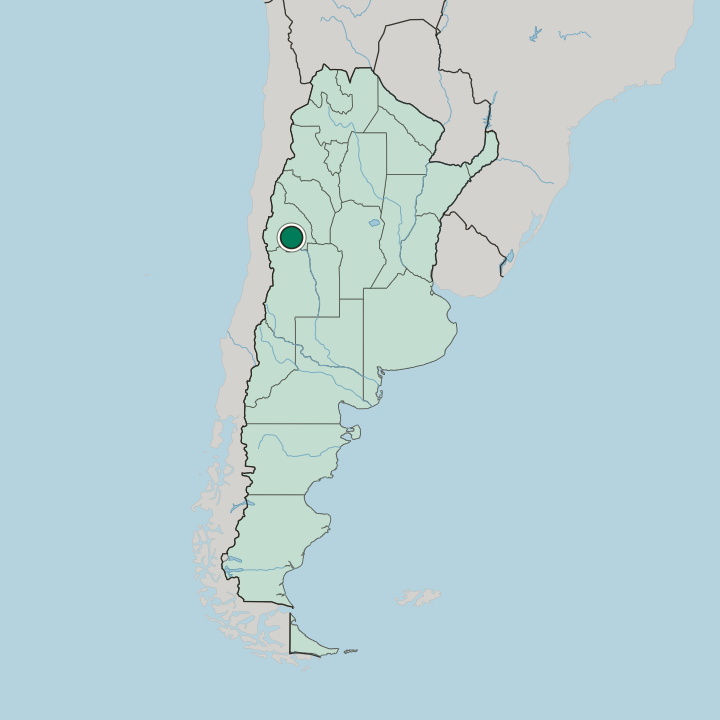
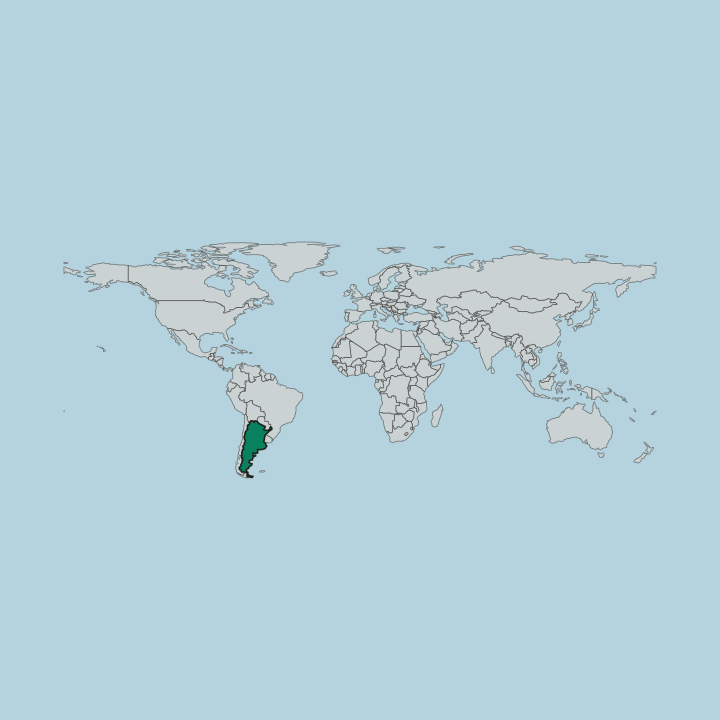
San Juan lies in the west of Argentina, in a dry valley at the foot of the Andes. The city sits on the San Juan river where it runs down from the mountains, in a hot arid land of vineyards and desert, with the high Andes rising to the west and the bare hills and the moon valley stretching away to the north. The river waters the green fields.
Bare desert runs to the peaks.
What is the climate of San Juan?
San Juan has a hot, dry Andean climate. Blazing summers and mild winters cross the valley, with fierce dry sun most of the year and rare rain by the mountains. Summer bakes the dry land.
Clear skies fill the year.
How do you get to San Juan?
San Juan lies in western Argentina, on the road north of Mendoza. Highways run to it from Mendoza and across the country, and a road climbs west into the Andes. Flights land from the capital.
Mendoza lies south down the road.
Common questions
What is the best area to stay in San Juan?
The centre: Visitors here for the plaza and museums. The wine country: Stays wanting the vineyards and desert.
Good for
Updated September 2026