Argentina · San Luis Province
Where to Stay in San Luis, San Luis Province
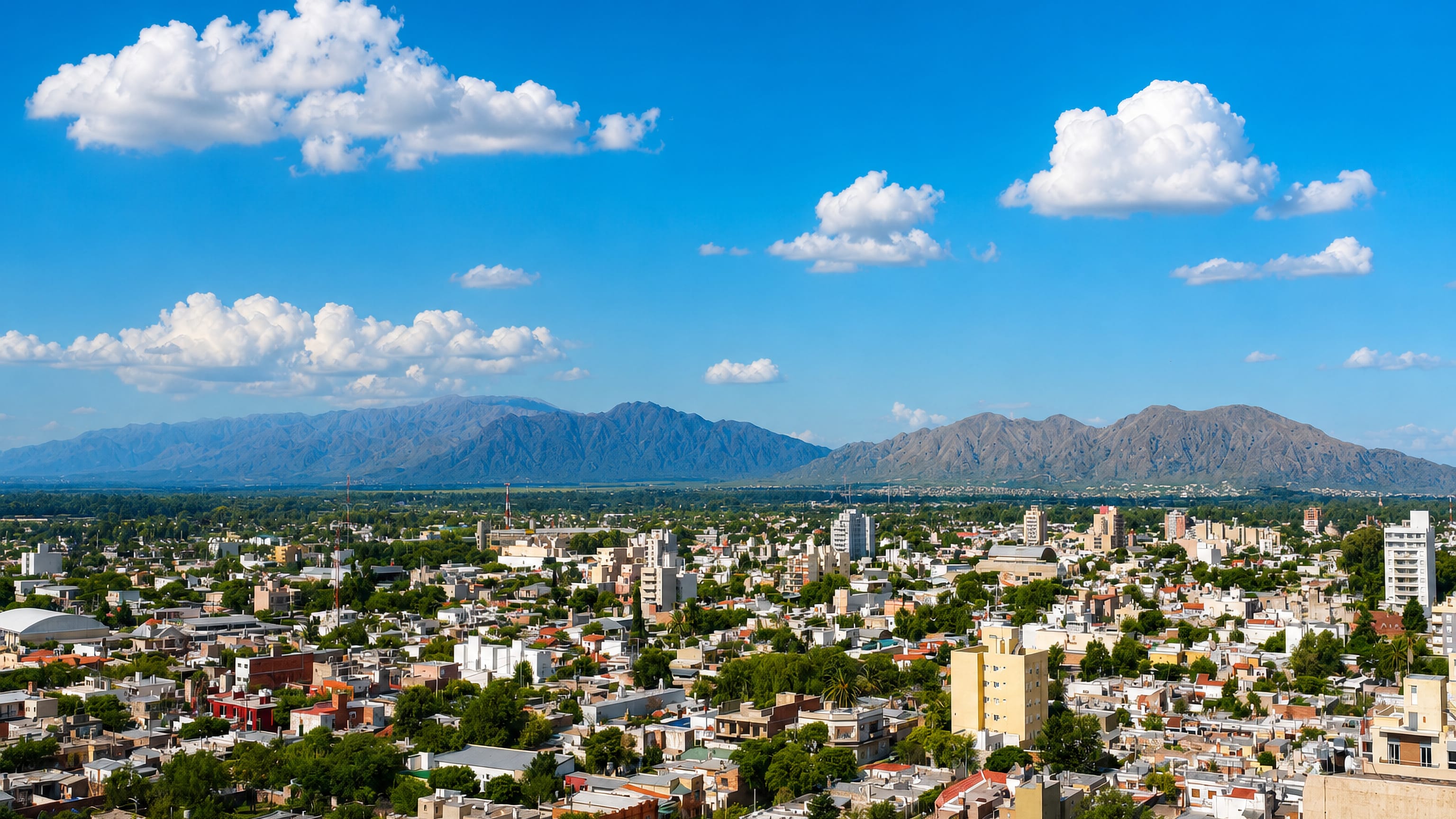
San Luis, capital of San Luis Province in the Cuyo region of Argentina, was founded in 1594 near the Sierras de San Luis.
Hotel links are affiliate links: booking through them may earn us a commission, at no extra cost to you. It never affects how places are ranked. How this works


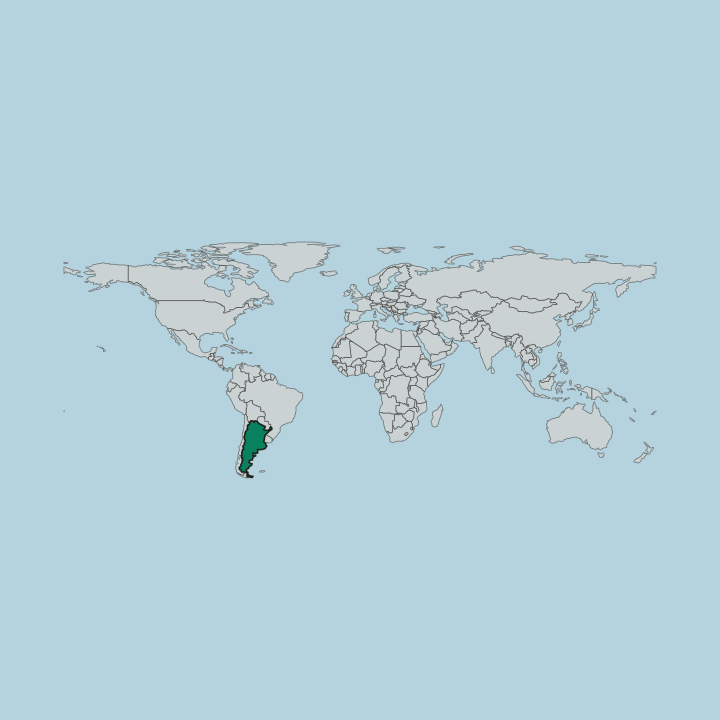
Where to stay in San Luis
The practical side of choosing where to sleep.
Most beds in San Luis are booked for the road out. The Sierras de San Luis begin close enough that a room in the centre still counts as a base for the valleys, and the reservoirs and gorges of the metropolitan area are a short drive rather than an expedition. Walking across the centre takes minutes.
Around the Catedral de San Luis the streets hold the civic core, with the Museo Histórico de San Luis keeping the founding story for anyone who wants it before the mountains. Culture keeps its own address. La Casa De Las Culturas and the Museo Provincial Dora Ochoa de Masramón give the city a second reason to stay a night longer, and the Guillermo Enrique Hudson Private Museum of Natural Sciences adds a natural-history stop that pairs with the sierras.
Rooms on the sierra side suit early starts, since the valleys of the Sierras de San Luis and the gorges near the metropolitan edge come first thing rather than after a crossing of the city. San Luis is also the seat of the Juan Martín de Pueyrredón Department. Nights in town, days in the hills.
Find hotels in San Luis
Direct booking searches for these neighbourhoods.
Catedral de San Luis centre
The cathedral streets and the Museo Histórico de San Luis put the city's own record before any trip into the hills.Find hotels in Catedral de San Luis centreEarly starts into the valleys of the Sierras de San LuisSierra side
Rooms facing the sierras cut a city crossing out of the run to the reservoirs and gorges. Few places to stay nearby — book ahead.Find hotels in Sierra sideEvenings around La Casa De Las CulturasCulture quarter
La Casa De Las Culturas and the Museo Provincial Dora Ochoa de Masramón give the centre a programme that outlasts daylight.Find hotels in Culture quarterHotel links are affiliate links: booking through them may earn us a commission, at no extra cost to you. It never affects how places are ranked. How this works
Things to do in San Luis
Ranked by global recognition; descriptions from Wikidata (CC0).
Museums & Galleries
3- Museo Histórico de San Luis
- Guillermo Enrique Hudson Private Museum of Natural Sciences
- La Casa De Las Culturas
Churches & Religious Sites
1- Catedral de San Luis
worth knowingacross 2 categories in San Luis
About San Luis
Travellers use San Luis for what lies past it.
What is San Luis known for?
The Sierras de San Luis open into valleys within reach of the city, and reservoirs and deep gorges sit a few kilometres out from the centre. In town, the Catedral de San Luis and the Museo Histórico de San Luis carry the older record, while La Casa De Las Culturas handles the newer one. City and province share the name.
What are the main landmarks in San Luis?
The Catedral de San Luis is the fixed point. Five museums follow: the Museo Histórico de San Luis for the city's own past, the Museo Provincial Dora Ochoa de Masramón for the province's, and the Guillermo Enrique Hudson Private Museum of Natural Sciences for the natural world that surrounds both. La Casa De Las Culturas rounds out the list as a cultural house rather than a museum.
Six in all. The list is short, and the Sierras de San Luis do the rest of the work outside town.
What is the history of San Luis?
San Luis was founded in 1594. The official name is longer than the one in use: San Luis de Loyola Nueva Medina de Rioseco. Four centuries of that name have been shortened to two words in everyday speech.
The city became the capital of San Luis Province and the seat of the Juan Martín de Pueyrredón Department, which keeps provincial and departmental government in the same streets, with the Catedral de San Luis at the centre of them. What survives of the past is held in small institutions. The Museo Histórico de San Luis carries the city's record, and the Museo Provincial Dora Ochoa de Masramón carries the province's, the two together covering the ground from the founding to the modern administrative capital.
Natural history has a private keeper in the Guillermo Enrique Hudson Private Museum of Natural Sciences. La Casa De Las Culturas works on culture rather than on chronology. Five collections and one cathedral hold the whole of it.
Around all of that, the Sierras de San Luis and the valleys of the Cuyo region set the frame the city has occupied since 1594.
Where is San Luis?
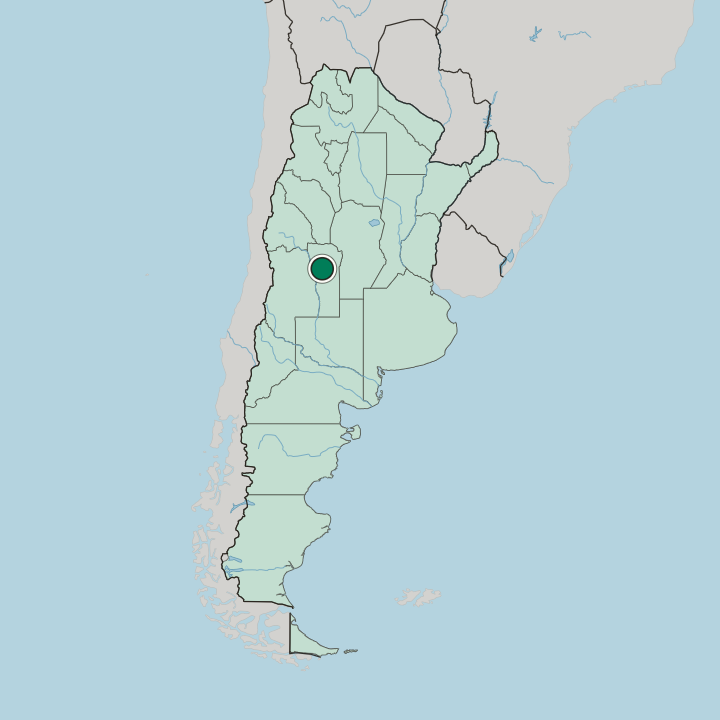
The Sierras de San Luis rise beyond the city, and the ground between carries valleys, reservoirs and deep gorges within a few kilometres of the centre. San Luis sits inland, in the Cuyo region of Argentina. No coast, no port.
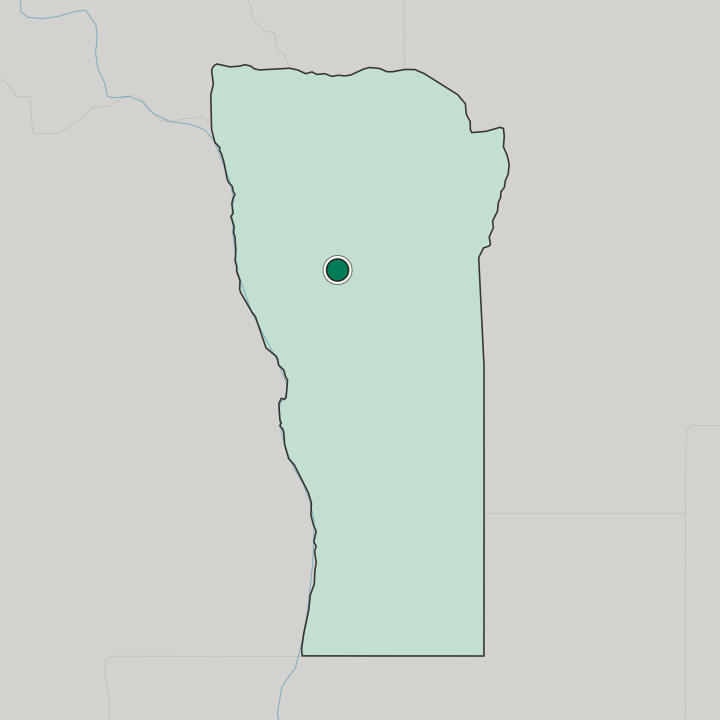
The Juan Martín de Pueyrredón Department takes in the city and the country immediately around it.
What is the climate of San Luis?
The Sierras de San Luis do the work here. San Luis lies in the subtropical band, inland in the Cuyo region, so the hottest weeks fall around the turn of the year and the hills alter the pattern within a short drive of the centre. Mid-year is the cool half.
Seasons follow the southern order, which puts the coldest stretch in June and July rather than at the start of the calendar.
How do you get to San Luis?
Arrival here usually means departure soon after. The city is the capital of San Luis Province and the seat of the Juan Martín de Pueyrredón Department, which puts the province's roads and its administrative traffic through the same centre. From there the Sierras de San Luis are the usual next move, with the reservoirs and gorges of the metropolitan area only a few kilometres out.
Everything else in the Cuyo region lies overland from here.
Common questions
What is the best area to stay in San Luis?
Catedral de San Luis centre: First nights beside the Catedral de San Luis. Sierra side: Early starts into the valleys of the Sierras de San Luis. Culture quarter: Evenings around La Casa De Las Culturas.
Good for
Another city in San Luis Province
Updated October 2026