Argentina
San Luis Province, Argentina — Towns & Travel Guide
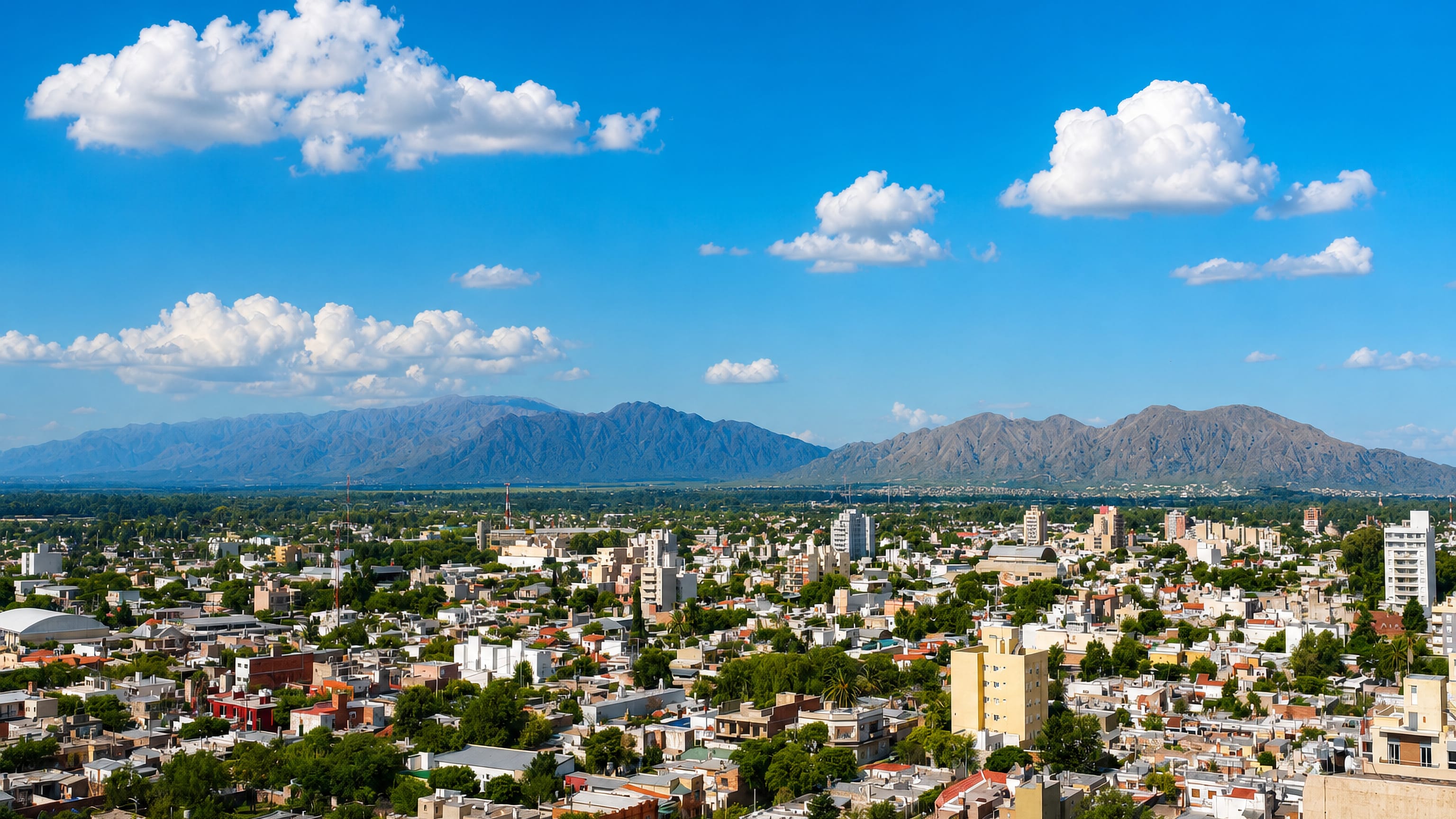
A landlocked province near the centre of Argentina, where the Cuyo plains rise into the Sierra de San Luis and the Comechingones.
Hotel links are affiliate links: booking through them may earn us a commission, at no extra cost to you. It never affects how places are ranked. How this works


Towns & cities in San Luis Province
Pick a town or city — each links to where to stay.

 Argentina
San Luis
San Luis, capital of San Luis Province in the Cuyo region of Argentina, was founded in 1594 near the Sierras de San Luis.Where to stay →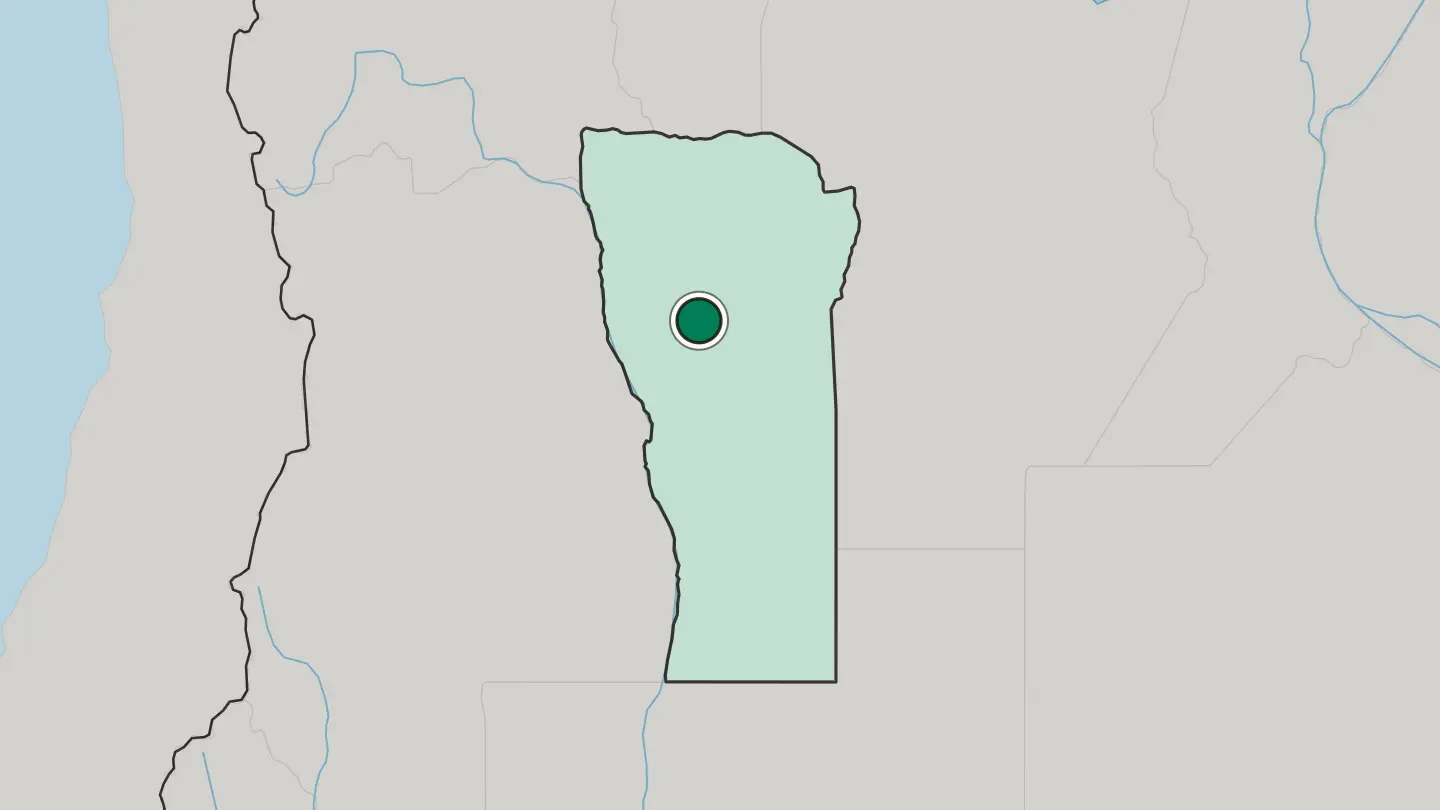
 Argentina
Villa Mercedes
Villa Mercedes stands on the left bank of the Quinto River in the province of San Luis, Argentina, a road-junction city founded in 1856.Where to stay →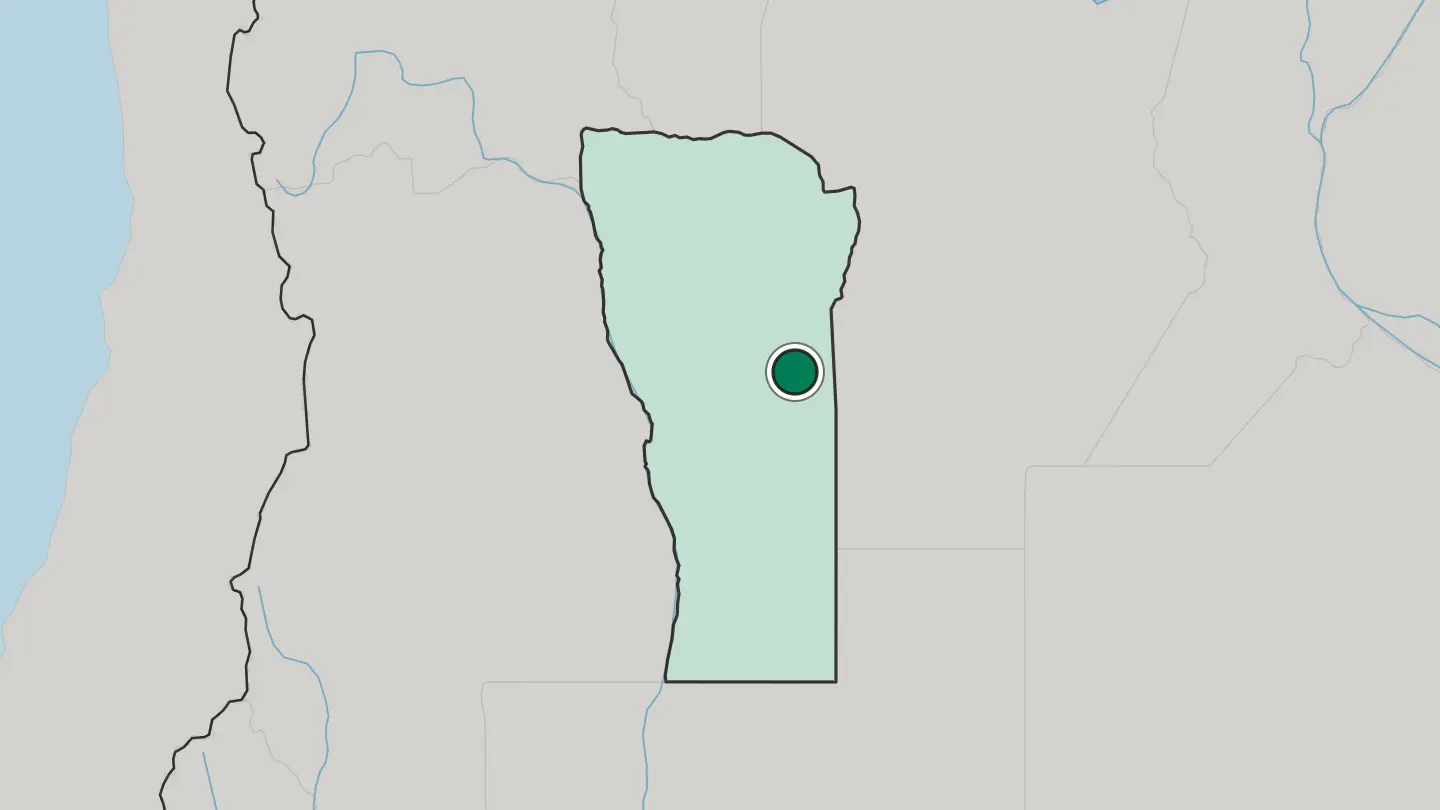
Hotel links are affiliate links: booking through them may earn us a commission, at no extra cost to you. It never affects how places are ranked. How this works
About San Luis Province
What is San Luis Province known for?
San Luis is one of the three provinces of the Cuyo region, set near the middle of Argentina and far from any coast. Its draw is the sierras. Two ranges cross the north, the Sierra de San Luis and the Sierras de Comechingones, and between them opens the green Valle del Conlara.
The eastern slopes above Villa de Merlo hold a microclimate famous across the country. South of the hills the land flattens into dry pampa, cut by the Río Quinto on its slow, closed-basin way toward the swamps of the plain.
Where is San Luis Province?
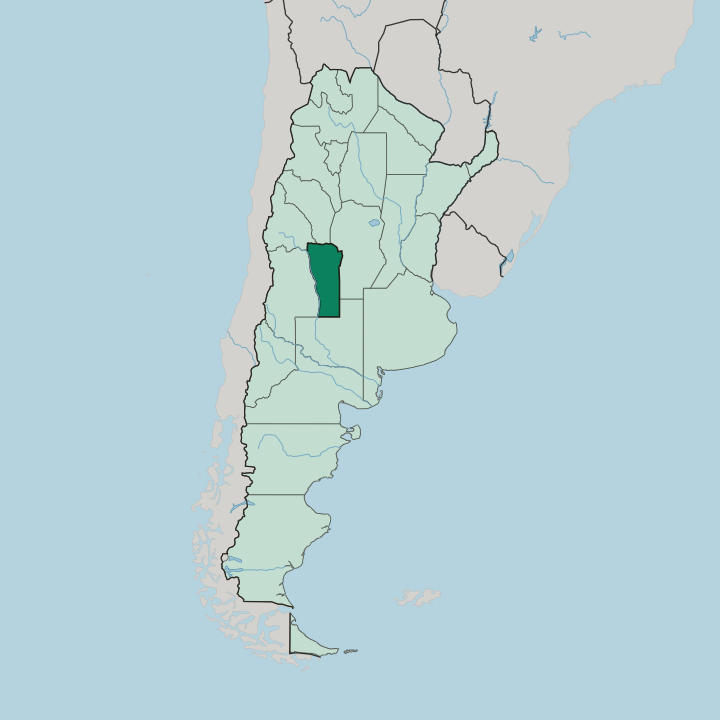
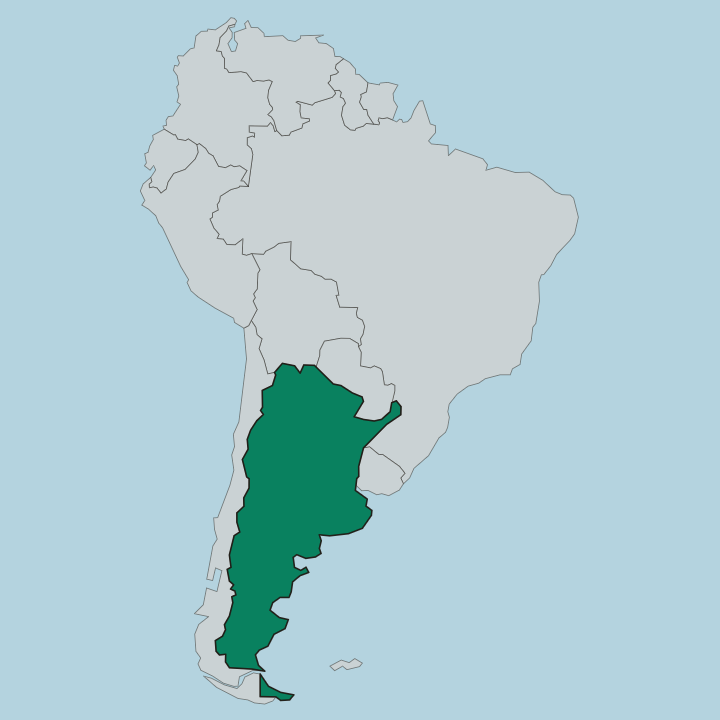
San Luis lies near the geographic centre of Argentina, one of the three provinces of the Cuyo region and entirely landlocked. It touches five neighbours. Córdoba and La Rioja border it to the north, Mendoza and San Juan to the west, and the flat expanse of La Pampa runs along its southern edge.
The province splits cleanly into two lands. Its north is mountain country, where the Sierra de San Luis and the Sierras de Comechingones run roughly parallel and lift to around 2,500 metres, with the broad Valle del Conlara opening between the two ranges. Down south lies dry pampa, low and open, fading toward the plains that carry on into La Pampa.
Water gathers in the hills and spills onto the flat. The Río Quinto, called Popopis in the old tongue, rises near the Retama peak in the Sierra de San Luis and runs south-east across the province, an endorheic river that never reaches the sea but drains instead into the Bañados de la Amarga swamps out on the plain. In the far north-west the ground breaks open into the reddish canyons of the Sierra de las Quijadas, a maze of eroded rock, deep ravines and old dinosaur beds set aside as a national park.
Two lands in one. Between the mountains and the pampa, the province holds both halves of the Argentine interior at once.
What is San Luis Province like?
San Luis carries the character of the Argentine interior, a place of sierras, small towns and long open country. Its people call it the puerta of Cuyo, the doorway into the mountainous west. The province took its shape early.
Its old Cuyo heartland was frontier land, contested for generations between Spanish settlers pushing east from Chile and the peoples already on the land, and that hard border left the towns spread thin and self-reliant. Music holds much of the culture together. Villa Mercedes, out on the eastern pampa, is known across the country as a home of Argentine folklore song, and the sound belongs to the province as much as to any stage.
Food follows the land. Goat raised on the dry hills comes to the table as chivo a las brasas, slow-grilled kid, a dish the sierra towns claim as their own. Spanish is the language everywhere.
The capital wears a modern face, a planned and orderly city, and up the road La Punta was laid out whole in 2004 with a full-scale replica of a colonial cabildo at its heart. Tradition and new building sit side by side here, in the towns as much as in the hills.
What is the history of San Luis Province?
The city of San Luis was founded in 1594 by the Spaniard Luis Jufré, then abandoned and refounded in 1596 as San Luis de Loyola, a frontier post on the road linking Cuyo with the settlements of the west. For two centuries it held that edge under Spanish rule. San Luis was governed from afar as part of the Cuyo lands until Argentina broke from Spain and its provinces began to stand on their own.
It became an autonomous province in 1820. From a lone frontier town on a contested plain grew one of the provinces of the Argentine republic.
What is the climate of San Luis Province?
San Luis has a warm temperate climate, dry and marked by its seasons. Summers run hot and humid. Winters are cool, very dry and bright.
Sun is the province's constant, and the eastern slopes of the Sierras de Comechingones above Villa de Merlo are known for a microclimate so dry and still that people travel there to breathe it. Rain comes mostly in the warm months and drains fast off the dry pampa. Snow falls now and then on the higher sierras, though never enough for a season of it.
How do you get to San Luis Province?
Most people arrive by air or road. The capital's airport connects to Buenos Aires, and a second field, Valle del Conlara near Villa de Merlo, brings visitors straight to the northern sierras from the capital of the country. The province straddles the main transport axis between Buenos Aires and Mendoza, so buses and cars pour through it on the long haul west.
From the capital, provincial roads climb north into the Sierra de San Luis and the Comechingones. Rail service is thin now.
Common questions
What is the best area to stay in San Luis Province?
San Luis: arriving and touring the sierras from a capital base. Villa de Merlo: the Comechingones microclimate and mountain air. Potrero de los Funes: lakeside stays near the capital. Villa Mercedes: the eastern plains and folklore country.
Good for
More regions in Argentina
Updated September 2026