Argentina · San Luis Province
Where to Stay in Villa Mercedes, San Luis Province
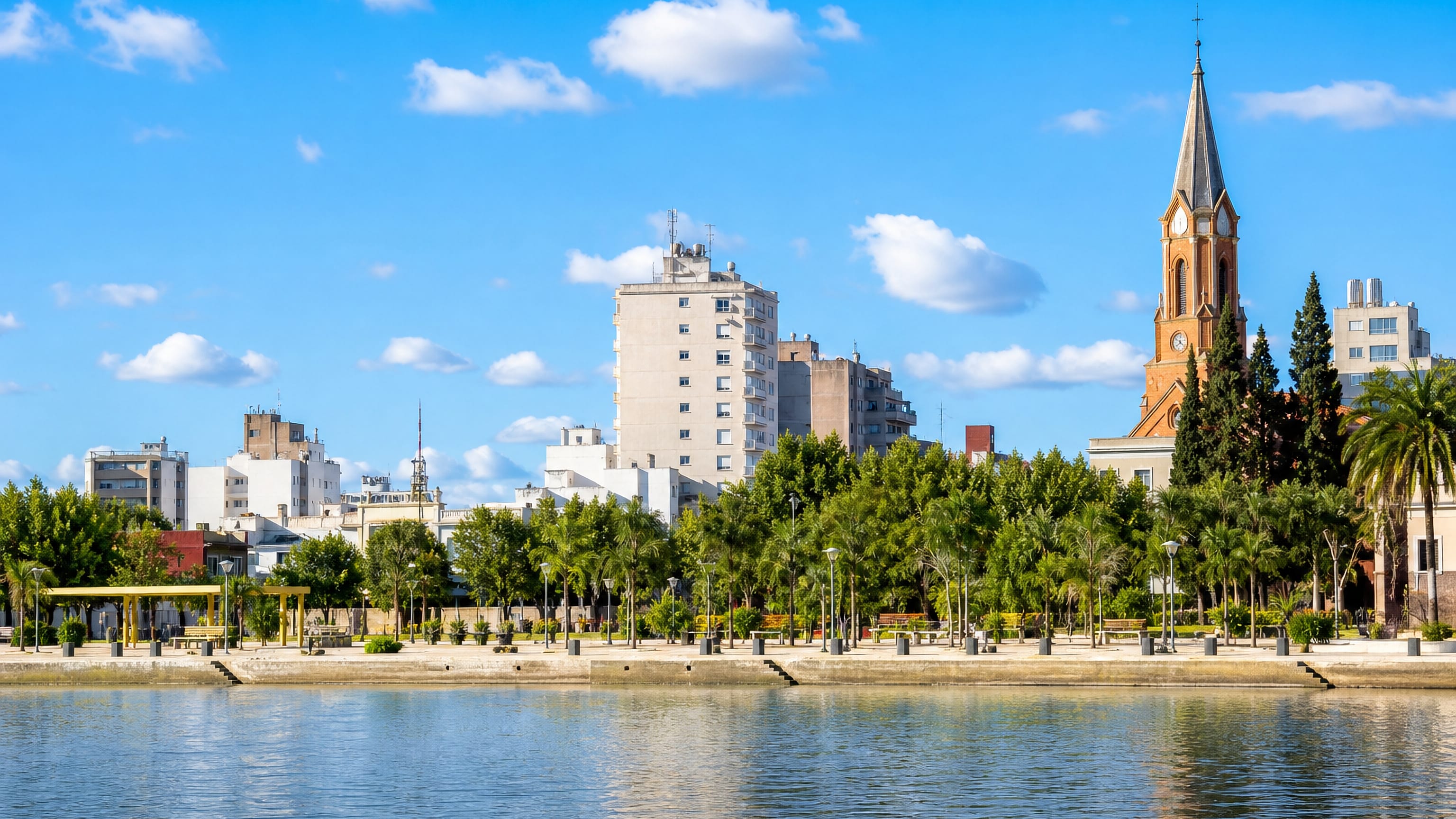
Villa Mercedes stands on the left bank of the Quinto River in the province of San Luis, Argentina, a road-junction city founded in 1856.
Hotel links are affiliate links: booking through them may earn us a commission, at no extra cost to you. It never affects how places are ranked. How this works


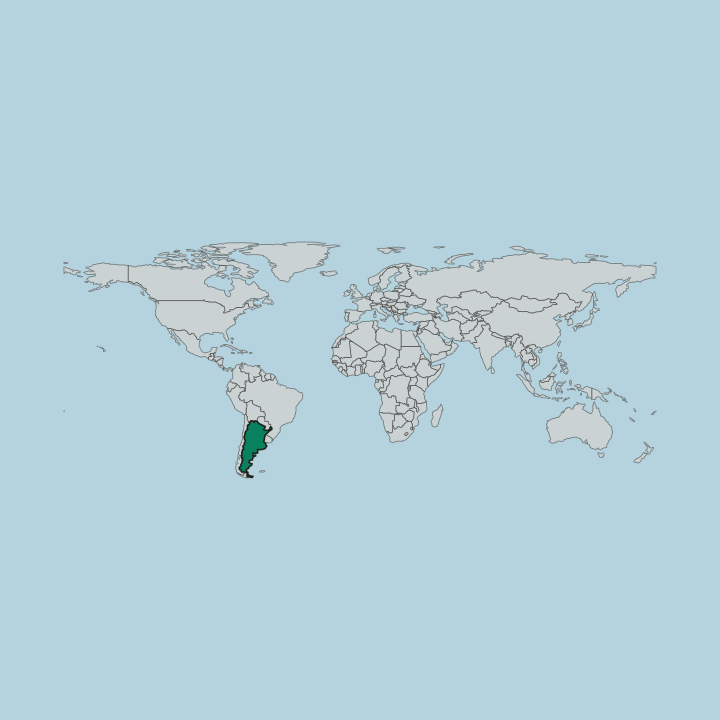
Where to stay in Villa Mercedes
Where the beds are, and what that means for the visit.
Much of the accommodation in Villa Mercedes exists for road traffic, because National Route 7 and National Route 148 both pass the city and a great many guests are breaking a journey rather than visiting. Where to sleep follows from that. A driver stopping for one night wants the routes, easy parking and an early start, whereas anyone here for the museums wants the centre and will find the roadside strip an inconvenient base for a day spent on foot.
The two rarely overlap. Central streets put Museo Ferroviario and the Museo Histórico Municipal Santiago Betbeder within a walk of each other, which makes them the sensible base for a museum day that also takes in the Museo Malvinas Eduardo R. Guzmán. The river side reads differently.
Rooms toward the left bank of the Quinto River sit on the edge the city was founded along, away from the junction traffic, and suit a stay with no fixed schedule better than a night squeezed between two long drives. Drivers should stay near the routes. Anyone crossing between San Luis and the boundary with Córdoba will lose less time from a bed close to National Route 8, and the Boxer's Museum "Casa de José María Gatica" is close enough to the centre to fit into the following morning before the road resumes.
Find hotels in Villa Mercedes
Direct booking searches for these neighbourhoods.
The museum centre
The central blocks of Villa Mercedes where Museo Ferroviario and the Museo Histórico Municipal Santiago Betbeder stand within a walk of one anotherFind hotels in The museum centreUnhurried stays that want the river rather than the highwayThe Quinto bank
The left bank of the Quinto River, the edge Villa Mercedes was founded along and set back from the junction trafficFind hotels in The Quinto bankOne-night stops between National Route 8 and National Route 7The route junction
The roadside edge of Villa Mercedes near where the national routes meet, arranged for drivers crossing between San Luis and CórdobaFind hotels in The route junctionHotel links are affiliate links: booking through them may earn us a commission, at no extra cost to you. It never affects how places are ranked. How this works
About Villa Mercedes
Seven museums and a road junction.
What is Villa Mercedes known for?
Villa Mercedes sits on National Route 148 close to where National Route 8 meets National Route 7, so traffic has always had a reason to stop here, and the museum list that resulted runs wider than the size of the city would lead anyone to expect. Trains are part of it. Museo Ferroviario keeps the railway record while the Quinto River marks the edge the city was first built along, and between the water and the roads there is little about Villa Mercedes that transport does not explain.
What are the main landmarks in Villa Mercedes?
The collections split cleanly by subject. Museo Ferroviario handles the railway, the Museo Histórico Municipal Santiago Betbeder holds the civic record, and the Museo Malvinas Eduardo R. Guzmán keeps a strand of national memory in a building of its own rather than on a plaque. Boxing gets a house.
The Boxer's Museum "Casa de José María Gatica" is precisely what the name says. Museo Argentino Nativista Héctor Aubert, the Museo Temático De Física Prof A. M. Fiorella De Grilli López and the Museo De Sitio Del Centro Educativo Nº 9 Juan Llerena carry the rest, from nativist collections to physics teaching.
What is the history of Villa Mercedes?
The founding date is 1856. Villa Mercedes was established that year on the left bank of the Quinto River, and the water accounts for the site long before any road existed to reach it, which is the ordinary sequence for an inland town of the province of San Luis. Rails came next.
Museo Ferroviario preserves that middle chapter, the decades when a railway rather than a highway was what tied the city to the rest of Argentina, and the museum's existence says how much of the city's working identity was bound up in it. Roads took the role over. National Route 7, National Route 8 and National Route 148 now do the connecting, and the boundary with Córdoba 32 kilometres away matters more to daily life than the 90 kilometres back to San Luis.
Memory here is unusually divided. The Museo Histórico Municipal Santiago Betbeder holds the civic record and the Museo Malvinas Eduardo R. Guzmán a twentieth-century one, while the Boxer's Museum "Casa de José María Gatica" keeps a fighter's record in the house that carries his name, which is the sort of memorial a city builds for someone it counts as its own. Teaching left traces too.
The Museo Temático De Física Prof A. M. Fiorella De Grilli López and the Museo De Sitio Del Centro Educativo Nº 9 Juan Llerena both came out of schools rather than out of civic ceremony, and the Museo Argentino Nativista Héctor Aubert covers the country around the city, so that seven small institutions between them carry a past a single large museum would have compressed.
Where is Villa Mercedes?
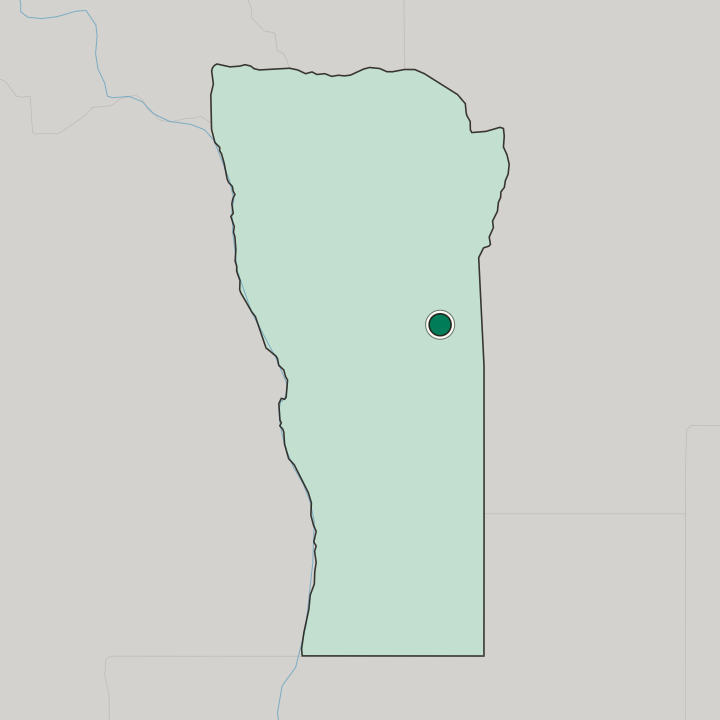
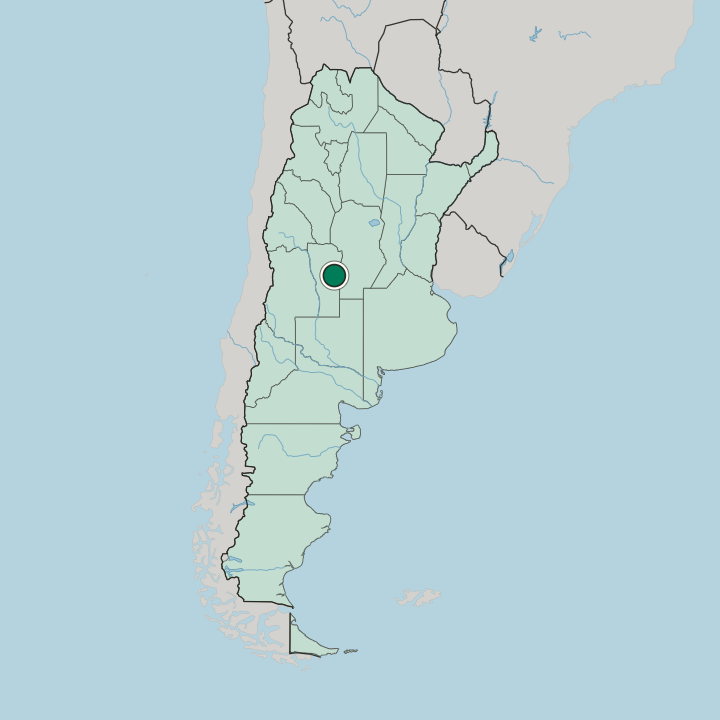
The Quinto River is the edge that counts. Villa Mercedes occupies its left bank, 32 kilometres from the boundary with Córdoba and 90 kilometres from the provincial capital San Luis, which leaves the city nearer to another province than to its own seat of government. Two provinces are in easy reach.
That position, rather than any feature of the ground itself, is what has determined how the city grew and why three national routes pass so close to it.
What is the climate of Villa Mercedes?
Heat arrives with the new year. Villa Mercedes lies in the subtropical band of the southern hemisphere, so December through February is the warm stretch and the middle months are the cool one, which reverses the expectations of anyone travelling from the northern half of the world. The Quinto River is the only water in the picture.
A long run on National Route 7 in high summer is a different proposition from the same drive in July, and a hot afternoon is better spent inside Museo Ferroviario than on the road.
How do you get to Villa Mercedes?
Three national routes explain the arrival. Villa Mercedes stands on National Route 148 and close to the point where National Route 8 meets National Route 7, so drivers reach the city from several sides rather than along a single corridor, which is uncommon for an inland place of this size. National Route 7 carries the provincial link.
San Luis lies 90 kilometres off along it and the boundary with Córdoba is 32 kilometres away, which puts two provinces inside an easy morning's driving.
Common questions
What is the best area to stay in Villa Mercedes?
The museum centre: A walking day across Museo Ferroviario and the Betbeder collection. The Quinto bank: Unhurried stays that want the river rather than the highway. The route junction: One-night stops between National Route 8 and National Route 7.
Good for
Another city in San Luis Province
Updated September 2026