Argentina · Santa Cruz Province
Where to Stay in Río Gallegos, Santa Cruz Province
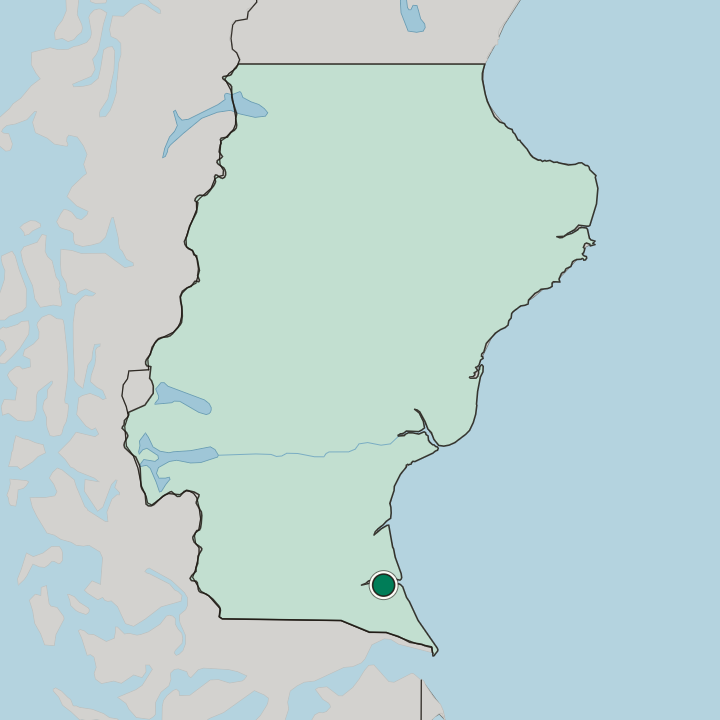
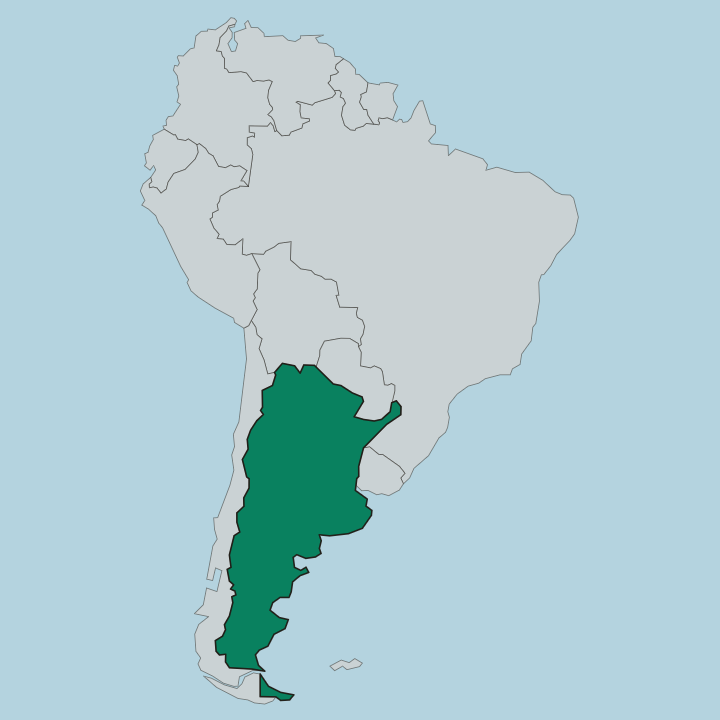
Río Gallegos, capital of Santa Cruz Province in southern Argentina, stands on the estuary of the Gallegos River.
Hotel links are affiliate links: booking through them may earn us a commission, at no extra cost to you. It never affects how places are ranked. How this works


Where to stay in Río Gallegos
Where the beds are, and what that means for the visit.
Río Gallegos works as a base more than as a destination. Rooms here are chosen for what they reach: the wider Santa Cruz Province beyond the city limits, the estuary of the Gallegos River at the edge of the streets, and the long road that runs on through the department of Güer Aike. The centre holds the beds.
Stay near the Museo de Arte Eduardo Minnicelli and the Museo De Los Pioneros Casa Parisi if the town itself is the point, because those two put an afternoon of collections inside a few blocks. The water is the other pull. Rooms toward the mouth of the Gallegos River face the estuary that gave the city its name, and the Maritime and Naval Museum of Southern Patagonia keeps that side of the record for travellers whose reason for coming is the coast.
Railway history has its own corner at the Roberto Galian Railway Museum. Drivers pushing on into Santa Cruz Province do better at the edge of town, where the road out asks for no run through the centre. Whichever corner you pick, the rest of Río Gallegos stays close.
Find hotels in Río Gallegos
Direct booking searches for these neighbourhoods.
Gallegos River waterfront
The estuary that named Río Gallegos runs past the edge of the streets, and the Maritime and Naval Museum of Southern Patagonia covers that water.Find hotels in Gallegos River waterfrontAfternoons at the Museo de Arte Eduardo MinnicelliMuseum centre
The Museo De Los Pioneros Casa Parisi and the Roberto Galian Railway Museum keep settler and railway history inside the same small centre.Find hotels in Museum centreDrivers bound for the rest of Santa Cruz ProvinceGüer Aike road edge
Rooms on the Güer Aike side start the road out of Río Gallegos without a run back through the centre. Beds are limited here, so book early.Find hotels in Güer Aike road edgeHotel links are affiliate links: booking through them may earn us a commission, at no extra cost to you. It never affects how places are ranked. How this works
About Río Gallegos
What is Río Gallegos known for?
Government and museums fill the city's public face. Río Gallegos is the capital of Santa Cruz Province, and its collections run to naval, military and pioneer history: the Maritime and Naval Museum of Southern Patagonia, the Museo De La Prefectura Naval Argentina, and the Museo De Los Pioneros Casa Parisi. Art has its own house in the Museo de Arte Eduardo Minnicelli.
The estuary is the other constant.
What are the main landmarks in Río Gallegos?
Museums dominate the list. Eight of them sit in Río Gallegos, from the Museo De Los Pioneros Casa Parisi and the Roberto Galian Railway Museum to the Museum of Informatics UNPA-UARG and the Malvinas Argentinas War Museum. Two naval collections split that ground: the Maritime and Naval Museum of Southern Patagonia and the Museo De La Prefectura Naval Argentina.
Art hangs at the Museo de Arte Eduardo Minnicelli, while the Gregores Historical House Cultural Center doubles as a cultural venue. The Historical Room of the Mechanized Infantry Regiment 24 General Jerónimo Costa keeps the regiment's own record.
What is the history of Río Gallegos?
The city dates from 1873, and its name comes from the river it stands on. The Gallegos River meets the sea here, and that estuary is the whole reason for the site: a harbour at the far south of the mainland, a long way from Buenos Aires. Ships mattered first.
Santa Cruz Province made it the capital. The department of Güer Aike is administered from the same streets, so provincial and departmental business share one small city at the bottom of Patagonia. Río Gallegos keeps its past in an unusual number of small museums.
The Museo De Los Pioneros Casa Parisi holds the settler era; the Roberto Galian Railway Museum holds the railway record; and the Museo De La Prefectura Naval Argentina and the Maritime and Naval Museum of Southern Patagonia between them hold the sea. Military history has two keepers: the Historical Room of the Mechanized Infantry Regiment 24 General Jerónimo Costa and the Malvinas Argentinas War Museum. Newer ground has a museum too.
The Museum of Informatics UNPA-UARG records computing, and the Gregores Historical House Cultural Center keeps a house in public use.
Where is Río Gallegos?
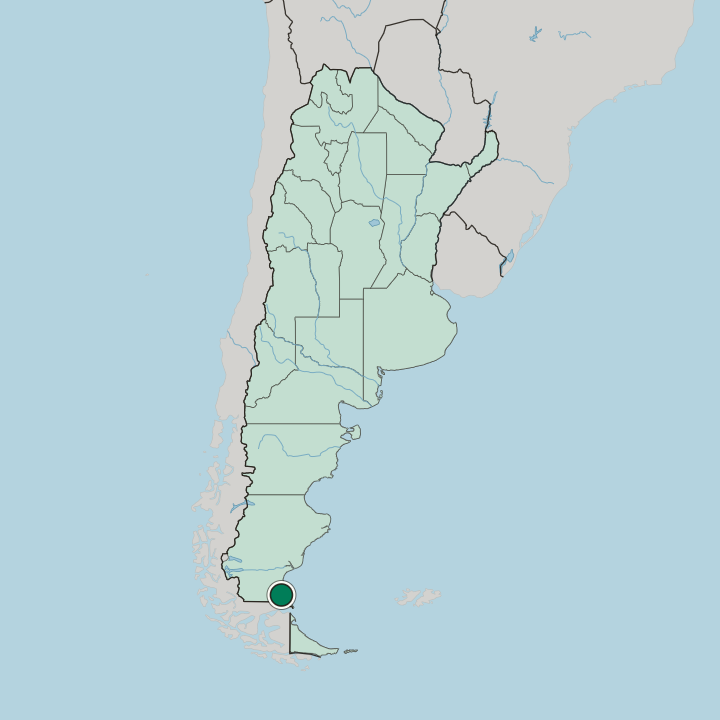
The Gallegos River widens into an estuary at the city's edge, and Río Gallegos stands on it. Tidal water, open ground. Santa Cruz Province spreads inland from that coast, an expanse the city administers from its own far-southern corner of Patagonia.
The department of Güer Aike takes in the ground immediately around. The sea is the one hard edge.
What is the climate of Río Gallegos?
The estuary sets the terms. Río Gallegos lies in the temperate band, far enough south that summers around January stay short of hot and the middle of the year brings the cold. Seasons run in the southern order.
The sea at the mouth of the Gallegos River is close enough to blunt the extremes at either end of the calendar.
How do you get to Río Gallegos?
Distance shapes every arrival. Buenos Aires lies far to the north, and Río Gallegos sits at the other end of that run, near the southern limit of Argentina. The estuary of the Gallegos River carries the water approach.
Inside Santa Cruz Province the city is the hinge for southern traffic, and the department of Güer Aike is crossed on the way out in almost any direction. Most visitors carry on from here.
Common questions
What is the best area to stay in Río Gallegos?
Gallegos River waterfront: Coast-first stays at the mouth of the Gallegos River. Museum centre: Afternoons at the Museo de Arte Eduardo Minnicelli. Güer Aike road edge: Drivers bound for the rest of Santa Cruz Province.
Good for
Updated September 2026