Argentina · Ciudad Autónoma de Buenos Aires
Where to Stay in Buenos Aires, Ciudad Autónoma de Buenos Aires
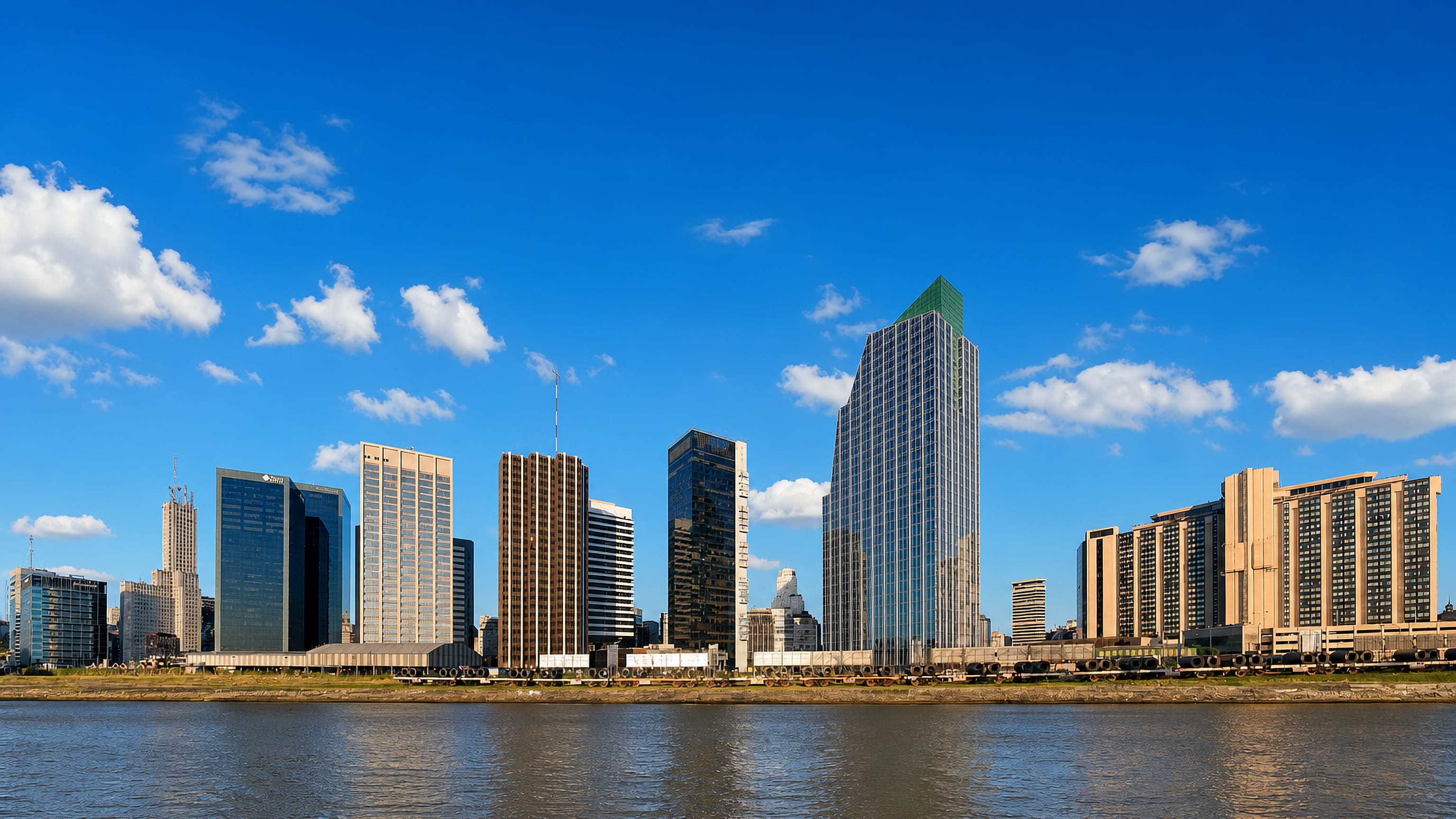
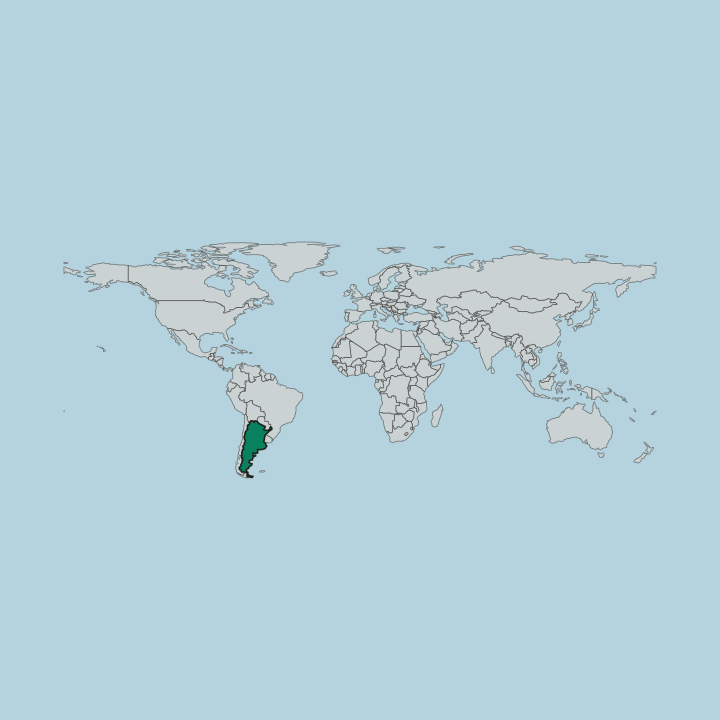
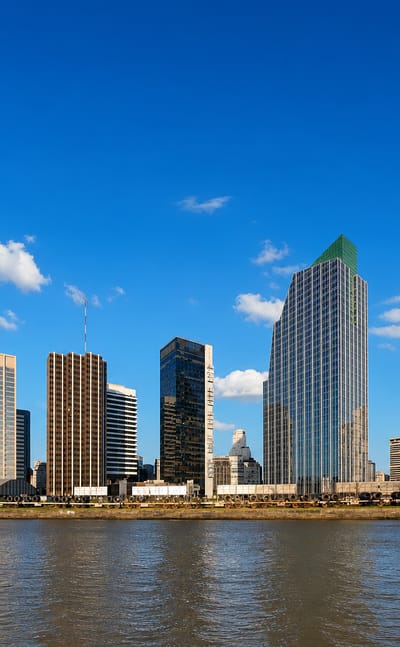
Belle epoque facades and green parks line the streets of Buenos Aires, the capital of Argentina on the Río de la Plata, founded in 1580.
Hotel links are affiliate links: booking through them may earn us a commission, at no extra cost to you. It never affects how places are ranked. How this works


Where to stay in Buenos Aires
Each area has its own feel; here's who each one suits.
 Buenos AiresArgentina
Comuna 1
Comuna 1 is the historic core of Buenos Aires, the borough that gathers the Argentine capital's oldest streets, museums, and government halls.Comuna 1 →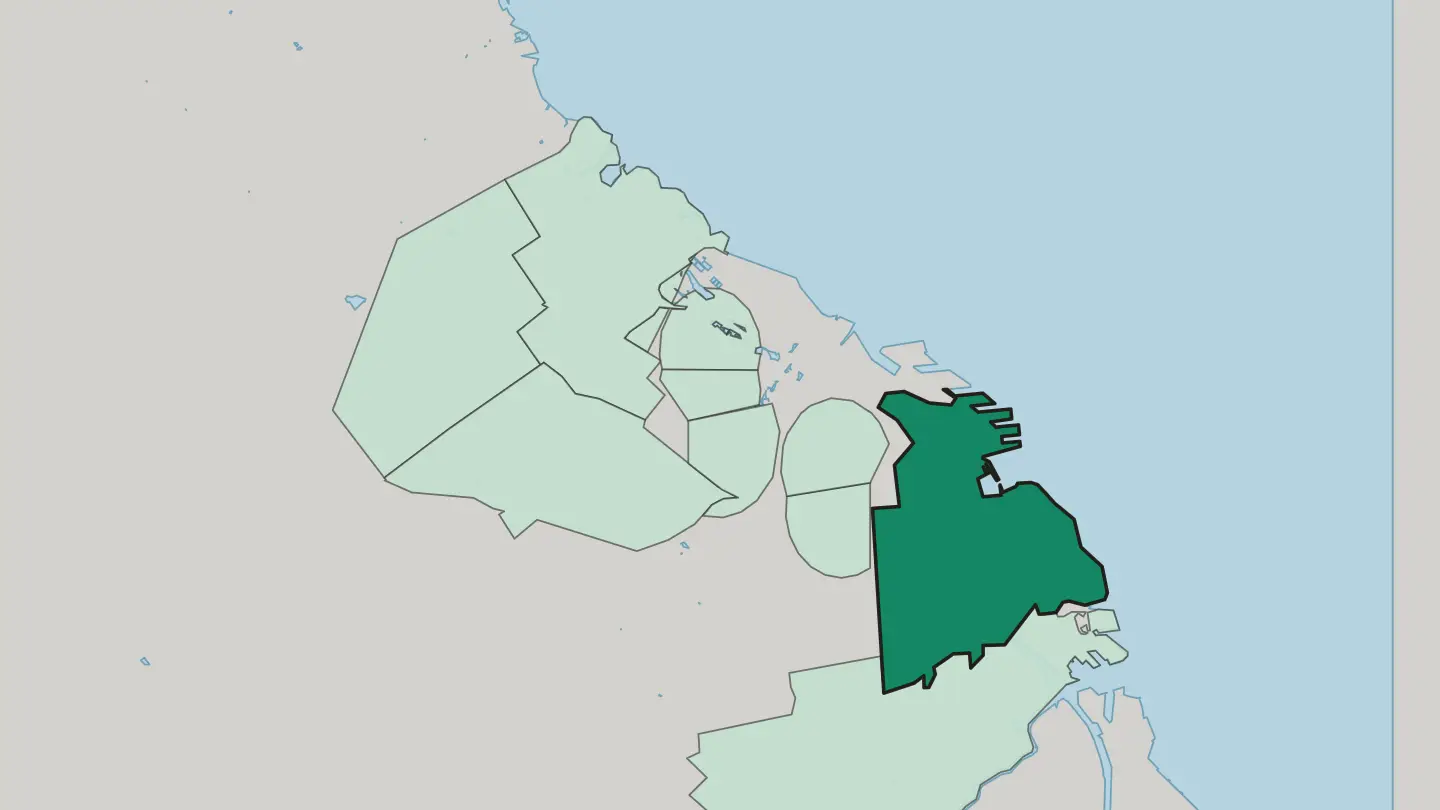
 Buenos AiresArgentina
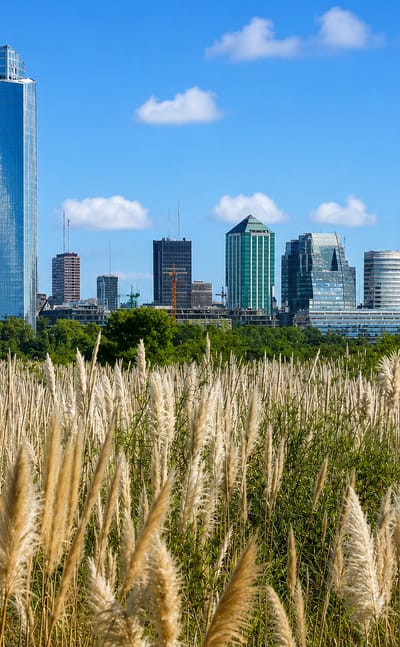
Buenos Aires Central Business District
The Buenos Aires Central Business District is the downtown office and banking core of Buenos Aires, wrapped around Plaza de Mayo.Buenos Aires Central Business District →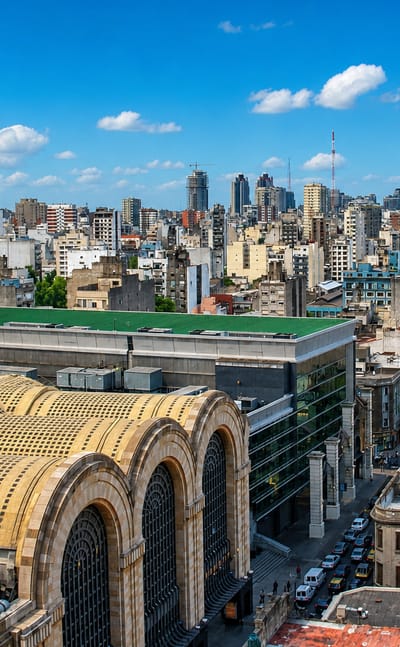 Buenos AiresArgentina
Abasto
Abasto is the tango quarter of Buenos Aires, named for its old Mercado de Abasto market hall.Abasto →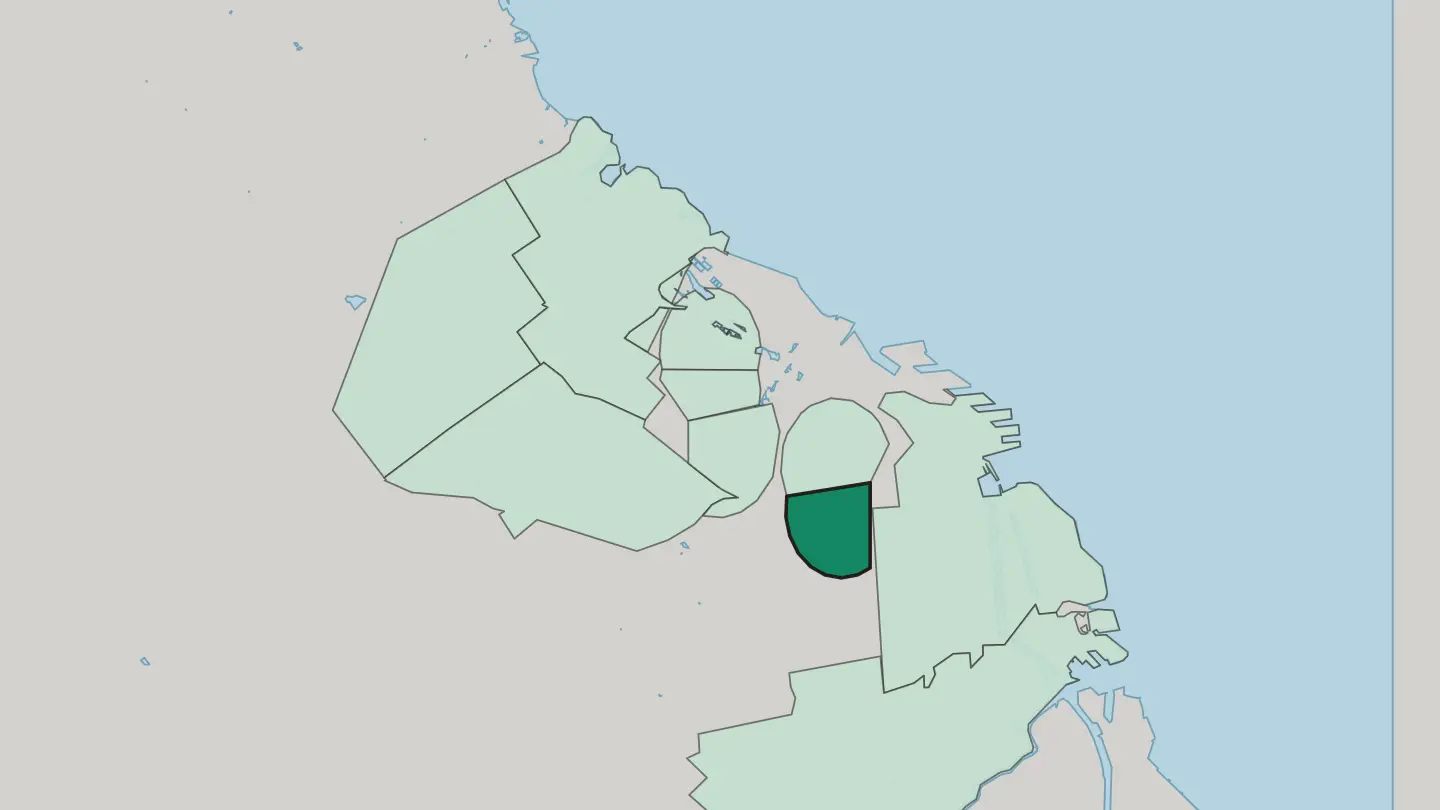
 Buenos AiresArgentina
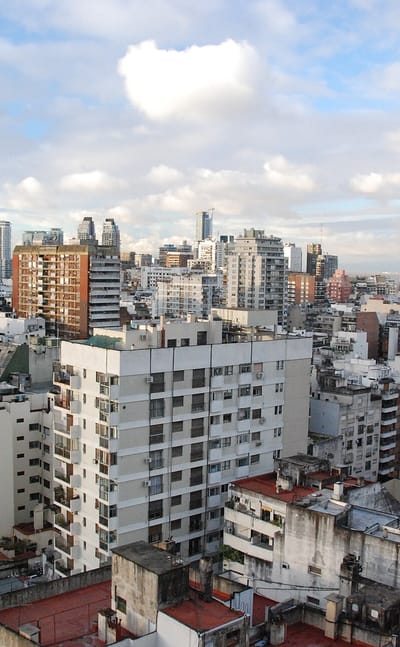
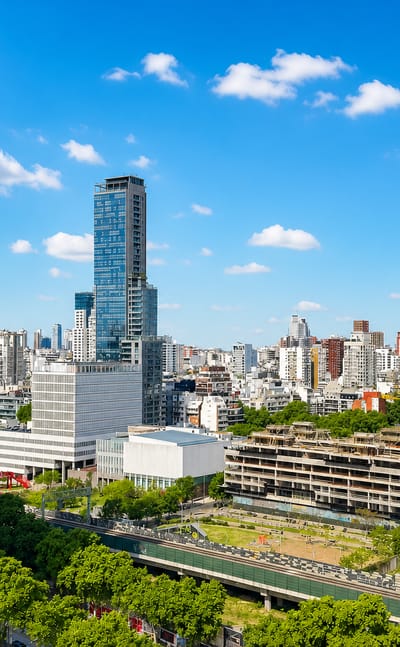
Barrio Norte
Barrio Norte is an elegant residential quarter of Buenos Aires, strung along Avenida Santa Fe near Recoleta.Barrio Norte →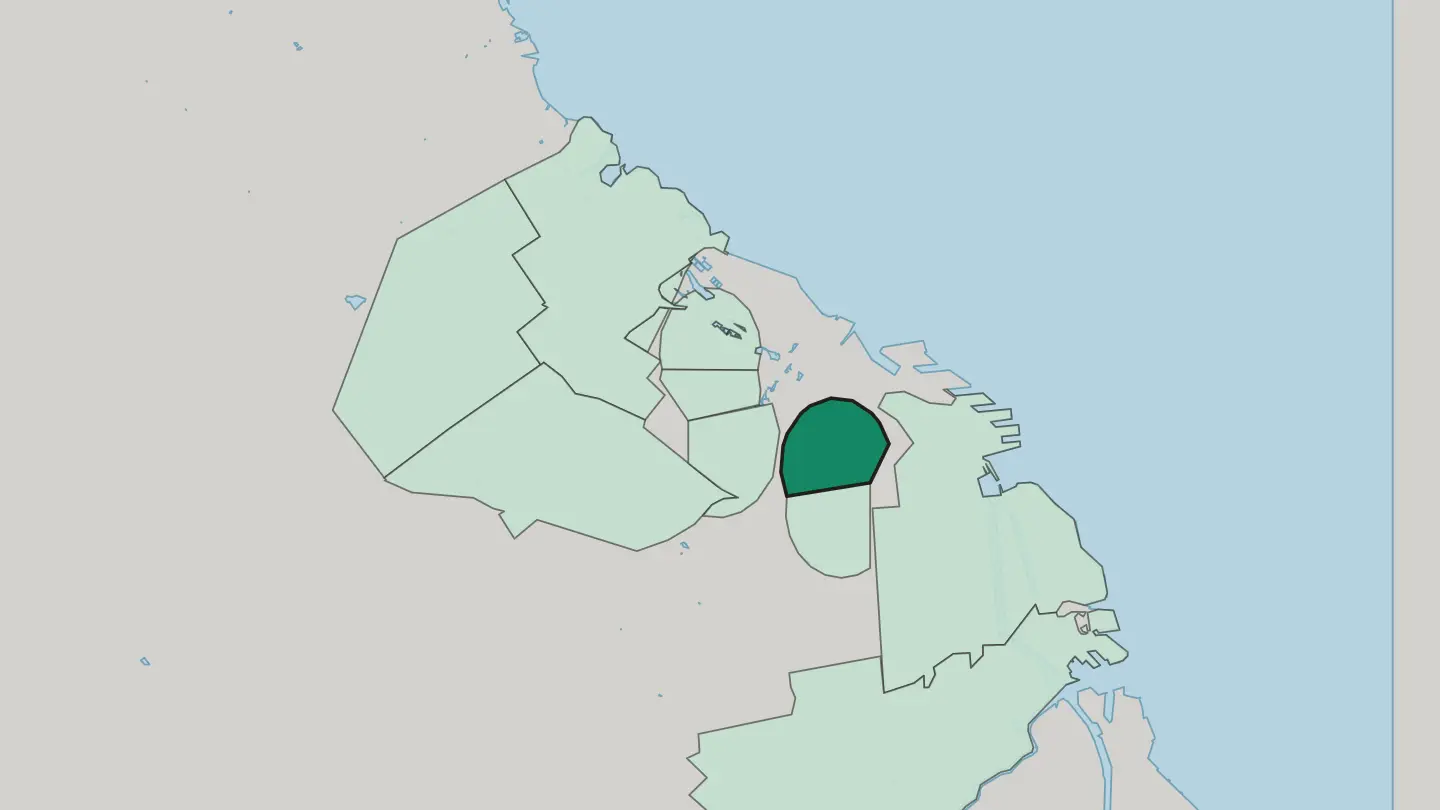
 Buenos AiresArgentina
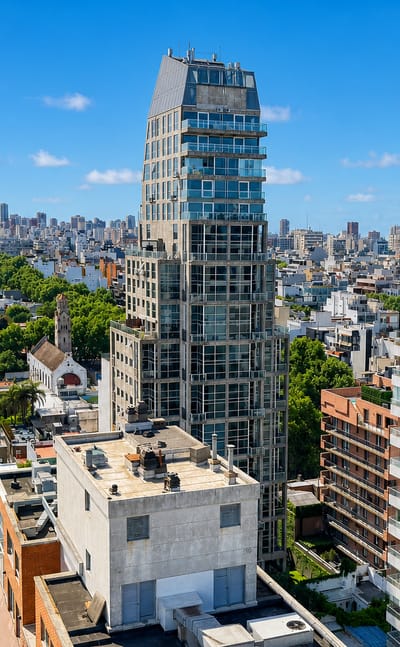
Palermo Soho
Palermo Soho is a design-led quarter of Palermo, the largest barrio of Buenos Aires.Palermo Soho →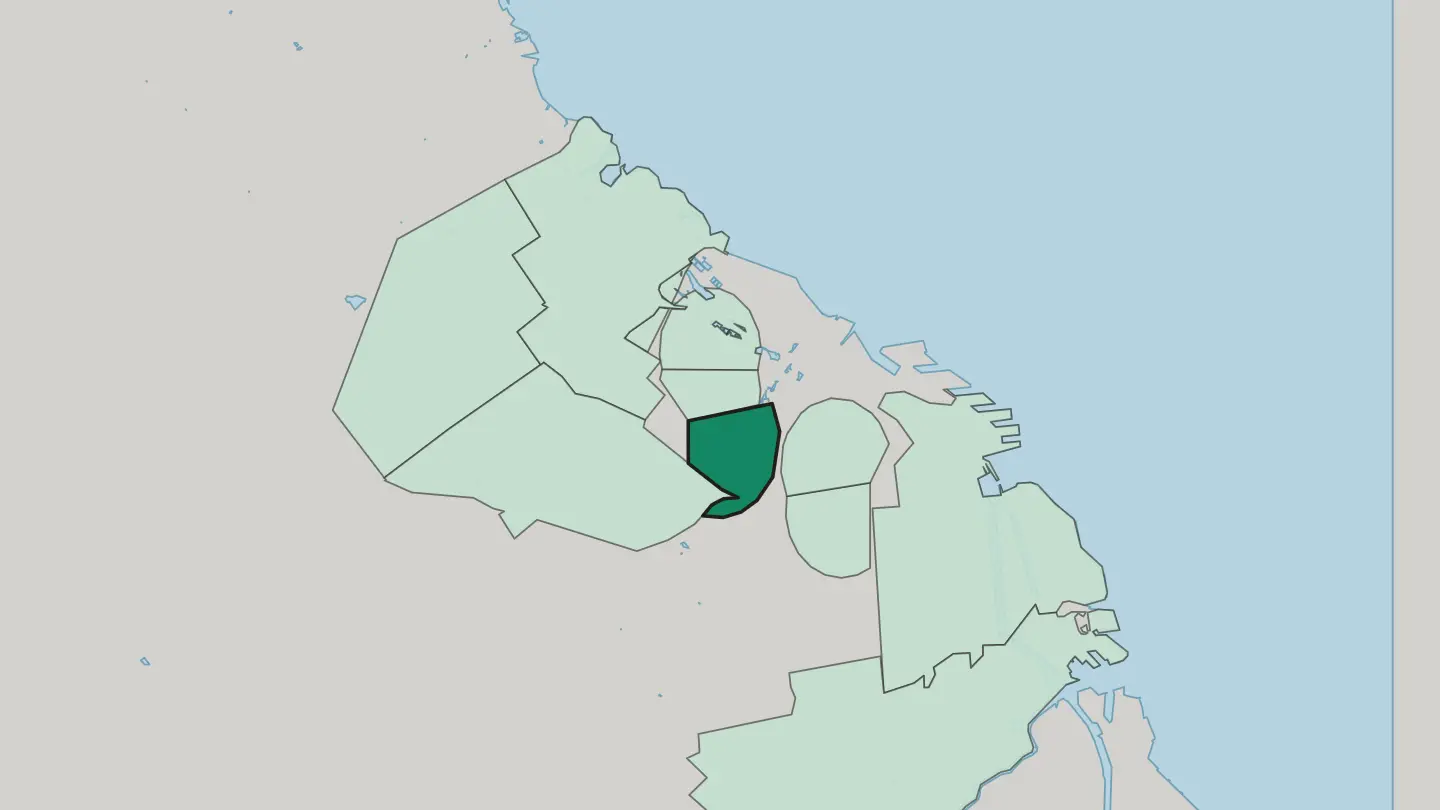
 Buenos AiresArgentina
Palermo Hollywood
Palermo Hollywood is a district of the Palermo barrio in the north of Buenos Aires, Argentina, near the Río de la Plata.Palermo Hollywood →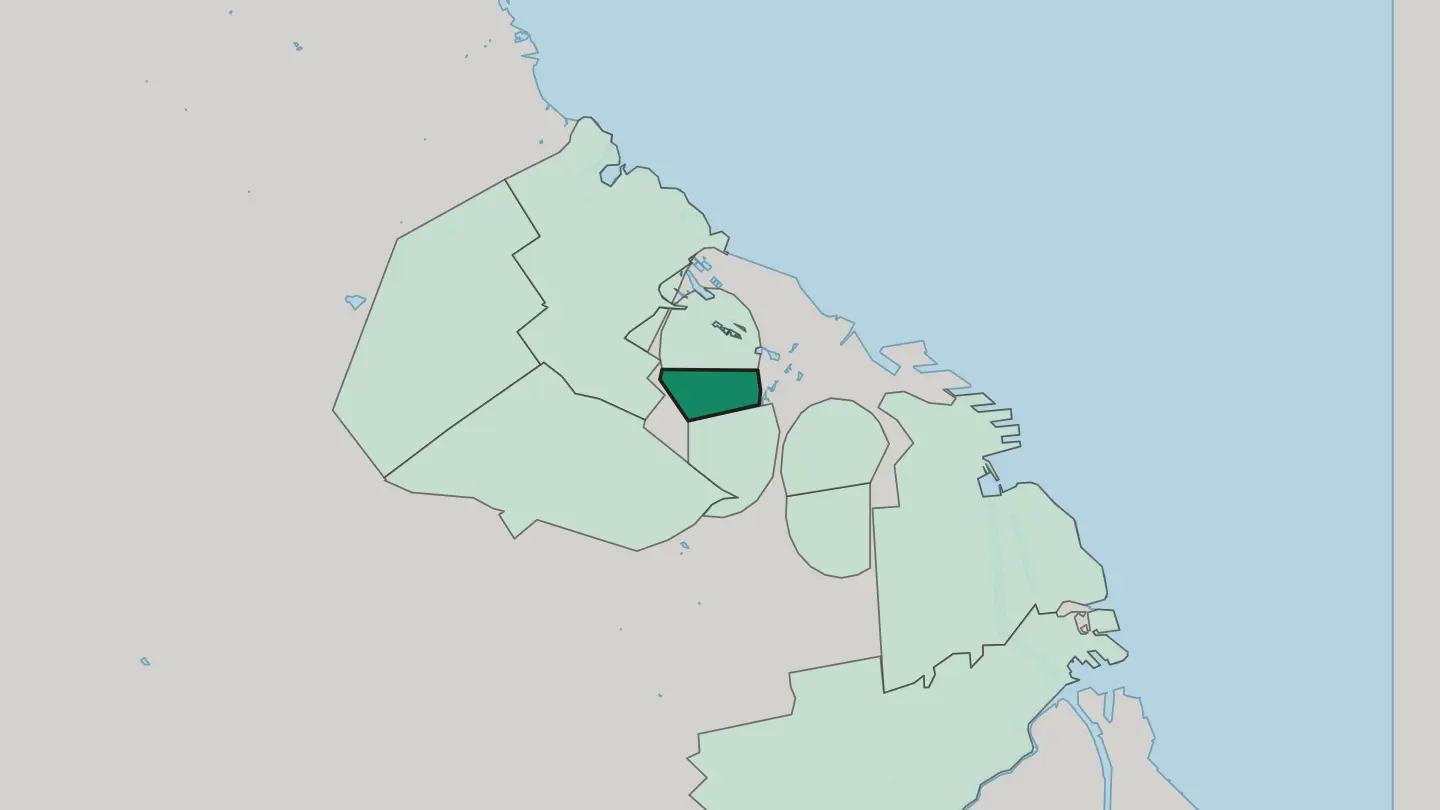 Buenos AiresArgentina
Las Cañitas
Las Cañitas is a compact nightlife and dining quarter of Buenos Aires, set around Calle Báez in the barrio of Palermo.Las Cañitas →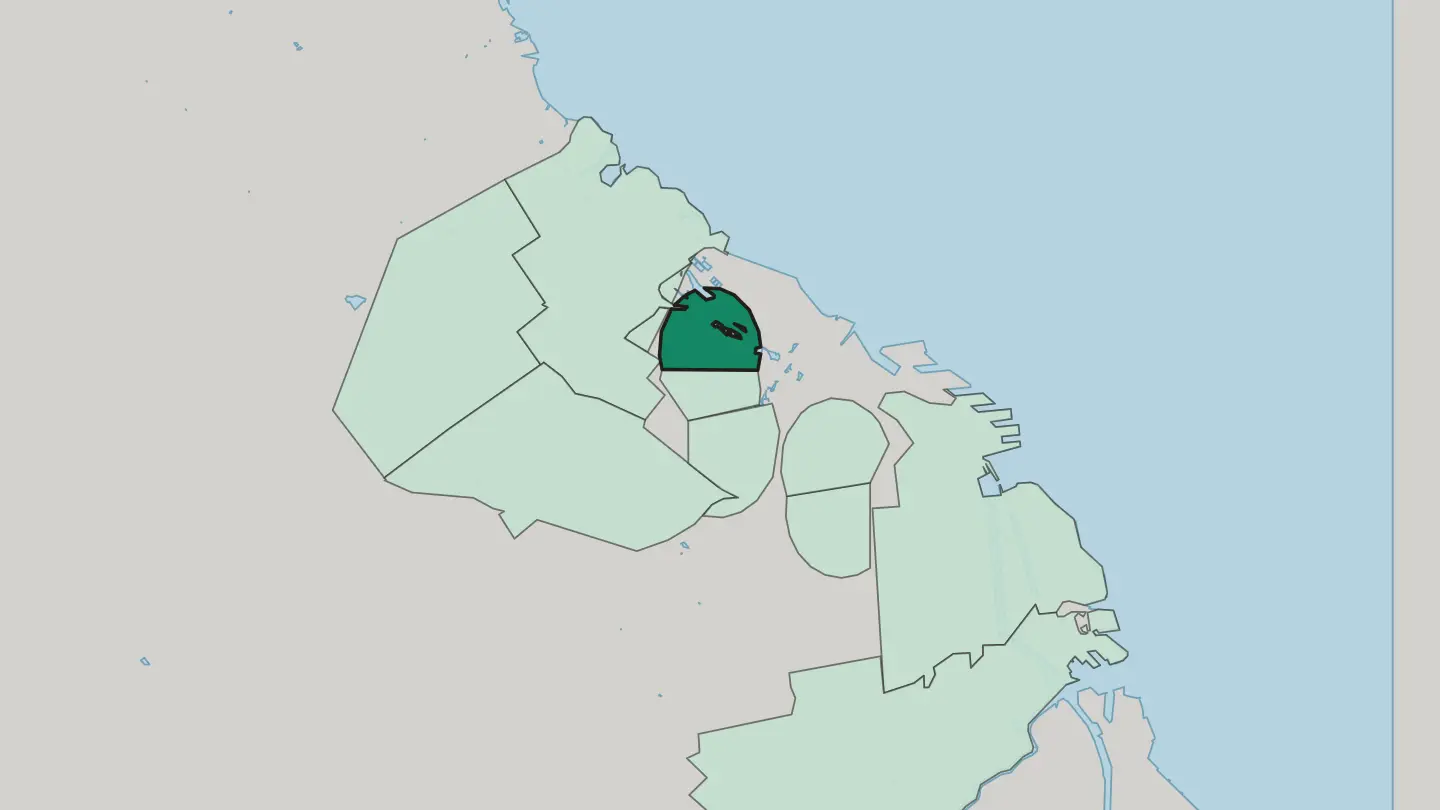
 Buenos AiresArgentina
Barracas
Barracas is a barrio of Buenos Aires between the Riachuelo and the Belgrano railway, named from the barraca, a makeshift house of rough materials.Barracas →Buenos AiresArgentina
Comuna 15
Comuna 15 is a borough of Buenos Aires, a cluster of city neighbourhoods holding parks, museums and quiet residential streets.Comuna 15 →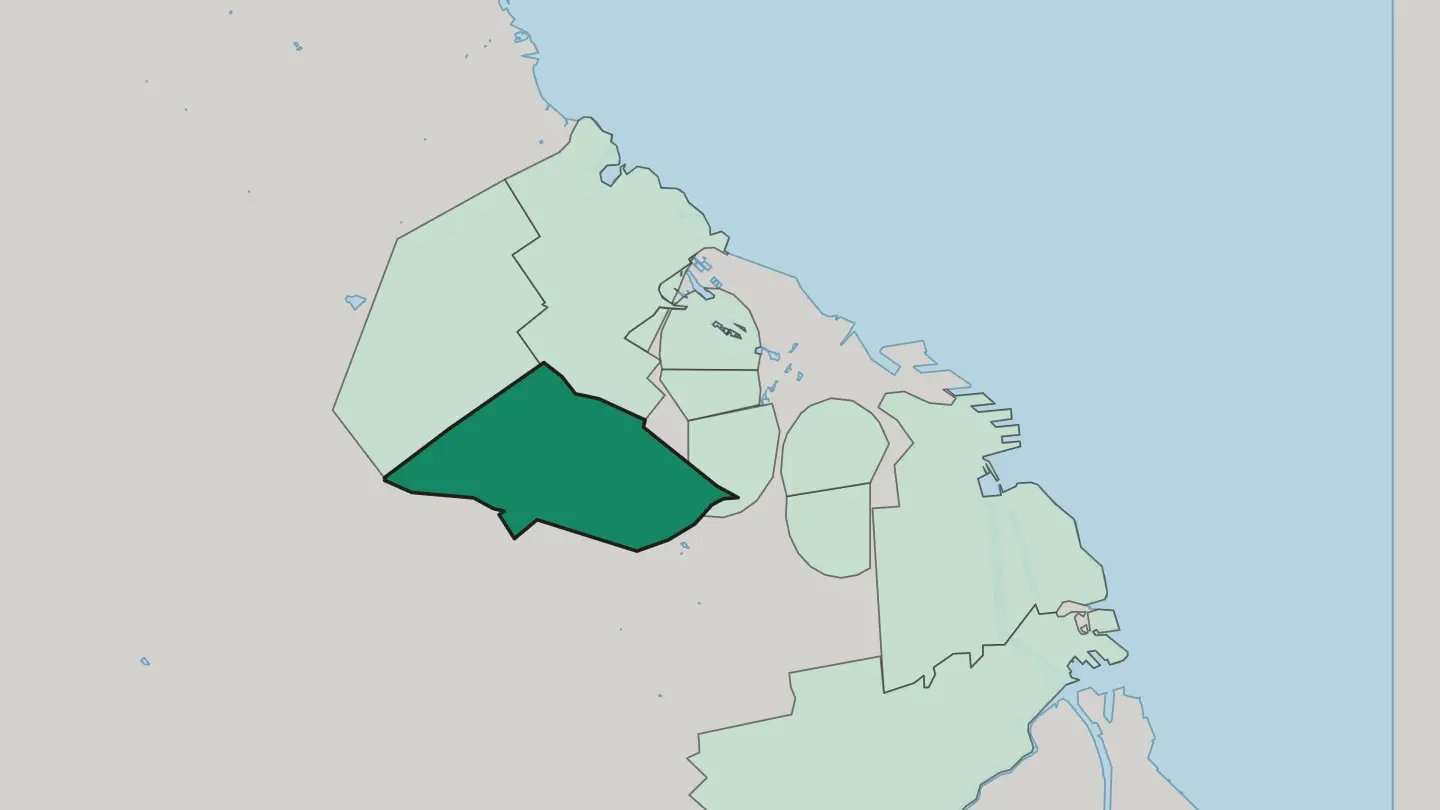
 Buenos AiresArgentina
Colegiales
Colegiales is a small barrio of Buenos Aires bounded by Avenida Cabildo, Avenida Dorrego and Crámer, and packed with museums and monuments.Colegiales →Buenos AiresArgentina
Comuna 4
Comuna 4 is a southern borough of Buenos Aires, Argentina, taking in Parque Patricios and a run of small neighbourhood museums.Comuna 4 →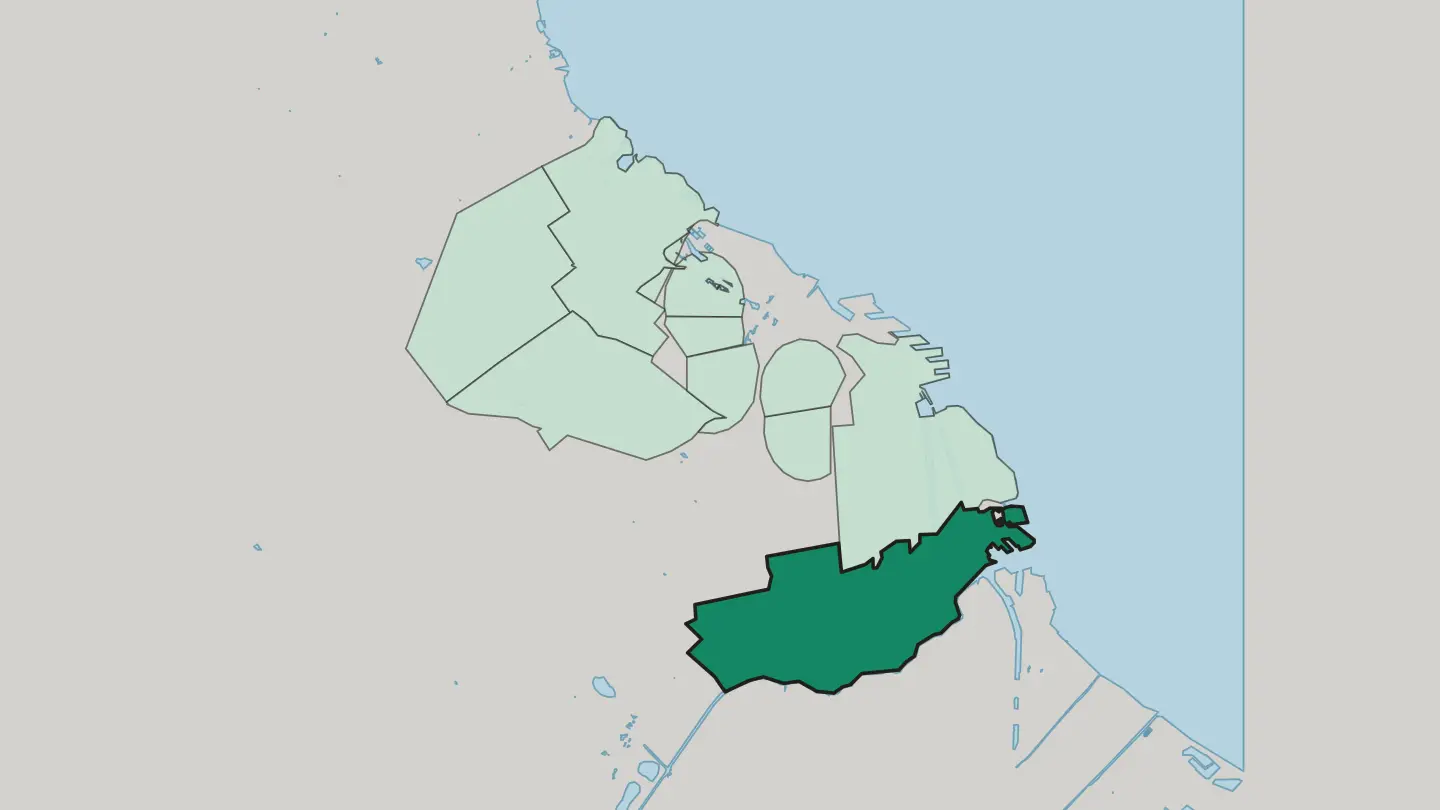
 Buenos AiresArgentina
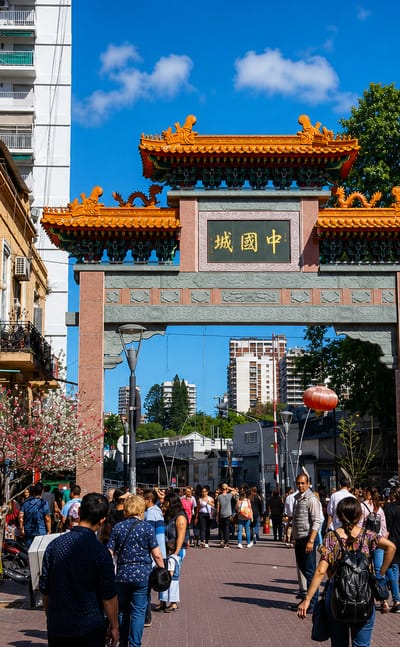
Chinatown (Buenos Aires)
Chinatown is the compact Chinese quarter of Buenos Aires, set within the Belgrano neighbourhood near the Sarmiento Historic Museum.Chinatown (Buenos Aires) →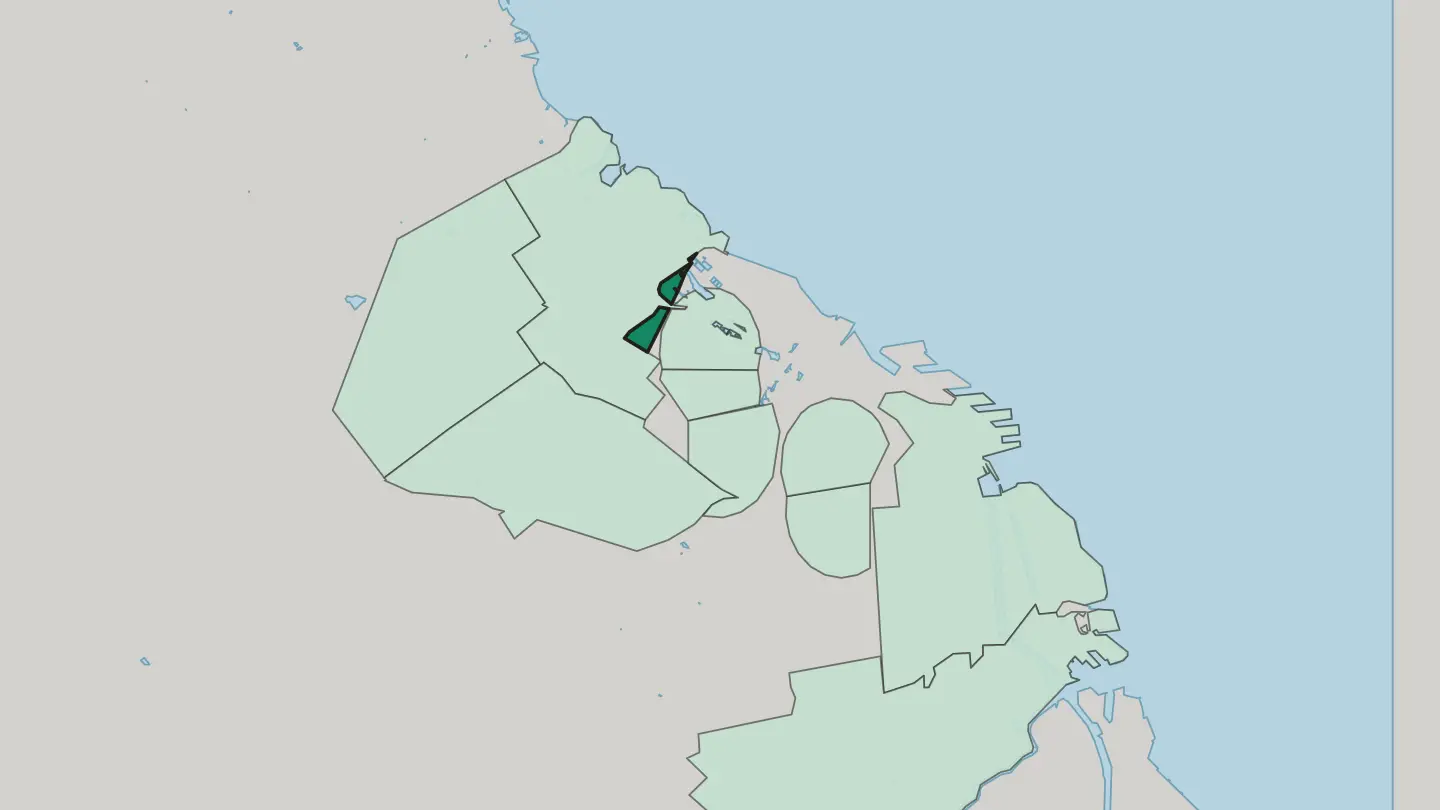
 Buenos AiresArgentina
Belgrano
Belgrano is a northern barrio of Buenos Aires in three parts: apartment blocks, the leafy streets of Belgrano R, and the city's Chinatown.Belgrano →Buenos AiresArgentina
Comuna 13
Comuna 13 is a northern borough of Buenos Aires gathering the Núñez, Belgrano and Colegiales neighbourhoods.Comuna 13 →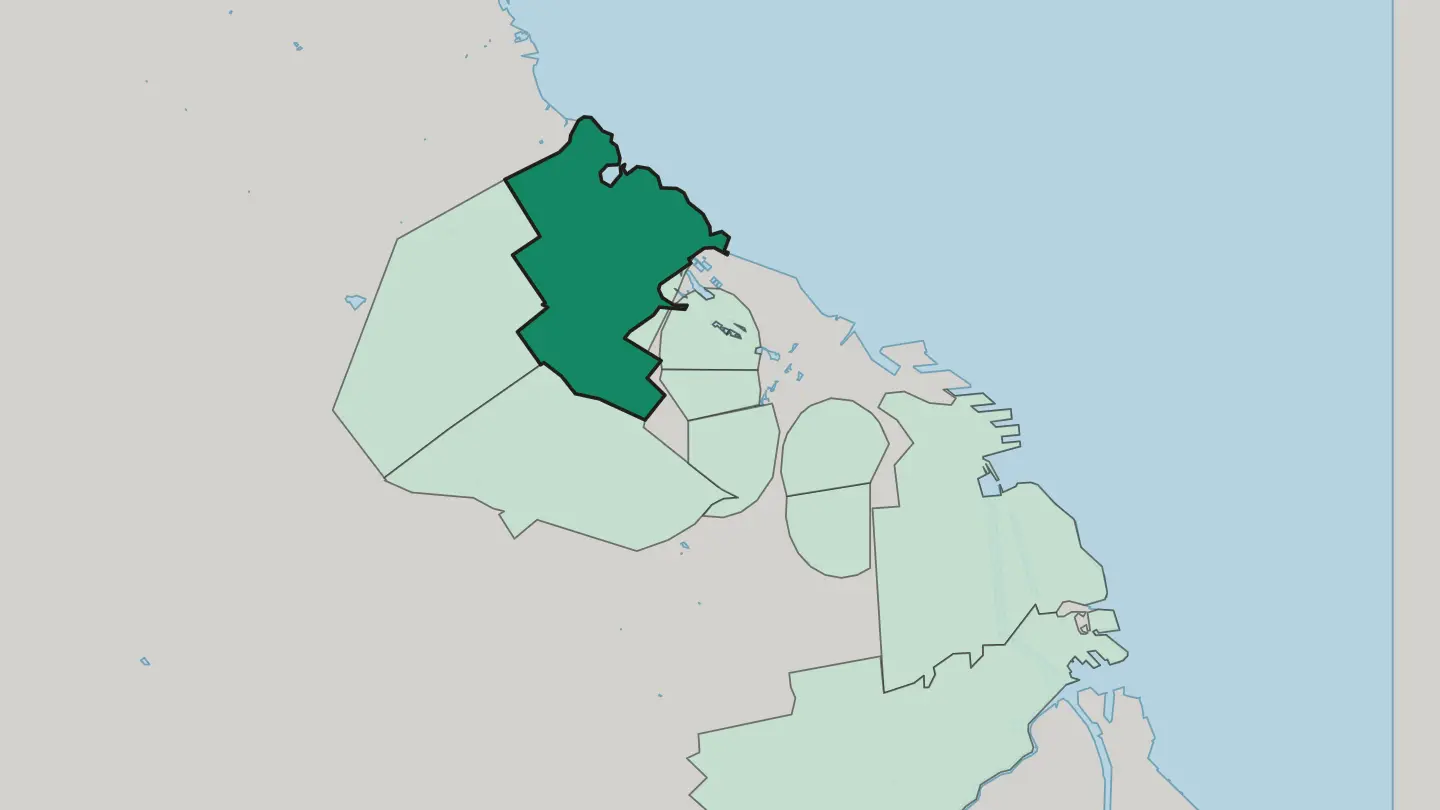 Buenos AiresArgentina
Comuna 12
Comuna 12 gathers Villa Urquiza, Saavedra, Coghlan and Villa Pueyrredón in north-western Buenos Aires.Comuna 12 →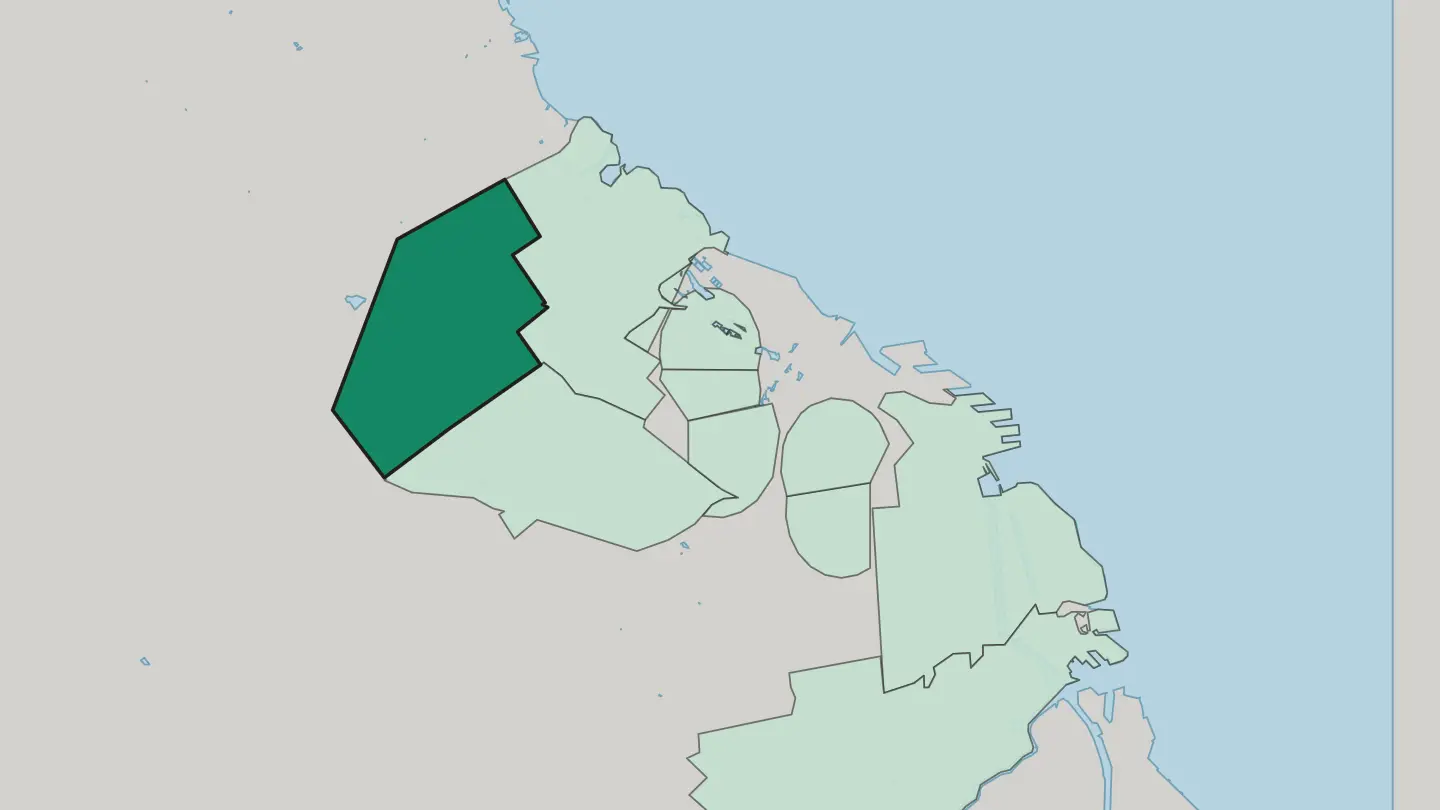
Hotel links are affiliate links: booking through them may earn us a commission, at no extra cost to you. It never affects how places are ranked. How this works
Things to do in Buenos Aires
Ranked by global recognition; descriptions from Wikidata (CC0).
Museums & Galleries
8- ESMA Museum and Site of Memory – Former Clandestine Center of Detention, Torture and Extermination UNESCO
- Cabildo of Buenos Aires Heritage
- Palace of Running Waters Heritage
- National Museum of Immigration Heritage
- Illuminated Block Heritage
Show 3 more →
- Errázuriz Palace Heritage
- San Martín National Institute Heritage
- House of Valentín Alsina Heritage
Churches & Religious Sites
3- Santo Domingo convent Heritage
- Saint Ignatius of Loyola Church, Buenos Aires Heritage
- Our Lady of Mercy Church
Castles & Historic Sites
3- Torre Monumental
- Monument to Christopher Columbus
- Taras Shevchenko monument in Buenos Aires
Stadiums & Sports
3- Buenos Aires Cricket Club Ground Heritage
- Tecnópolis
- CeNARD
Parks & Gardens
1- Tierra Santa
Landmarks & Notable Places
3- Buenos Aires Central Post Office
- El Faro Towers
- Museo Histórico Cornelio de Saavedra
worth knowingacross 6 categories in Buenos Aires
About Buenos Aires
What is Buenos Aires known for?
Buenos Aires is known for belle epoque architecture and wide public parks. The Cabildo of Buenos Aires marks the old colonial centre at the heart of the city, while the Torre Monumental rises apart to the north as a landmark of its own. Along the water, the Puente de la Mujer spans the docks beside the Río de la Plata.
It is a capital of Latin America.
What are the main landmarks in Buenos Aires?
Buenos Aires gathers its landmarks thickest in the old centre and along the water. The Cabildo of Buenos Aires, the colonial town hall, anchors the historic core near the National Historical Museum and the Illuminated Block. Grand museums fill the city: the National Museum of Fine Arts, the Museum of Latin American Art of Buenos Aires, and the National Museum of Decorative Arts.
By the docks, the Puente de la Mujer crosses the water, while the Palace of Running Waters stands further inland. Stone, brick, and glass shape it.
What is the history of Buenos Aires?
Buenos Aires was founded in 1580 as a Spanish colonial settlement on the Río de la Plata. The Cabildo of Buenos Aires still stands from that colonial age, once the seat of the town's government. Buenos Aires expanded in successive surges, each fed by fresh arrivals through its river port.
Over the centuries the port on the river drew newcomers from overseas, a history recorded in the National Museum of Immigration, until Buenos Aires had become the capital and largest city of Argentina. Big historical events turned here. The National Historical Museum keeps the record of the nation's founding struggles, set among the colonial streets where the Cabildo of Buenos Aires marks the old core.
Arrivals from overseas shaped the belle epoque city, whose grand facades rose as the port prospered. Latin America knew few cities of its scale. From a small river settlement grew one of the continent's defining capitals, its story written into the museums, churches, and monuments that fill the centre.
Where is Buenos Aires?
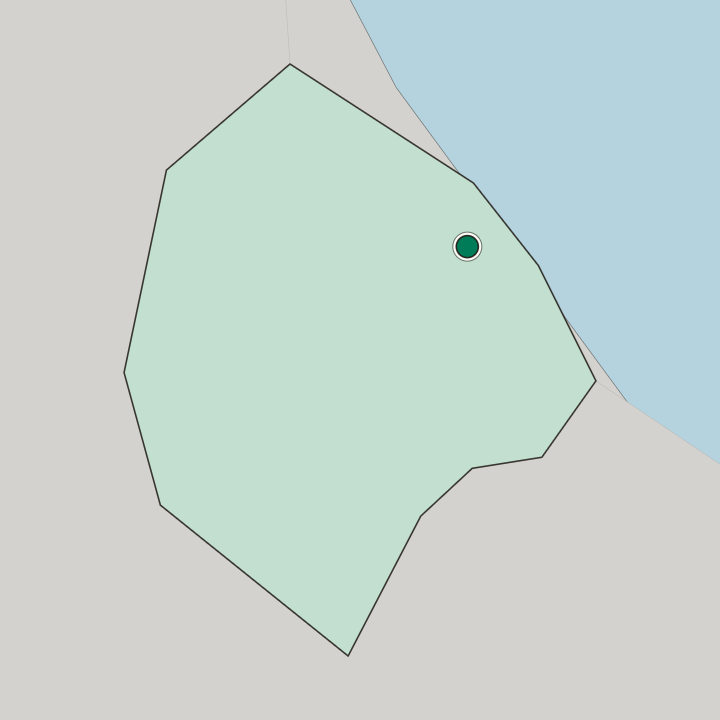
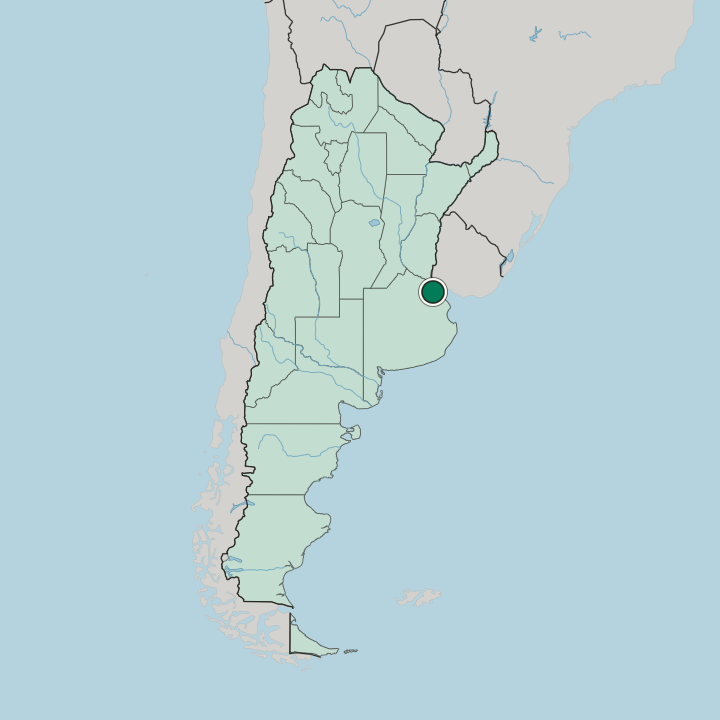
Buenos Aires sits on the southwest bank of the Río de la Plata, spread across low and level ground. The estuary forms the city's whole eastern front, a broad sheet of water opening seaward. Behind the waterfront, the streets run out flat in every direction, part of the wide, open plain that reaches far inland to the west.
There are no hills to speak of. The river gives the city its one great natural edge.
What is the climate of Buenos Aires?
Buenos Aires has a mild, humid climate set by its place on the Río de la Plata. Hot, sticky summers give way to cool but gentle winters, and frost stays a rarity along the sheltered water of the estuary. The estuary feeds moisture into the air throughout the year.
Storms roll in off the plain in the warmer months. Snow almost never reaches the city.
How do you get to Buenos Aires?
Buenos Aires anchors travel across Argentina and Latin America. As the nation's capital, the city gathers roads and rail from the surrounding plain and ferry routes over the Río de la Plata to the far shore of the estuary. Long-haul arrivals reach here first.
From the capital, the rest of Argentina opens to the west and south across a great distance of open country. Water and road both lead in.
Good for
Updated October 2026