Argentina · Santa Fe Province
Where to Stay in Rosario, Santa Fe Province
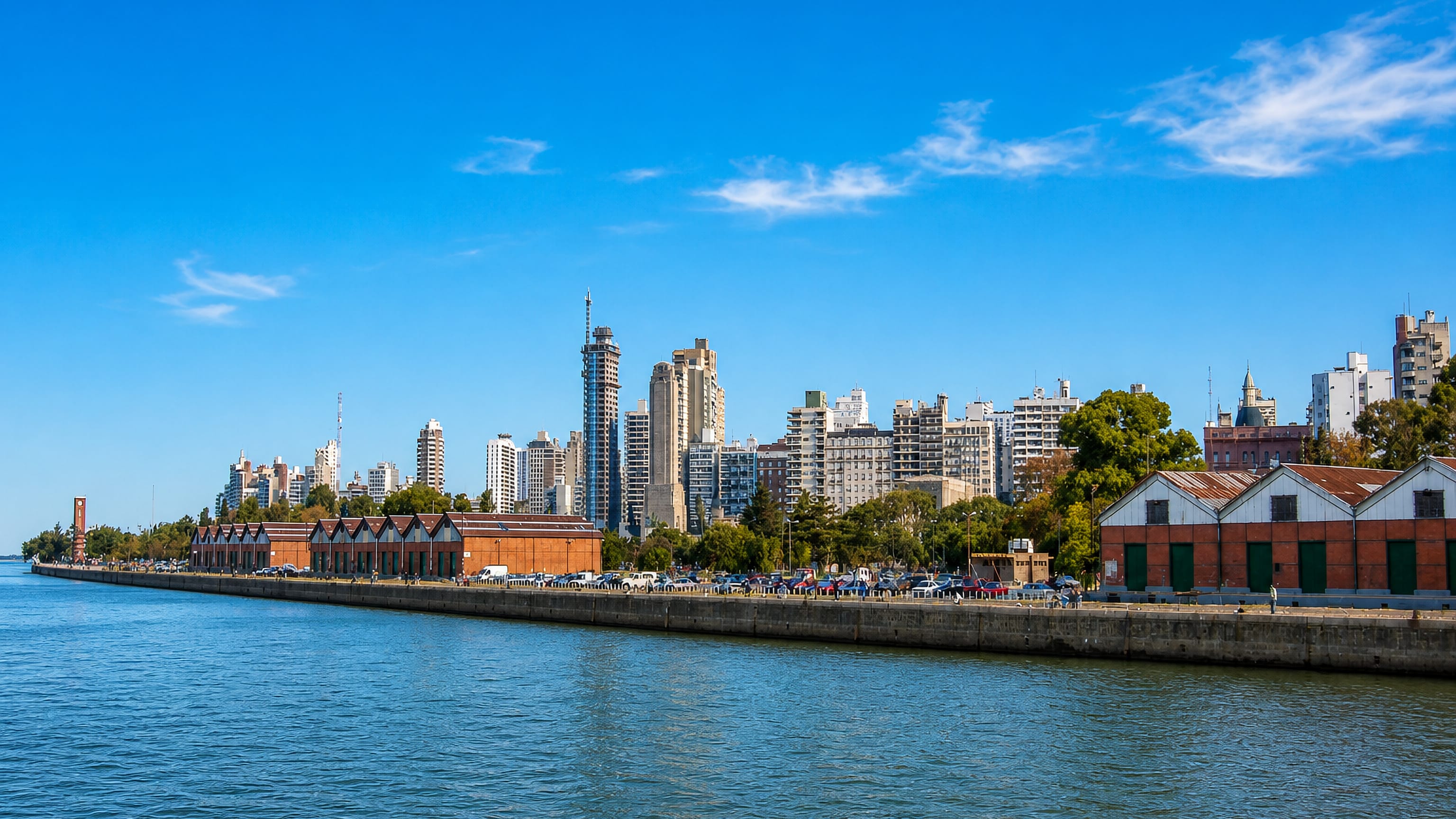
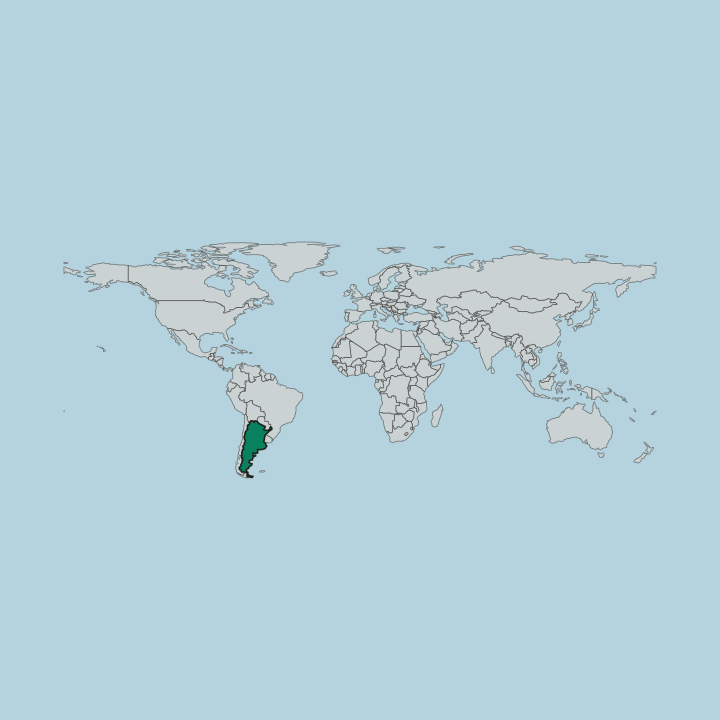
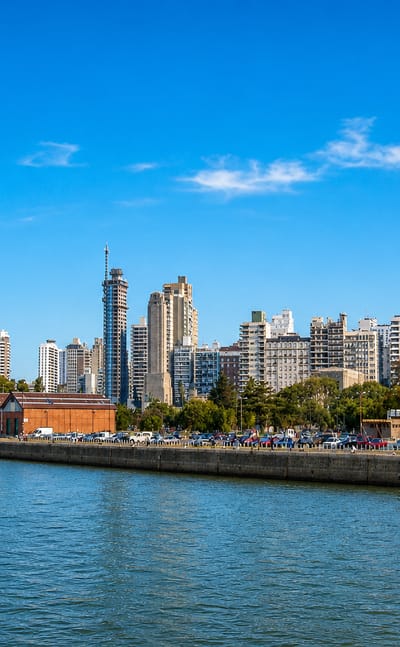
The Parana River runs past Rosario, Argentina's third-largest city and largest in Santa Fe province, known for its Art Nouveau streets and river museums.
Hotel links are affiliate links: booking through them may earn us a commission, at no extra cost to you. It never affects how places are ranked. How this works


Where to stay in Rosario
One neighbourhood here has its own guide — here's what it is best for.
 RosarioArgentina
Barrio Godoy
Barrio Godoy, known simply as Godoy, dates from 1912 and is one of the barrios of Rosario in Santa Fe Province.Where to stay →Hotel links are affiliate links: booking through them may earn us a commission, at no extra cost to you. It never affects how places are ranked. How this works
Find hotels in Rosario
Direct booking searches for these neighbourhoods.
Cathedral riverfront
The blocks around the Cathedral Basilica of Our Lady of the Rosary sit at the historic centre, steps from the Parana promenade and the city's museums.Find hotels in Cathedral riverfrontArt Nouveau streets and the fine-arts museumsCastagnino museum quarter
The streets by the Juan B. Castagnino Fine Arts Museum and Castagnino+macro run through the Art Nouveau facades that define inland Rosario.Find hotels in Castagnino museum quarterHotel links are affiliate links: booking through them may earn us a commission, at no extra cost to you. It never affects how places are ranked. How this works
Things to do in Rosario
Ranked by global recognition; descriptions from Wikidata (CC0).
Museums & Galleries
3- Firma y Odilo Estévez Municipal Decorative Art Museum Heritage
- Juan B. Castagnino Fine Arts Museum
- Museum of Contemporary Art of Rosario
Churches & Religious Sites
2- Cathedral Basilica of Our Lady of the Rosary
- iglesia de Santa Rosa (Rosario)
Castles & Historic Sites
1- Monumento a los caídos en Malvinas
worth knowingacross 3 categories in Rosario
About Rosario
What is Rosario known for?
Rosario is known as a river city with a strong architectural streak. It stands on the west bank of the Parana River as Argentina's third-largest city, behind Buenos Aires and Cordoba, its centre lined for blocks with the facades that trade built. Neoclassical, Art Nouveau, and Art Deco fronts run through hundreds of its houses and public buildings.
Two famous sons carry its name. The city gave the world Che Guevara and Lionel Messi.
What are the main landmarks in Rosario?
Rosario draws its landmarks from faith, art, and the river. The Cathedral Basilica of Our Lady of the Rosary anchors the historic centre and gives the city its name. Nearby, the Juan B. Castagnino Fine Arts Museum and the Castagnino+macro museum carry its art collections across two sites.
Science has a home too. The Planetarium of Rosario and the Museum of Contemporary Art of Rosario round out a map that runs from the old core to the reworked silos on the Parana bank.
What is the history of Rosario?
Rosario grew from a settlement on the west bank of the Parana River and was formally established as a city in 1852. Unlike most Argentine towns, it has no single founder and no founding decree, spreading instead around a chapel to Our Lady of the Rosary that gave the place its name. Commerce raised the city.
The river carried grain and cattle from the pampa to the wider world, and Rosario became one of the country's great export ports. Wealth from that trade raised the neoclassical and Art Nouveau buildings that still line the centre, and immigrants from Europe filled the growing city. The Cathedral Basilica of Our Lady of the Rosary rose over the old core.
Rosario became the largest city in Santa Fe province and the country's third by size. It later gave the world Che Guevara and Lionel Messi, two names carried far beyond the riverbank where the city began as a chapel and a port.
Where is Rosario?
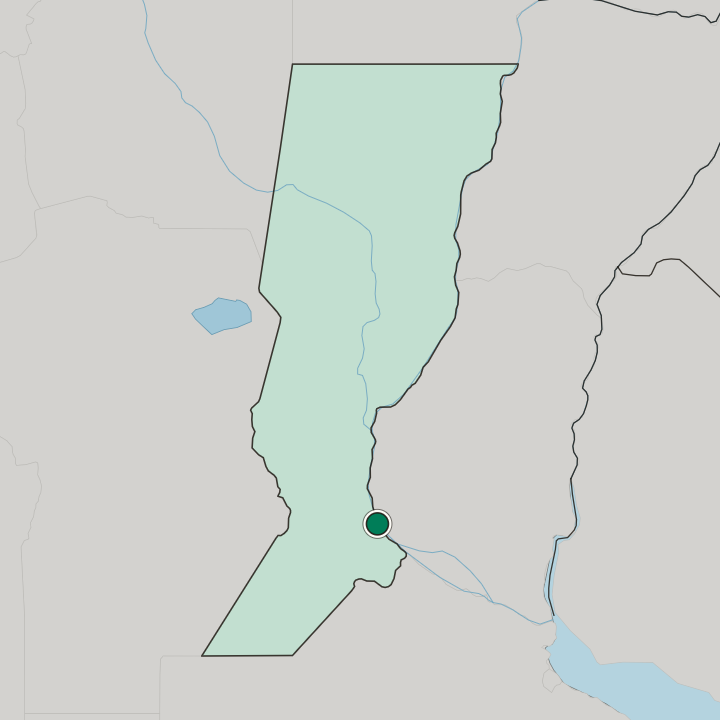
Rosario sits on the west bank of the Parana River in the south of Santa Fe province. The river is wide here. It braids into wooded islands that lie low against the far shore, spreading across the channel below the bluffs on which the city stands above the water.
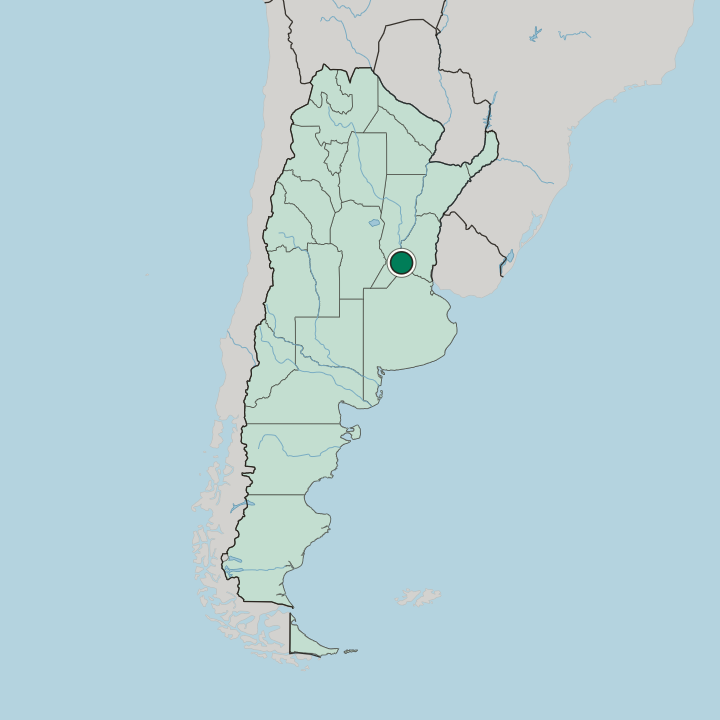
Behind the bank the flat pampa runs inland without a rise. Rosario stands north-west of the city of Buenos Aires, roughly 300 km upriver along the Parana.
What is the climate of Rosario?
Rosario has a humid subtropical climate set by its place on the Parana plain. Summers run hot and sticky, with thunderstorms that build over the river in the afternoon heat and break in sudden downpours across the pampa. Winters are mild.
Frost can touch the coldest mornings but snow is almost unknown, and rain falls through the year rather than in one wet season, keeping the riverbank green well past the summer.
How do you get to Rosario?
Rosario lies about 300 km up the Parana from the city of Buenos Aires. The main highway links the two across the pampa, and long-distance buses run the corridor through the day, alongside an airport that handles domestic and some regional flights. Trains also reach the city.
River traffic still works the port on the Parana. Once here, the grid behind the riverfront and the promenade along the water make the centre and its museums easy to reach on foot.
Common questions
What is the best area to stay in Rosario?
Cathedral riverfront: First stay by the Parana promenade. Castagnino museum quarter: Art Nouveau streets and the fine-arts museums.
Good for
More cities in Santa Fe Province
Updated October 2026