Argentina
Santa Fe Province, Argentina — Towns & Travel Guide
Santa Fe is Argentina's grain-heartland province on the Paraná River, running from the port of Rosario up to the flag's birthplace.
Hotel links are affiliate links: booking through them may earn us a commission, at no extra cost to you. It never affects how places are ranked. How this works


Towns & cities in Santa Fe Province
Pick a town or city — each links to where to stay.
 Argentina
Rosario
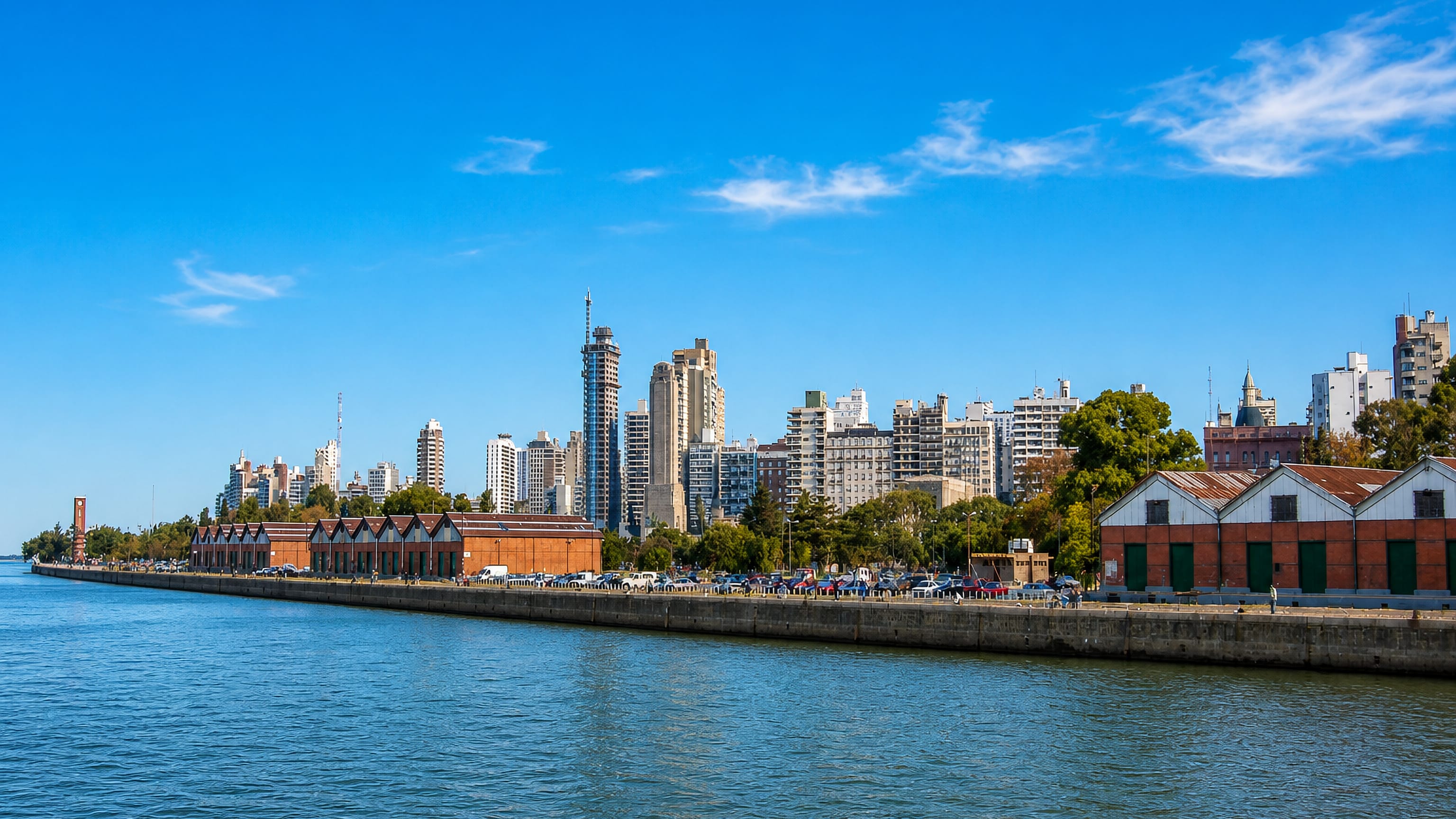
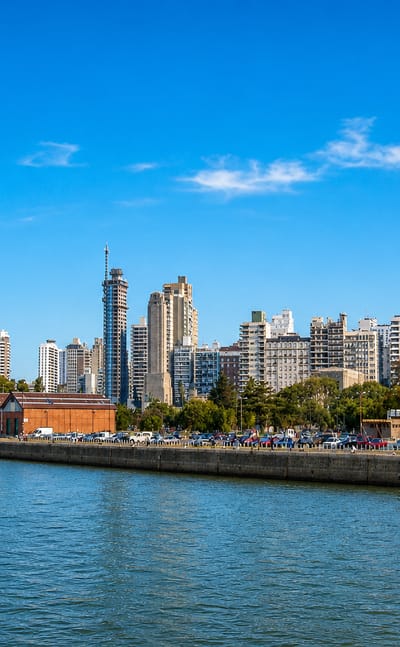
The Parana River runs past Rosario, Argentina's third-largest city and largest in Santa Fe province, known for its Art Nouveau streets and river museums.Where to stay →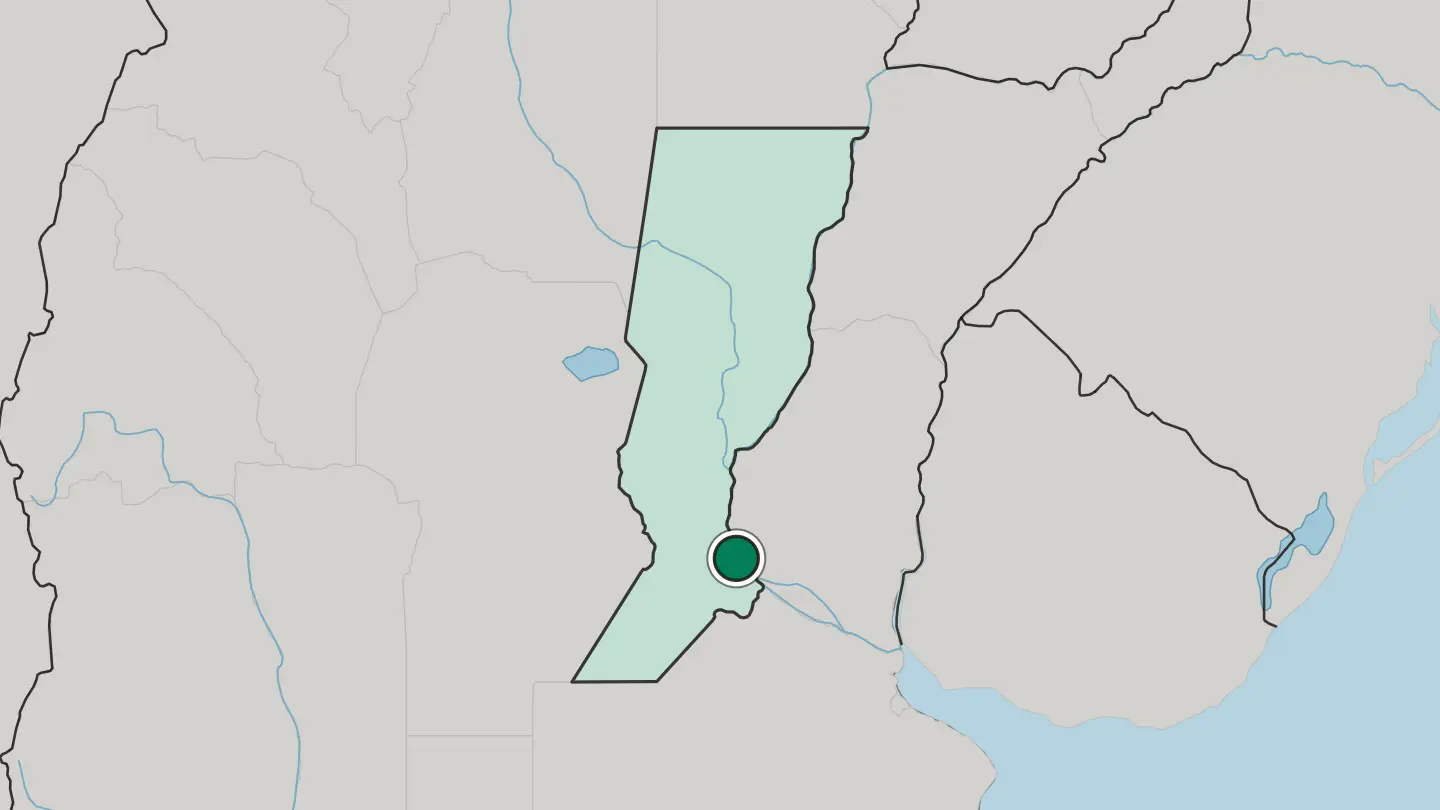
 Argentina
Santa Fe
Santa Fe is a historic river city in the northeast of Argentina, the capital of Santa Fe province and cradle of its constitution.Where to stay →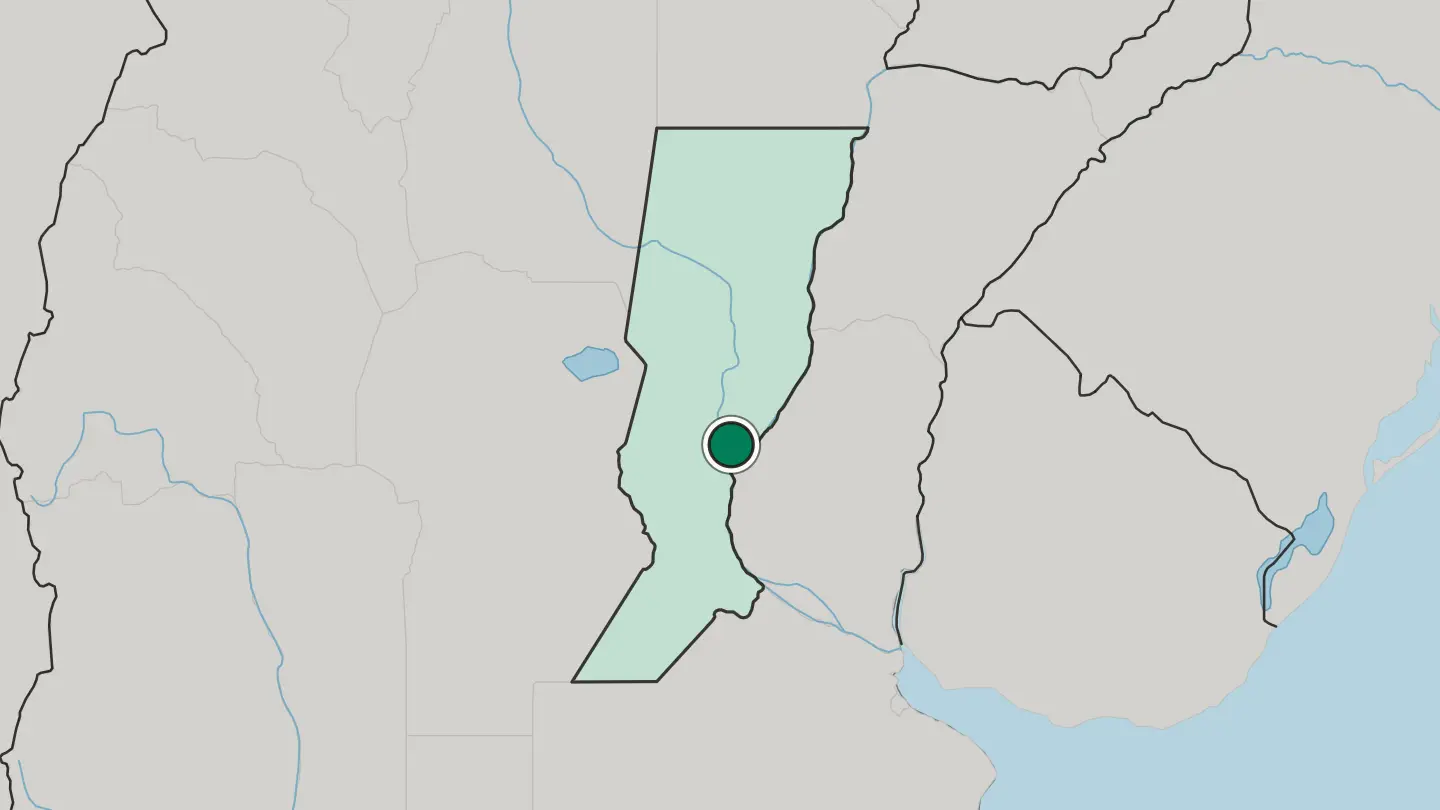 Argentina
Reconquista
Reconquista, head town of the General Obligado Department in Santa Fe, Argentina, was founded in 1872 and lies far from the provincial capital.Where to stay →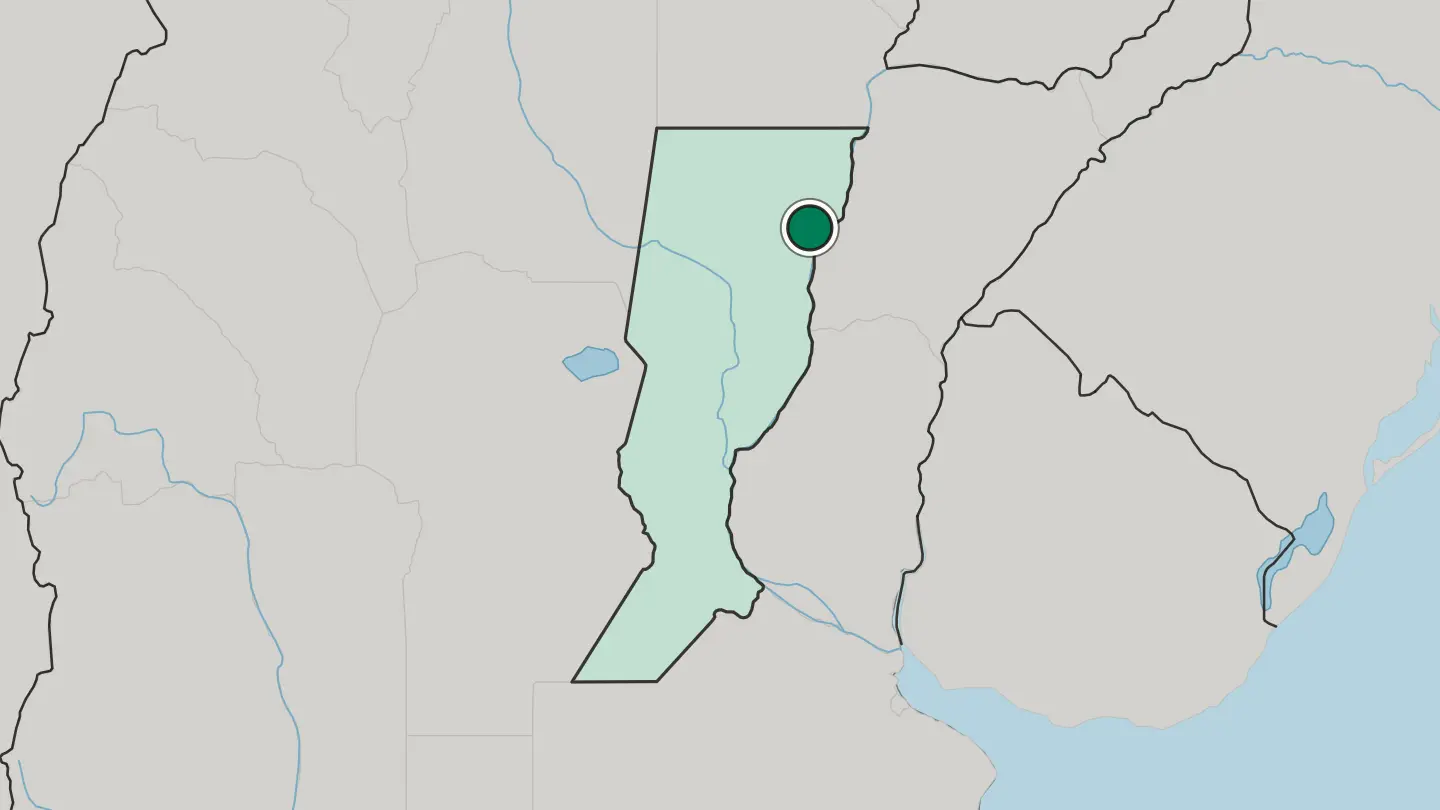
 Argentina
Rafaela
Rafaela, founded in 1881, heads the Castellanos Department in the central-west of Santa Fe Province, Argentina.Where to stay →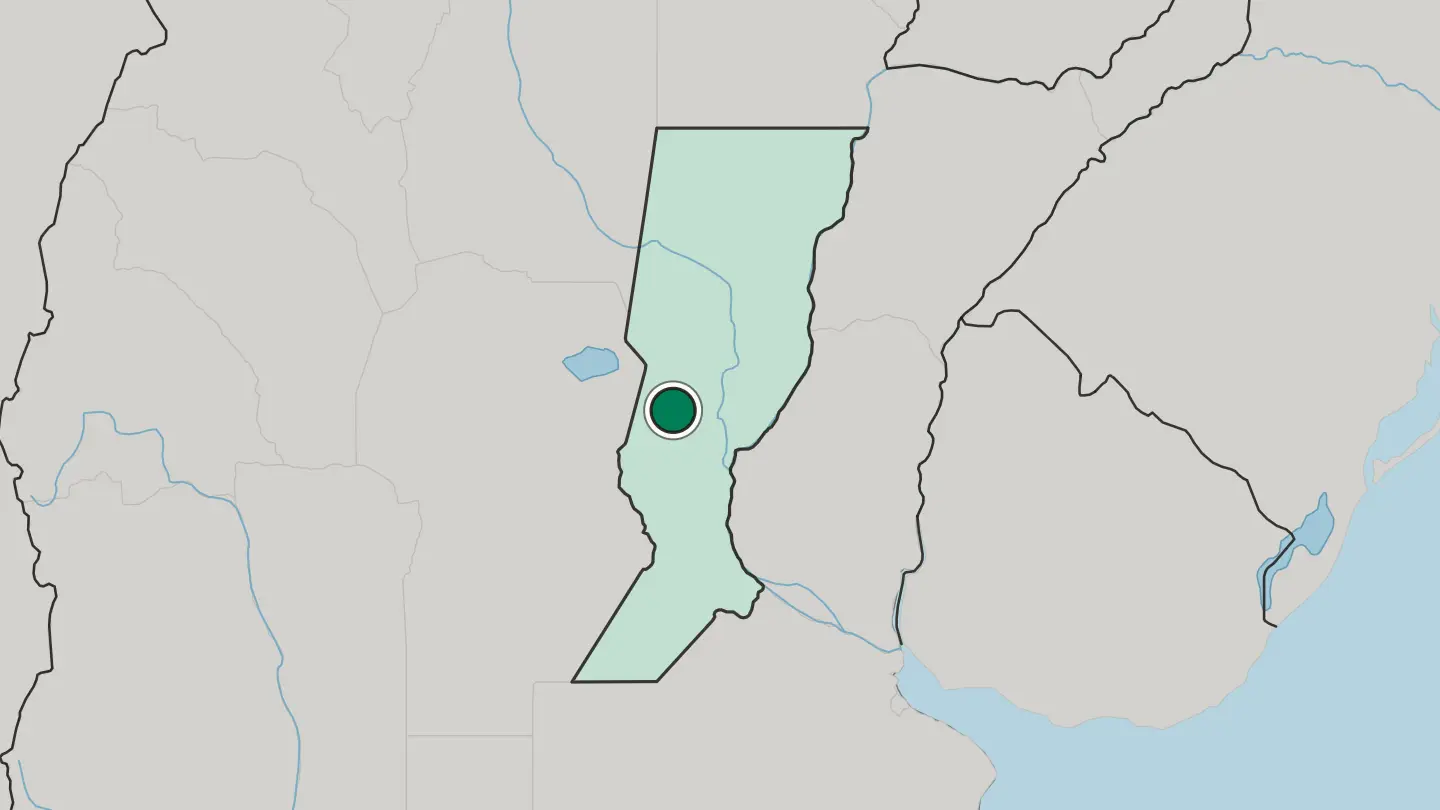
 Argentina
Venado Tuerto
Venado Tuerto is a city of the province of Santa Fe, Argentina, founded in 1884 and counting Teatro Verdi among its few named sights.Where to stay →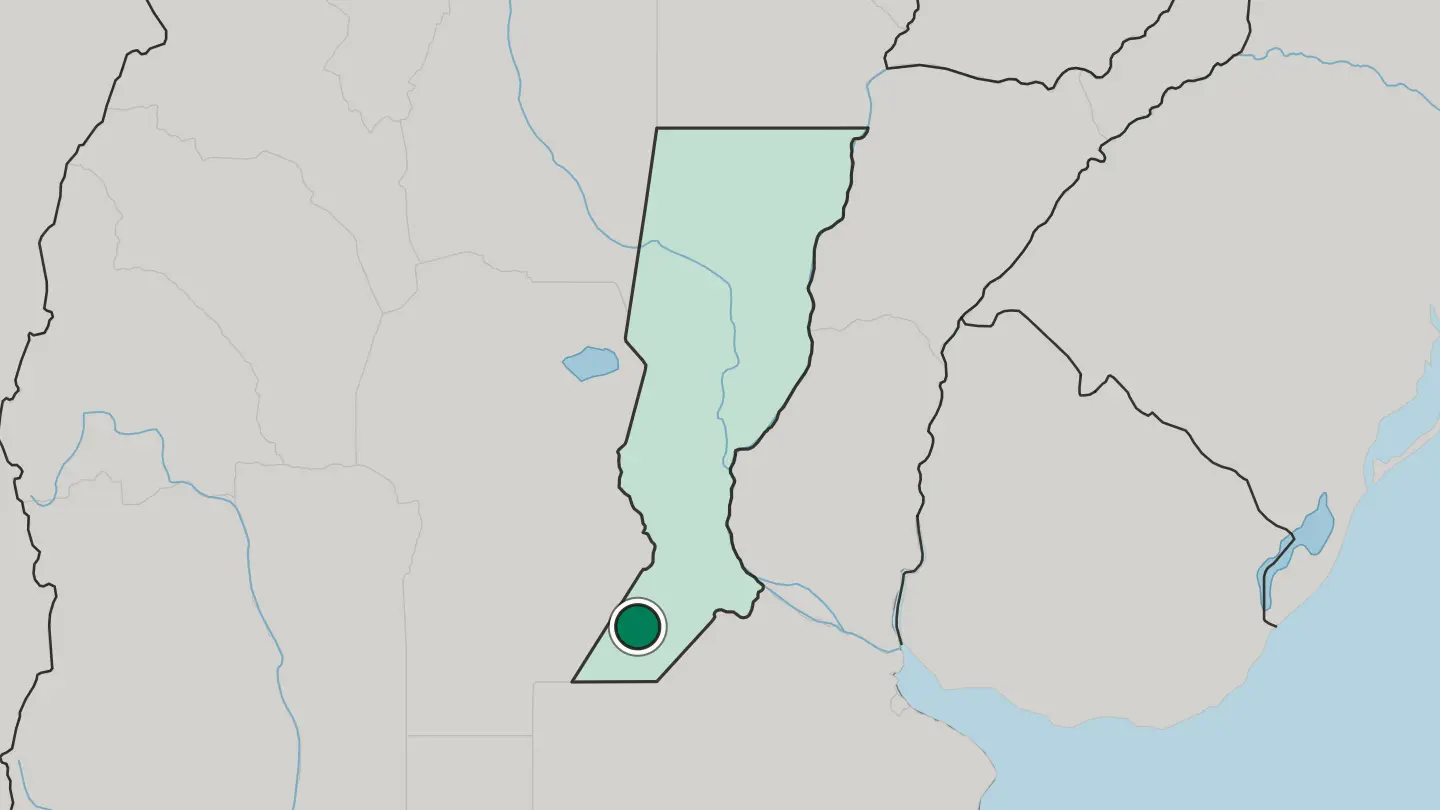
Hotel links are affiliate links: booking through them may earn us a commission, at no extra cost to you. It never affects how places are ranked. How this works
About Santa Fe Province
Santa Fe is grain country.
What is Santa Fe Province known for?
The province sits in the humid Pampas across central-east Argentina, and its flat black soil feeds much of the nation's soybean, wheat, and sunflower crop. Rosario anchors the south, a river port on the western bank of the Paraná and the third-largest city in the country. It is also where Manuel Belgrano first raised the Argentine flag, in 1812, on the shore of that same river.
The capital, Santa Fe de la Vera Cruz, sits upriver and gave the country its 1853 constitution.
Where is Santa Fe Province?
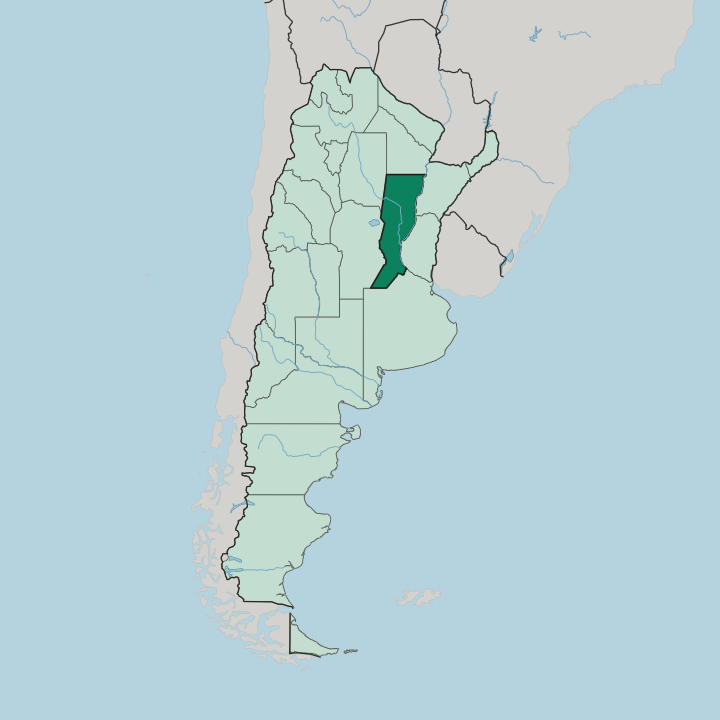
Santa Fe fills a long strip of central-east Argentina, running north to south down the western bank of the Paraná River. The river is its whole eastern edge. It divides Santa Fe from Entre Ríos and Corrientes across the water, and its wide braided channels and low islands flood the plain after heavy rain.
Most of the province is table-flat. The south belongs to the humid Pampas, deep black farmland with barely a rise in it, while the north shades into the scrubby edge of the Gran Chaco with marsh, tall savanna, and patches of woodland. Six provinces close around Santa Fe on its landward sides.
Chaco and Santiago del Estero lie to the north, Córdoba to the west, and Buenos Aires closes the south. The Salado del Norte crosses the whole province on a long slant before it empties into the Paraná near the capital, the last major tributary the great river takes on. Rosario stands in the south on the Paraná, roughly northwest of Buenos Aires, while the city of Santa Fe sits well upriver.
The Paraná ties the two together and carries the province's grain down toward the sea.
What is Santa Fe Province like?
Santa Fe is a province built by immigrants and grain. The great wave that arrived between the 1850s and the 1950s was largely Italian, and above all Piedmontese, alongside Spanish, Swiss, and German settlers who founded the farm colonies that still checker the western pampa. Italian surnames and dialect words run through the countryside.
Rafaela and the Castellanos towns grew straight out of those agricultural colonies, and the province held the first Jewish farming settlements in the country. The land shaped the food. Beef from the pampa, river fish from the Paraná, and dulce de leche all belong here.
Rosario carries the modern cultural weight. The city gave Argentina the footballer Lionel Messi and, an era earlier, Che Guevara, and its riverfront around the National Flag Memorial is the ceremonial heart of the whole nation's flag. Spanish is the everyday language.
It is spoken with the sing-song River Plate accent shared with Buenos Aires down the river, and it carries a strong local pride in the flag, the fields, and the football.
What is the history of Santa Fe Province?
The story starts on the river. Juan de Garay founded the city of Santa Fe in 1573 as a Spanish stopping point on the Paraná, and the town later moved south to its present ground. The province claimed its own government in 1816 under the caudillo Estanislao López, one of the federalist strongmen who fought the pull of Buenos Aires.
Its greatest moment came in 1853, when a national congress meeting in the city of Santa Fe drew up the constitution that founded the modern Argentine Republic. Grain and the river ports did the rest, turning a frontier outpost into the country's farming core.
What is the climate of Santa Fe Province?
Santa Fe runs warm and humid. The subtropical north is hotter and wetter, edging the Gran Chaco, while the southern Pampas around Rosario stay milder and see frost by the depths of winter. Summers are hot across the whole province, with heavy afternoon thunderstorms rolling off the plain and swelling the Paraná and the Salado.
Rain falls year-round but leans to the warmer months. The flat land drains slowly, so a hard storm can flood the low ground fast.
How do you get to Santa Fe Province?
Most travellers come through Rosario. Its Islas Malvinas International Airport, west of the city, runs domestic flights to Buenos Aires and other Argentine cities plus a handful of regional international links. The provincial capital has its own smaller field at Sauce Viejo.
Rosario sits on the main highway and rail line northwest from Buenos Aires, a few hours up the road, and the same corridor threads on to Córdoba. The Paraná still carries barge traffic, but people arrive by air and road.
Common questions
What is the best area to stay in Santa Fe Province?
Rosario: the riverfront and city life of southern Santa Fe. Santa Fe de la Vera Cruz: the historic capital and the upper Paraná. Rafaela and the western pampa: the agricultural heartland inland.
More regions in Argentina
Updated September 2026