Argentina · Santa Fe Province
Where to Stay in Santa Fe, Santa Fe Province
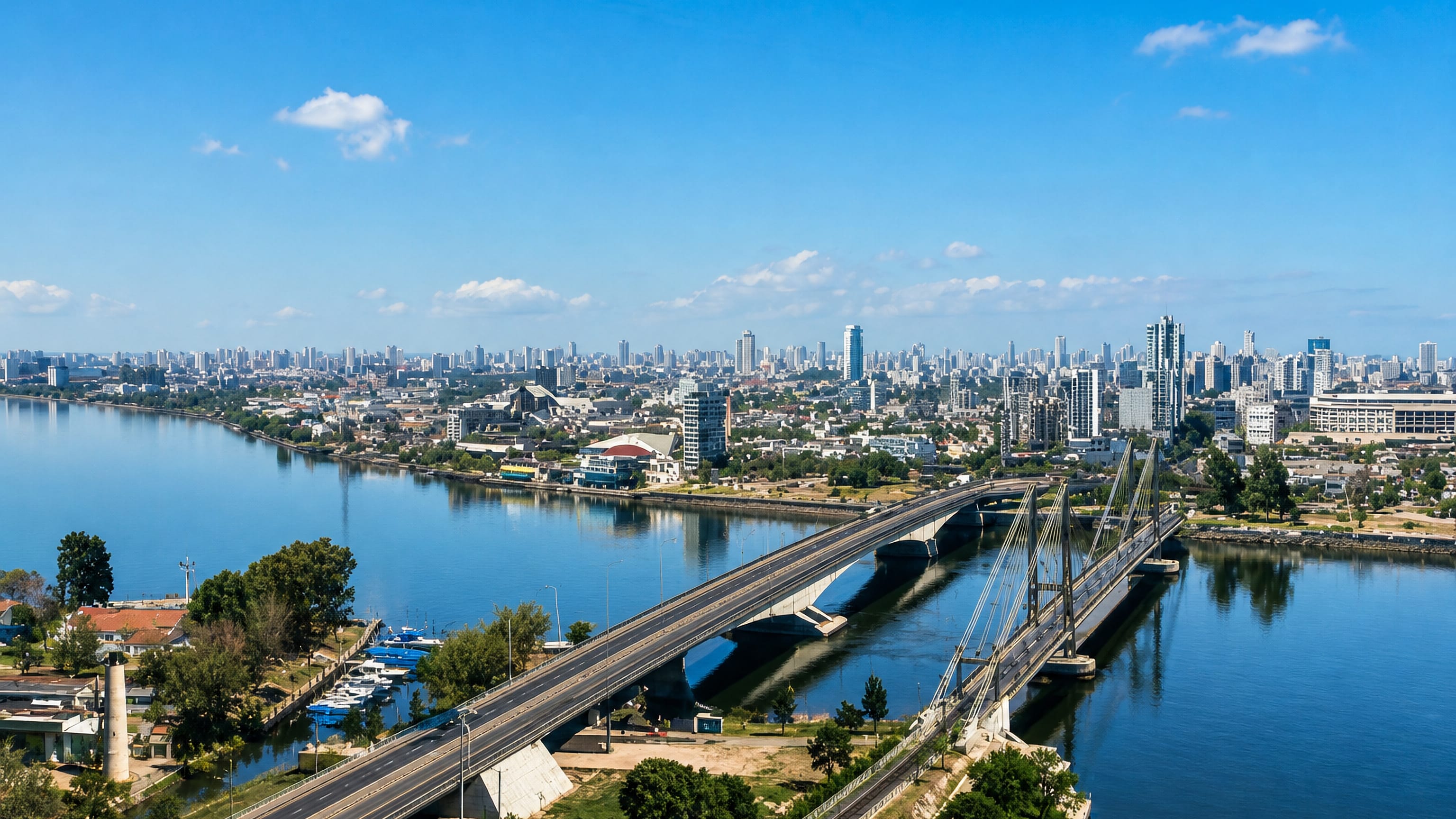
Santa Fe is a historic river city in the northeast of Argentina, the capital of Santa Fe province and cradle of its constitution.
Hotel links are affiliate links: booking through them may earn us a commission, at no extra cost to you. It never affects how places are ranked. How this works


Where to stay in Santa Fe
Where the beds are, and what that means for the visit.
Santa Fe puts its beds either around the colonial plaza or out along the water. The streets around the plaza and the convent keep the churches, the museums, and the shops within a walk, and staying downtown suits anyone here for the history. The old plaza fills in the evening.
Rooms sit near the cathedral. Out toward the Costanera and the lagoons, the city meets the water. A room by the riverside trades the old streets for the promenade, the beaches, and the view over the Setúbal lagoon.
The wide water opens past the edge. If you want the churches and the museums, stay downtown; if you want the river, take a room by the Costanera. From either base the old quarter is minutes away.
Find hotels in Santa Fe
Direct booking searches for these neighbourhoods.
The old town
Around the plaza within a walk of the conventFind hotels in The old townStays wanting the riverside and beachesThe Costanera
By the promenade along the Setúbal lagoonFind hotels in The CostaneraHotel links are affiliate links: booking through them may earn us a commission, at no extra cost to you. It never affects how places are ranked. How this works
Things to do in Santa Fe
Ranked by global recognition; descriptions from Wikidata (CC0).
Museums & Galleries
3- Museo Etnográfico y Colonial Juan de Garay
- Rosa Galisteo de Rodríguez Fines Arts Provincial Museum
- Provincial Historical Museum of Santa Fe Brigadier Estanislao López
Churches & Religious Sites
1- Sanctuary of Our Lady of the Miracles Heritage
worth knowingacross 2 categories in Santa Fe
About Santa Fe
Santa Fe is the colonial river capital of the Litoral.
What is Santa Fe known for?
Founded by the Spanish in 1573, it stands amid the lagoons and channels of the Paraná, and it keeps the old Convent of San Francisco with its hardwood roof, the Sanctuary of Guadalupe, and the hall where Argentina signed its constitution in 1853. The wide river spreads to the east. History and water mark the city.
What are the main landmarks in Santa Fe?
The Convent of San Francisco is the pride of Santa Fe. The old Franciscan church and cloister, roofed with a ceiling of hardwood beams set without nails, has stood since colonial days, the emblem of the city, by the plaza. A shrine draws pilgrims north of town.
The Sanctuary of Guadalupe rises by its lagoon, while the old cathedral, the historical museum, and the constitution hall mark the streets of Santa Fe.
What is the history of Santa Fe?
Santa Fe was founded in the first days of the Spanish river towns. In 1573 Juan de Garay set the town on the Paraná to guard the road between Asunción and the sea, and later the settlers moved it south to firmer ground, where it grew as a port and a church town of the Litoral. Convents and churches rose by the river.
The Franciscans raised a great convent of adobe and hardwood that still stands, and the town became a seat of faith and trade on the water. The city won its place in the nation's story. As Argentina took shape, its leaders gathered at Santa Fe, and here in 1853 they signed the constitution that bound the provinces into one country.
Later the railways and the port made it grow. Mills, a great brewery, and the trade of the Litoral filled the city, and a tunnel was dug beneath the river to link it to Paraná. The old convent still stands by the plaza.
Santa Fe keeps its churches and its constitution on the Paraná.
Where is Santa Fe?
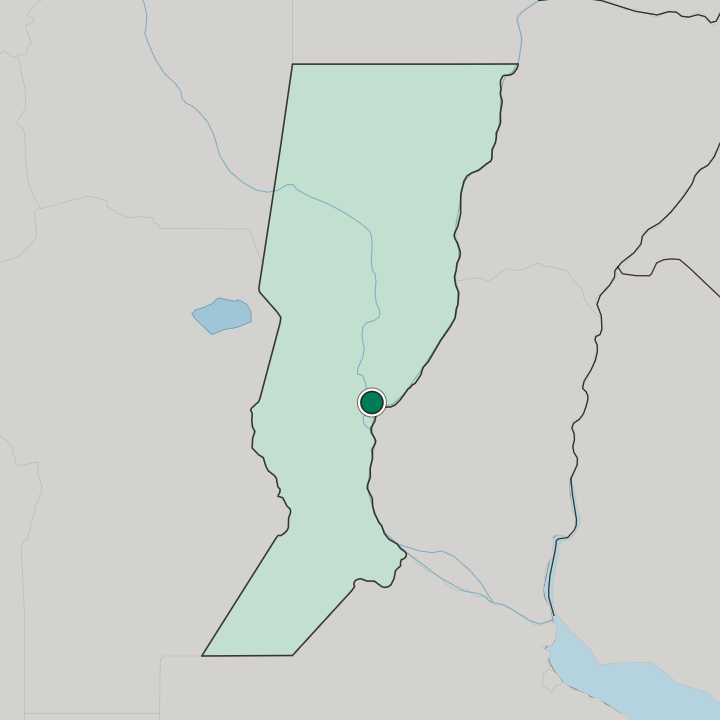
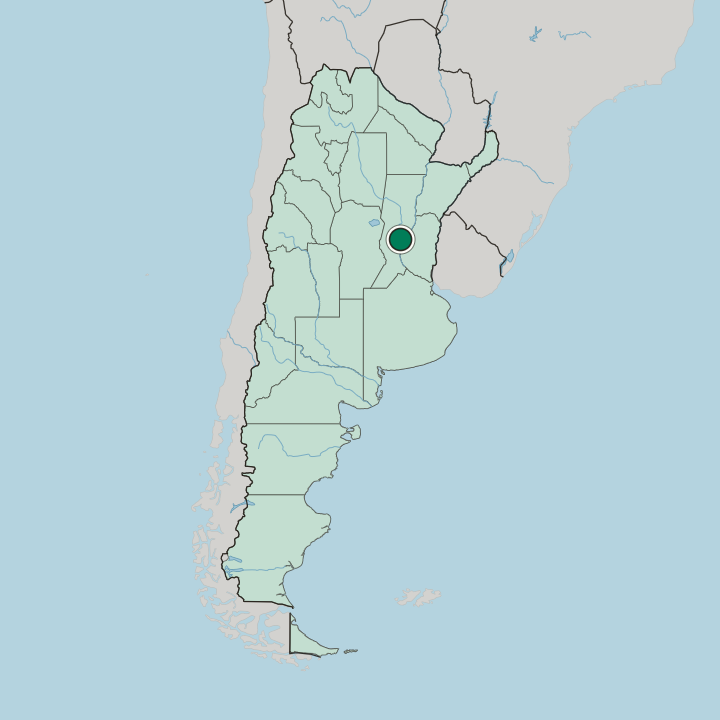
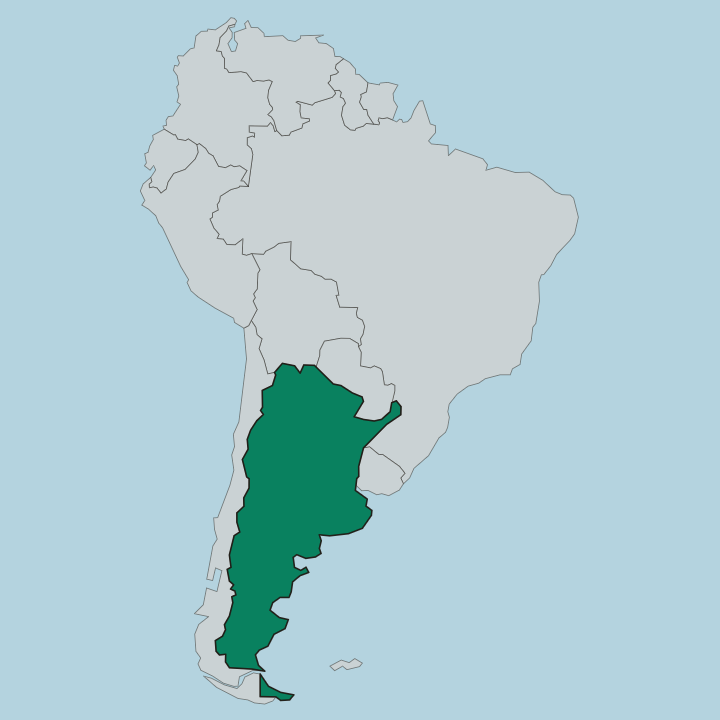
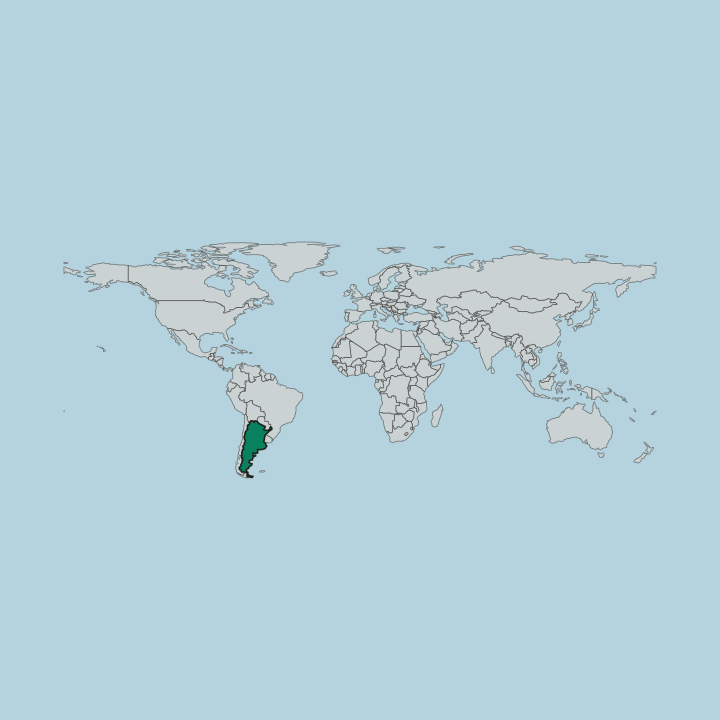
Santa Fe lies on the Paraná river in the northeast of Argentina, in the flat Litoral country. The city sits on low ground among lagoons and channels, where the Salado meets the great river, across the water from Paraná city, on the wide Pampa's northern edge. Flat wet country spreads around.
The river runs south to the sea.
What is the climate of Santa Fe?
Santa Fe has a warm, humid climate. Hot summers hang heavy over the river, and mild winters bring cooler air from the south, with rain through much of the year and storms in the warm months. Floods swell the river in the wet season.
The lagoons stay green through the year.
How do you get to Santa Fe?
Santa Fe lies in the northeast of Argentina, across the Paraná from Paraná city. Roads and the tunnel link it to Paraná, and the highway runs north and south along the Litoral to Rosario and beyond, while buses reach the river towns. Buses reach the lagoon towns around.
Most arrive by road from Rosario.
Common questions
What is the best area to stay in Santa Fe?
The old town: Visitors here for the churches, plaza, and museums. The Costanera: Stays wanting the riverside and beaches.
Good for
More cities in Santa Fe Province
Updated September 2026