Austria · Burgenland
Where to Stay in Eisenstadt, Burgenland
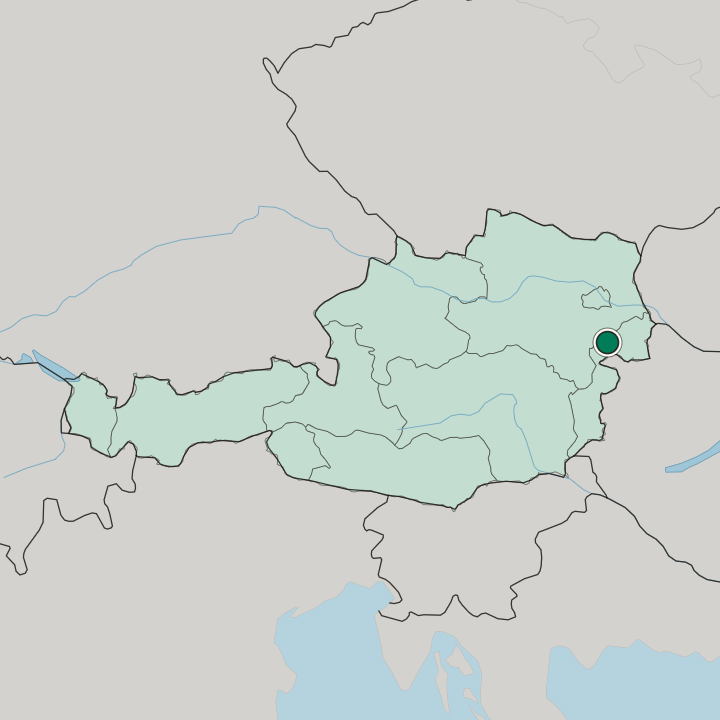
Eisenstadt is the capital of Burgenland, the smallest of Austria's state capitals, standing at the foot of the Leitha Mountains around Schloss Esterházy.
Hotel links are affiliate links: booking through them may earn us a commission, at no extra cost to you. It never affects how places are ranked. How this works


Where to stay in Eisenstadt
Where visitors usually base themselves, and why.
The choice at Eisenstadt splits along Oberberg and Unterberg, the two names the city gives its own halves. Eisenstadt-Oberberg carries the Bergkirche with the Haydn mausoleum inside it, so a bed on that slope puts the Haydn-Haus and the Haydn-Haus Kräutergarten within a morning's walk. Music decides that side.
You will want it if the trip is built around Haydn rather than around the Esterházy court. Eisenstadt-Unterberg is the other half, shaped by the former Jewish district, and the Österreichisches Jüdisches Museum keeps that record on the street. Schloss Esterházy and Eisenstadt Cathedral anchor the middle ground between the two, with the Landesmuseum Burgenland and the Landesgalerie Burgenland a short way off.
That cathedral seats a diocese. Anyone who wants the Diözesanmuseum Eisenstadt, the Dommuseum Eisenstadt and the Franziskanerkirche in one unhurried day belongs on this side of the name. Kleinhöflein im Burgenland closes the western end and St. Georgen am Leithagebirge the eastern one, both worked by vintners and hung with Heurigen, which makes them the choice for an evening spent in a wine tavern rather than a museum.
The Pfarrkirche Eisenstadt-St. Georgen marks that eastern edge. The Leitha Mountains stand over the whole stretch.
Find hotels in Eisenstadt
Direct booking searches for these neighbourhoods.
Eisenstadt-Oberberg
The upper of the two halves Eisenstadt names for itself, holding the Bergkirche and its Haydn mausoleum, with the Haydn-Haus and the Haydn-Haus Kräutergarten along the same short streets. Beds are limited here, so book early.Find hotels in Eisenstadt-Oberbergdays given to the former Jewish district and the Österreichisches Jüdisches Museum that records itEisenstadt-Unterberg
The lower half of Eisenstadt, shaped by its former Jewish district and keeping the Österreichisches Jüdisches Museum, with Schloss Esterházy and Eisenstadt Cathedral on the ground between it and Oberberg.Find hotels in Eisenstadt-Unterbergevenings in the Heurigen at the vintners' two ends of EisenstadtKleinhöflein im Burgenland and St. Georgen am Leithagebirge
The western and eastern extremities of Eisenstadt, both worked by vintners and hung with Heurigen, with the Pfarrkirche Eisenstadt-St. Georgen standing at the far eastern edge. Lodging is scarce in this area; reserve in advance.Find hotels in Kleinhöflein im Burgenland and St. Georgen am LeithagebirgeHotel links are affiliate links: booking through them may earn us a commission, at no extra cost to you. It never affects how places are ranked. How this works
Things to do in Eisenstadt
Ranked by global recognition; descriptions from Wikidata (CC0).
Museums & Galleries
3- Haydn-Haus Heritage
- Landesmuseum Burgenland Heritage
- Leinnerhaus Heritage
Churches & Religious Sites
8- Bergkirche Heritage
- Eisenstadt Cathedral Heritage
- Pfarrkirche Eisenstadt-St. Georgen Heritage
- Saint Vitus Church Heritage
- Saint John the Baptist Church Heritage
Show 3 more →
- Auferstehungskirche Eisenstadt Heritage
- Franziskanerkloster Heritage
- Franziskanerkirche, Eisenstadt Heritage
Castles & Historic Sites
3- Schloss Esterházy Heritage
- Liszt Monument, Eisenstadt Heritage
- Bertonisäule Heritage
worth knowingacross 3 categories in Eisenstadt
About Eisenstadt
Schloss Esterházy sets the tone.
What is Eisenstadt known for?
Haydn's name reaches the record three times over, in the Haydn mausoleum inside the Bergkirche, in the Haydn-Haus, and again in the Haydn-Haus Kräutergarten listed with it. Vintners take the two ends. Kleinhöflein im Burgenland and St. Georgen am Leithagebirge work the ground on either side of the city, and their Heurigen are where that wine is drunk.
What are the main landmarks in Eisenstadt?
Schloss Esterházy is the largest name on the list. Eisenstadt Cathedral and the Bergkirche follow it, with the Franziskanerkirche, the Franziskanerkloster and the Esterházy-Gruft under them on the same register of churches and cloisters. Burgenland keeps its collections here.
The Landesmuseum Burgenland, the Landesgalerie Burgenland and the Österreichisches Jüdisches Museum head that side of the list, and the Gloriette, the Bertonisäule and the Leinnerhaus close it out.
What is the history of Eisenstadt?
The Esterházy name is the oldest thing the record fixes here. Schloss Esterházy stands at the head of it and the family crypt entered as the Esterházy-Gruft lies under the Franziskanerkirche, so the palace and the burial vault bracket one story from either end. The Franziskanerkloster belongs to it as well.
What survives of that period is built rather than written: a palace, a crypt, a cloister, and a church. Haydn supplies the second thread. The Bergkirche holds his mausoleum, the Haydn-Haus carries the name over a door, and the Haydn-Haus Kräutergarten was entered beside it, which is three separate listings in a town that fits inside an afternoon.
The Liszt Monument stands on the same short register of things raised to musicians. Eisenstadt-Unterberg carries the third. Its former Jewish district shaped that half of the city, and the Österreichisches Jüdisches Museum is the entry that keeps the account of it.
Burgenland then made the town its capital. That is the reason the Landesmuseum Burgenland, the Landesgalerie Burgenland and the Gebäude des ORF-Landesstudio Burgenland were built in the smallest of Austria's state capitals rather than in a larger place, and the reason the Diözesanmuseum Eisenstadt and the Dommuseum Eisenstadt sit beside a cathedral in a city of this size.
Where is Eisenstadt?
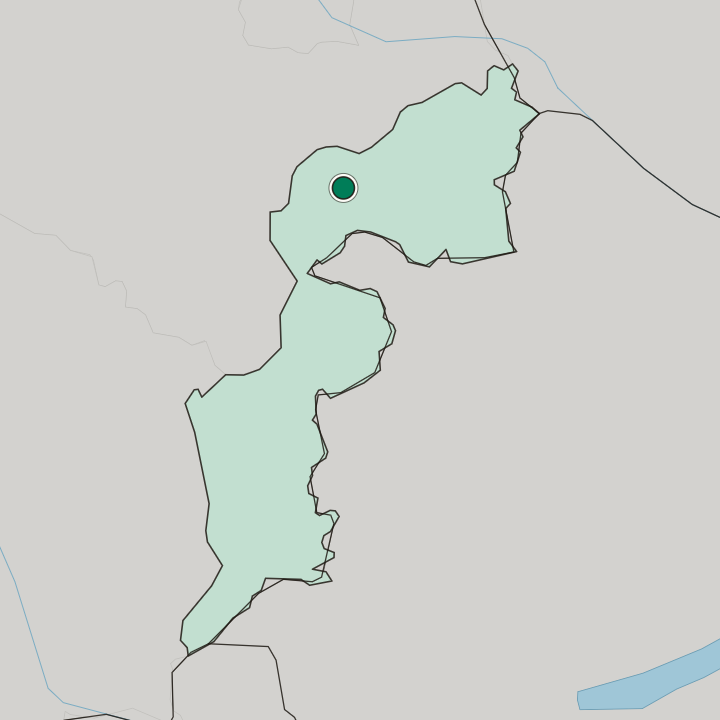
Eisenstadt sits at the foot of the Leitha Mountains, and the city divides into four named parts: Kleinhöflein im Burgenland at the western end, Eisenstadt-Oberberg and Eisenstadt-Unterberg between them, and St. Georgen am Leithagebirge at the eastern one. The eastern part carries the range in its name. The Raiffeisen-Jubiläumswarte is the tower on that list, and the Gloriette the garden piece.
It is the smallest state capital in Austria.
What is the climate of Eisenstadt?
The Leitha Mountains do the sheltering. Eisenstadt sits at their foot, and the vintners' ground at Kleinhöflein im Burgenland and at St. Georgen am Leithagebirge is the plainest evidence of what that shelter buys, a season warm enough and long enough to fill a Heuriger with wine grown on the slope above it. Heurigen fill up once the wine is young.
How do you get to Eisenstadt?
Four names cover the whole city. The run goes west to east, from Kleinhöflein im Burgenland through Eisenstadt-Oberberg and Eisenstadt-Unterberg to St. Georgen am Leithagebirge at the far end, which puts the Bergkirche, the Haydn-Haus and Schloss Esterházy inside the middle stretch and the Heurigen at either extremity. Burgenland transacts its own business here, which is why the Gebäude des ORF-Landesstudio Burgenland and the Landesmuseum Burgenland stand in a city this size.
Common questions
What is the best area to stay in Eisenstadt?
Eisenstadt-Oberberg: mornings that open at the Bergkirche and the Haydn mausoleum kept inside it. Eisenstadt-Unterberg: days given to the former Jewish district and the Österreichisches Jüdisches Museum that records it. Kleinhöflein im Burgenland and St. Georgen am Leithagebirge: evenings in the Heurigen at the vintners' two ends of Eisenstadt.
Good for
Updated October 2026