Australia · State of New South Wales
Where to Stay in Newcastle, State of New South Wales
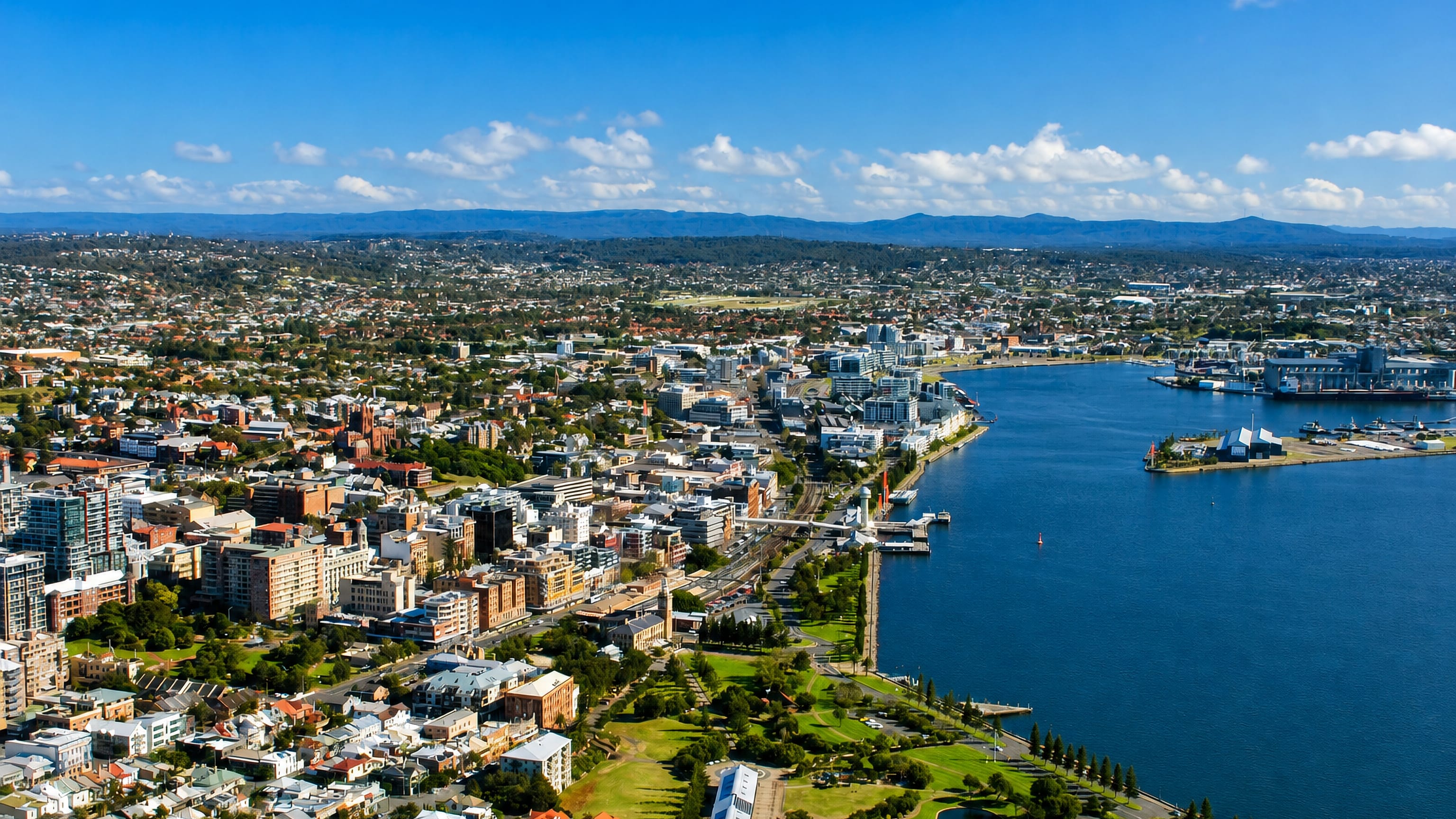
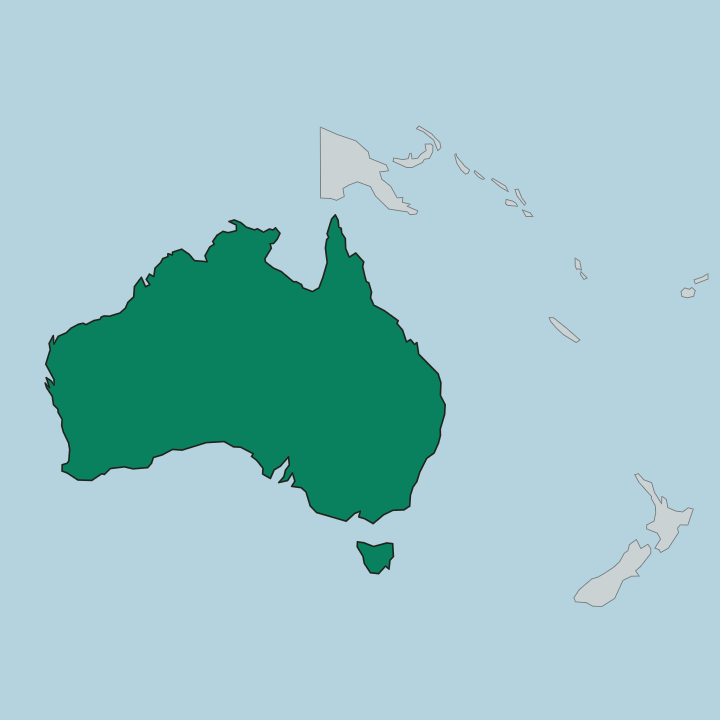
Newcastle is a harbour city of New South Wales in Australia, the country's second-oldest city, a coal port at the mouth of the Hunter with surf beaches.
Hotel links are affiliate links: booking through them may earn us a commission, at no extra cost to you. It never affects how places are ranked. How this works


Where to stay in Newcastle
Not every neighbourhood fits every trip — here's what each one is good for.

 NewcastleAustralia
Adamstown
Adamstown is a Newcastle suburb six kilometres from the central business district, split between the City of Newcastle and City of Lake Macquarie.Where to stay →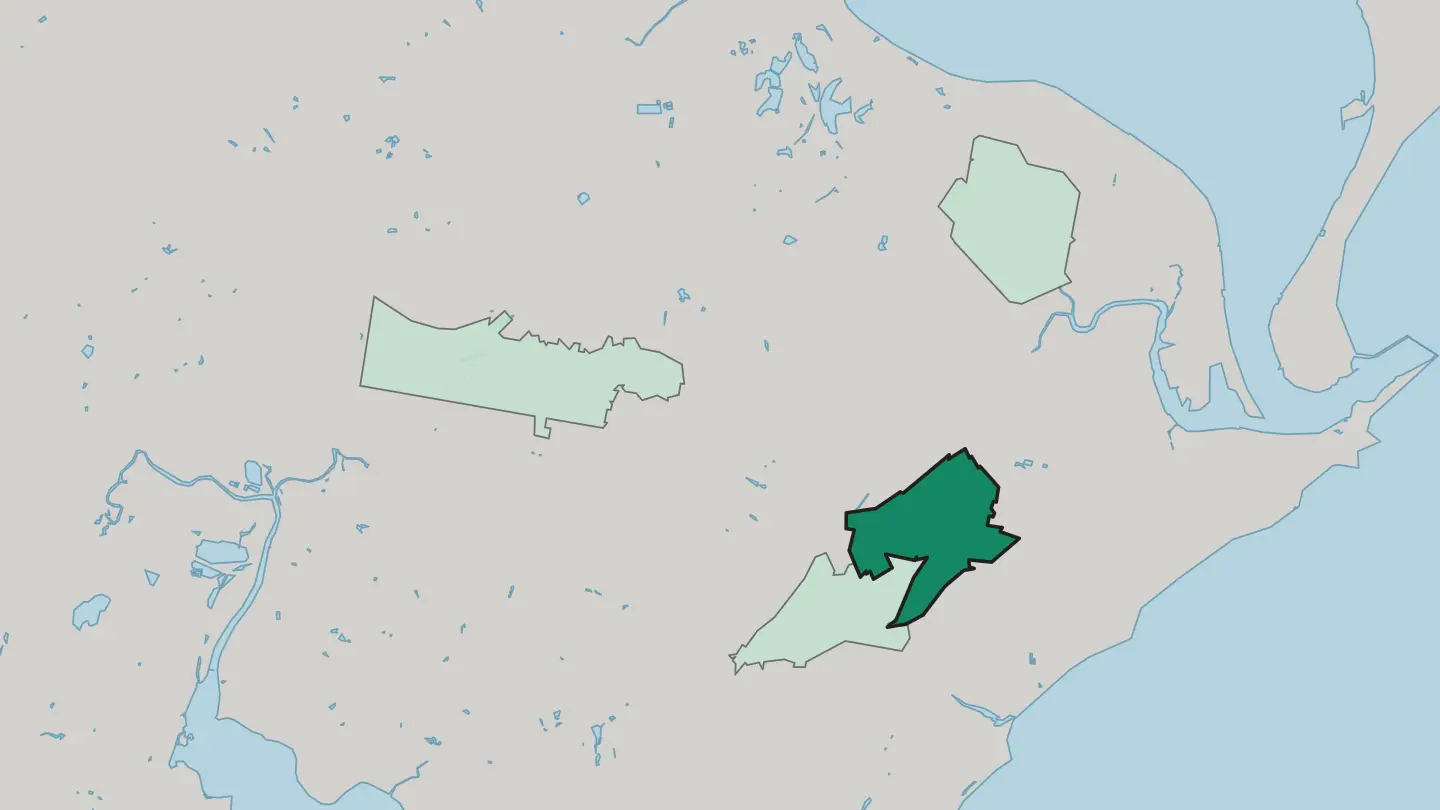
 NewcastleAustralia
Mayfield
A north-western suburb of Newcastle, Mayfield runs from the Hunter River down to the Main Northern railway line and is named for Ada May.Where to stay →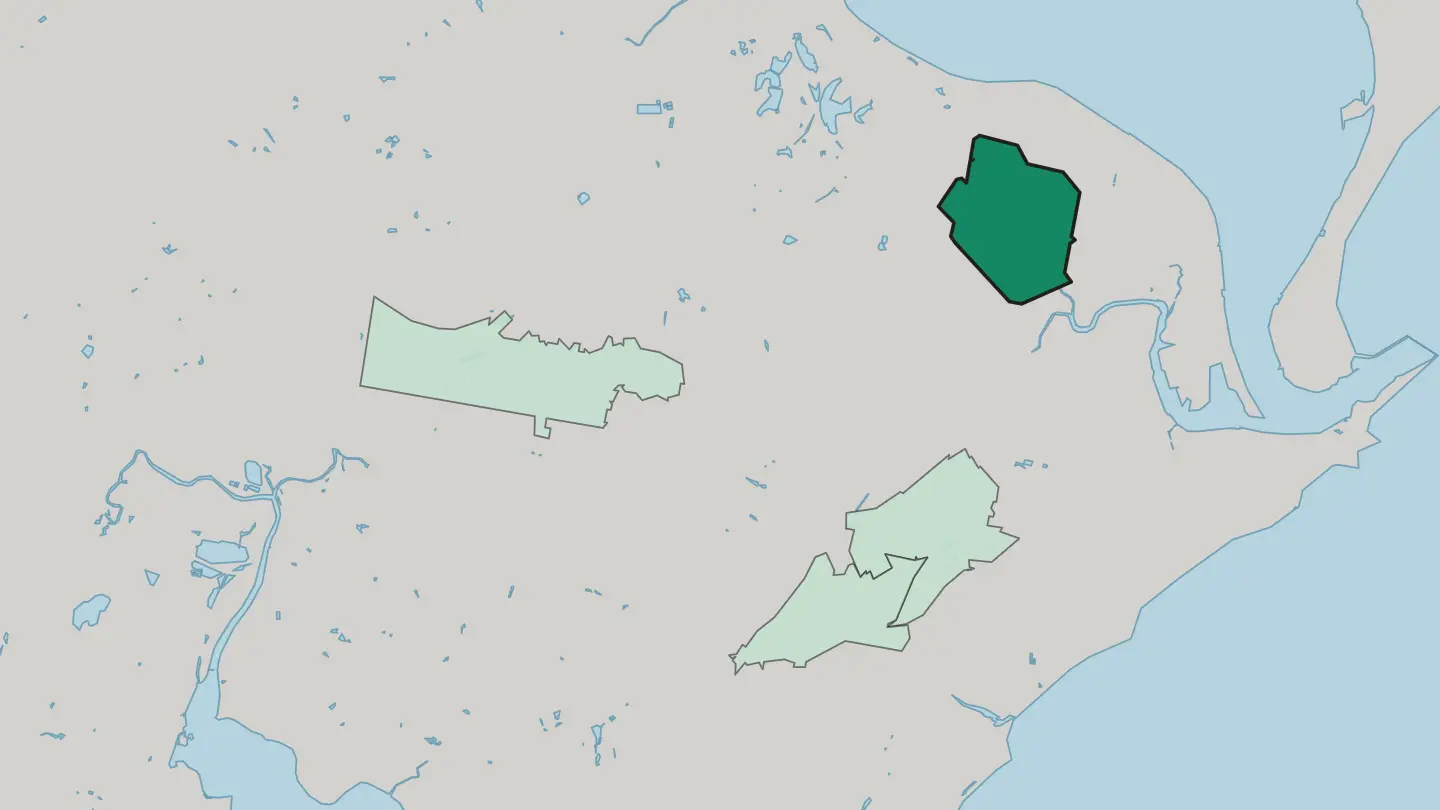 NewcastleAustralia
Adamstown Heights
Adamstown Heights sits along the Pacific Highway eight kilometres out from Newcastle's central business district, a suburb formally since 1991.Where to stay →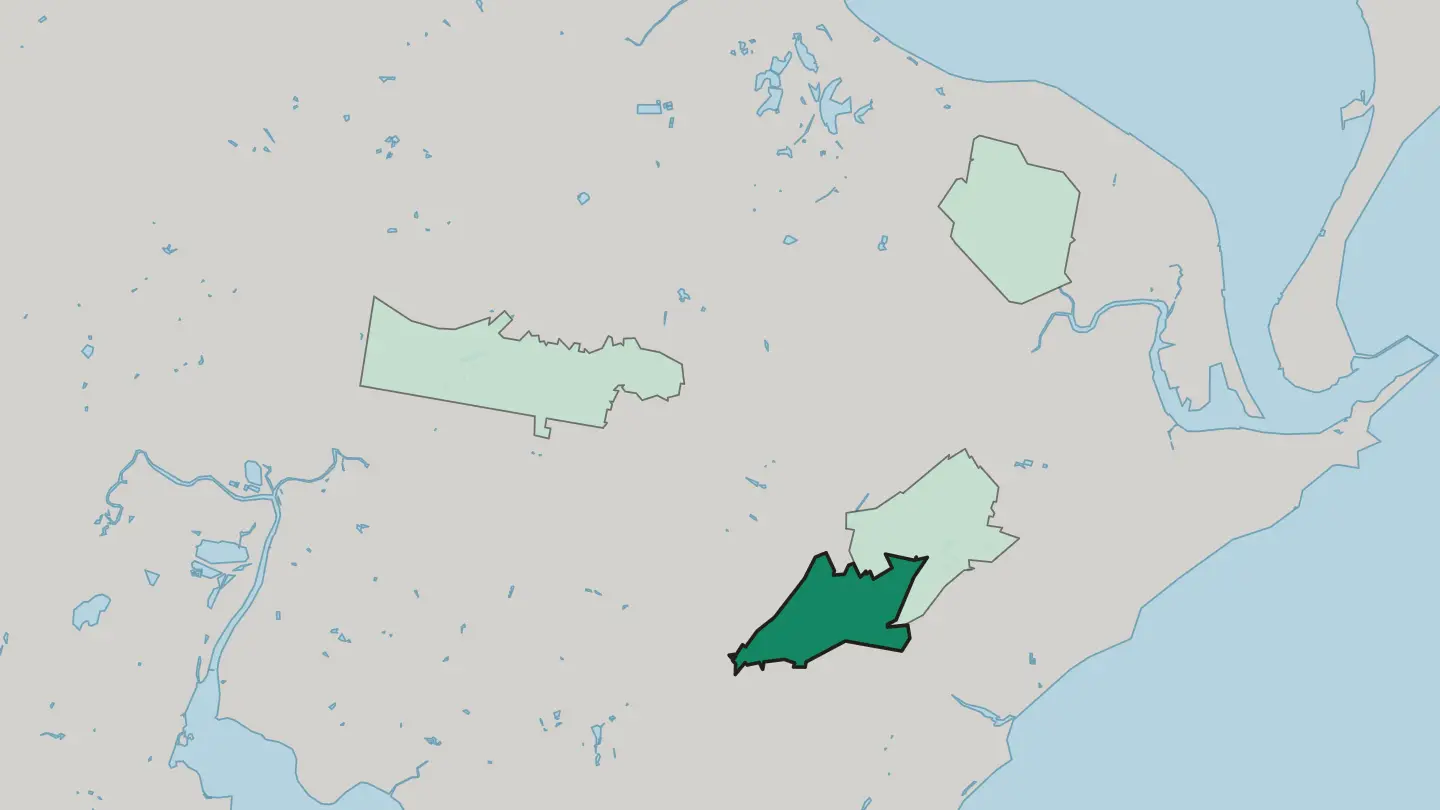 NewcastleAustralia
Elermore Vale
Elermore Vale is a Newcastle suburb built on ground once given over to chicken farming, cattle farming and coal mining.Where to stay →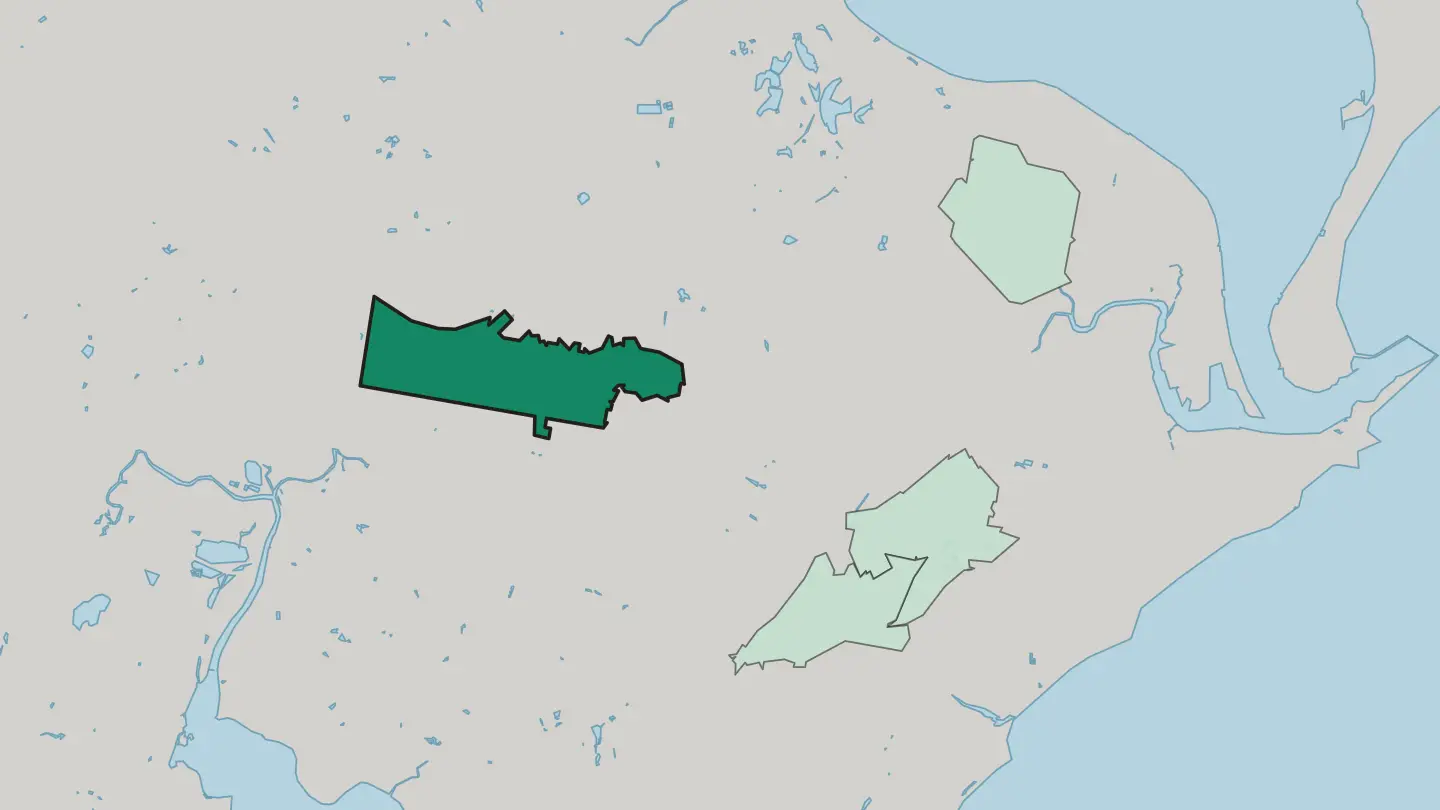
Hotel links are affiliate links: booking through them may earn us a commission, at no extra cost to you. It never affects how places are ranked. How this works
Find hotels in Newcastle
Direct booking searches for these neighbourhoods.
The harbour centre
Around the old centre within a walk of the harbourFind hotels in The harbour centreStays wanting the surf and ocean bathsThe ocean beaches
South of the centre along the surf beachesFind hotels in The ocean beachesHotel links are affiliate links: booking through them may earn us a commission, at no extra cost to you. It never affects how places are ranked. How this works
Things to do in Newcastle
Ranked by global recognition; descriptions from Wikidata (CC0).
Museums & Galleries
3- Fort Scratchley
- Newcastle Museum
- Newcastle Art Gallery
Churches & Religious Sites
3- Church and Watt Street Terrace Group Heritage
- St John's Anglican Church, Newcastle Heritage
- Newcastle City Mission
Stadiums & Sports
3- Newcastle Number 2 Sports Ground
- Wanderers Oval
- Anastasia's pool
worth knowingacross 3 categories in Newcastle
About Newcastle
Newcastle is the coal-and-surf city of the Hunter.
What is Newcastle known for?
At the mouth of the Hunter River on the New South Wales coast, it grew from a convict coal camp into the greatest coal port in the world, and it keeps that heritage with the harbour-mouth fort of Scratchley, the lighthouse on Nobbys Head, the ocean baths cut into the rocks, and the long line of surf beaches along its shore. Coal ships wait off the heads. Surf rolls onto the sand.
What are the main landmarks in Newcastle?
Fort Scratchley guards the harbour mouth at Newcastle. The old coastal fort on its headland, dug through with tunnels above the sea, looks out over the entrance, the emblem of the port, above the waves. A lighthouse stands beyond.
The lighthouse on Nobbys Head marks the harbour mouth, while the ocean baths, the cathedral on the hill, and the long surf beaches mark the shore of Newcastle.
What is the history of Newcastle?
Newcastle began as a place of punishment and coal. The British found coal at the river mouth and set a convict camp here in 1804, the second town of the young colony, where the worst-treated prisoners hewed coal and burned lime. Coal made the city.
The seams under the Hunter drew mines, railways, and ships, and Newcastle grew into the great coal port of the south. Then it forged steel by the sea. A vast steelworks rose on the harbour in the last century and made the city a place of furnaces and mills, drawing workers from across the world.
Steel gave way in the end. The great works closed as the century ended, and the city turned to its port, its university, and its beaches, but the coal trains still run to the wharves. The surf still rolls on the sand.
Newcastle keeps its harbour and its beaches at the mouth of the Hunter.
Where is Newcastle?
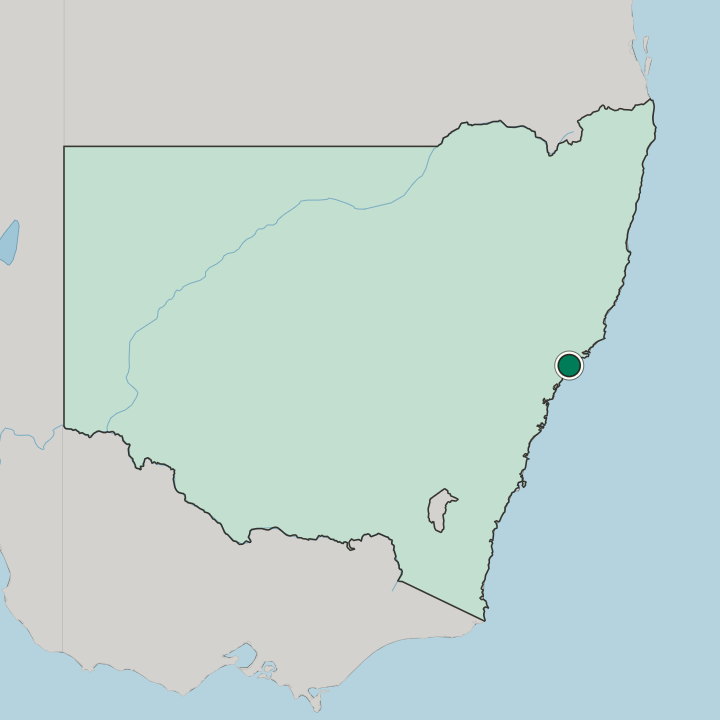
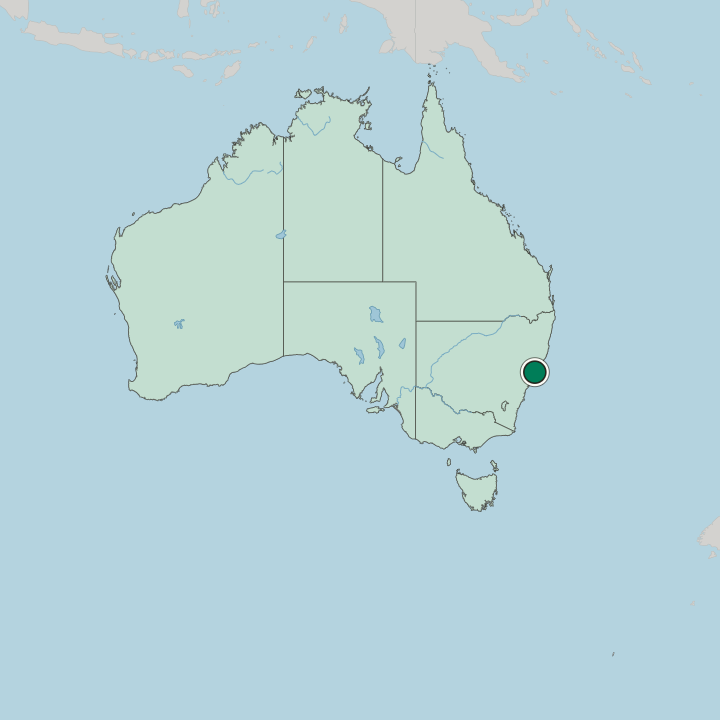
Newcastle lies on the coast of New South Wales, about two hours north of Sydney at the mouth of the Hunter River. The city stands where the river runs into the sea below sandstone headlands, with a great harbour behind and ocean beaches to the south, and the vineyards of the Hunter Valley spreading inland to the west. Surf breaks along the shore.
The river opens wide to the port.
What is the climate of Newcastle?
Newcastle has a warm, humid coastal climate. Hot summers and mild winters cross the shore, cooled year round by the sea breeze, with rain heaviest in the warmer half of the year. Sea air softens the summer heat.
The beaches stay warm late into autumn.
How do you get to Newcastle?
Newcastle lies on the New South Wales coast, about two hours north of Sydney by road or rail. The freeway and trains run to it up the coast from Sydney, and its airport links the other cities. Roads run inland to the Hunter vineyards.
Sydney lies to the south along the coast.
Common questions
What is the best area to stay in Newcastle?
The harbour centre: Visitors here for the fort and foreshore. The ocean beaches: Stays wanting the surf and ocean baths.
Good for
More cities in State of New South Wales
Updated September 2026