Australia · State of New South Wales
Where to Stay in Sydney, State of New South Wales
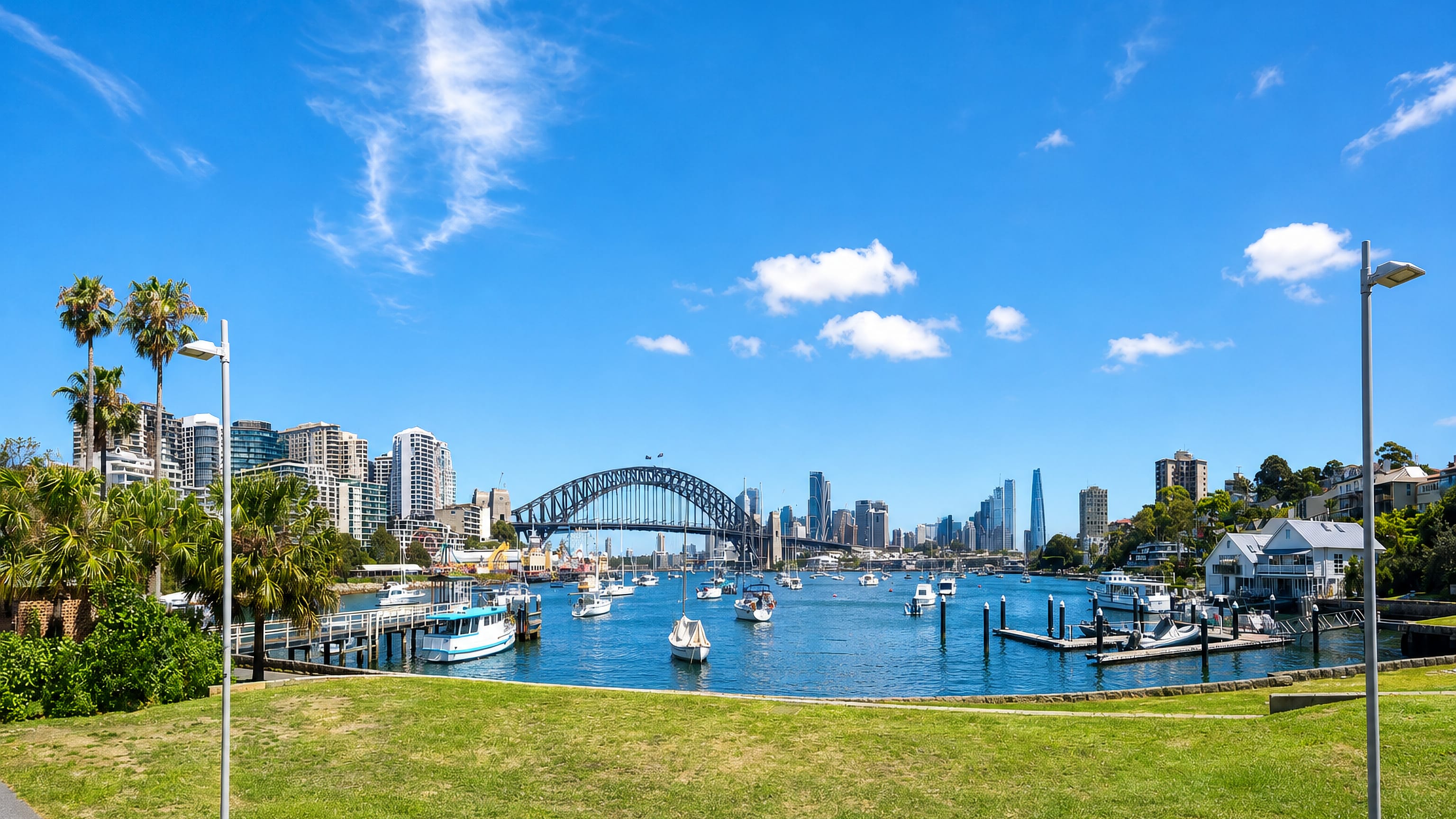
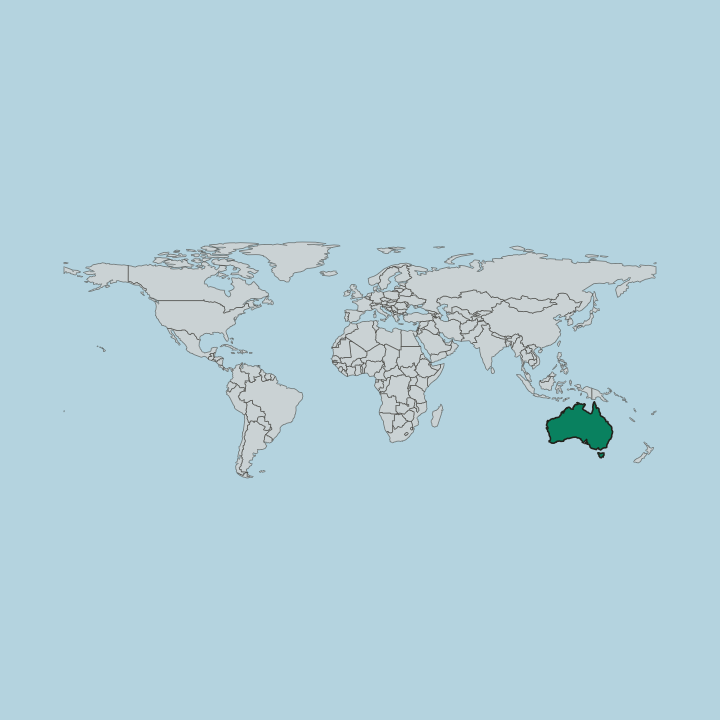
Deep water fills Sydney Harbour below the sandstone shore of Sydney, capital of New South Wales, known for the Sydney Opera House.
Hotel links are affiliate links: booking through them may earn us a commission, at no extra cost to you. It never affects how places are ranked. How this works


Where to stay in Sydney
The right area depends on your trip — here's what each neighbourhood is best for.

 SydneyAustralia
Woolloomooloo
Woolloomooloo is a harbourside suburb of Sydney on Woolloomooloo Bay, its landmark the Finger Wharf. Harry's Cafe de Wheels still sells pies.Woolloomooloo →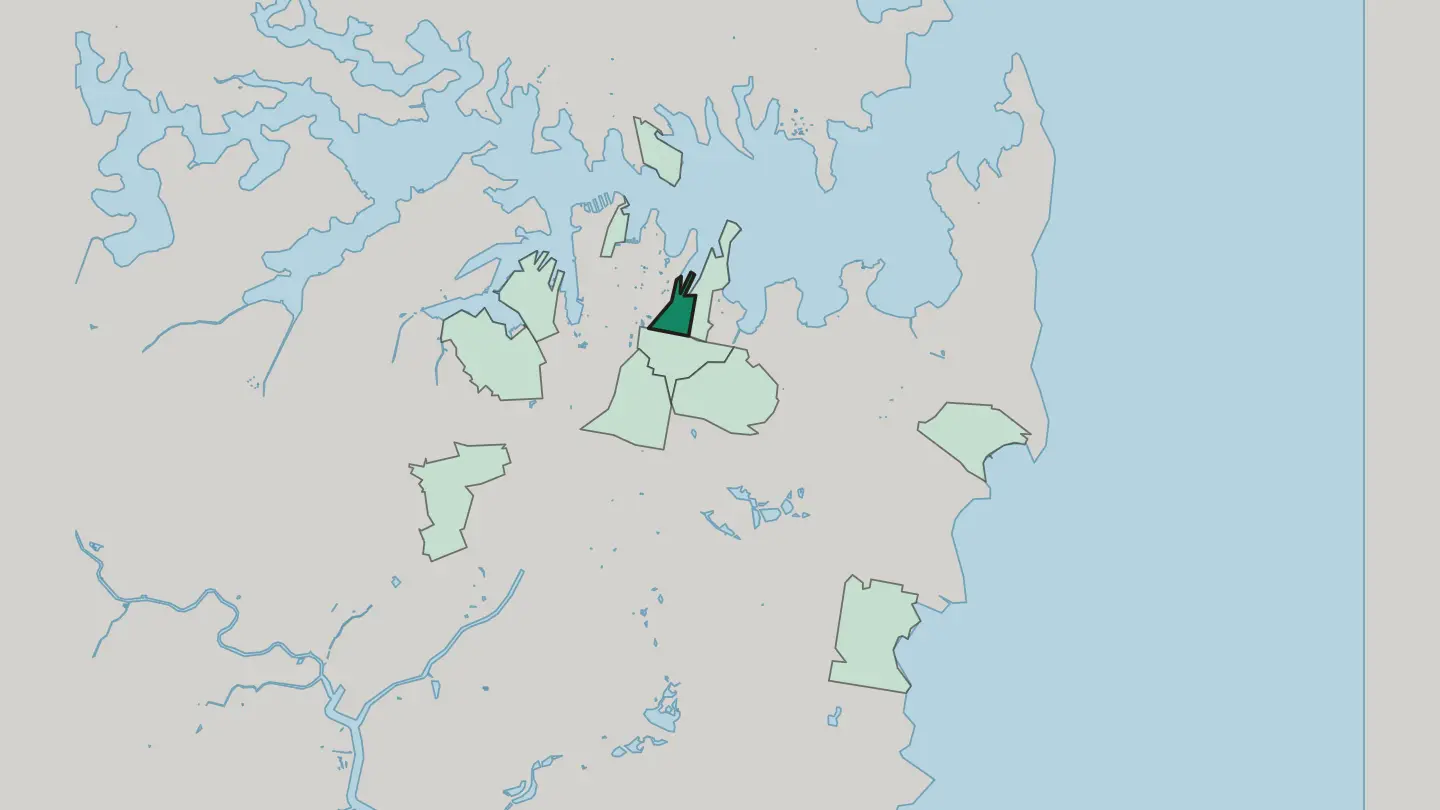
 SydneyAustralia
The Rocks
The Rocks is Sydney's oldest quarter, lanes around Sydney Cove under the Sydney Harbour Bridge, with the Museum of Contemporary Art Australia.The Rocks →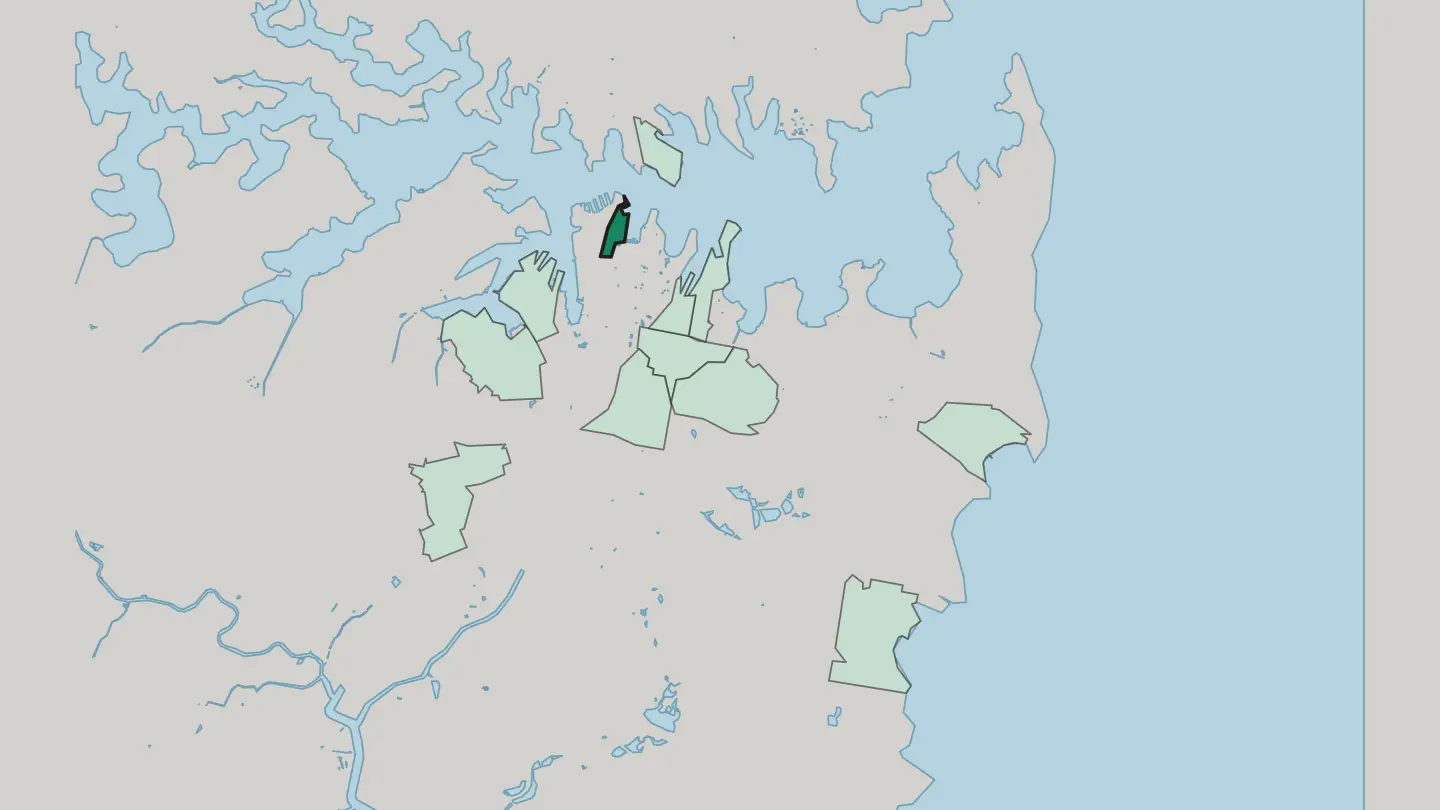
 SydneyAustralia
Darlinghurst
Darlinghurst is an inner suburb of Sydney east of Hyde Park, its nightlife along Oxford Street, the Darlinghurst Gaol now the National Art School.Darlinghurst →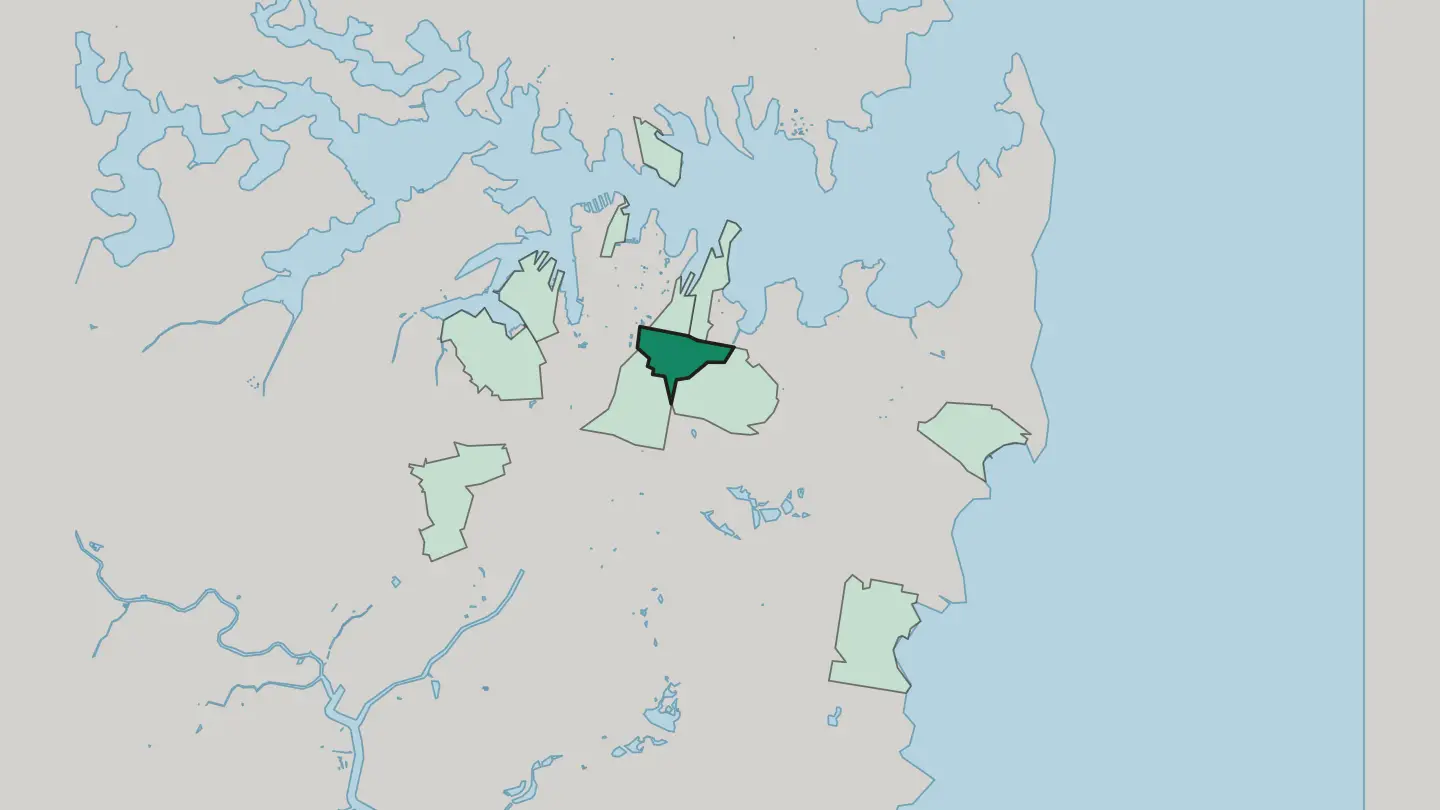
 SydneyAustralia
Potts Point
Potts Point is a ridge suburb of inner Sydney, its art-deco blocks and bars along Macleay Street. The El Alamein Fountain marks Kings Cross.Potts Point →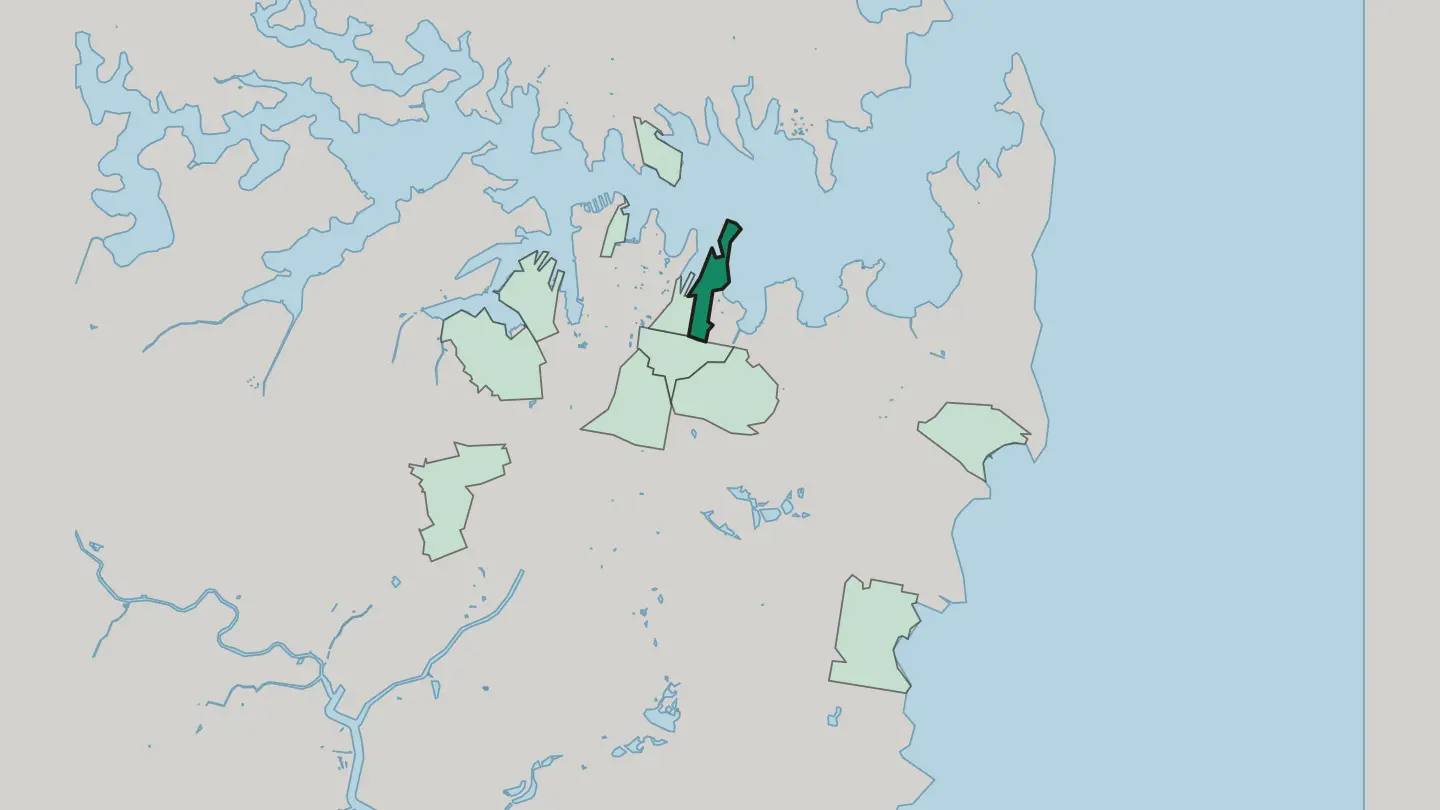
 SydneyAustralia
Pyrmont
Pyrmont is a peninsula suburb of Sydney on the western shore of Darling Harbour, linked by the Pyrmont Bridge. The Star sits on Harris Street.Pyrmont →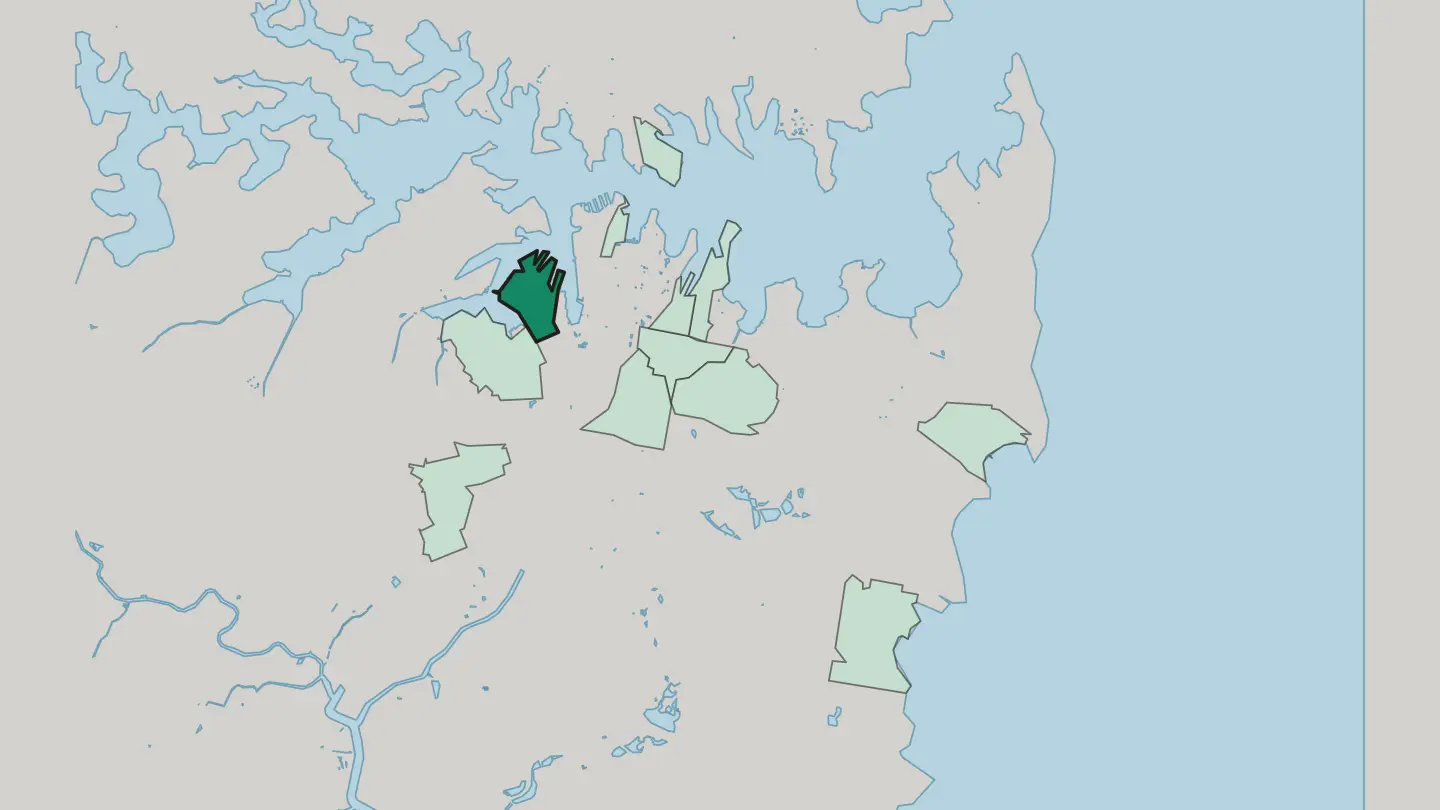
 SydneyAustralia
Surry Hills
Surry Hills is an inner-east suburb of Sydney, its Victorian terraces climbing between Crown Street and Elizabeth Street. Locals call it Surry.Surry Hills →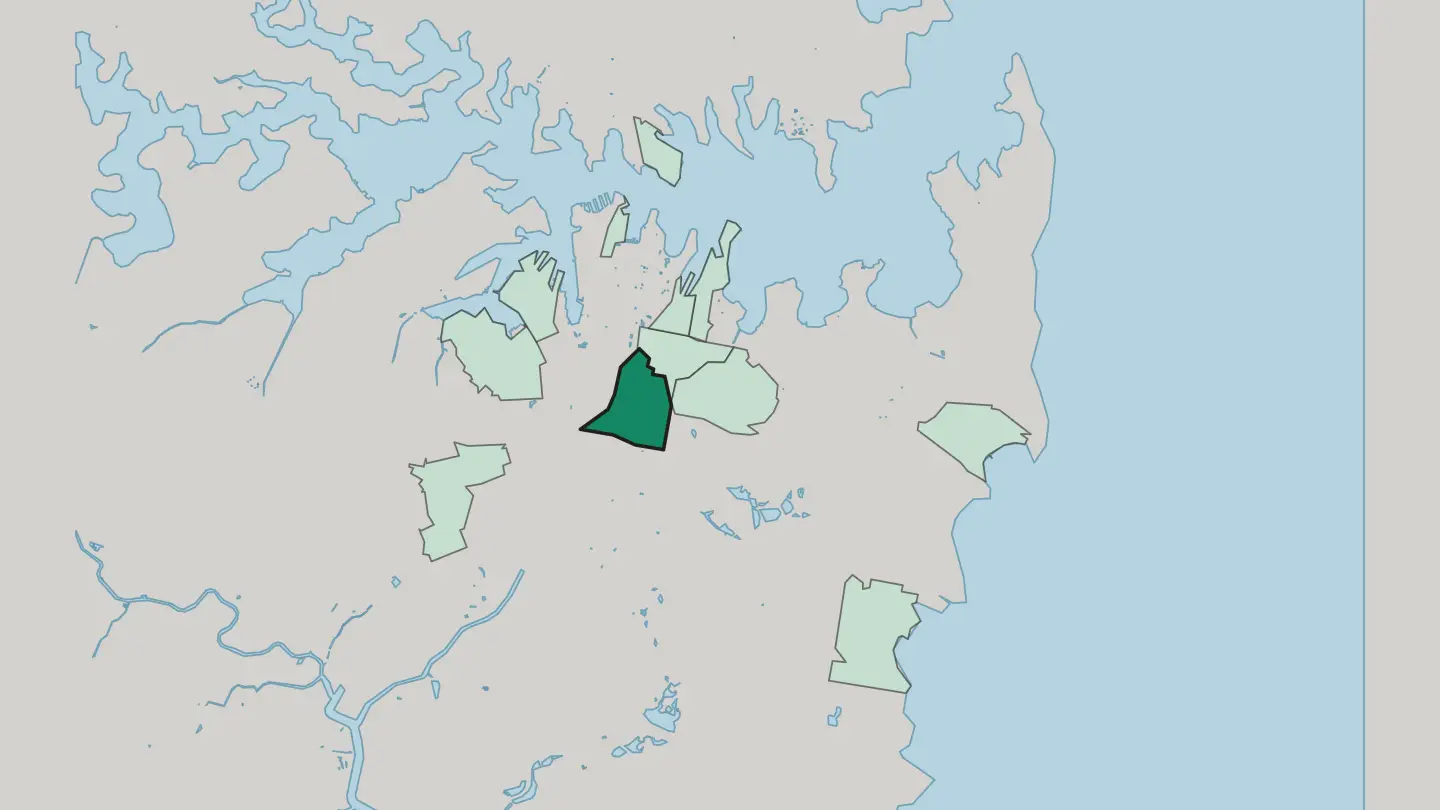
 SydneyAustralia
Kirribilli
Kirribilli sits on Sydney's Lower North Shore facing the Sydney Opera House and Sydney Harbour Bridge, Kirribilli House the Prime Minister of Australia's.Kirribilli →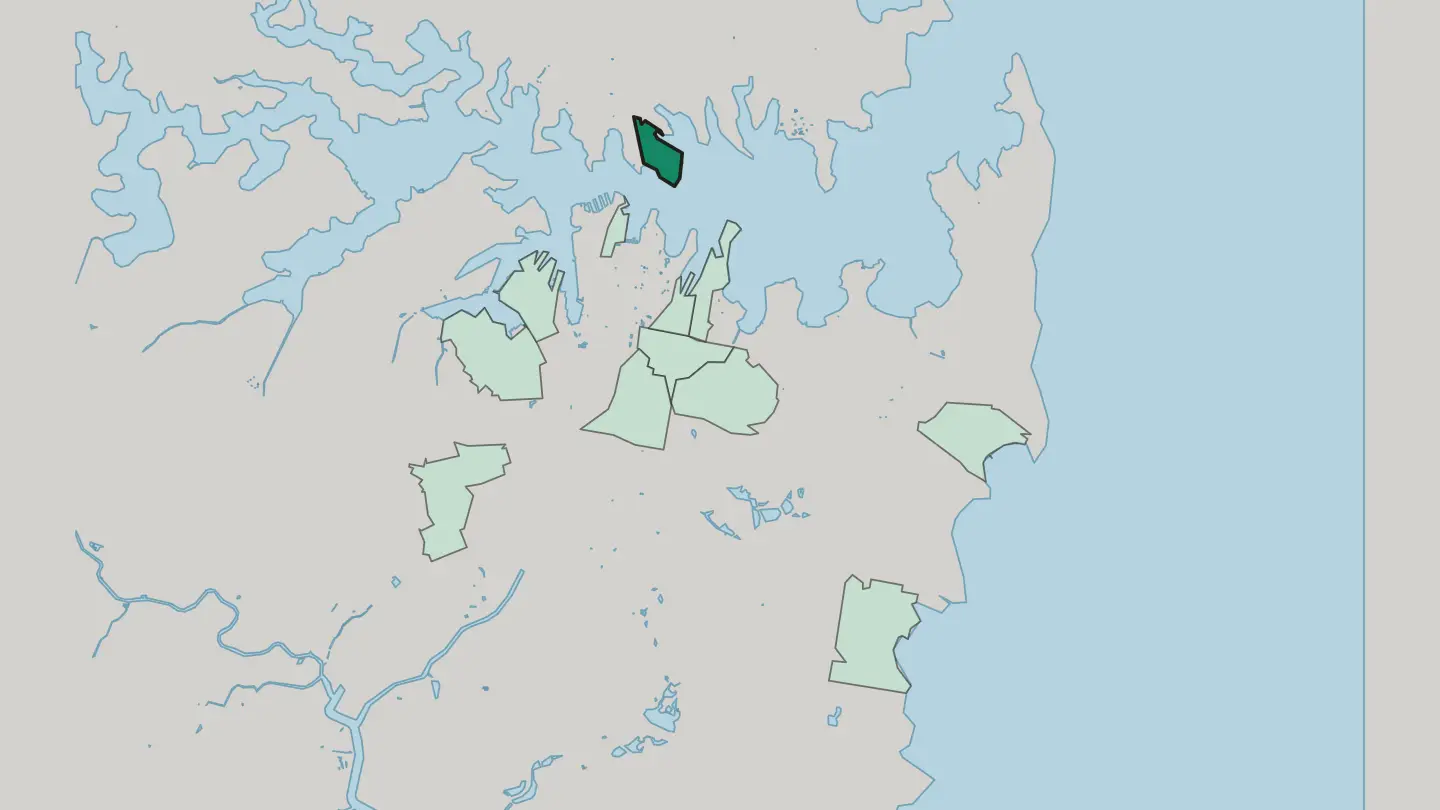
 SydneyAustralia
Paddington
Paddington is an inner-eastern suburb of Sydney east of the centre, its Victorian terraces along Oxford Street. Boutiques and markets draw.Paddington →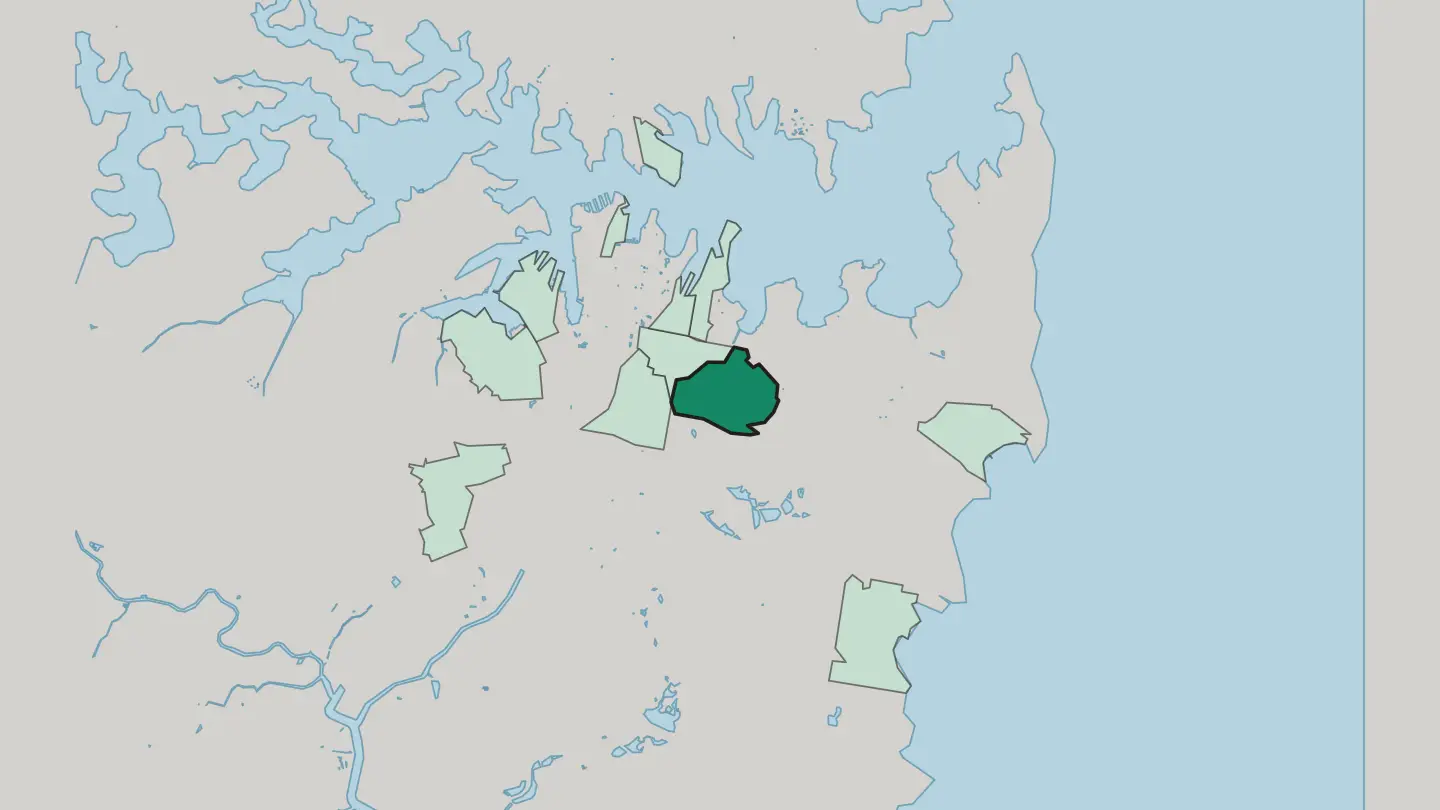
 SydneyAustralia
Glebe
Glebe is an inner-west neighbourhood of Sydney, Glebe Point Road running down to Blackwattle Bay past Glebe Markets and the University of Sydney.Glebe →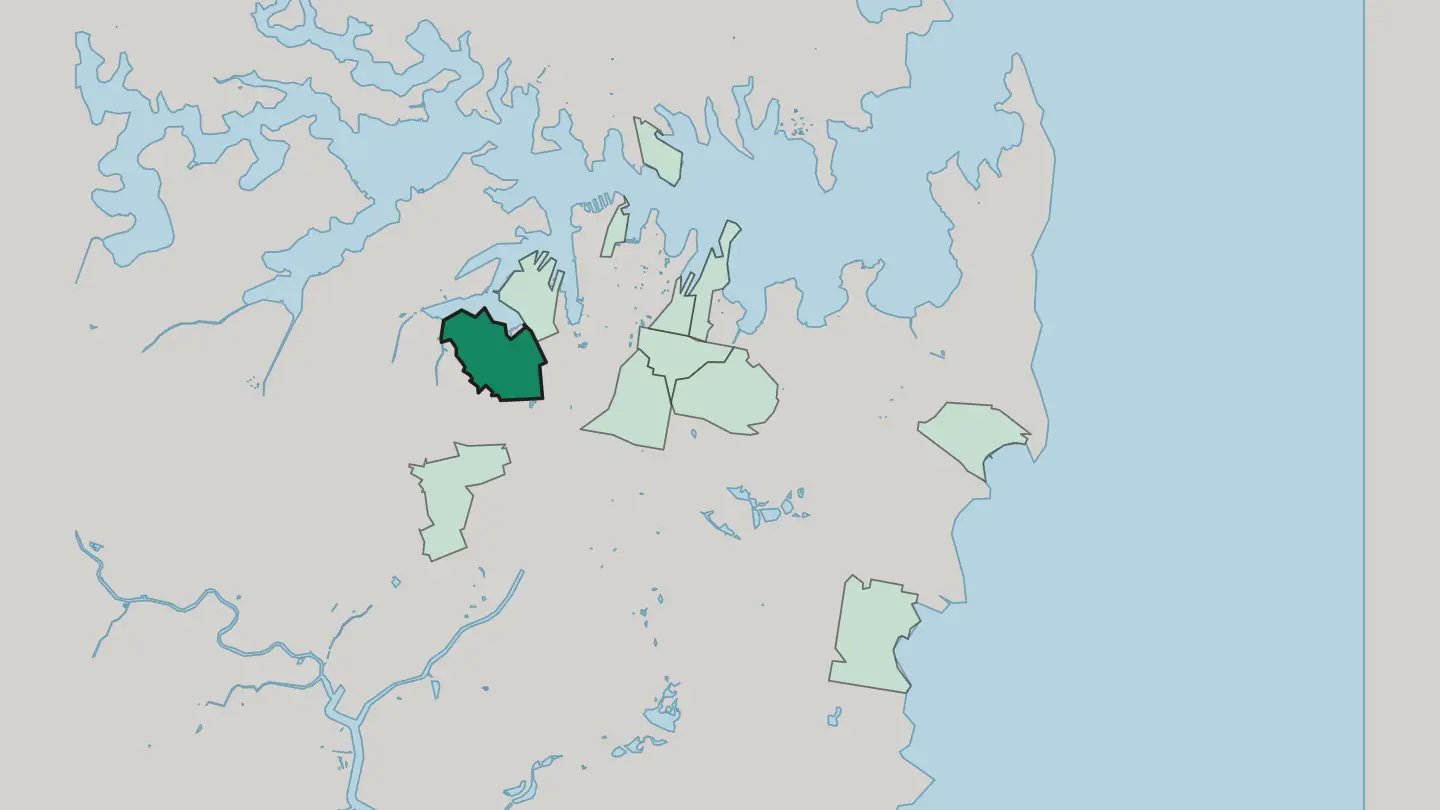
 SydneyAustralia
Newtown
Newtown is an inner-west suburb of Sydney, strung along King Street four kilometres southwest of the centre. Pubs, bookshops and murals line it.Newtown →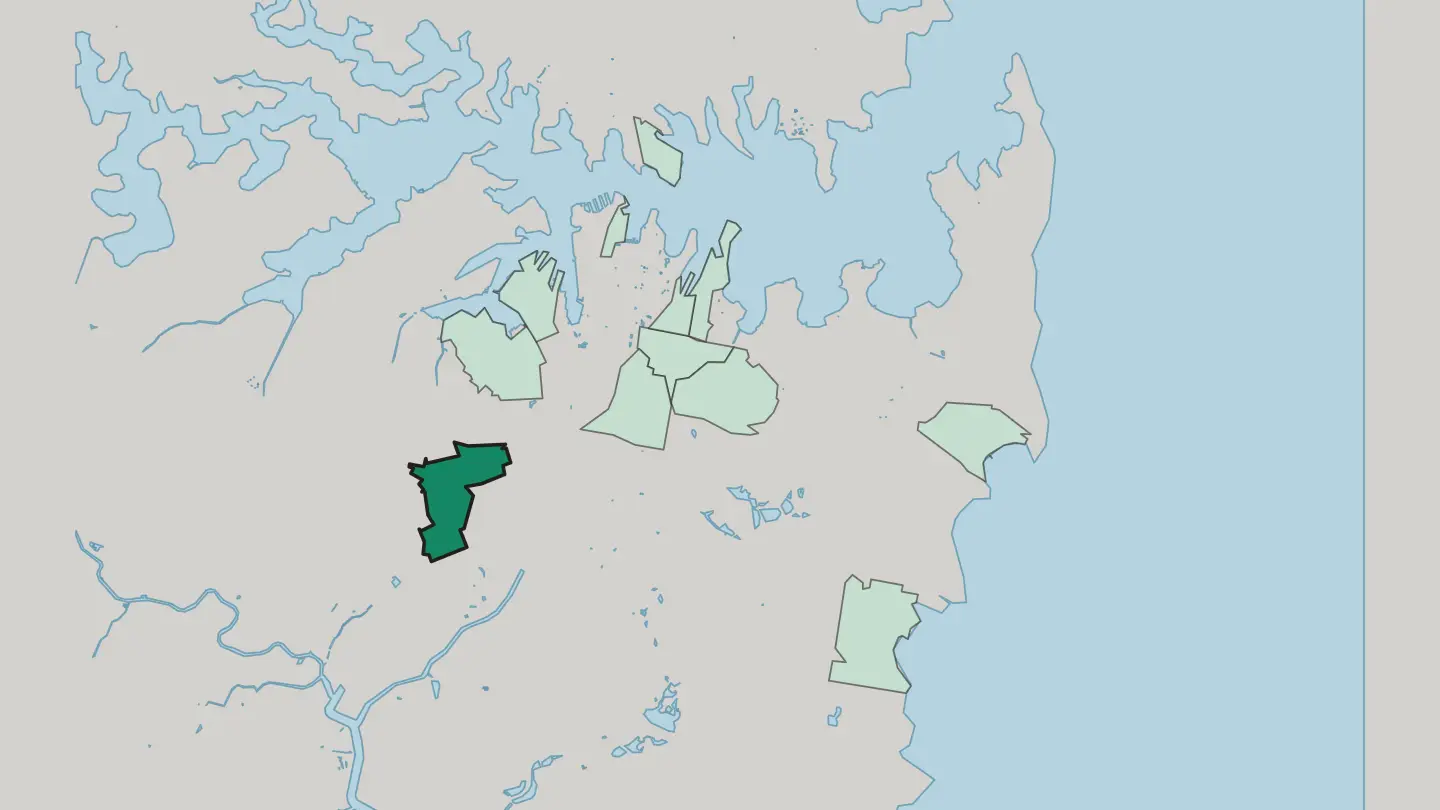
 SydneyAustralia
Bondi Beach
Bondi Beach is Sydney's best-known ocean beach, a wide arc of sand in the Eastern Suburbs. Campbell Parade runs behind with the cafes.Bondi Beach →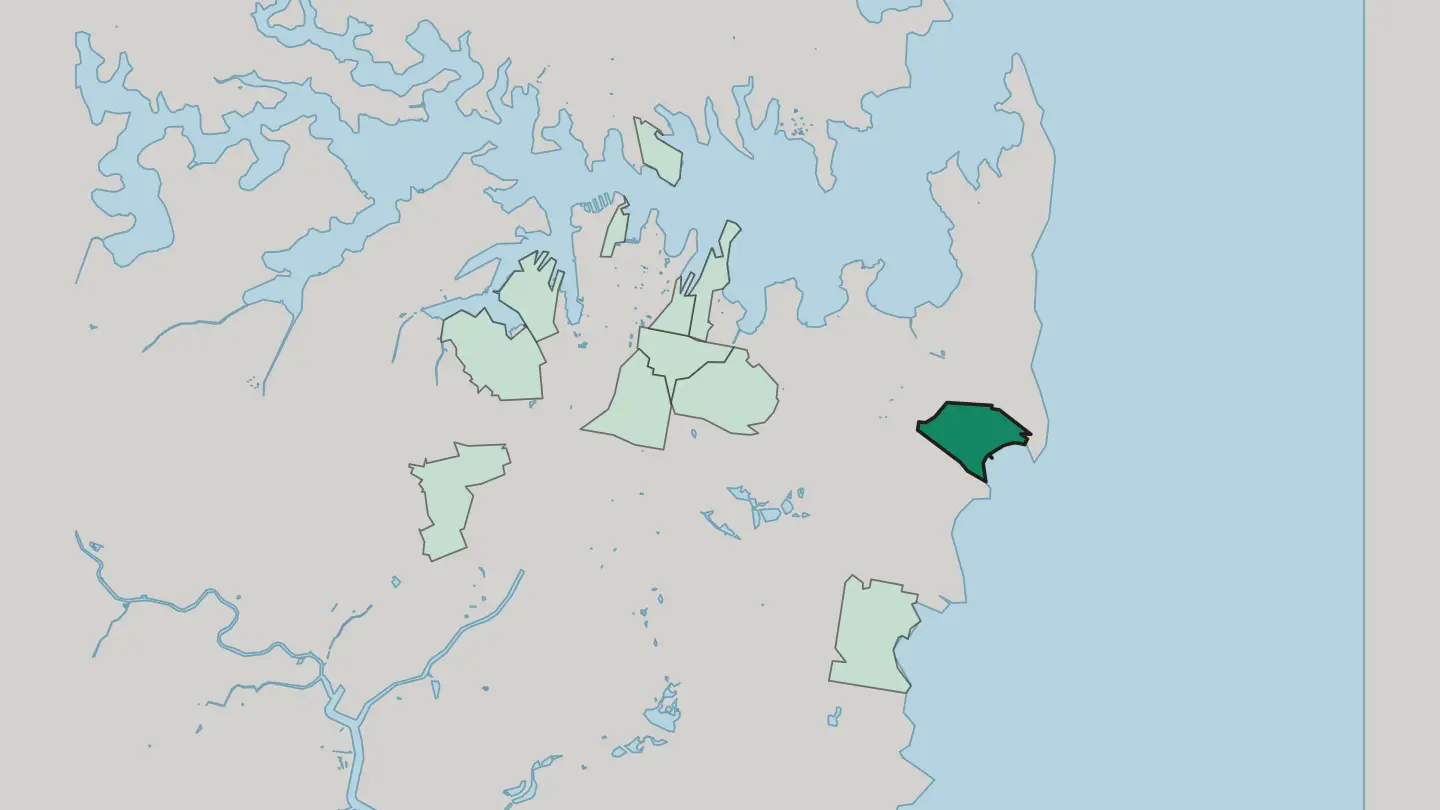
 SydneyAustralia
Coogee
Coogee is a beachside suburb on Sydney's eastern coast, a sandy crescent facing the Tasman Sea, up the coast toward Bondi. Ocean pools are the draw.Coogee →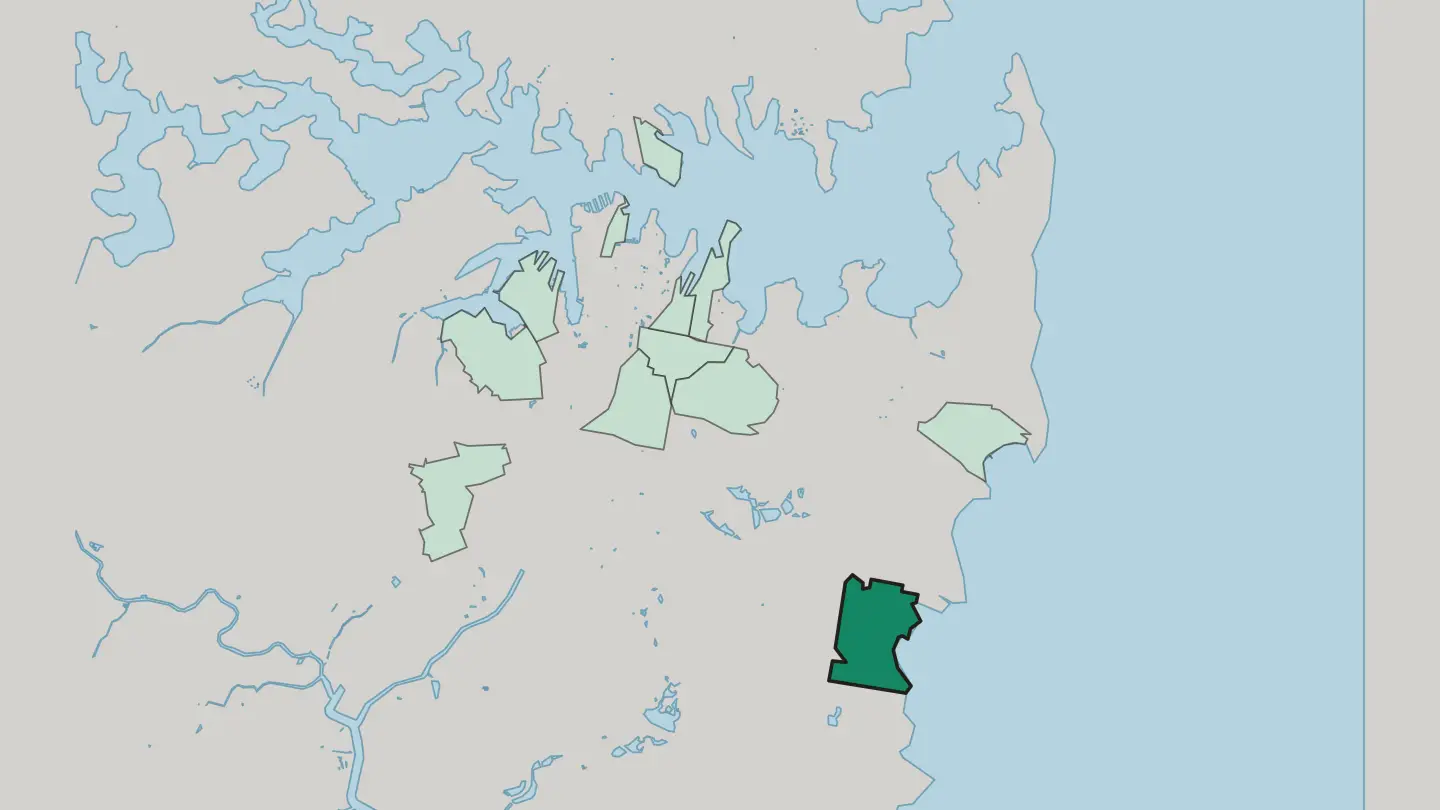
Hotel links are affiliate links: booking through them may earn us a commission, at no extra cost to you. It never affects how places are ranked. How this works
Things to do in Sydney
Ranked by global recognition; descriptions from Wikidata (CC0).
Museums & Galleries
6- Australian Museum Heritage
- Fort Denison Heritage
- Hyde Park Barracks Heritage
- Anzac Memorial Heritage
- Sydney Observatory Heritage
Show 1 more →
- Sydney Mint Heritage
Churches & Religious Sites
8- St Mary’s Cathedral Heritage
- St James’ Church, Sydney Heritage
- Christ Church St Laurence Heritage
- St Jude's Church, Randwick Heritage
- St Stephen's Anglican Church, Newtown Heritage
Show 3 more →
- St Peters Church Heritage
- St Mary's Anglican Church, Waverley Heritage
- St. Anne's Church Heritage
Castles & Historic Sites
1- Sydney Gay and Lesbian Holocaust Memorial
Stadiums & Sports
1- Wylie's Baths Heritage
Parks & Gardens
1- Luna Park Heritage
Landmarks & Notable Places
4- Sydney Opera House UNESCO
- Government House Heritage
- Bronte House Heritage
- Tranby, Glebe Heritage
worth knowingacross 6 categories in Sydney
About Sydney
What is Sydney known for?
Sydney is known for its great harbour and the white shells of the Sydney Opera House. The Sydney Tower rises above the central streets, the tallest structure in the skyline. Its civic heart gathers grand institutions: the Australian Museum, the Art Gallery of New South Wales, and St Mary's Cathedral.
Macquarie Street carries the colonial-era Hyde Park Barracks and the Sydney Mint. Sandstone shapes it.
What are the main landmarks in Sydney?
Sydney concentrates its landmarks around the harbour and the old civic streets. The Sydney Opera House stands on the point over the water, with the Museum of Contemporary Art Australia and the Australian National Maritime Museum nearby. On Macquarie Street the Hyde Park Barracks, the Sydney Mint, and the State Library of New South Wales keep the colonial record.
The Anzac Memorial, St Mary's Cathedral, and the Australian Museum ring the Hyde Park edge, while the Sydney Tower marks the centre. Sandstone runs through all of it.
What is the history of Sydney?
Sydney was founded in 1788 as a British penal colony on the shore of Sydney Harbour. The first settlement rose near the water, and the Hyde Park Barracks later housed the convicts who built the colonial town. Sandstone quarried nearby gave the early city its walls.
Over the following decades the port grew into the capital of New South Wales, and Macquarie Street took shape as the seat of government and civic life. Growth followed the harbour. The Sydney Mint struck the colony's coinage from the old hospital on Macquarie Street, while Government House became the residence of the colonial governors.
St James' Church rose on Macquarie Street as one of the colony's oldest places of worship. Trade and immigration drew people from across the world to the docks, and the growing town pushed inland from the water toward the Blue Mountains. The Anzac Memorial was later raised to the soldiers of the state.
From a convict camp on a single cove grew the largest city in Australia, its origins still legible in the sandstone barracks, churches, and public halls of the old centre.
Where is Sydney?
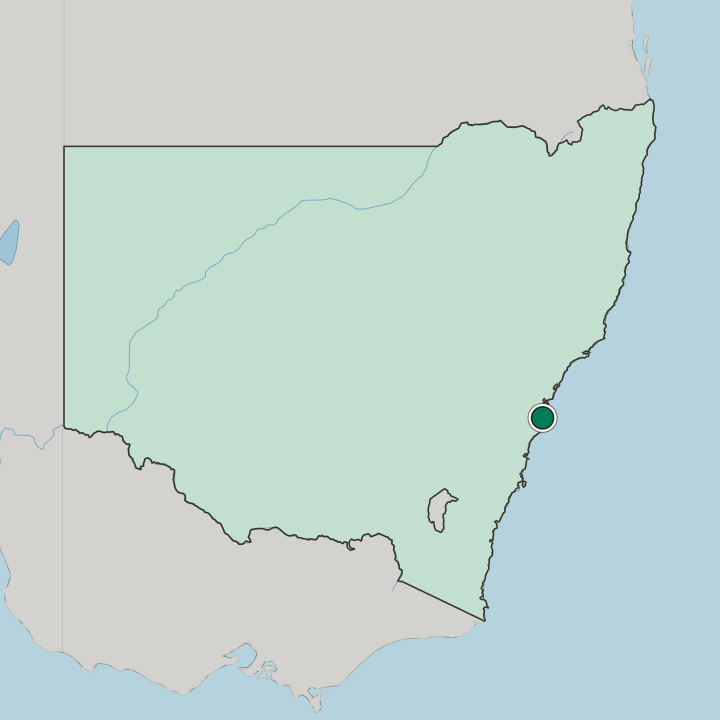
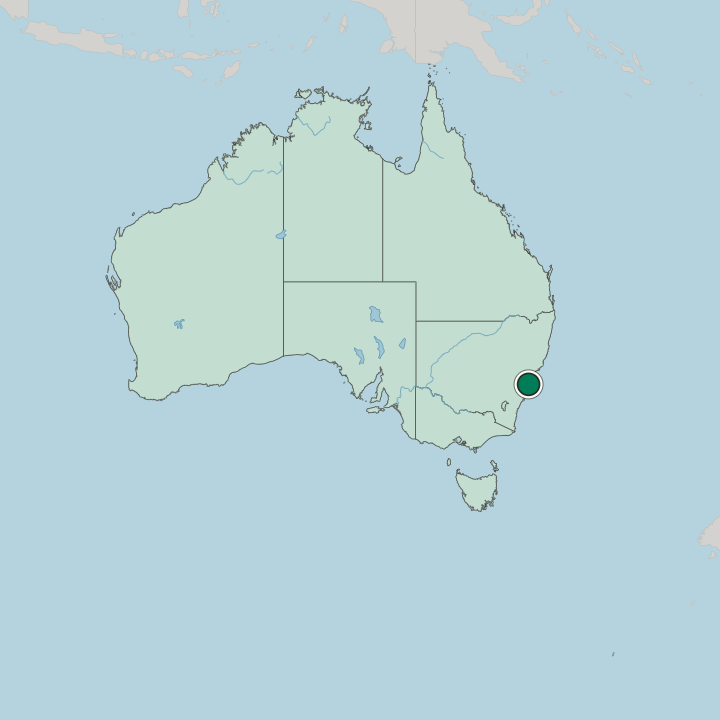
Sydney sits on Australia's east coast, wrapped around the deep inlet of Sydney Harbour. The city reaches from the Pacific Ocean in the east to the Blue Mountains in the west, and north toward the Hawkesbury River. Sandstone ridges and drowned river valleys shape the coast, cut by bays and coves.
To the south lie the woodlands of the Royal National Park. Water threads through all of it.
What is the climate of Sydney?
Sydney has a warm temperate climate shaped by the Pacific Ocean and Sydney Harbour. Summers are warm and humid, tempered by sea breezes off the coast, while winters stay mild and rarely cold. Rain falls through much of the year, heaviest in the warmer months when storms gather over the coast.
Frost is almost unknown near the water. The harbour keeps the air soft.
How do you get to Sydney?
Sydney anchors travel across New South Wales and the wider east coast of Australia. As the state capital, the city gathers road, rail, and ferry routes, and its harbour has drawn shipping since the first colonial fleet. Long-haul arrivals land here first.
Rail lines climb west toward the Blue Mountains and run north and south along the coast, while ferries cross Sydney Harbour between the shores. Road and water both lead in.
Good for
More cities in State of New South Wales
Updated October 2026