Australia · State of New South Wales
Where to Stay in Wollongong, State of New South Wales
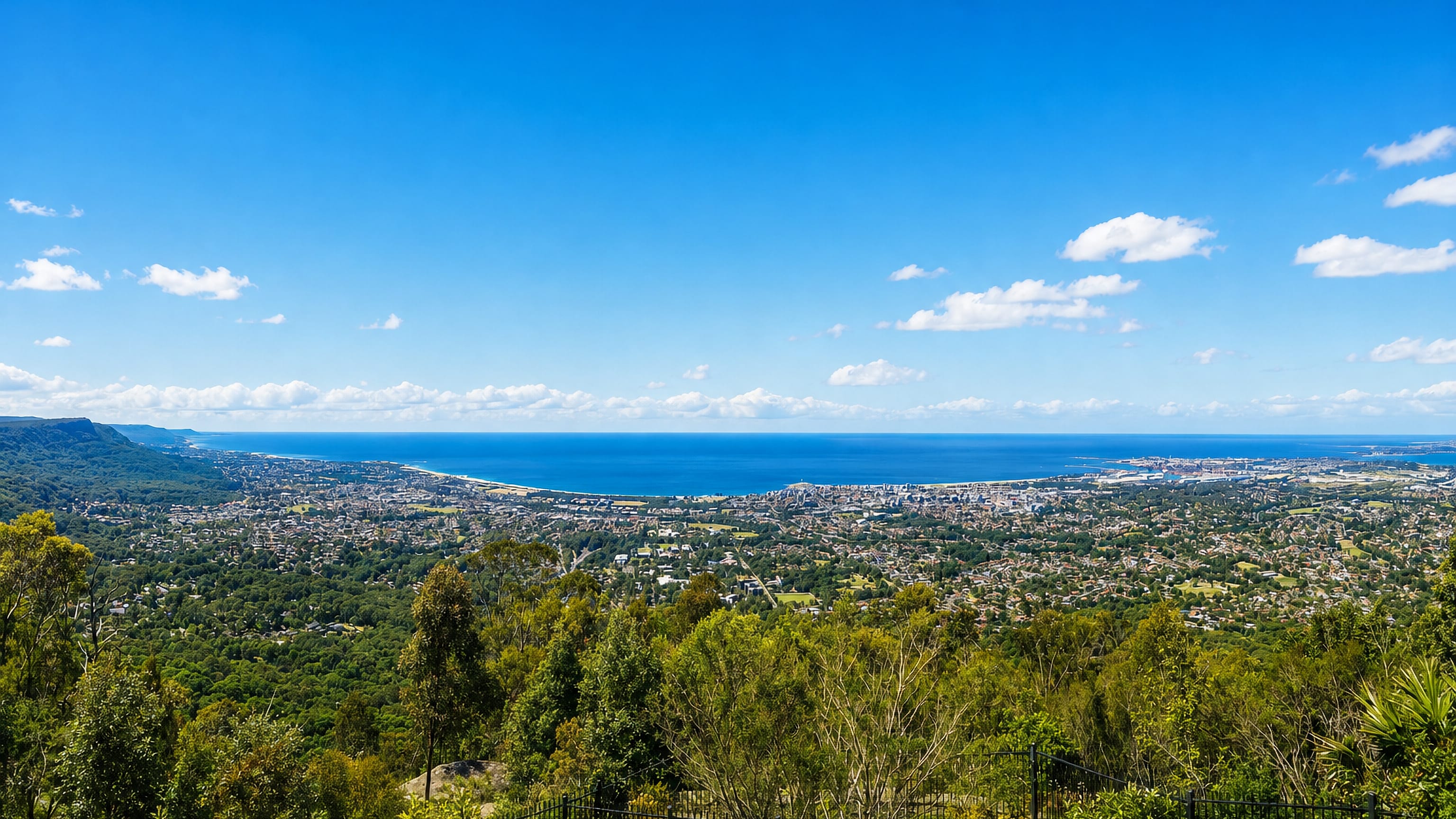
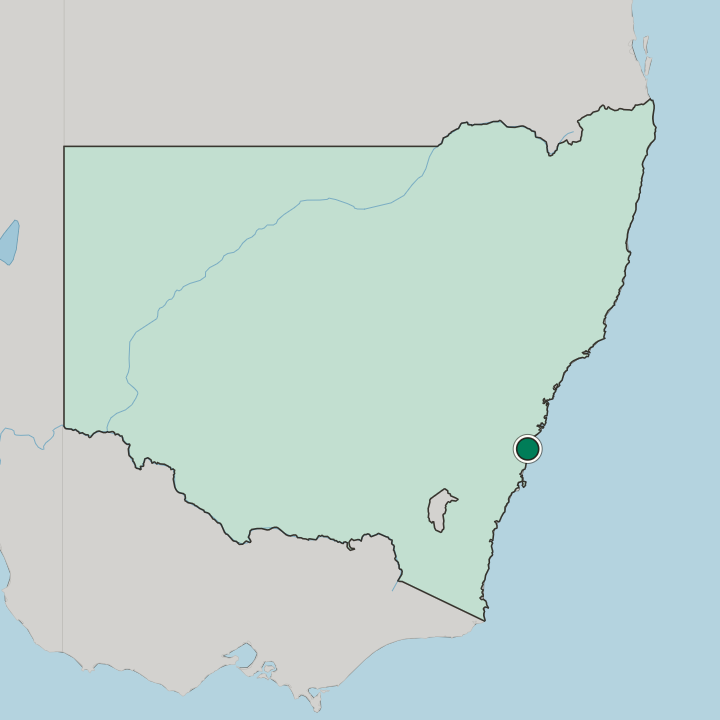
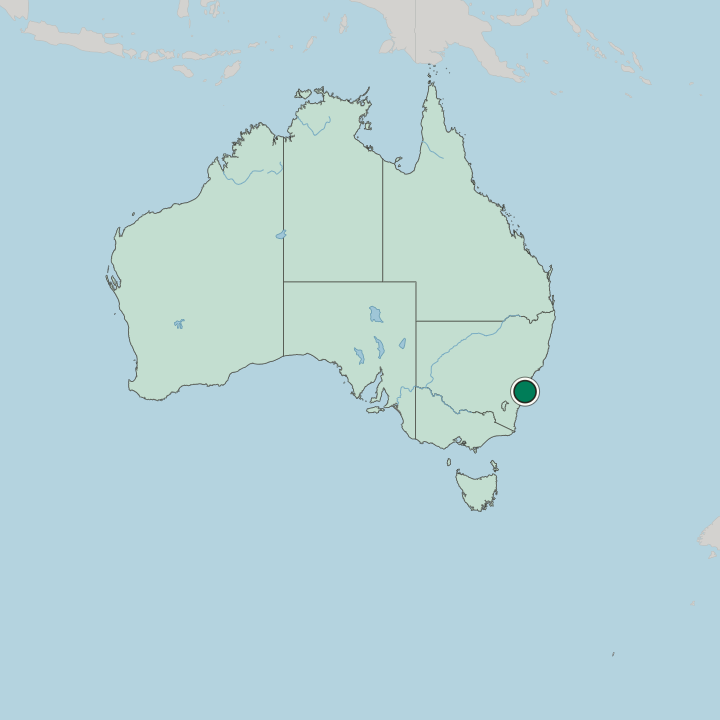
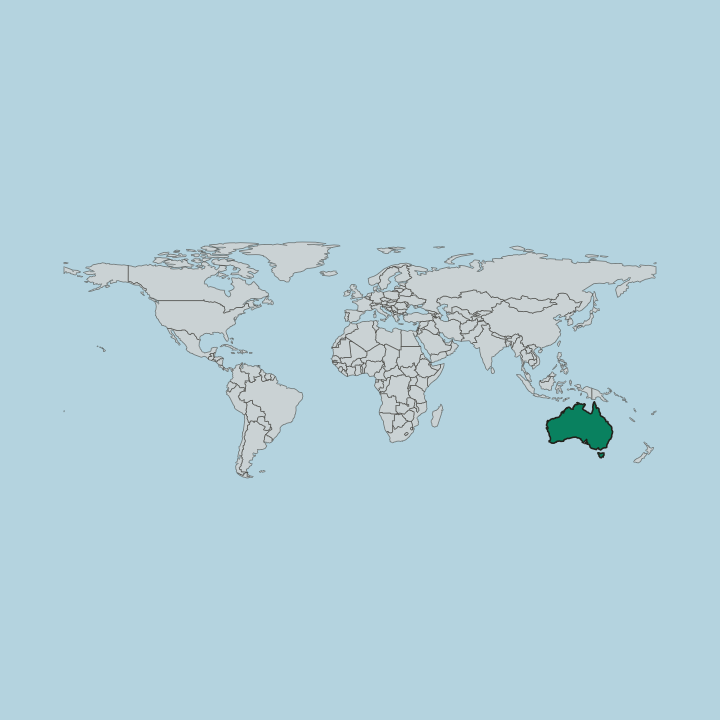
A thin coastal shelf carries Wollongong between the Illawarra Escarpment and the Pacific Ocean, south of Sydney in the Illawarra of New South Wales.
Hotel links are affiliate links: booking through them may earn us a commission, at no extra cost to you. It never affects how places are ranked. How this works


Where to stay in Wollongong
Where you base yourself shapes the visit — here's the character of each area.

 WollongongAustralia
Fairy Meadow
Fairy Meadow lies a few kilometres up the Princes Highway from the Wollongong centre, a low-density suburb with Science Space among its addresses.Where to stay →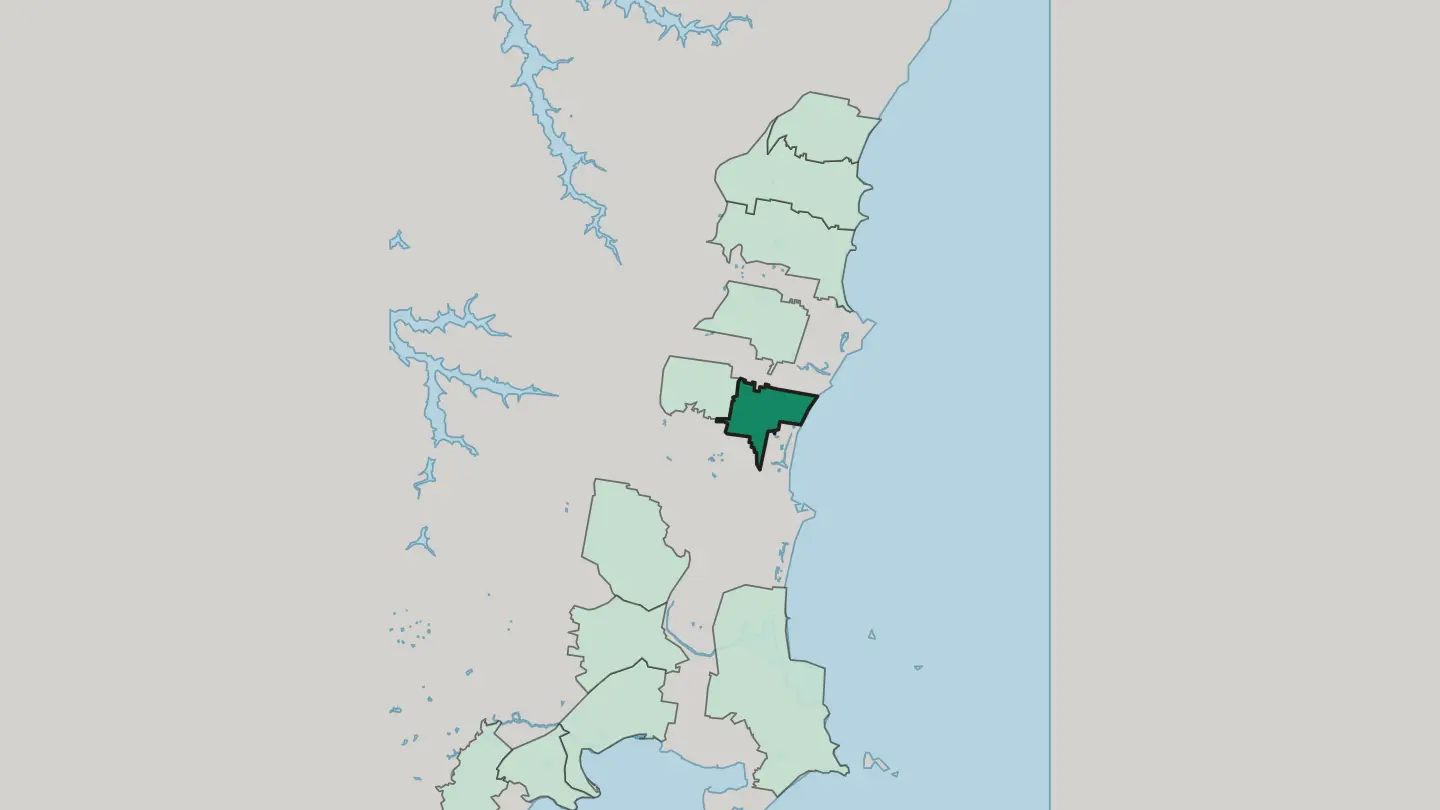 WollongongAustralia
Figtree
Figtree sits on the inner western side of Wollongong, south-west of West Wollongong and joined to the city centre by the Princes Highway.Where to stay →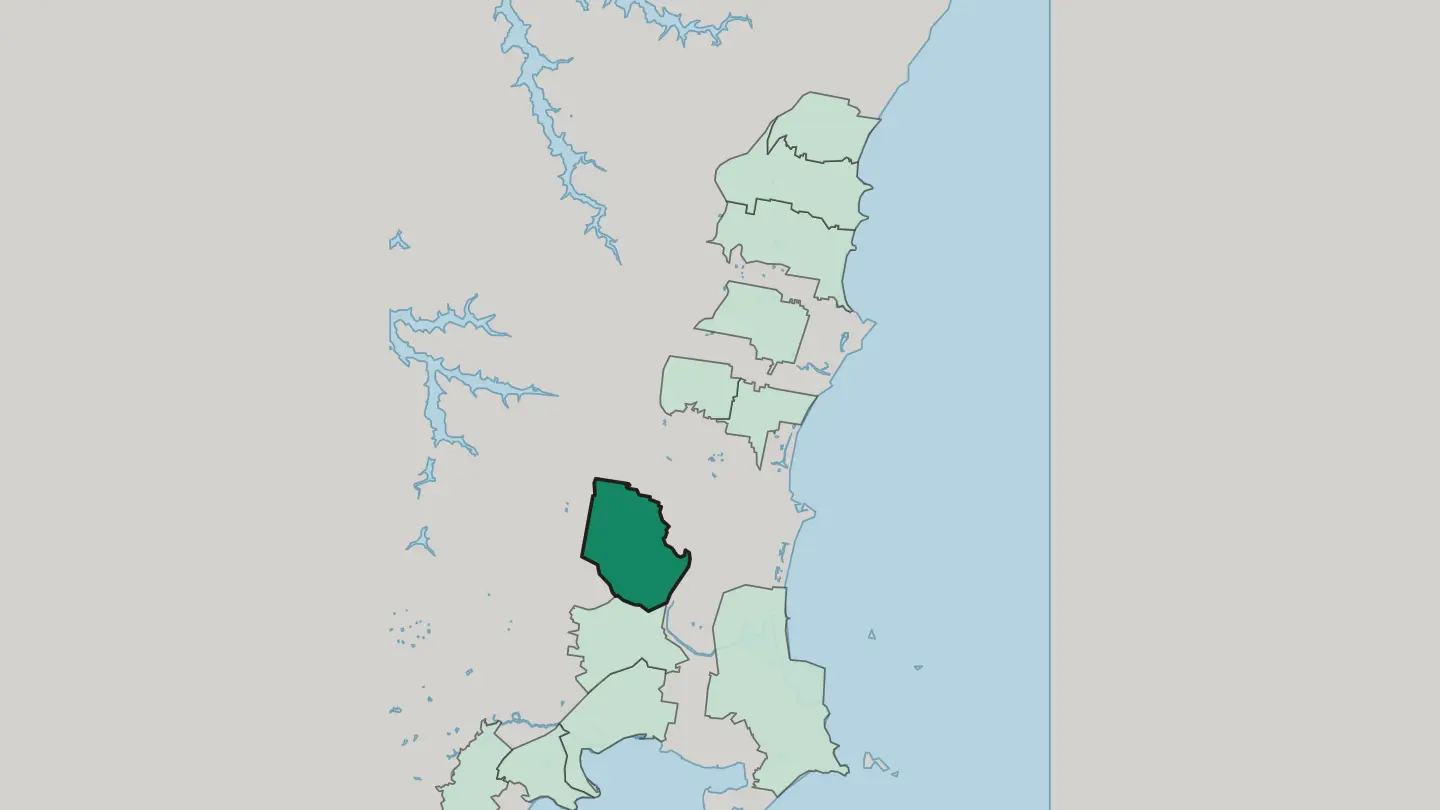
 WollongongAustralia
Balgownie
Balgownie is one of the small suburbs of Wollongong, in the state of New South Wales, Australia.Where to stay →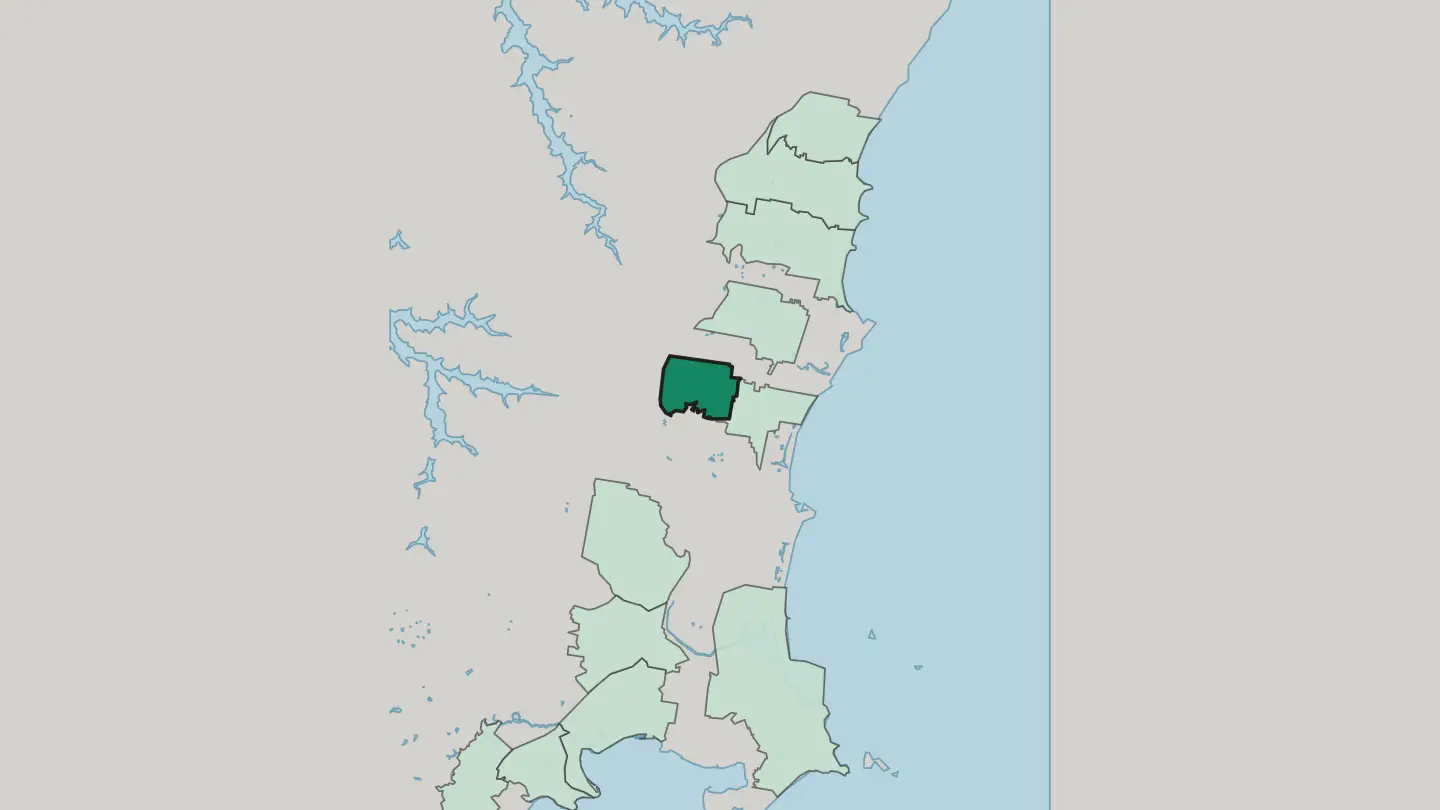 WollongongAustralia
Unanderra
Unanderra fills the ground 6 km south-west of the Wollongong CBD, ringed by Figtree, Berkeley, Kembla Grange and the Mount Kembla foothills.Where to stay →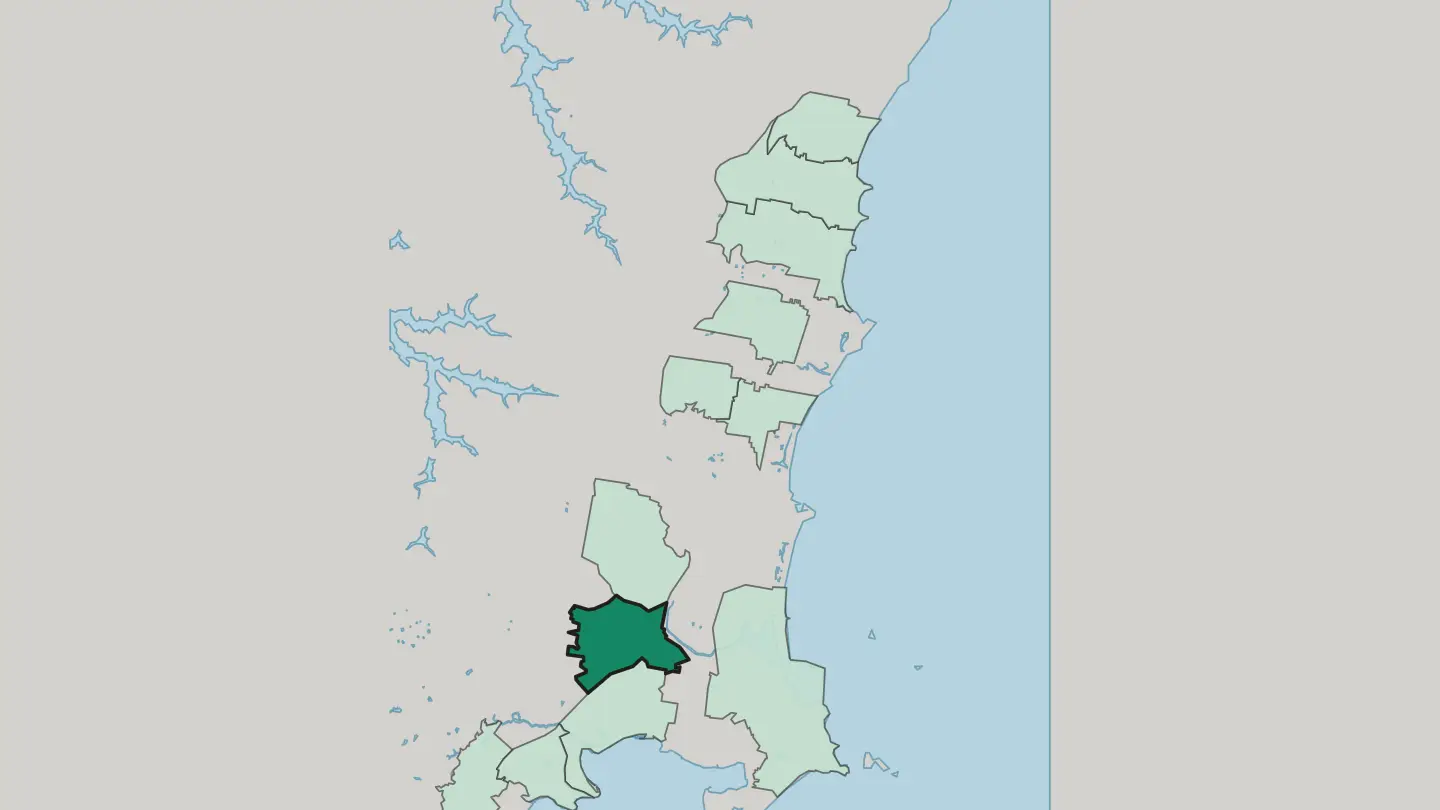
 WollongongAustralia
Corrimal
Corrimal is a suburb north of Wollongong, its centre strung along the Princes Highway beside the old Green Frog locomotive.Where to stay →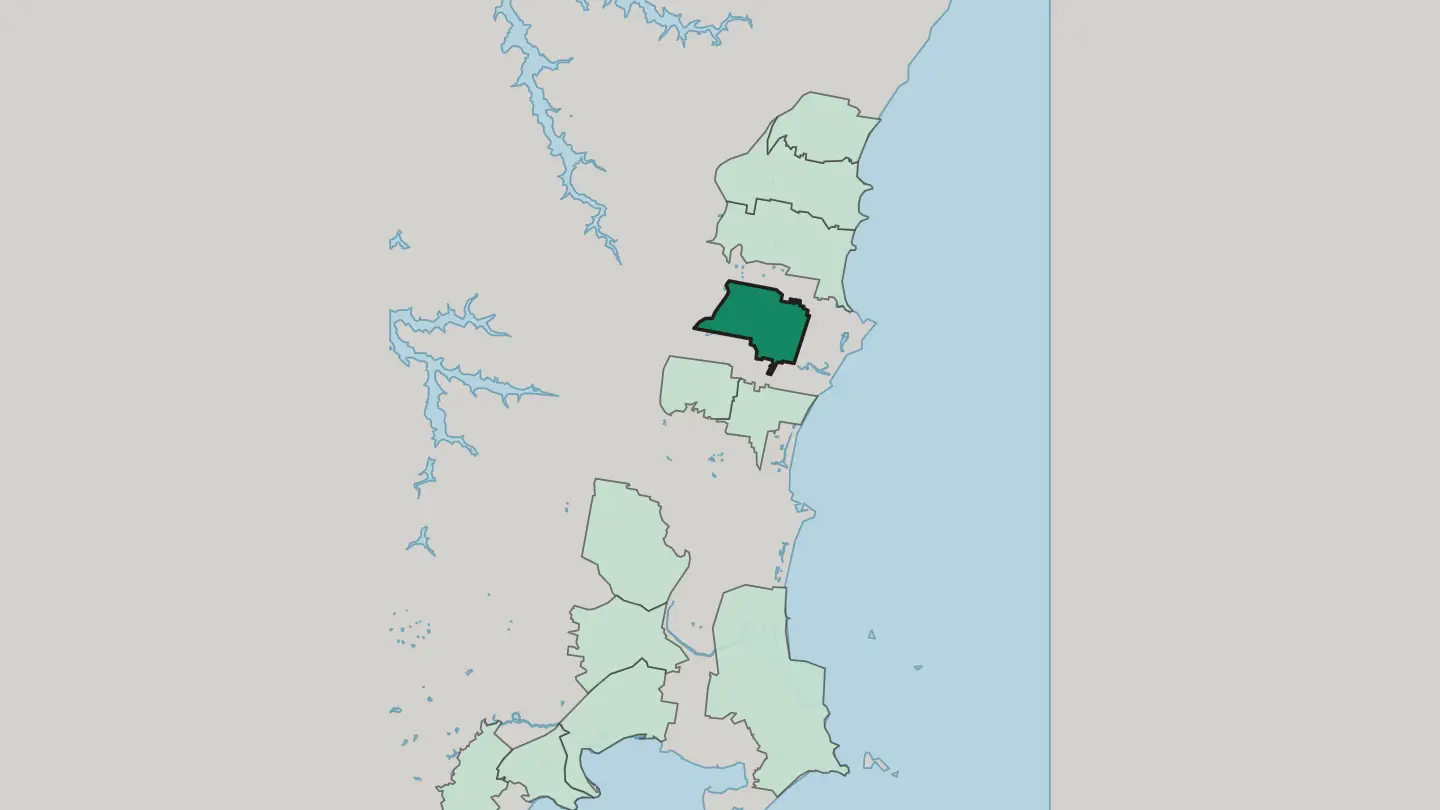
 WollongongAustralia
Port Kembla
A seaport, an industrial complex and a small commercial sector make up Port Kembla, on the tip of Red Point south of Wollongong's centre.Where to stay → WollongongAustralia
Berkeley
Berkeley is a suburb on the southern side of Wollongong, New South Wales, standing along the northern shore of Lake Illawarra.Where to stay → WollongongAustralia
Woonona
Woonona is served by Woonona Station on the South Coast Line and by the Princes Highway, at the northern end of Wollongong.Where to stay →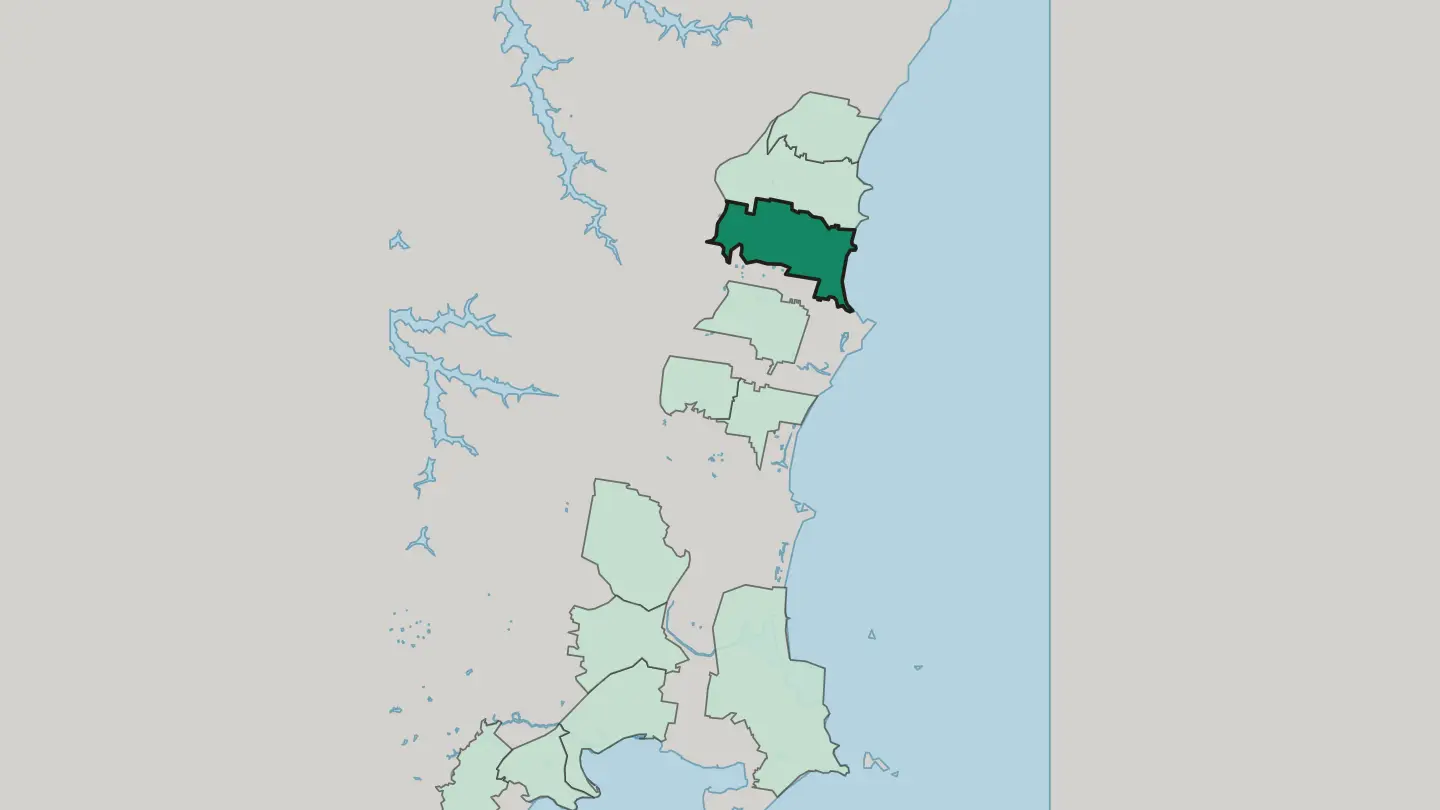
 WollongongAustralia
Bulli
Bulli is a northern suburb of Wollongong, strung along the New South Wales coast at the top end of the city.Where to stay →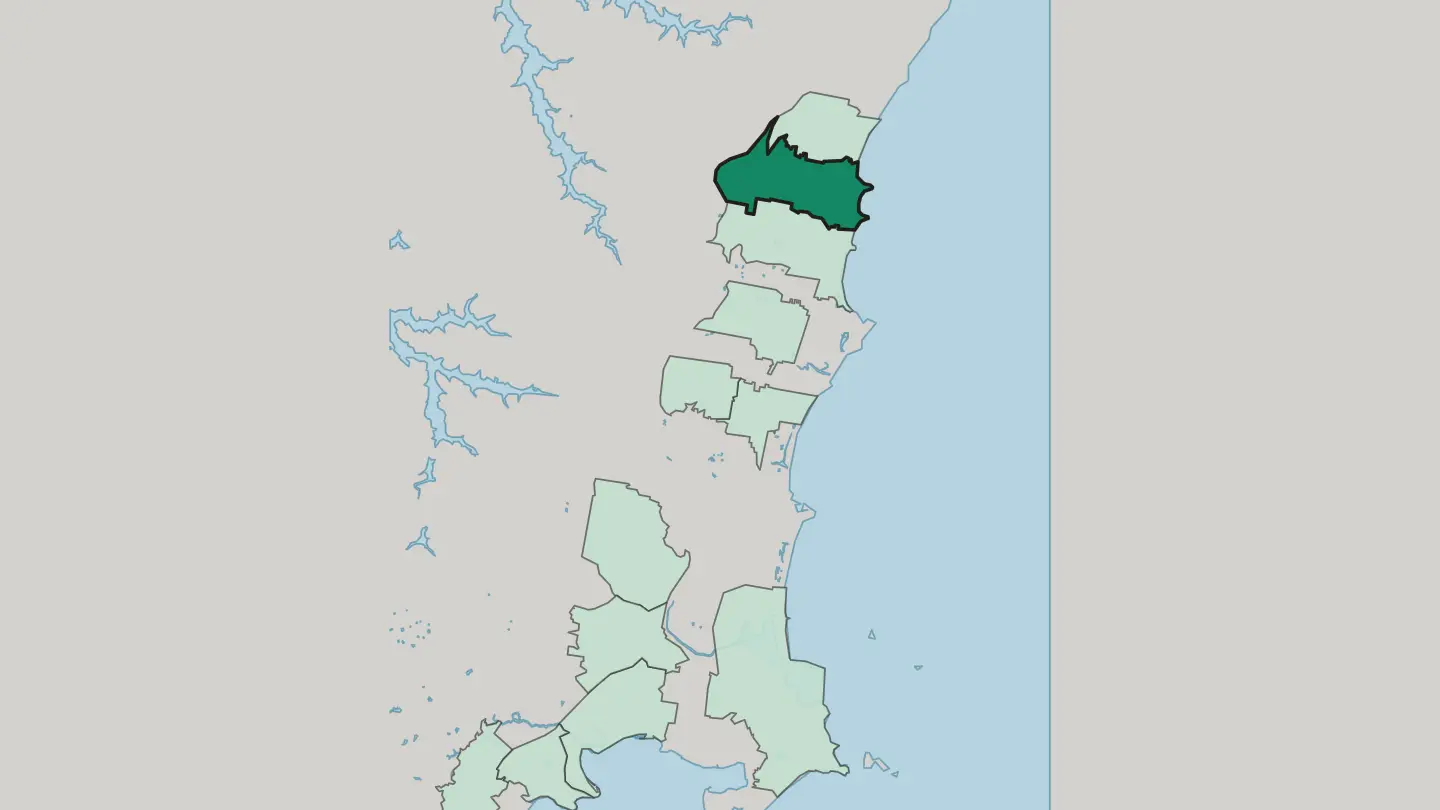 WollongongAustralia
Kanahooka
Kanahooka is a southern suburb of Wollongong on Lake Illawarra, with a lakeside park and playground, a few shops and two schools.Where to stay →WollongongAustraliaThirroul
Between the Pacific Ocean and the Illawarra escarpment, Thirroul is a seaside suburb some 13 kilometres north of Wollongong.Where to stay → WollongongAustralia
Dapto
Dapto occupies the western shore of Lake Illawarra, a suburb of Wollongong in the Illawarra region of New South Wales.Where to stay →WollongongAustraliaHelensburgh
Helensburgh is a small town above the Illawarra escarpment at Wollongong's far northern edge, ringed by bushland beside the Royal National Park.Where to stay →Hotel links are affiliate links: booking through them may earn us a commission, at no extra cost to you. It never affects how places are ranked. How this works
Find hotels in Wollongong
Direct booking searches for these neighbourhoods.
Wollongong Art Gallery end of the centre
The civic blocks keep the Wollongong Art Gallery, the Illawarra Museum and the everyday shops inside one short walk.Find hotels in Wollongong Art Gallery end of the centreSurf mornings with the Pacific Ocean at the doorBreakwater Battery shore
Beds beside Breakwater Battery trade the shops for open water, with the Illawarra Escarpment standing behind the sand.Find hotels in Breakwater Battery shoreFamilies who want Science Space and Inside Industry within reachScience Space side of town
Science Space and Inside Industry give a wet Wollongong afternoon somewhere indoors to spend it.Find hotels in Science Space side of townHotel links are affiliate links: booking through them may earn us a commission, at no extra cost to you. It never affects how places are ranked. How this works
About Wollongong
Museums and galleries anchor the centre.
What is Wollongong known for?
The Wollongong Art Gallery holds the main public collection, the Illawarra Museum keeps the local record, and Science Space and Inside Industry draw school groups and families through the week. Breakwater Battery anchors the shoreline. Behind the beaches, the Illawarra Escarpment rises above the narrow plain, and the Pacific Ocean fills the view from every stretch of sand.
What are the main landmarks in Wollongong?
Wollongong Art Gallery leads the list, with a collection held in the city centre and changing shows through the year. The Illawarra Museum sits nearby. Science Space and Inside Industry work the hands-on end, aimed at children, school groups and anyone curious about how things are made and measured.
Breakwater Battery holds the seaward edge, a work from the years when the coast was watched from the water rather than walked for pleasure. The Illawarra Escarpment closes the inland view.
What is the history of Wollongong?
The Dharawal people are the traditional owners of this coast, and the name Wollongong comes from an Aboriginal word whose exact meaning has never been settled. It is said Wool-un-gong. Translations offered over the years have never been agreed on, and the origin is recorded simply as Aboriginal in the accounts that describe this stretch of coast.
Colonial settlement took hold on the Illawarra plain, and the town was founded in 1834 on the shelf of land between the escarpment and the sea. Level ground was scarce from the start, since the Illawarra Escarpment pins the settled strip against the Pacific Ocean. Sydney lies up the coast.
Coastal defence left its own mark. Breakwater Battery survives from the era when guns watched the shoreline, and the Illawarra Museum now keeps the district's written record in the middle of town. Wollongong later grew into the third-largest city in New South Wales, behind Sydney and Newcastle.
Beyond the shoreline works, the Wollongong Art Gallery and Science Space carry the city's public memory and its schoolroom science. Growth ran along the shore rather than into the escarpment, so the Illawarra reads as a chain of beach suburbs strung between the water and the ridge.
Where is Wollongong?
The plain is thin here. Wollongong occupies a shelf of land wedged between the Illawarra Escarpment and the Pacific Ocean, so the built ground runs long and narrow instead of spreading inland. The escarpment forms one hard edge, and the surf line forms the other.
The Illawarra takes its name from this coastal band of New South Wales.
What is the climate of Wollongong?
The Pacific Ocean sets the terms. Sea air keeps Wollongong's swings narrow through the year, with warm humid spells in the southern-hemisphere summer and mild conditions when the season turns over. Frost barely registers on this coast.
The Illawarra Escarpment lifts moist onshore air, which is why cloud tends to bank against the slopes above the city rather than out over the water.
How do you get to Wollongong?
Most arrivals come down from Sydney. The way in follows the coastal strip, threading between the Illawarra Escarpment and the Pacific Ocean before dropping onto the plain at Wollongong. Sydney lies to the north, and the run south hugs the shoreline the whole way.
The Illawarra Escarpment blocks any easy inland route. Within Wollongong, the built strip runs long and thin, so getting about means moving along the coast rather than across it.
Common questions
What is the best area to stay in Wollongong?
Wollongong Art Gallery end of the centre: First visits pinned to the Wollongong Art Gallery and the Illawarra Museum. Breakwater Battery shore: Surf mornings with the Pacific Ocean at the door. Science Space side of town: Families who want Science Space and Inside Industry within reach.
Good for
More cities in State of New South Wales
Updated September 2026