Bosnia and Herzegovina · Republika Srpska
Where to Stay in Banja Luka, Republika Srpska
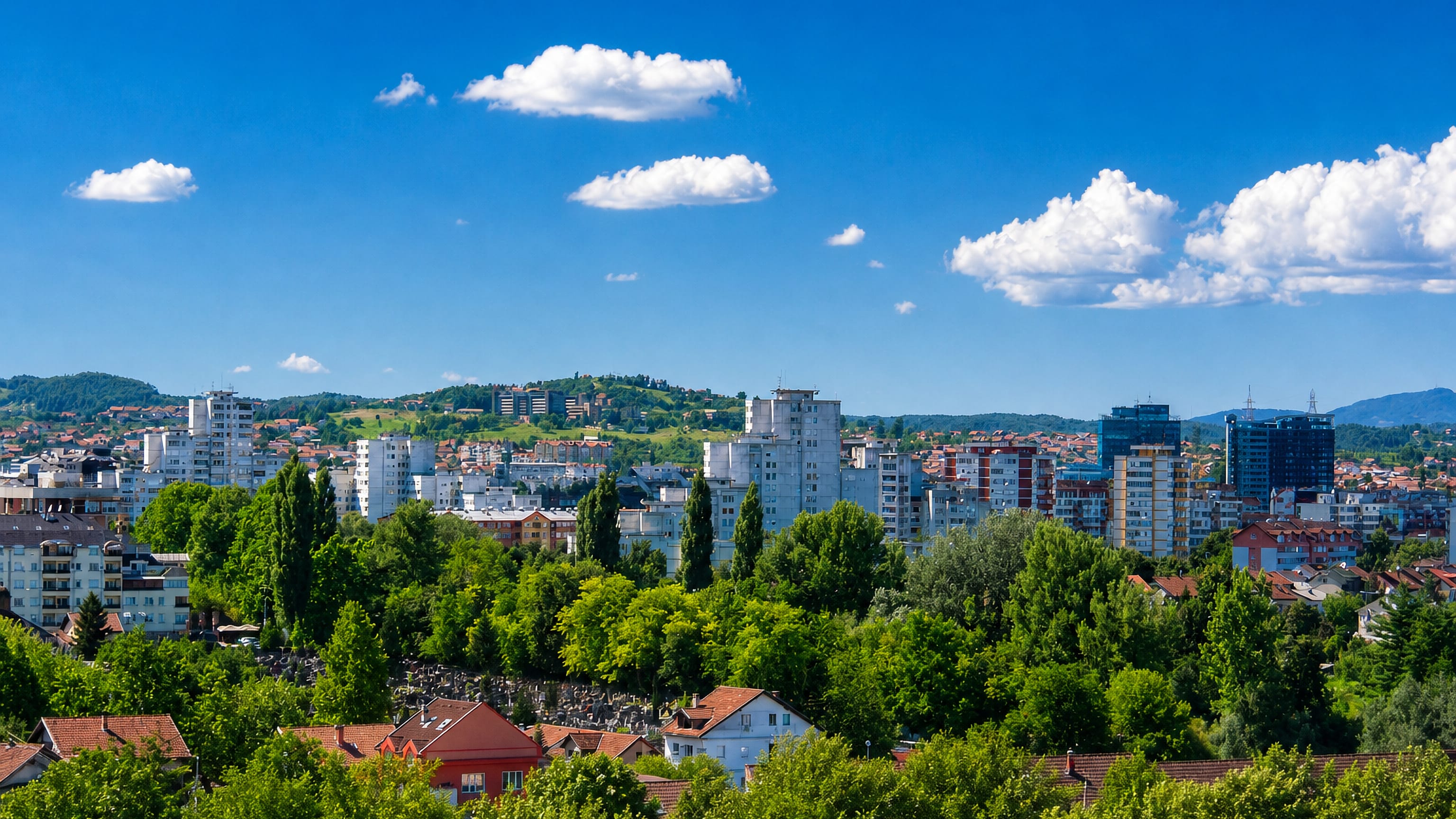
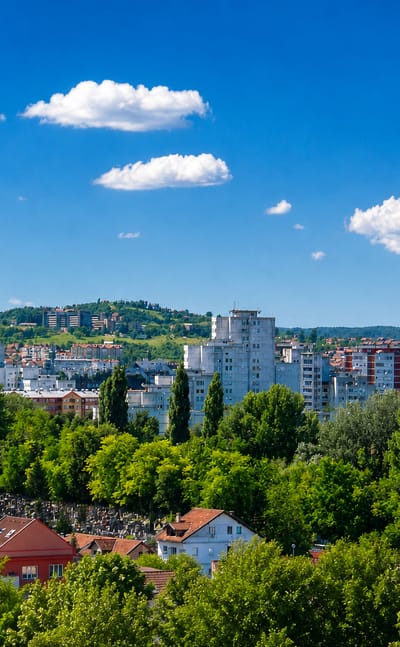
Green boulevards run through Banja Luka, the largest city of the Bosanska Krajina and seat of Republika Srpska, known for its twin cathedrals.
Hotel links are affiliate links: booking through them may earn us a commission, at no extra cost to you. It never affects how places are ranked. How this works


Where to stay in Banja Luka
Each area has its own feel; here's who each one suits.
 Banja LukaBosnia and Herzegovina
Mejdan - Obilićevo
Mejdan - Obilićevo is a district of Banja Luka holding the Museum of Republika Srpska and the Cathedral of Christ the Saviour.Where to stay →Banja LukaBosnia and HerzegovinaHiseti
Hiseti, also called Kočićev vijenac, is a district of Banja Luka built around the Museum of Republika Srpska and the Petar Kočić statue.Where to stay →Hotel links are affiliate links: booking through them may earn us a commission, at no extra cost to you. It never affects how places are ranked. How this works
Find hotels in Banja Luka
Direct booking searches for these neighbourhoods.
Central boulevards
The flat pedestrian grid links the Cathedral of Christ the Saviour to the Museum of Republika Srpska along tree-lined avenues.Find hotels in Central boulevardsQuiet forested stays near the Bosanska Krajina hillsWooded outskirts
Rural rooms in the wooded country ringing Banja Luka trade the central boulevards for open forest and low prices.Find hotels in Wooded outskirtsHotel links are affiliate links: booking through them may earn us a commission, at no extra cost to you. It never affects how places are ranked. How this works
Things to do in Banja Luka
Ranked by global recognition; descriptions from Wikidata (CC0).
Museums & Galleries
3- Museum of Modern Art of Republika Srpska
- Museum of Republika Srpska
- Republika Srpska Puppet Museum
Churches & Religious Sites
3- Church of the Visitation in Banja Luka Heritage
- Cathedral of Christ the Saviour
- Holy Trinity church
Castles & Historic Sites
2- Бања Диреклија Heritage
- Petar Kočić statue in Banja Luka
worth knowingacross 3 categories in Banja Luka
About Banja Luka
What is Banja Luka known for?
Banja Luka is known for wide, tree-lined boulevards and the twin cathedrals that face its centre, the Orthodox Cathedral of Christ the Saviour and the Catholic Cathedral of Saint Bonaventure. Green avenues link the two. The Museum of Republika Srpska and the Museum of Modern Art of Republika Srpska gather the region's collections, and the town serves as the administrative centre of the surrounding Bosanska Krajina.
Parks fill the flat land between.
What are the main landmarks in Banja Luka?
The main landmarks of Banja Luka gather along the central boulevards. The Orthodox Cathedral of Christ the Saviour and the Catholic Cathedral of Saint Bonaventure anchor opposite ends of the centre, with the Holy Trinity church and the Church of the Visitation standing nearby among the trees. Museums line the walk: the Museum of Republika Srpska, the Museum of Modern Art of Republika Srpska, and the Republika Srpska Puppet Museum.
The Ottoman-era Бања Диреклија bath survives near the old quarter. A Petar Kočić statue marks a square.
What is the history of Banja Luka?
Banja Luka took form as an Ottoman town, recorded by 1494 at a crossing point in the plain of the Bosanska Krajina. The Ottomans left mosques, fountains, and the Бања Диреклија bath that gave the trading quarter its shape. Craftsmen and merchants settled the flat land.
Faith drew several communities together here. Austria-Hungary took the region in 1878 and laid the broad avenues that still define the centre, adding the Catholic Cathedral of Saint Bonaventure and the Church of the Visitation. Through the twentieth century Banja Luka grew into the largest town of the forested Bosanska Krajina and the administrative centre of Republika Srpska, gathering the Museum of Republika Srpska and the Museum of Modern Art of Republika Srpska.
The Orthodox Cathedral of Christ the Saviour and the Holy Trinity church rose over the same streets. The writer Petar Kočić, remembered in a central statue, drew on this Krajina country in his work, and the boulevards planted in the imperial years still carry his name through the plain.
Where is Banja Luka?
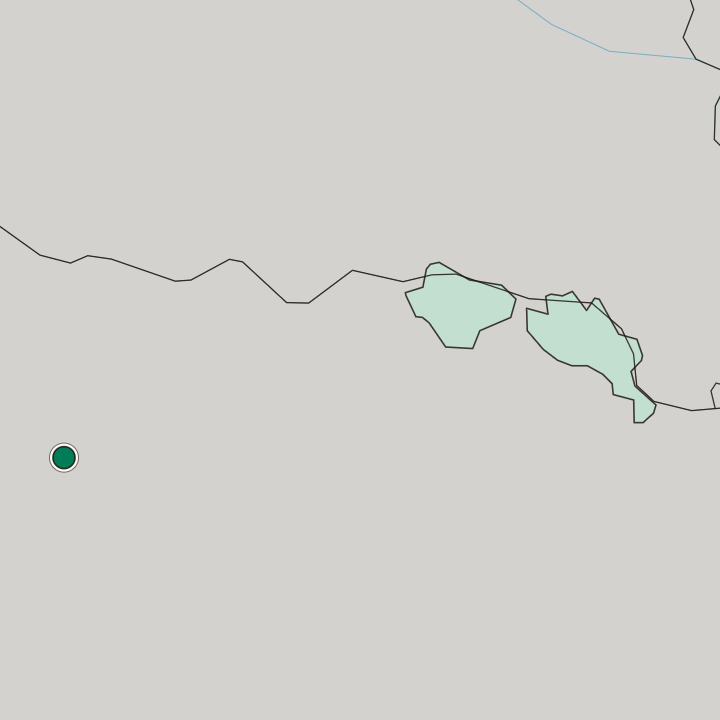
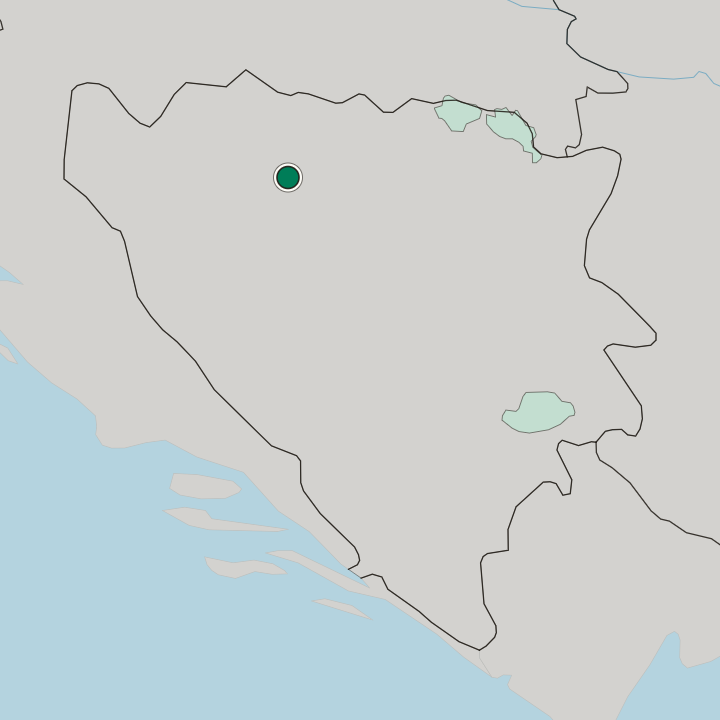
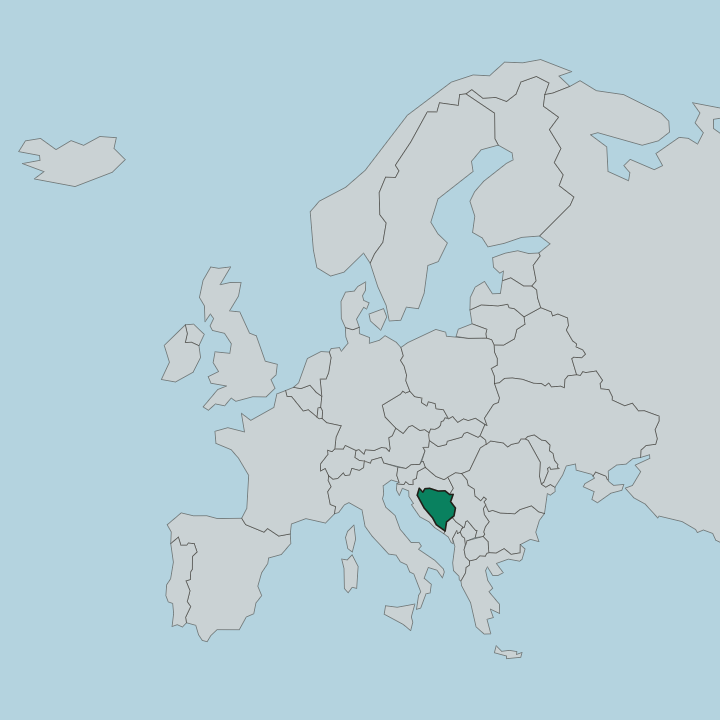
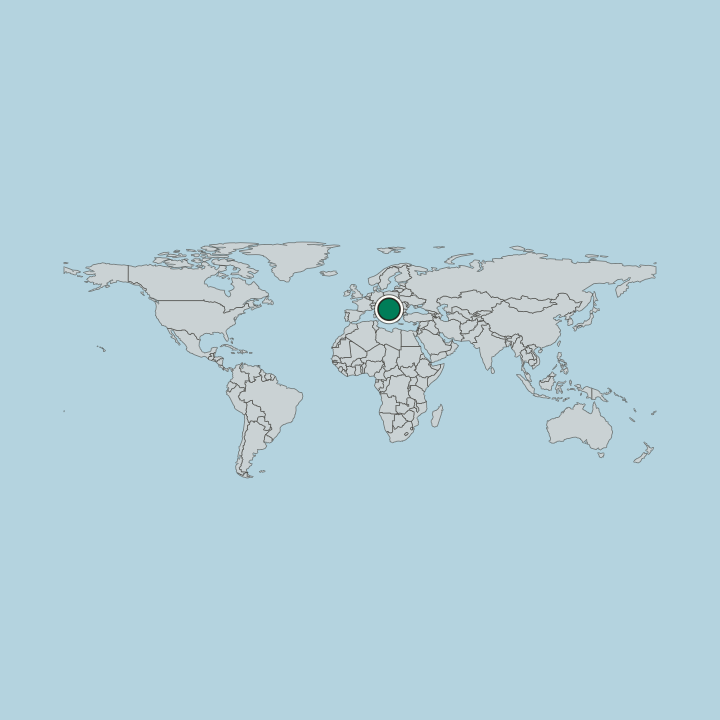
Banja Luka sits on a broad, flat plain in the forested Bosanska Krajina, in northwestern Bosnia and Herzegovina within the wider Balkans. Wooded hills close the plain to the south and east, and the town spreads its avenues across the open, low ground. The land is green and gently watered.
Forest surrounds the whole basin. Beyond the trees the country climbs toward the Dinaric ranges.
What is the climate of Banja Luka?
Banja Luka has a moderate continental climate, milder than the mountain towns of the Balkans. Summers turn warm and green across the plain, when the forests of the Bosanska Krajina hold the heat under long, bright days. Winters are cold but rarely harsh.
Snow dusts the wooded hills. Rain keeps the whole basin green and lush.
How do you get to Banja Luka?
Banja Luka lies on the road and rail routes that cross the plain of the Bosanska Krajina in northwestern Bosnia and Herzegovina. Its flat, open setting makes it an easy hub, with corridors running south toward Sarajevo and west toward the Croatian border and the coast beyond. A small airport sits on the level ground near the town.
Trains run out over the flats of the Bosanska Krajina. Buses climb in from the forested hills.
Common questions
What is the best area to stay in Banja Luka?
Central boulevards: Walking between the two cathedrals of Banja Luka. Wooded outskirts: Quiet forested stays near the Bosanska Krajina hills.
Good for
Updated September 2026