Bosnia and Herzegovina
Republika Srpska, Bosnia and Herzegovina — Towns & Travel Guide
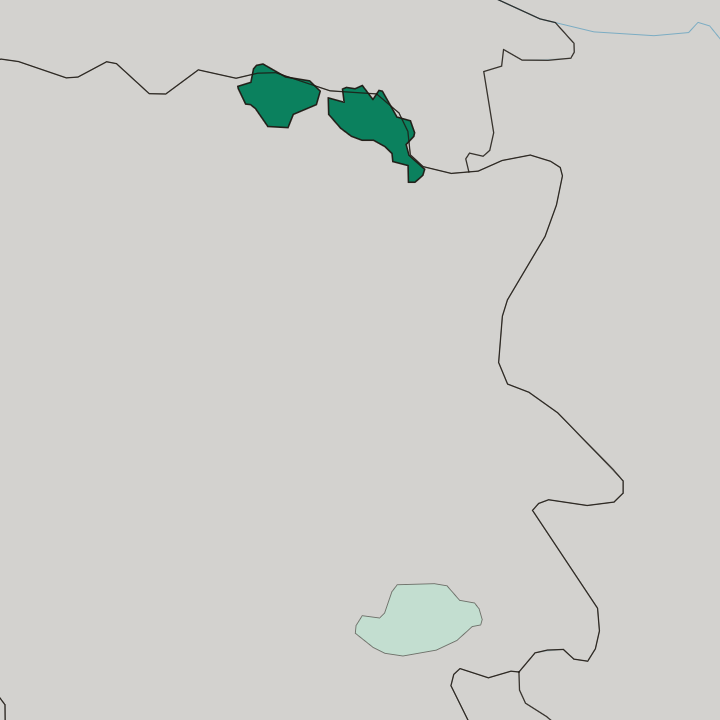
Republika Srpska is one of the two entities of Bosnia and Herzegovina, set across the north and east with its centre at Banja Luka on the Vrbas.
Hotel links are affiliate links: booking through them may earn us a commission, at no extra cost to you. It never affects how places are ranked. How this works


Towns & cities in Republika Srpska
One town here has its own guide — it links to where to stay.
 Bosnia and Herzegovina
Banja Luka
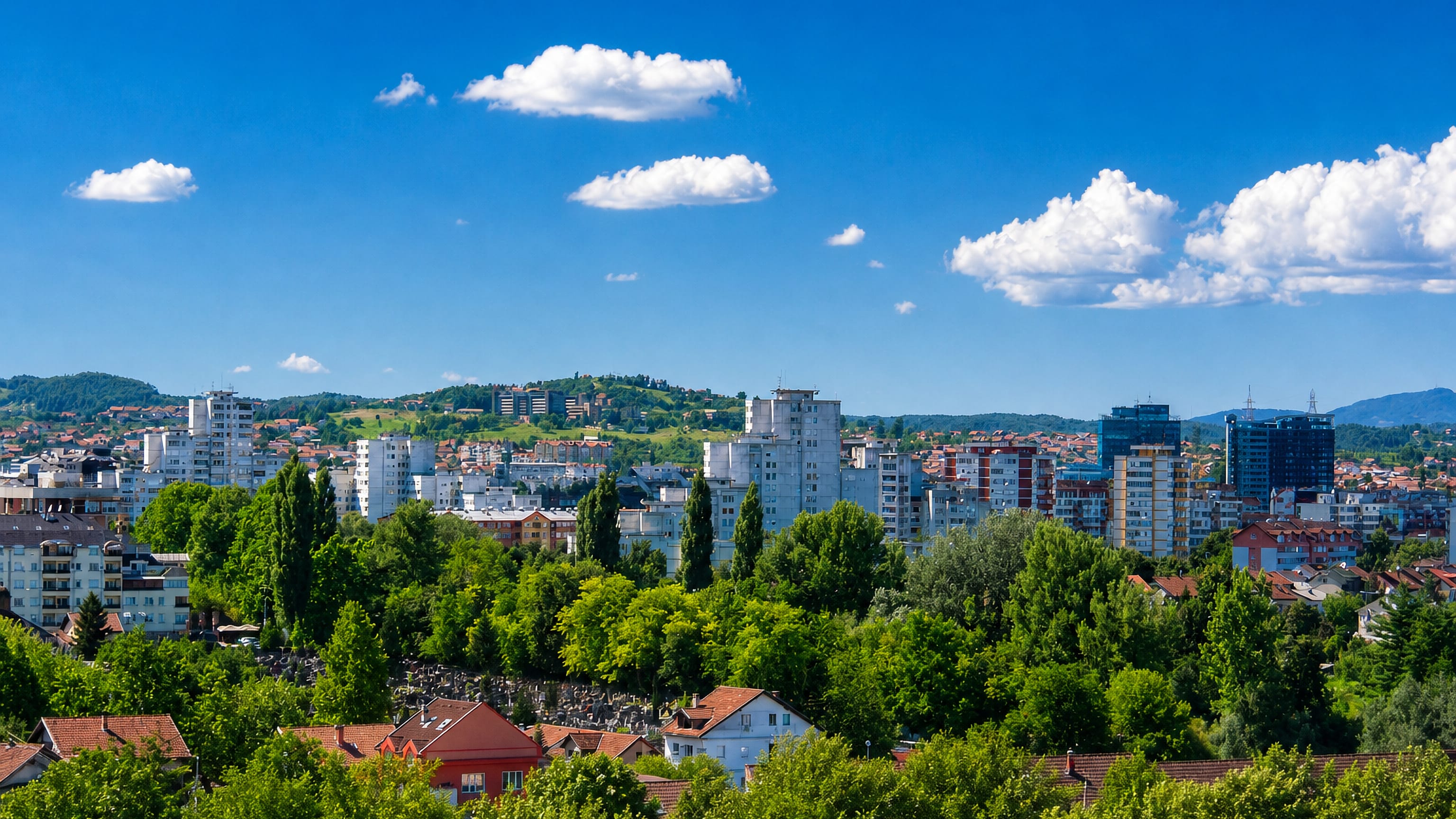
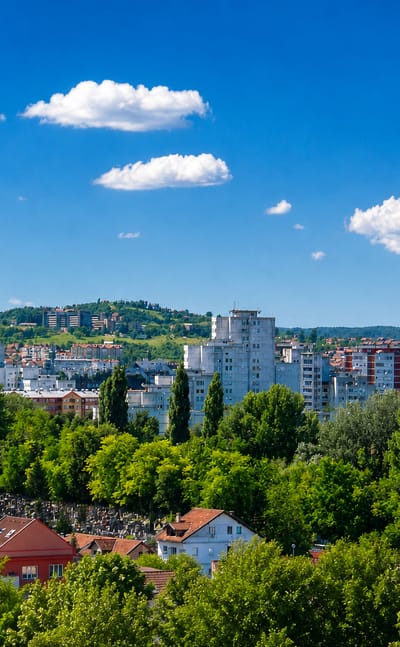
Green boulevards run through Banja Luka, the largest city of the Bosanska Krajina and seat of Republika Srpska, known for its twin cathedrals.Where to stay →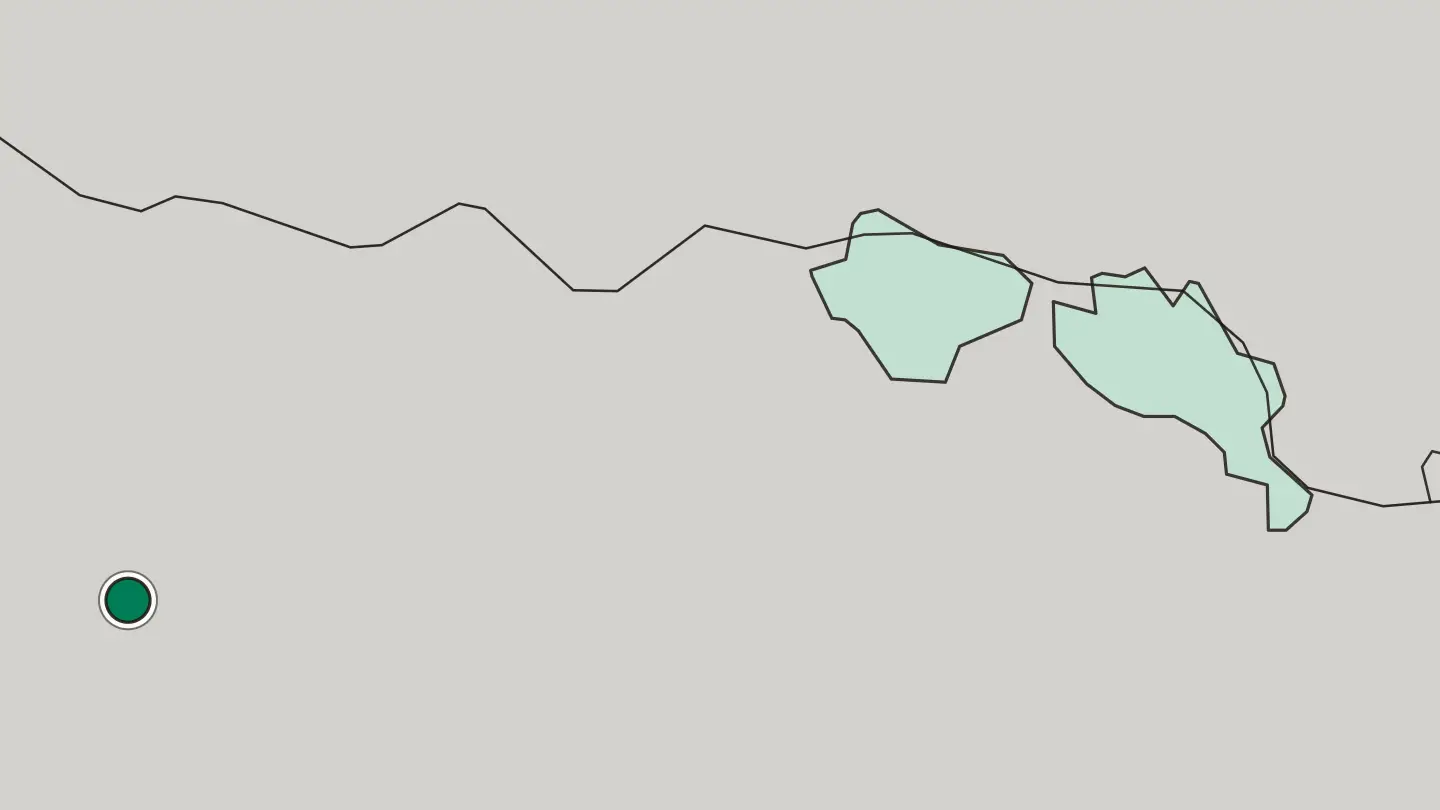
Hotel links are affiliate links: booking through them may earn us a commission, at no extra cost to you. It never affects how places are ranked. How this works
About Republika Srpska
What is Republika Srpska known for?
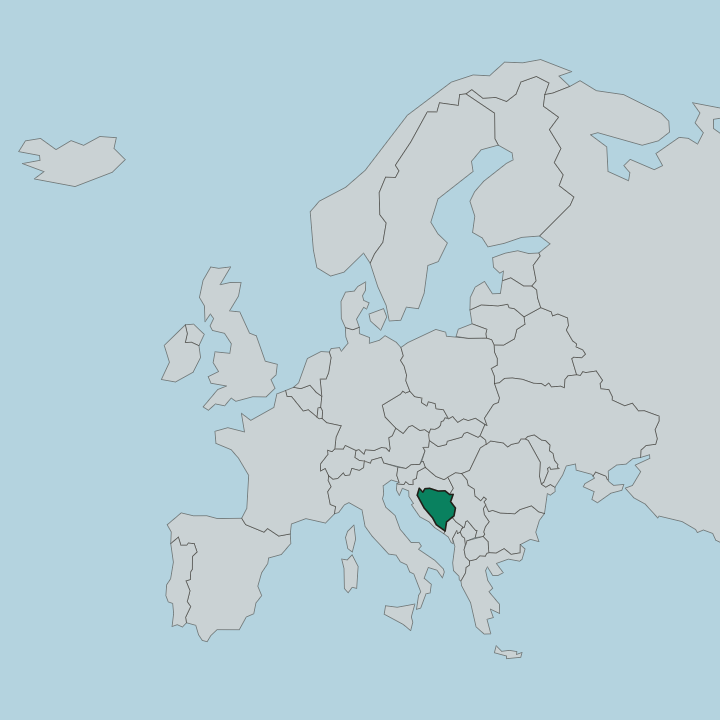
Republika Srpska is known as one of the two entities that share Bosnia and Herzegovina, alongside the Federation of Bosnia and Herzegovina. It stretches across the northern and eastern parts of the country on the Balkan Peninsula. Its administrative centre and largest city is Banja Luka, set on the banks of the Vrbas River.
Forested hills and river valleys run through it. Mountains rise toward the south.
Where is Republika Srpska?
Republika Srpska occupies the northern and eastern parts of Bosnia and Herzegovina, an irregular band of country wrapped around the Federation of Bosnia and Herzegovina on the Balkan Peninsula. In the north it takes in the lower, greener valleys near the Vrbas River, where Banja Luka spreads across an open plain. Forest covers much of it.
The land rises toward the south. Relief varies sharply from one end to the other. The northern lowlands give way to wooded hills and then to the higher mountains of the country's east and southeast, far from the Adriatic coast that lies only in the far south of the wider country.
Rivers such as the Vrbas cut the plains and carry the roads between the towns. Because the entity threads around the Federation, its territory is not one solid block but several arms of land joined through the interior, which keeps distances long and the settlements scattered along the valleys. The mountains hold the far edges.
What is Republika Srpska like?
The culture of Republika Srpska centres on its towns of the northern plains and eastern hills, with Banja Luka as its focus. Orthodox tradition runs strongly through the entity, marked in the cathedrals and churches of its cities, while Catholic and Ottoman-era buildings survive from the region's older, mixed past. Coffee culture and craft carry through the towns.
Faith shapes the calendar. Language and settlement bind the valleys along the Vrbas River, where Banja Luka anchors the plain. A common written language crosses the whole of Bosnia and Herzegovina, and Republika Srpska shares its towns' Ottoman and Austro-Hungarian layers with the neighbouring Federation of Bosnia and Herzegovina even as it keeps its own institutions on the Balkan Peninsula.
Music, food, and pilgrimage move through the hills. Church and festival calendars still order the year across the northern country and its scattered eastern towns.
What is the history of Republika Srpska?
Republika Srpska was established in 1992 as one of the two entities that make up Bosnia and Herzegovina, alongside the Federation of Bosnia and Herzegovina. Its towns, long ruled from centres such as Banja Luka, passed through Ottoman and then Austro-Hungarian centuries before the twentieth century redrew the map. Its administrative centre grew on the Vrbas River.
The entity holds its own government and legislature under the shared state. Older towns carry a past far deeper than the entity itself.
What is the climate of Republika Srpska?
Republika Srpska holds a moderate continental climate across its northern plains and eastern hills. Around Banja Luka and the Vrbas River, summers turn warm and green while winters stay cold but seldom harsh. The higher eastern ground runs colder and snowier through the winter months.
Snow lingers on the mountains. Rain keeps the river valleys green.
How do you get to Republika Srpska?
Republika Srpska is reached mainly through Banja Luka in the north, its largest city and easiest hub. Road and rail cross the plains and river valleys, following the Vrbas River and linking the entity to the wider Bosnia and Herzegovina and to the Croatian border nearby. A small airport serves Banja Luka.
Trains cross the flat north. Winding mountain roads climb to the scattered eastern towns.
Good for
Another region in Bosnia and Herzegovina
Updated September 2026