Bosnia and Herzegovina: Regions, Cities & Travel Guide
Bosnia and Herzegovina is a mountainous Balkan country where the Dinaric Alps meet a short Adriatic reach, with Sarajevo as its capital.
Hotel links are affiliate links: booking through them may earn us a commission, at no extra cost to you. It never affects how places are ranked. How this works


Top destinations in Bosnia and Herzegovina
Cities to start from, then drill into areas and hotels.
 Bosnia and Herzegovina
Sarajevo
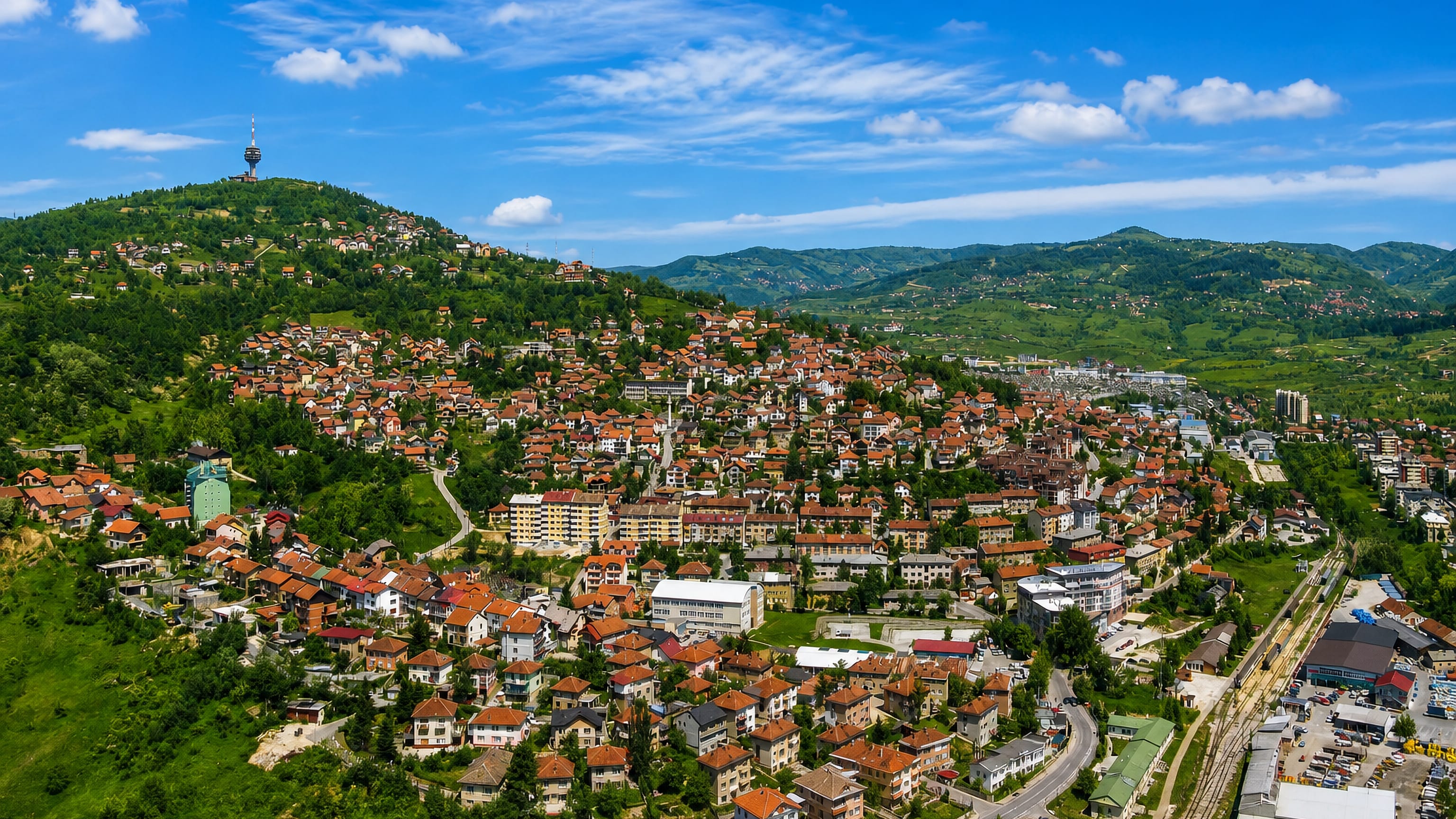
The Miljacka River threads the valley at Sarajevo, capital of Bosnia and Herzegovina, ringed by the Dinaric Alps and known for its Ottoman-era Old Town.Where to stay →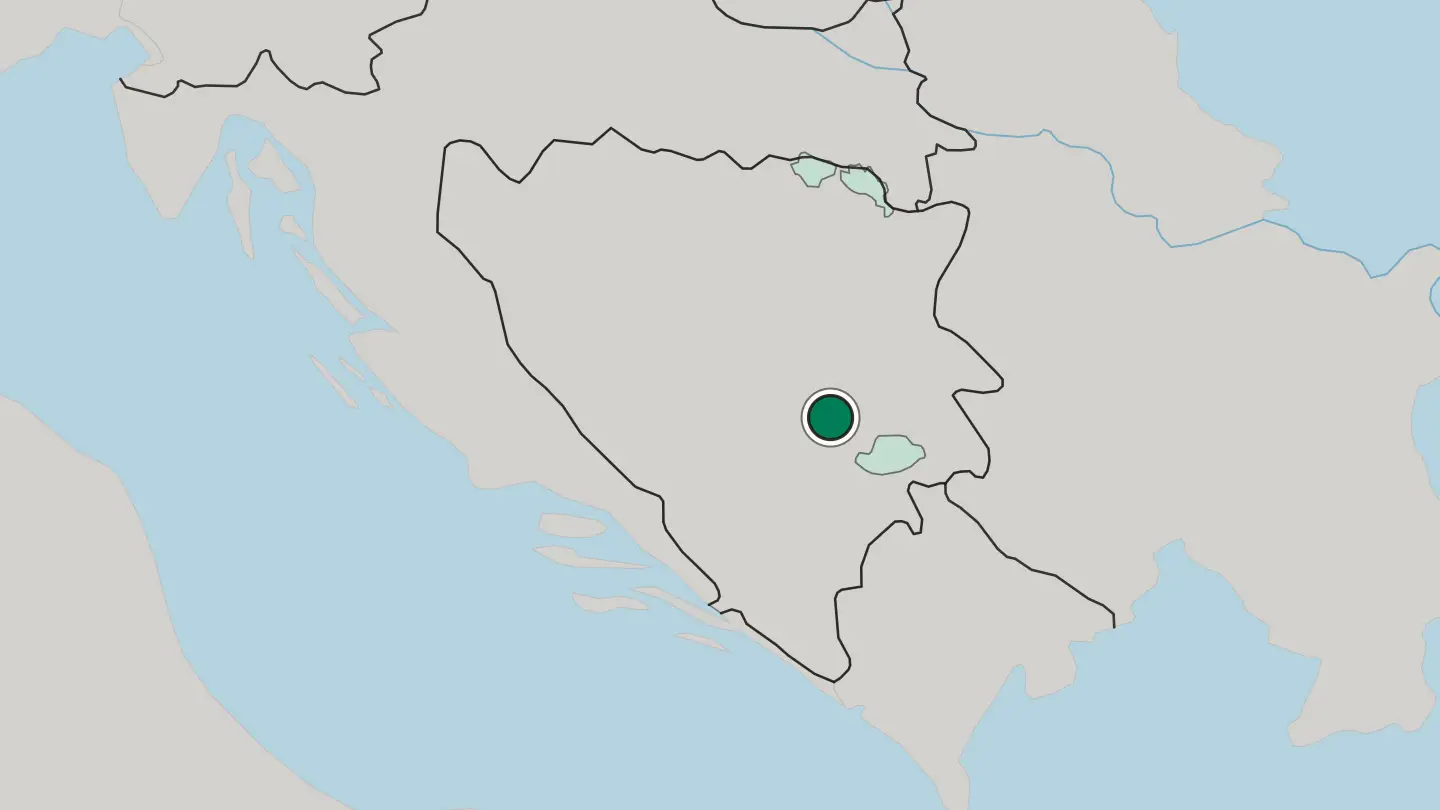
 Bosnia and Herzegovina
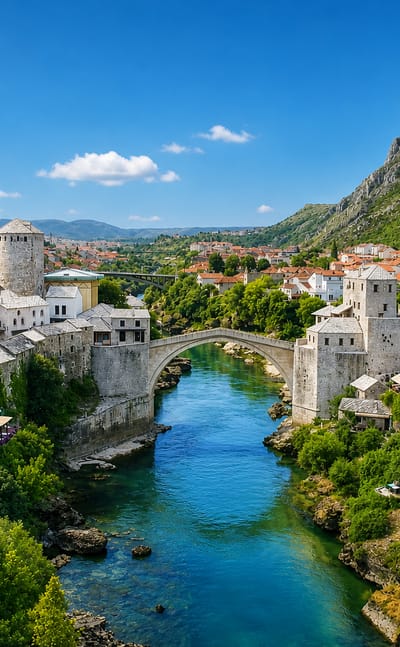
Mostar
The Neretva River cuts a green gorge through Mostar, historical capital of Herzegovina, known for its arched stone bridge and rebuilt old town.Where to stay →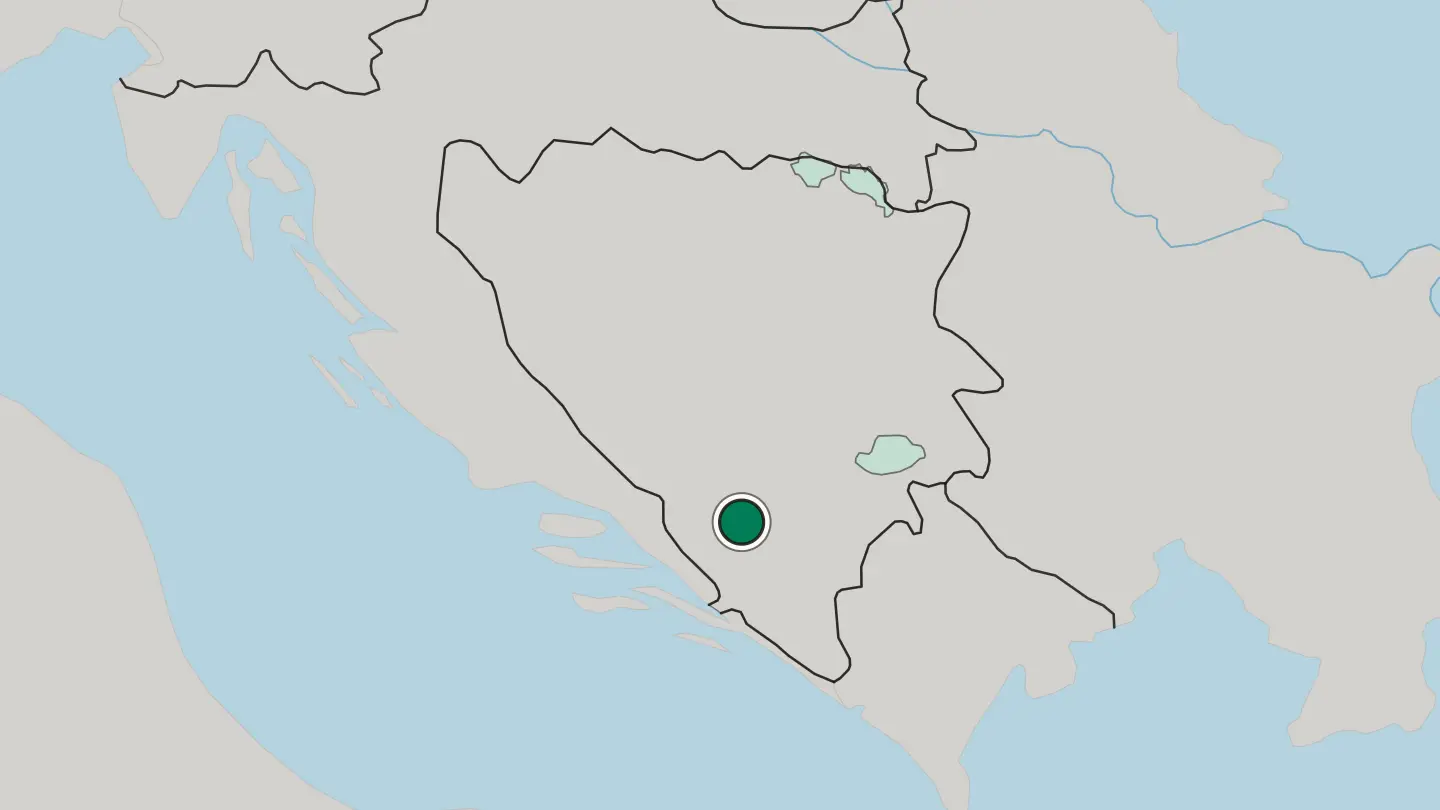
 Bosnia and Herzegovina
Banja Luka
Green boulevards run through Banja Luka, the largest city of the Bosanska Krajina and seat of Republika Srpska, known for its twin cathedrals.Where to stay →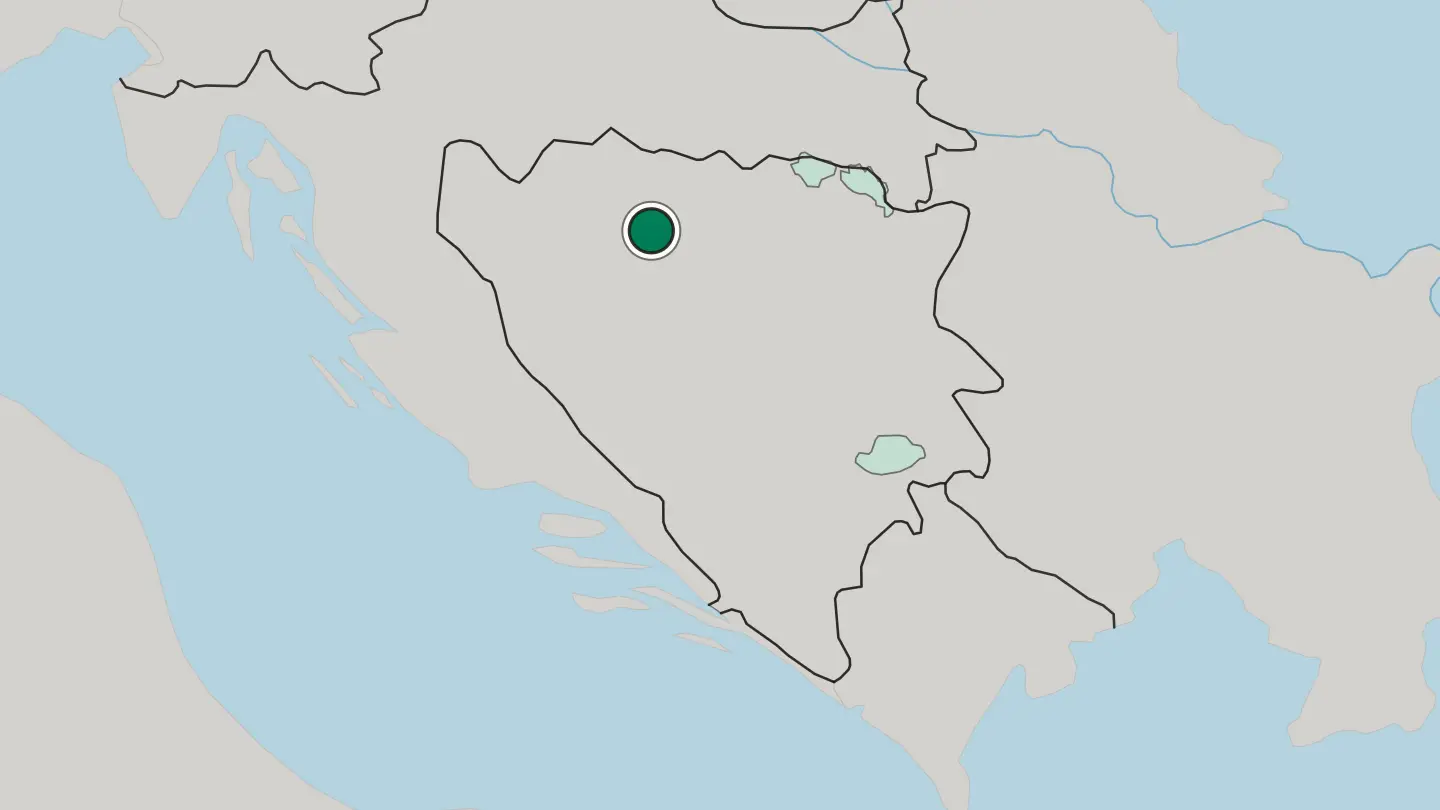
 Bosnia and Herzegovina
Tuzla
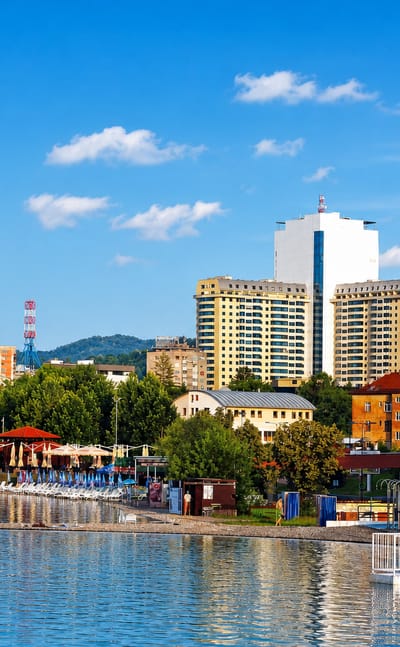
Tuzla is the third-largest city of Bosnia and Herzegovina, the seat of Tuzla Canton, known for Saint George church and its Franciscan monasteries.Where to stay →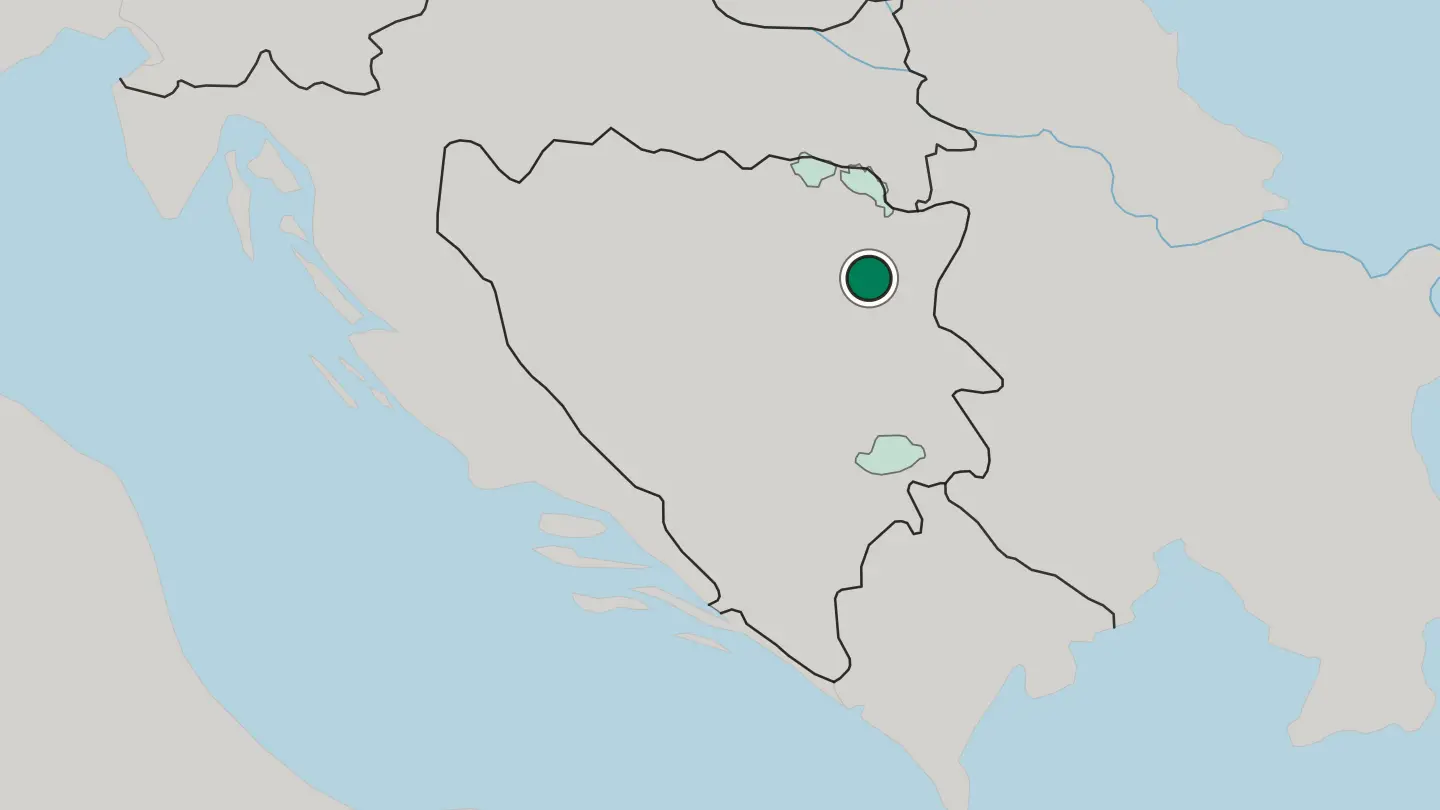
 Bosnia and Herzegovina
Zenica
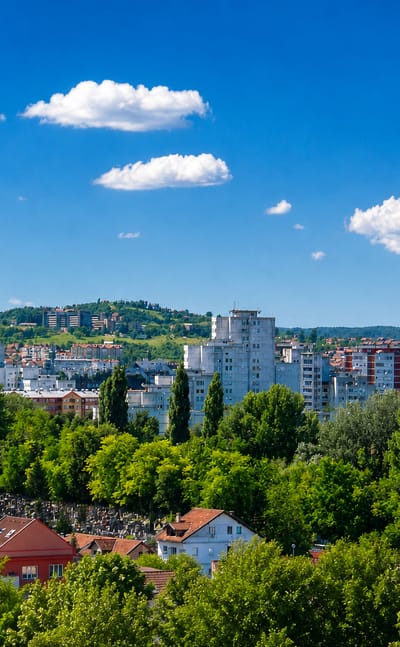
Zenica works the Bosna valley north of Sarajevo, a steel city ringed by hills and the seat of the Zenica-Doboj Canton.Where to stay →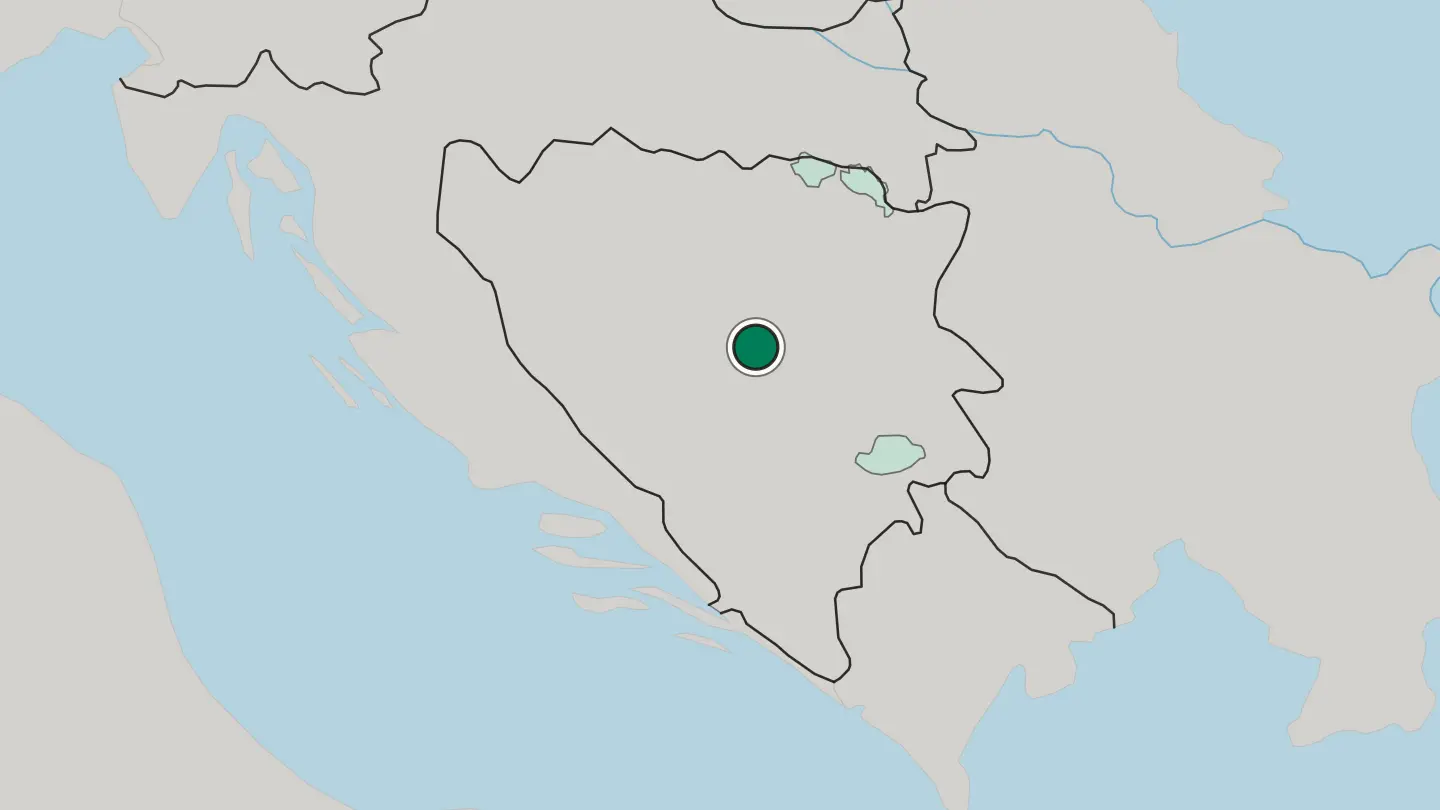
 Bosnia and Herzegovina
Bihać
Bihać stands on the banks of the Una in northwestern Bosnia and Herzegovina, the administrative centre of Una-Sana Canton.Where to stay →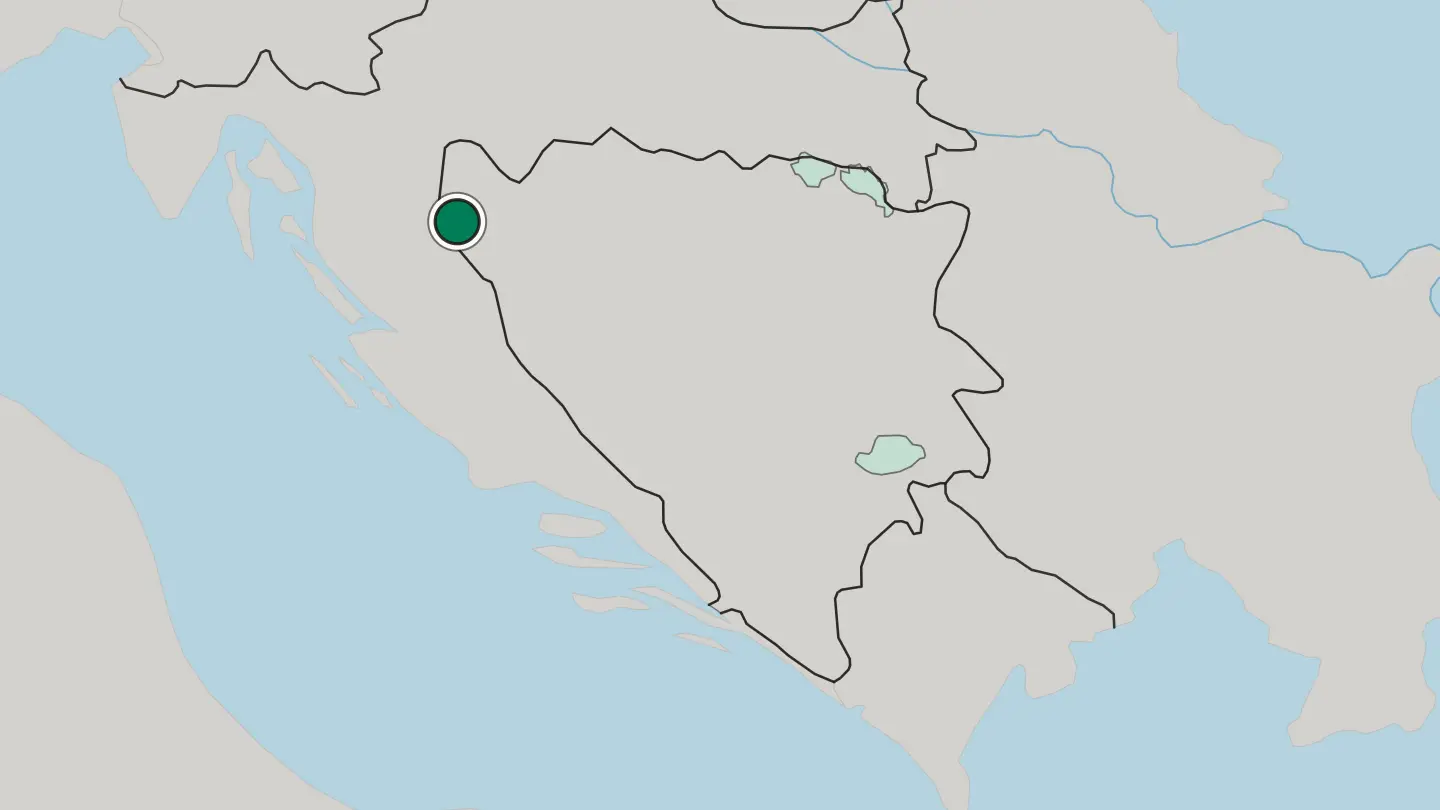
 Bosnia and Herzegovina
Ilidža
Ilidža is a spa town on the edge of Sarajevo, known above all for the Vrelo Bosne spring and for ground settled since Neolithic times.Where to stay →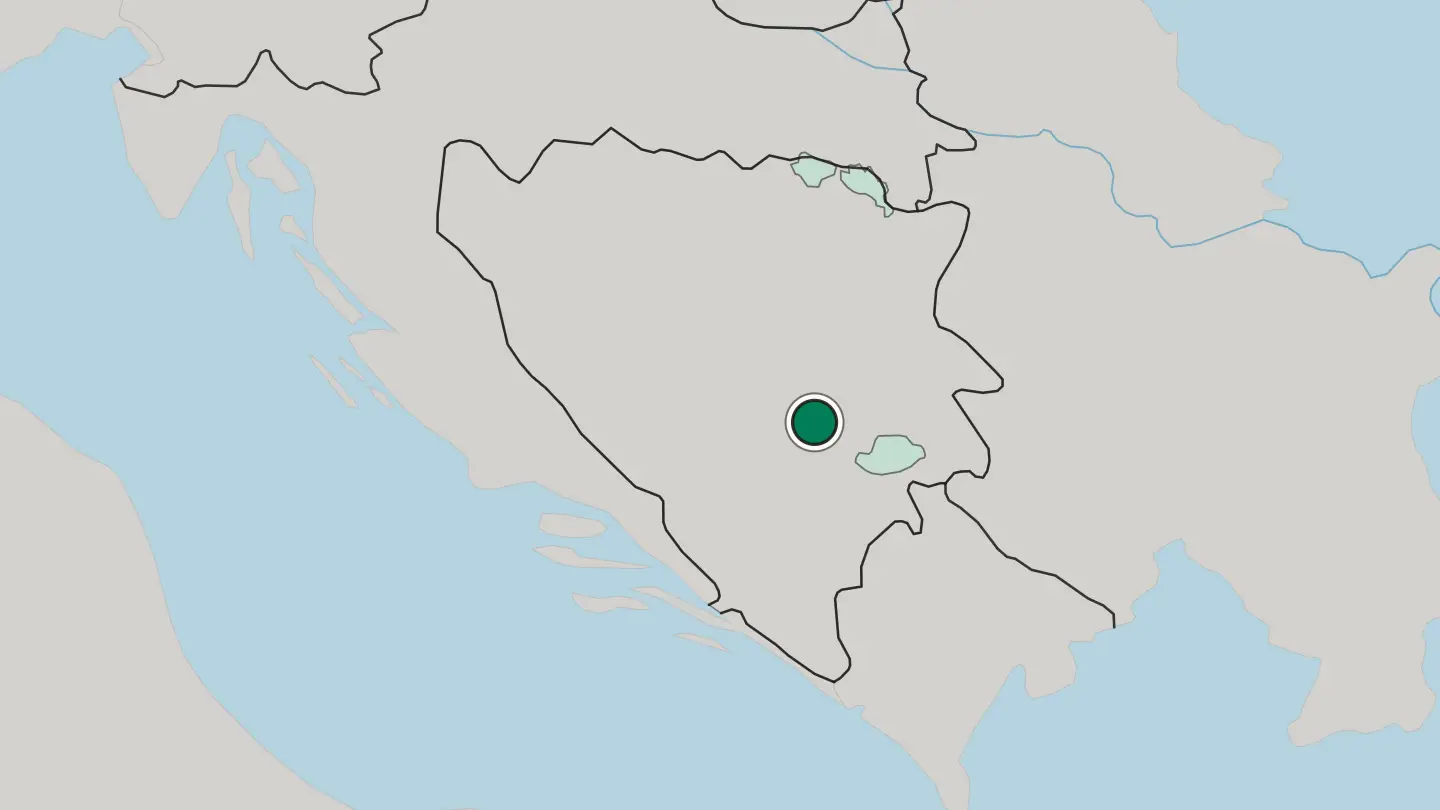
Hotel links are affiliate links: booking through them may earn us a commission, at no extra cost to you. It never affects how places are ranked. How this works
Regions of Bosnia and Herzegovina
Bosnia and Herzegovina
Federation of Bosnia and Herzegovina
The Federation of Bosnia and Herzegovina is one of the two entities of Bosnia and Herzegovina, a mountainous region of ten cantons on the Balkan Peninsula.Towns & cities →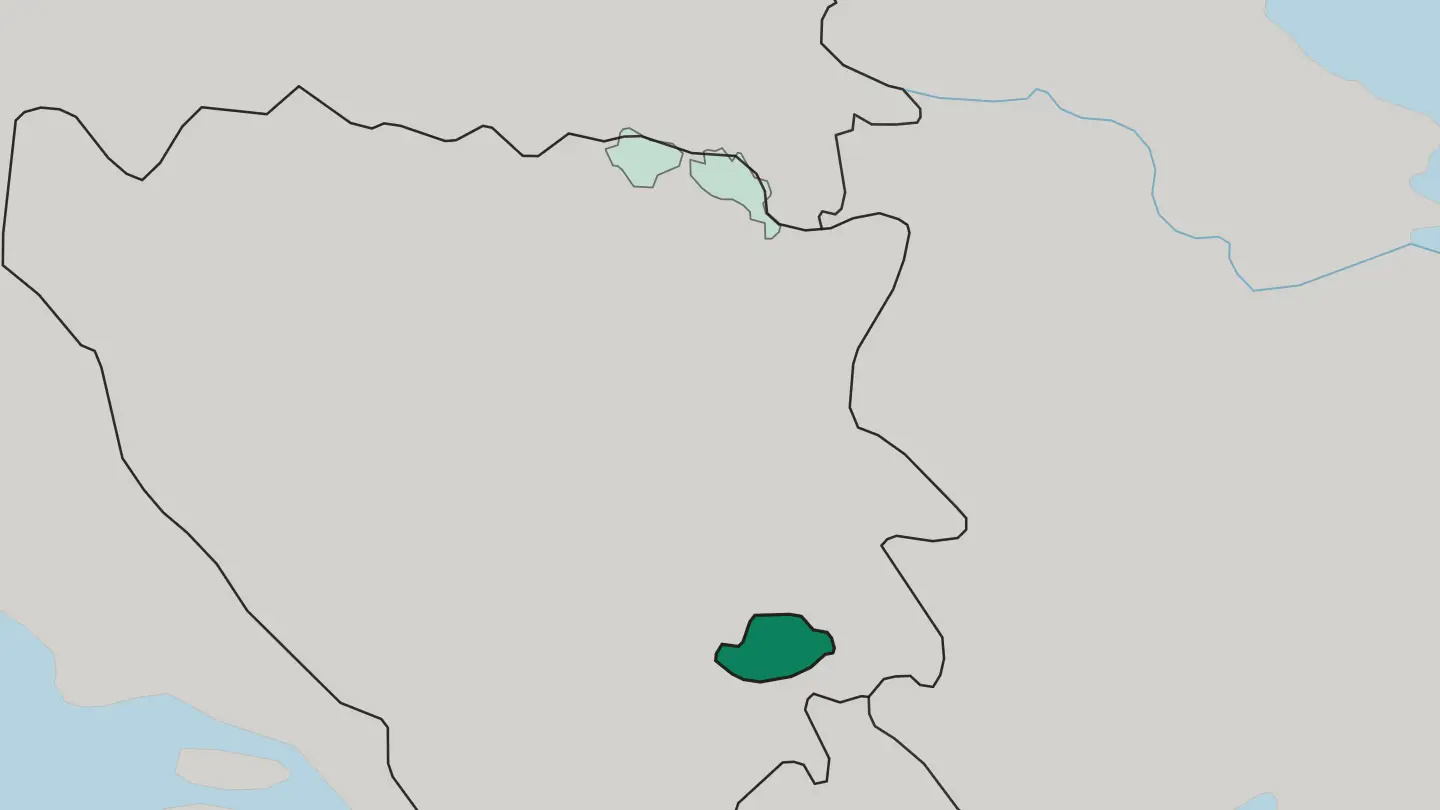 Bosnia and Herzegovina
Republika Srpska
Republika Srpska is one of the two entities of Bosnia and Herzegovina, set across the north and east with its centre at Banja Luka on the Vrbas.Towns & cities →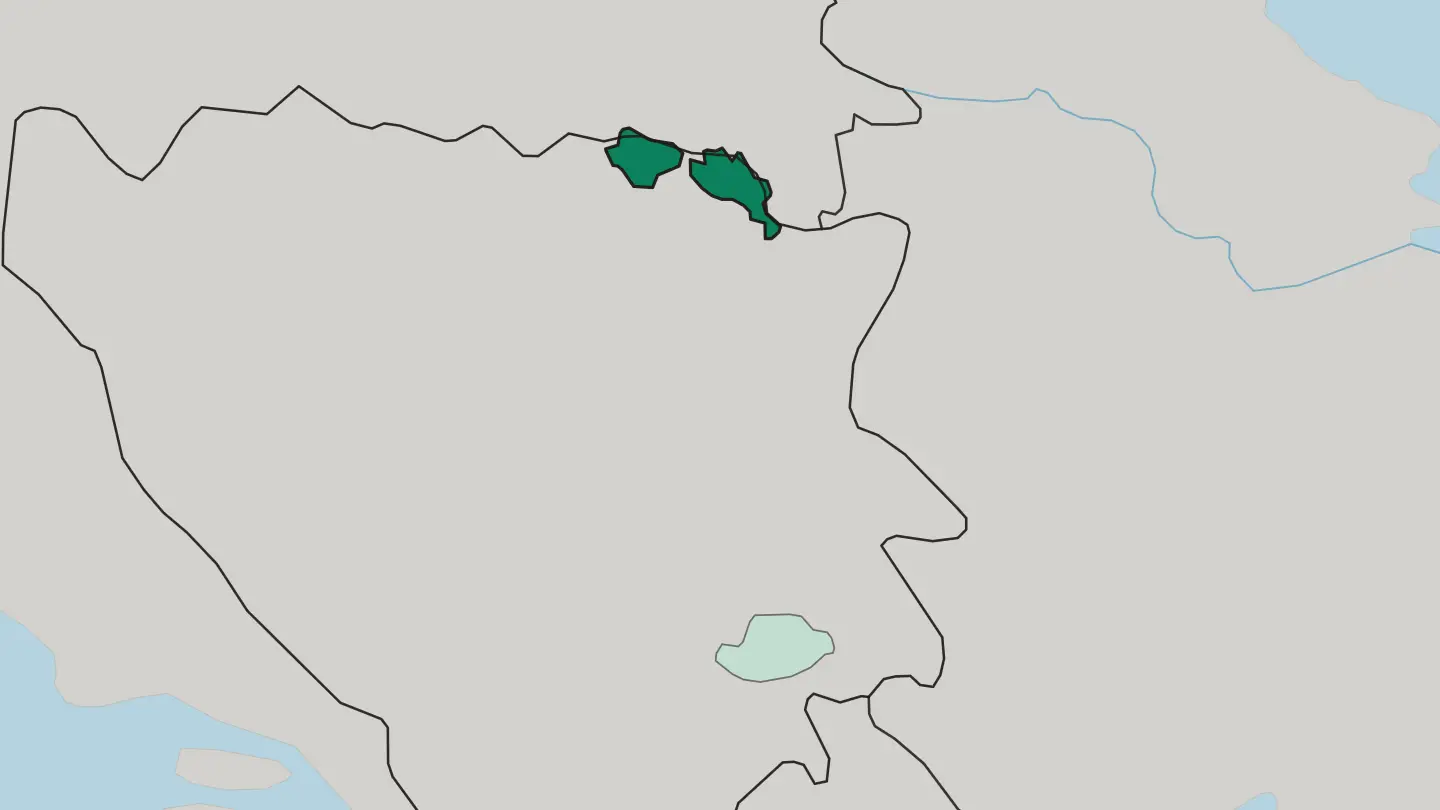
Explore by experience
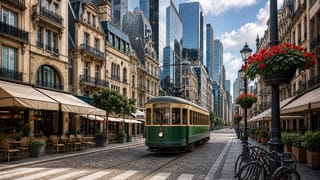
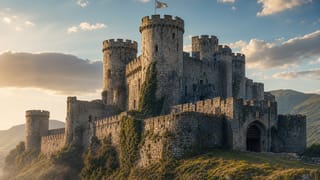
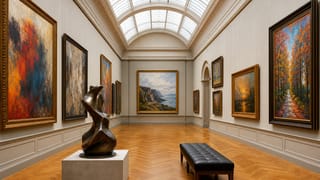
Not sure which place? Start from how you want to travel.
About Bosnia and Herzegovina
Two towns define the country.
What is Bosnia and Herzegovina known for?
Sarajevo pairs minarets with Austro-Hungarian façades, and its Baščaršija bazaar has traded since 1462. In Mostar the rebuilt Stari Most arcs over the green Neretva, a single limestone span that young divers still leap from as a summer rite each year. Beyond the cities rise the Dinaric Alps, steep and forested toward the Drina gorges.
The stone remembers.
Where is Bosnia and Herzegovina?
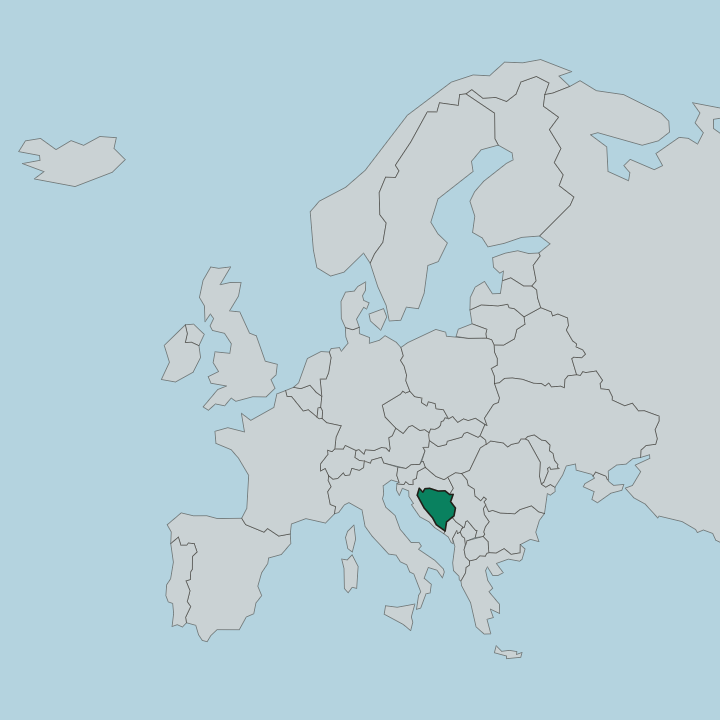
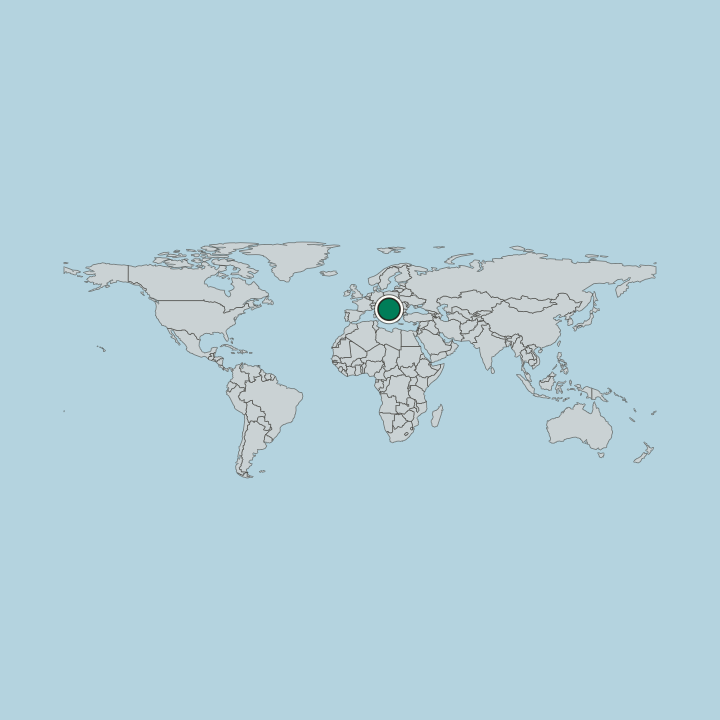
Bosnia and Herzegovina sits on the western Balkan Peninsula, hemmed by Croatia to the north and west, Serbia to the east, and Montenegro to the south-east. The land is largely upland. The Dinaric Alps run across the centre and east in ridge after limestone ridge, and central peaks like Prenj and Čvrsnica climb well above the tree line.
Two regions divide the map. Bosnia holds the wooded, river-veined north and centre; Herzegovina, the smaller southern part, drops toward the Mediterranean along a karst of bare grey stone. Water does much of the shaping.
The Sava traces the northern border with Croatia and gathers the country's inland rivers before feeding the Danube. Bosnia's namesake river, the Bosna, rises at the Vrelo Bosne springs below Mount Igman near Sarajevo and runs north through the heartland. Eastward, the Drina carves the boundary with Serbia in deep gorges.
In the south the Neretva turns sharply and cuts through Herzegovina to reach the Adriatic, giving the country its narrow twenty-kilometre coast at Neum. From alpine spruce to bare Mediterranean rock, the terrain shifts fast.
What is the history of Bosnia and Herzegovina?
The country's past is layered in stone. A medieval Banate of Bosnia grew in the twelfth century into an independent kingdom that, by the fourteenth, ranked among the strongest states in the western Balkans. From that age survive the stećci, carved monumental tombstones scattered across hillsides and now protected as a shared UNESCO listing.
Then the Ottomans came. Their conquest, completed by 1463, brought Islam, mosques, bridges, and towns like Sarajevo and Mostar largely as their old cores stand. Rule changed hands again in 1878, when Austria-Hungary took over the provinces and later annexed them outright, laying tramlines and grand façades over the Ottoman grain.
In Sarajevo in 1914 the assassination of Archduke Franz Ferdinand lit the fuse of the First World War. Through the twentieth century the land was a republic of Yugoslavia, and in 1992 it declared independence. The brutal war that followed ended with the 1995 Dayton Agreement, which split the country into two entities, the Federation of Bosnia and Herzegovina and Republika Srpska.
Scars remain visible. So does a very old resilience.
What is Bosnia and Herzegovina like?
Culture here reads as a meeting of faiths and empires kept in daily use. Within a few streets of Sarajevo's Baščaršija stand a mosque, an Orthodox church, a Catholic cathedral, and a synagogue, a proximity the city has long worn as identity. Coffee is a ritual, not a drink.
It arrives in a copper džezva with a cube of sugar and a square of lokum, meant to be sipped slowly over conversation. The soundtrack is sevdah, an aching, ornamented song form that carries older Ottoman phrasing into Bosnian words. The table tells the same layered story. Ćevapi, small grilled minced-meat fingers served in warm somun bread with raw onion and kajmak, are argued over fiercely between Sarajevo and Mostar.
Flaky burek and other filled pastries owe their form to the Ottoman centuries, while coffeehouse habits and pastry counters carry an Austro-Hungarian echo. Craft survives in the coppersmiths still hammering trays along Baščaršija's lanes. Along the Neretva in Mostar, young men still dive from the Stari Most as a summer rite.
It is a small country of very deep memory.
What is the climate of Bosnia and Herzegovina?
The country holds two climates on one map. Bosnia, the mountainous north and centre around Sarajevo, runs moderately continental, with hot summers and cold, snowy winters that once hosted Olympic skiing on the peaks above the capital. Herzegovina, in the south along the Neretva, tips Mediterranean and hot, and Mostar counts among the warmest cities in Europe through July and August.
The Dinaric ridges between them wring rain from passing weather. Winters bite in the highlands.
How do you get to Bosnia and Herzegovina?
Most travellers arrive by air into Sarajevo. Sarajevo International Airport sits in the valley just south-west of the centre and links to European hubs, while Tuzla in the north-east draws low-cost flights and diaspora traffic. Overland routes matter too, with buses and cars crossing from Croatia's Dalmatian coast to Mostar in a couple of hours.
The mountains make journeys slow but scenic. Rail is limited. Plan around the roads.
Good for
Updated September 2026