Bulgaria
Burgas, Bulgaria — Towns & Travel Guide
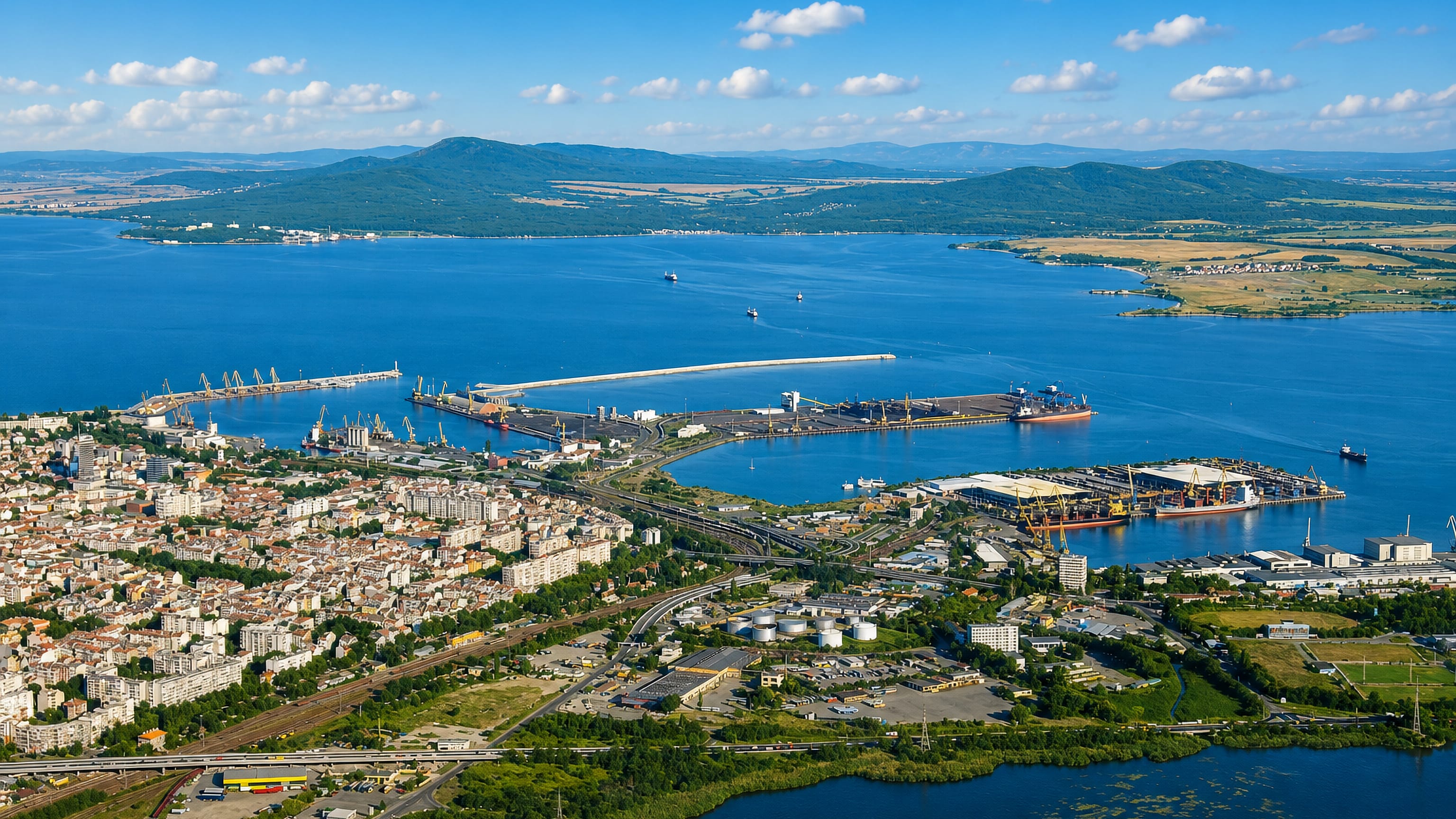
Burgas is Bulgaria's largest province by area, spread down the southern Black Sea coast around its port city and ancient Greek colonies.
Hotel links are affiliate links: booking through them may earn us a commission, at no extra cost to you. It never affects how places are ranked. How this works


Towns & cities in Burgas
One town here has its own guide — it links to where to stay.

 Bulgaria
Burgas
Burgas is a port city on Bulgaria's Black Sea coast, capital of Burgas Province, known for its harbour, seaside parks, and the resorts of the south coast.Where to stay →
Hotel links are affiliate links: booking through them may earn us a commission, at no extra cost to you. It never affects how places are ranked. How this works
About Burgas
Beaches, salt lagoons and old sea towns.
What is Burgas known for?
Burgas is the largest province in Bulgaria, wrapped around the southern half of the Black Sea coast, and most travellers come for the shore rather than the provincial capital itself. Sunny Beach, the country's biggest resort, sits on that coast beside the ancient island town of Nesebar. Sozopol and Pomorie carry the same layered past down the same strip of sand.
Inland, the wooded Strandzha rises toward the Turkish border.
Where is Burgas?
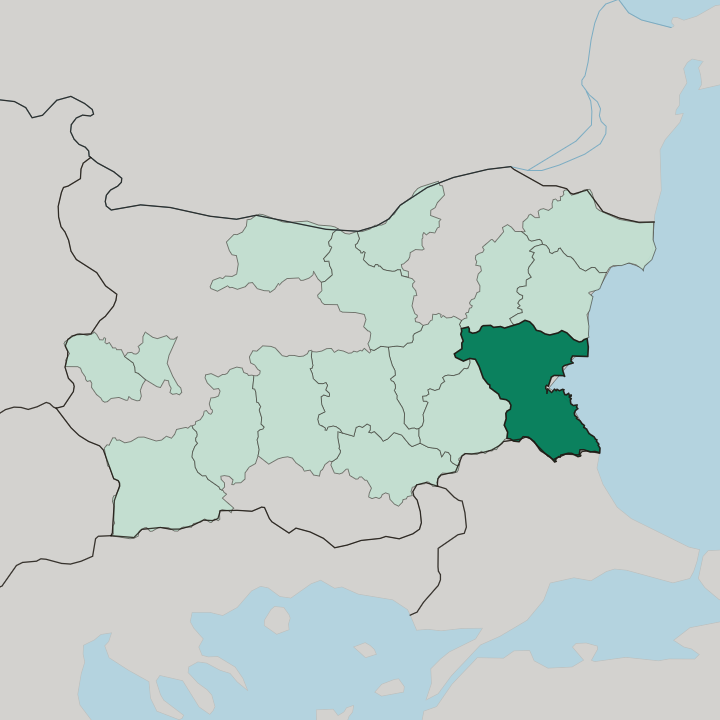
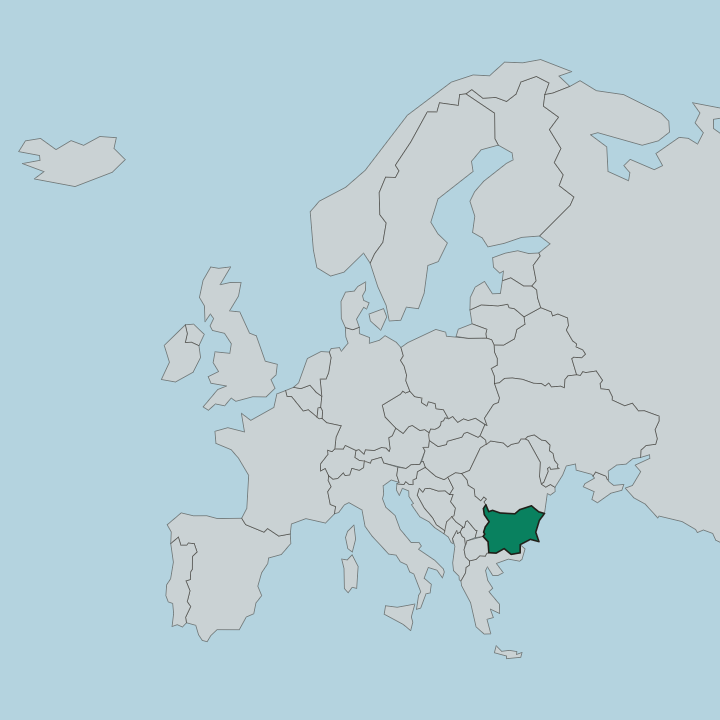
Burgas fills the south-eastern corner of Bulgaria, the largest of the country's provinces by land. The east is all sea. The coast bends in around Burgas Bay, and the provincial capital stands at the bay's westernmost point, hemmed in by a ring of shallow coastal lakes.
Those lakes shape the province. Vaya, the widest of them, spreads west of the city, while Atanasovsko and Mandrensko flank it to the north and south, drawing flamingos and migrating birds to their salt-pans. South of the bay the land climbs into the Strandzha, a low, densely wooded massif of rolling oak forest that carries the province up to the Turkish frontier.
West of the shore the terrain opens into farmed plains and foothills around inland towns. The resorts thread the sand between the water and the lagoons. Sunny Beach and Nesebar lie north along the coast; Sozopol and Pomorie hold the shore nearer the city; the border wilderness lies further south again, in the hills.
You read this province by its coastline. From the salt lakes at Burgas to the oak ridges of the Strandzha, almost everything worth reaching sits within sight of the sea or a short drive from it.
What is Burgas like?
The sea sets the tone here. This is a coast that has been settled and resettled for close to three thousand years, and the towns wear that depth openly. Nesebar packs medieval Byzantine churches onto a rocky peninsula barely bigger than a village, layered over the Thracian and Greek colony of Mesembria beneath them.
Sozopol answers with the wooden fishermen's houses of old Apollonia. That inheritance is Greek, Thracian and Bulgarian at once, stacked town by town along the shore. The Bulgarian language carries it, written in the Cyrillic script that the country gave the wider Slavic world.
Everyday life leans on the water and the salt. Pomorie has cured visitors with the black mud of its salt lagoon for generations, and the Atanasovsko salt-pans north of the capital still yield sea salt beside the flamingos. The provincial capital keeps the year turning with its Sea Garden promenade and a summer season of open-air concerts and festivals by the shore.
Inland, the Strandzha holds an older, quieter Bulgaria of forest villages, folk fire-dancing and Orthodox chapels. Coast and mountain make two different cultures in one province. Both grew up facing the same sea.
What is the history of Burgas?
Greek colonists reached this coast first. Mesembria, the island now called Nesebar, and Apollonia Pontica, the colony that became Sozopol, were founded as trading rivals more than two and a half thousand years ago on the same gulf. The provincial capital came far later, growing from a small fishing settlement on the site of a medieval fort into an Ottoman port.
Burgas was freed from Ottoman rule in 1878. The railway to Plovdiv in 1890 and the deep-water port that opened in 1903 turned that fishing town into the industrial capital of the coast.
What is the climate of Burgas?
Burgas keeps a humid subtropical climate, softened at every turn by the Black Sea. Summers are long and warm rather than fierce, running from late spring well into autumn, which is why the resorts fill through those months. The sea holds the heat off in July and August and cushions the cold later, so winters stay mild by Bulgarian standards, with only the odd snowfall on the coast.
Rain falls across the whole year rather than in one wet season. The water evens everything out.
How do you get to Burgas?
Fly in. Most summer visitors land at Burgas Airport, the second-busiest in Bulgaria and the main air gate to the southern coast and its resorts. The city also sits on the railway from Sofia and Plovdiv, the line whose opening in 1890 first tied the port to the interior of the country.
Its deep-water harbour on Burgas Bay handles cargo more than passengers. From the airport and station, roads run north to Sunny Beach and Nesebar, and south past Sozopol toward the Strandzha and the Turkish border. The runway and the rails carry almost everyone.
Common questions
What is the best area to stay in Burgas?
Burgas city: the working port capital and its Sea Garden. Sunny Beach and Nesebar: the big-resort strip beside an ancient island town. Sozopol: an older, quieter Apollonia by the sea. Pomorie: salt-lake mud cures and a narrow spit.
Good for
More regions in Bulgaria
Updated September 2026