
Bulgaria
Plovdiv, Bulgaria — Towns & Travel Guide
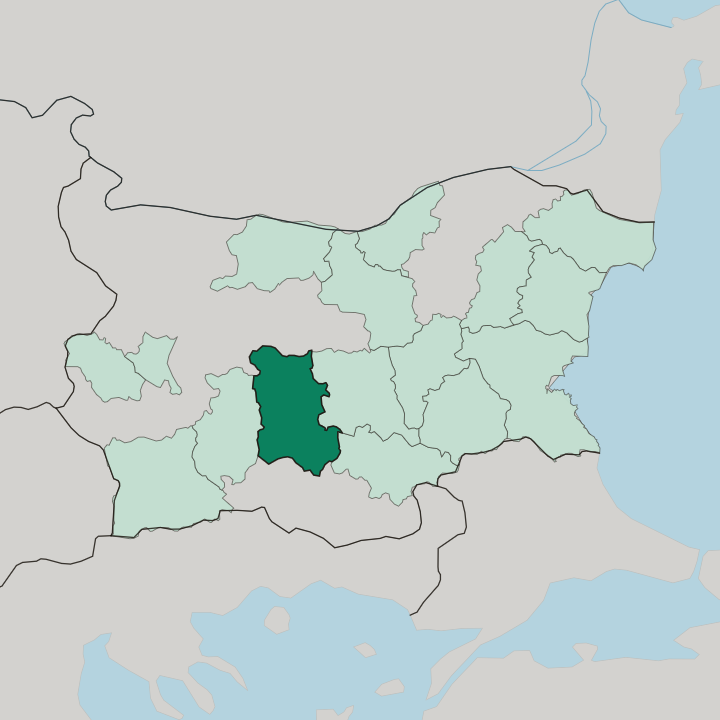
Plovdiv is a province of south-central Bulgaria, built around one of Europe's oldest cities on the Maritsa.
Hotel links are affiliate links: booking through them may earn us a commission, at no extra cost to you. It never affects how places are ranked. How this works


Towns & cities in Plovdiv
Pick a town or city — each links to where to stay.
 Bulgaria
Plovdiv
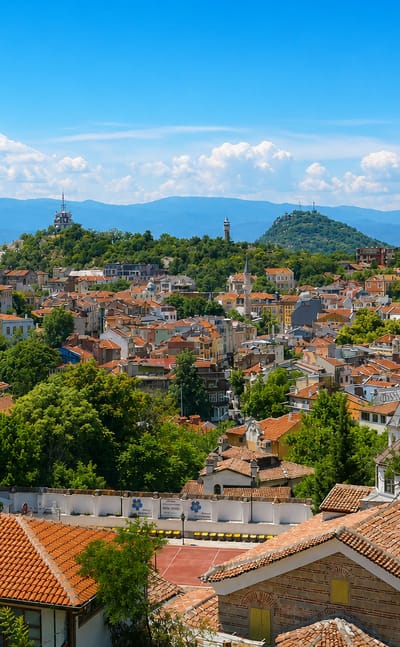
Cobbled lanes climb the old hills of Plovdiv, the second-largest city of Bulgaria, in Thrace, known for its Roman stadium and painted revival houses.Where to stay → Bulgaria
Asenovgrad
Asenovgrad is a town of south Bulgaria at the foot of the Rhodope Mountains, below a medieval crag fortress, near the Bachkovo monastery south of Plovdiv.Where to stay →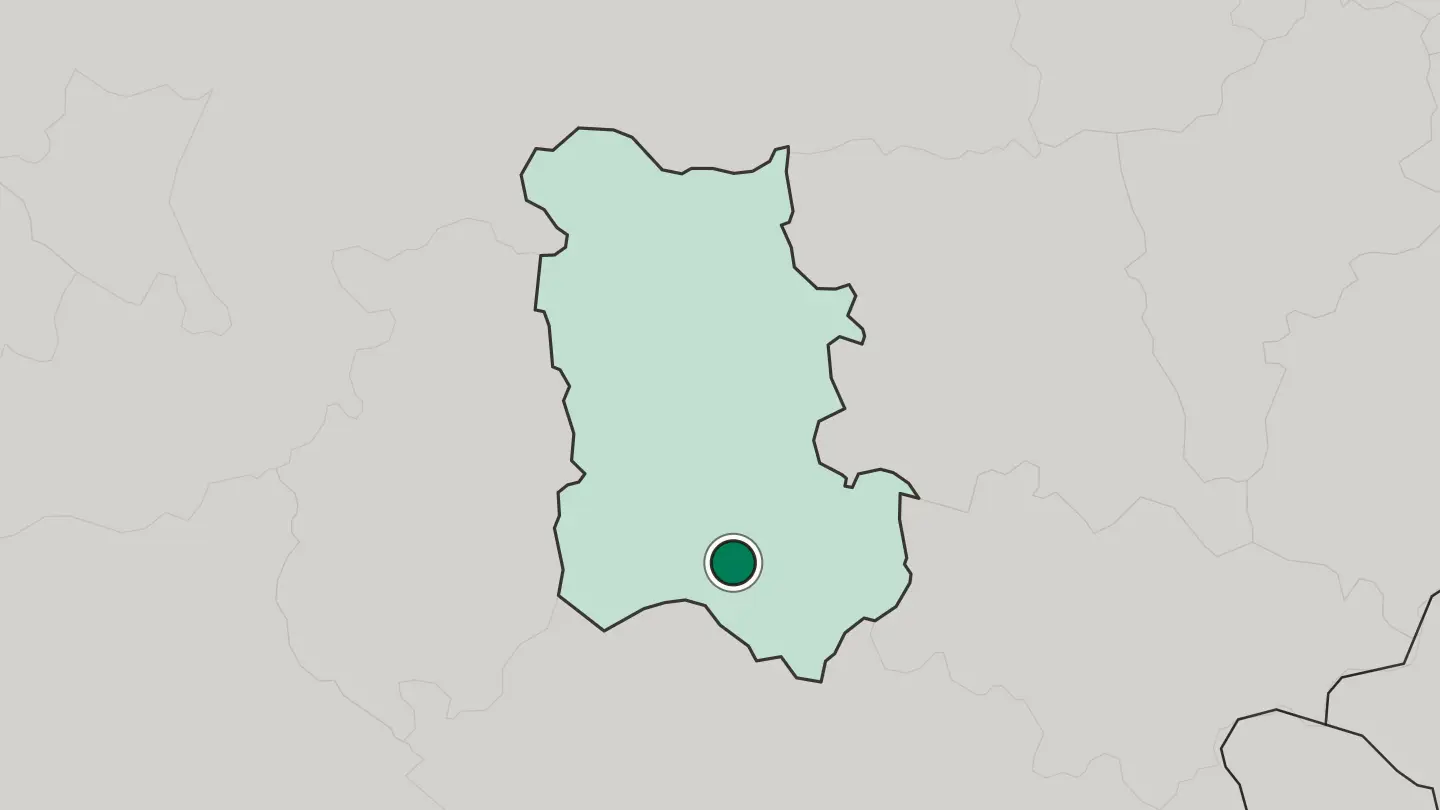
Hotel links are affiliate links: booking through them may earn us a commission, at no extra cost to you. It never affects how places are ranked. How this works
About Plovdiv
The province is known for its capital.
What is Plovdiv known for?
Plovdiv counts among the oldest continuously inhabited cities on the continent, its Old Town stacked over a Roman theatre and the Thracian citadel of Nebet Tepe. Around that city the land is the flat, fertile floor of the Upper Thracian Plain, threaded by the Maritsa and its tributaries. The Rhodope Mountains close off the southern edge.
Karlovo and the Rose Valley lie to the north, under the wall of Stara Planina.
Where is Plovdiv?
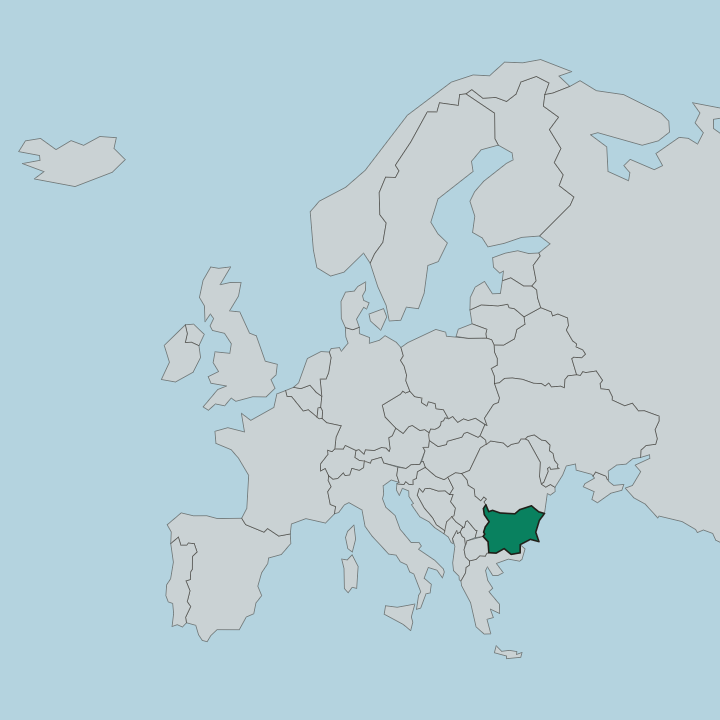
Plovdiv Province lies in south-central Bulgaria, 144 km south-east of the capital at Sofia, in the historic land of Thrace. Its floor is the Upper Thracian Plain, a wide alluvial basin laid down by the Maritsa and its tributaries the Stryama and the Pyasachnik. The plain is low.
Elevations across it run only a few hundred metres, and the black soil has been farmed for as long as the cities on it have stood. Mountains ring the plain on almost every side. The Rhodope Mountains rise steeply along the southern rim, their slopes climbing above the town of Asenovgrad toward peaks over a thousand metres.
To the north-west stand the softer heights of Sredna Gora, and beyond them, along the northern reach of the province, runs the great wall of Stara Planina, the Balkan range whose summit at Botev peak tops out at 2,376 metres. Between that ridge and the plain sit the sub-Balkan valleys, Karlovo among them. The Maritsa gathers all of it, flowing west to east straight through Plovdiv city and on toward the Aegean.
What is Plovdiv like?
Culture in this province is measured in millennia, and the capital carries most of it. Plovdiv held the title of European Capital of Culture in 2019, and the award only formalised what the streets already showed. The Roman theatre, still used for concerts, sits below cobbled lanes lined with the timbered mansions of the nineteenth-century Bulgarian National Revival.
Higher up, Nebet Tepe keeps the raw stone of the Thracian settlement that came first. Layers pile on layers here. The living culture runs alongside the old stone.
Kapana, once the tangle of craftsmen's workshops, now fills with galleries, ateliers and craft-beer bars, its streets still bearing the trade names of the smiths who once worked them. Bulgarian is the everyday language across the province. Beyond the city the rhythm turns rural and devout: the Bachkovo Monastery in the Rhodope foothills, second-largest in the country, guards one of Bulgaria's oldest iconostases and a miraculous icon of the Virgin.
North of the plain, Karlovo honours Vasil Levski, the revolutionary born there, and the Rose Valley around it still distils the attar that scents the region's reputation.
What is the history of Plovdiv?
The story begins on the hills. A Thracian settlement named Eumolpias crowned Nebet Tepe long before Philip II of Macedon took the site in 342 BC and refounded it as Philippopolis. Rome made the city a capital of the province of Thrace, and the theatre cut into the slope in the second century AD still stands from that age.
Ottoman rule followed the Byzantines and the medieval Bulgarian tsars, and the whole layered past sits beneath the National Revival town that crowns the modern province.
What is the climate of Plovdiv?
The plain runs hot. Sheltered from the sea by the Rhodope Mountains and the Balkan range, the Upper Thracian Plain has a continental climate whose summers are among the fiercest in Bulgaria, with July and August afternoons often climbing well past 30 degrees. Winters turn cold and grey over the same flat ground.
The mildest travel comes in the shoulder months, when May greens the Rose Valley and September leaves the vineyards warm but bearable. Up in the mountains it is always cooler.
How do you get to Plovdiv?
Most travellers come from Sofia. The A1 Trakia motorway runs straight across the plain from the capital to Plovdiv city in under two hours, and trains and coaches follow the same corridor east toward Istanbul. Plovdiv Airport sits a short drive east of the centre, though its schedule is thin.
From the city, first-class roads fan out to the province's edges: south to Asenovgrad and the Rhodope Mountains, north to Karlovo and the Balkan passes.
Common questions
What is the best area to stay in Plovdiv?
Plovdiv Old Town: sleeping inside the ancient core. Kapana: evenings among the city's studios and bars. Asenovgrad: the Rhodope edge and Bachkovo Monastery. Karlovo: the Rose Valley and Balkan trails.
Good for
More regions in Bulgaria
Updated September 2026