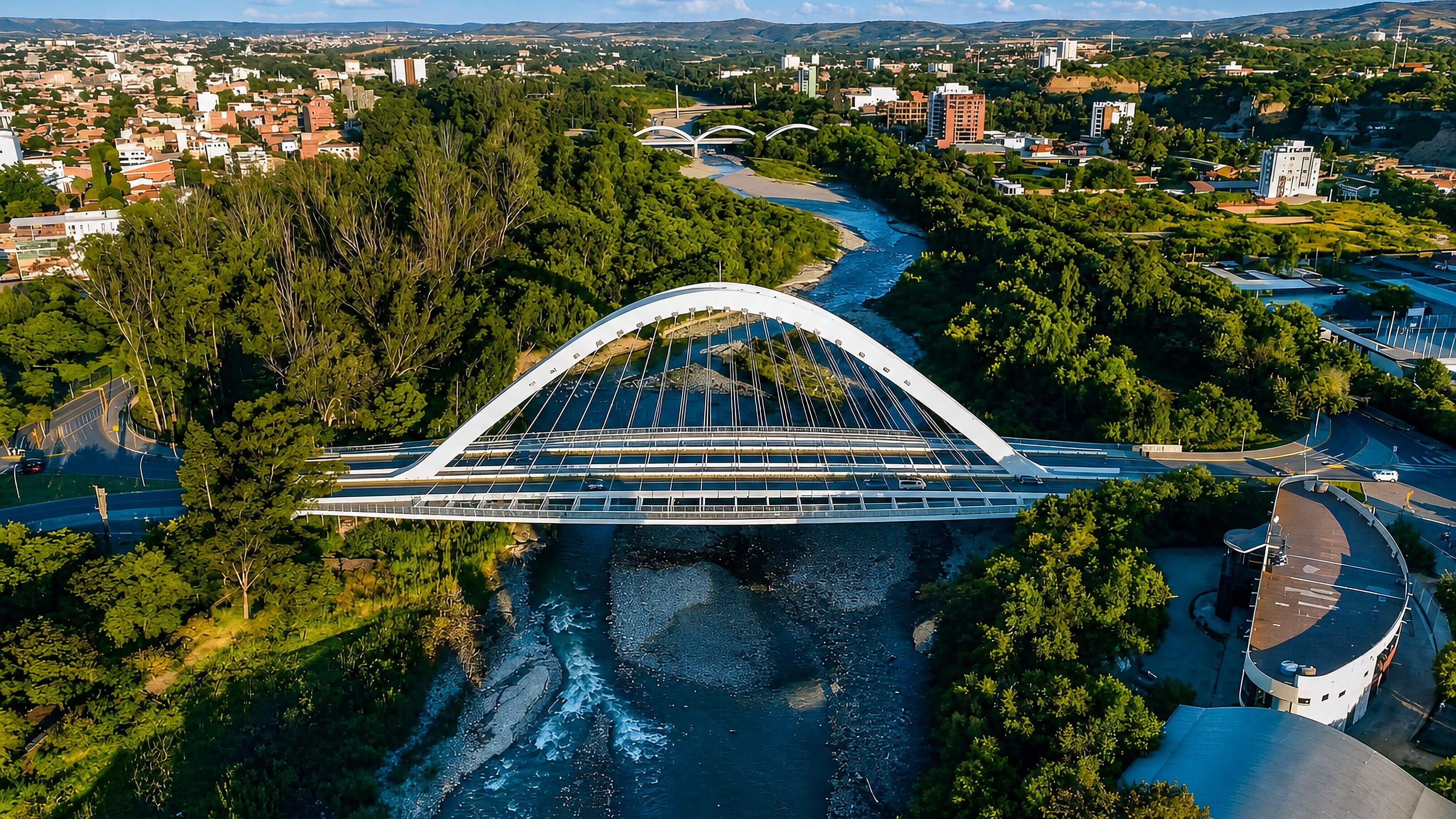
Bolivia · Departamento de Tarija
Where to Stay in Tarija, Departamento de Tarija
Tarija is a valley city of southern Bolivia, the country's wine capital, an easygoing town of vineyards and old mansions called the Andalusia of Bolivia.
Hotel links are affiliate links: booking through them may earn us a commission, at no extra cost to you. It never affects how places are ranked. How this works


Where to stay in Tarija
Where visitors usually base themselves, and why.
Where you stay in Tarija turns on the old town or the vineyards. The streets around the main square keep the cathedral, the Casa Dorada, and the plazas within a walk, and staying downtown suits anyone here for the town. The old mansions face the square.
Plazas fill with evening crowds. Out toward the valley and the vineyards, the town gives way to wine estates, orchards, and the dry hills. A room among the vines trades the streets for the wine cellars, the green vineyards, and the warm valley air.
Vines run in rows to the hills. Stay downtown for the plazas, or in the valley for the wine. The town is never far from the vines.
Find hotels in Tarija
Direct booking searches for these neighbourhoods.
The old town
Around the main square by the Casa DoradaFind hotels in The old townStays wanting the wine estates and valleyThe vineyards
Out among the vinesFind hotels in The vineyardsHotel links are affiliate links: booking through them may earn us a commission, at no extra cost to you. It never affects how places are ranked. How this works
About Tarija
Tarija is the wine city of the south.
What is Tarija known for?
In a warm green valley high in the Andes of southern Bolivia, it is the heart of the country's wine and singani, and it keeps some of the highest vineyards on earth in the fields around, the gilded Casa Dorada in its centre, a valley of vineyards and orchards along the Guadalquivir, and a warm easygoing air unlike the cold highlands. The vineyards fill the valley. The dry hills rise around.
What are the main landmarks in Tarija?
The Casa Dorada is the pride of Tarija. The ornate golden mansion of a rich merchant family, its facade bright with colour and crowned with statues, stands in the heart of the town, the emblem of the city, on its square. A cathedral rises nearby.
The old cathedral and the Blue Castle stand among the streets, while the vineyards, the wine cellars, and the fossil museum mark the country around Tarija.
What is the history of Tarija?
Tarija was a Spanish town of the southern frontier. A Spanish town rose here in the sixteenth century in a mild green valley, growing into a farming and wine-growing colony on the edge of the Spanish lands, its settlers planting vines brought from Spain. The vines took to the valley.
The warm basin proved good for the grape, and Tarija grew as a place of vineyards and orchards, a green corner of the dry south. Tarija went its own way. Far from the great mining cities of the highland, the town kept a character apart, its people the easygoing Chapacos with their own songs and ways, and it declared early for independence from Spain.
Wine stayed its craft. Through the years Tarija held to its vines and its valley, and it grew into the wine capital of Bolivia, its cellars and vineyards known across the land. The vineyards still fill the valley.
Tarija keeps its wine and its mansions in the southern hills.
Where is Tarija?
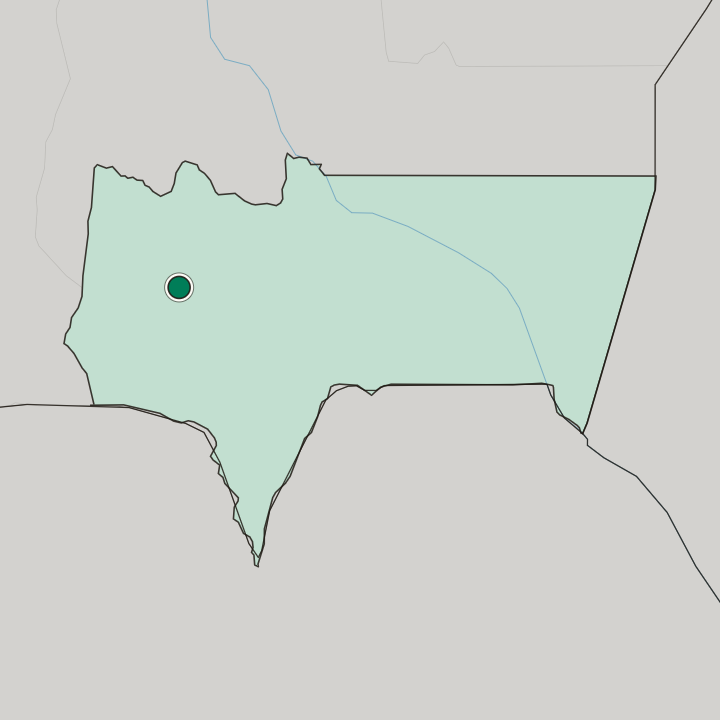
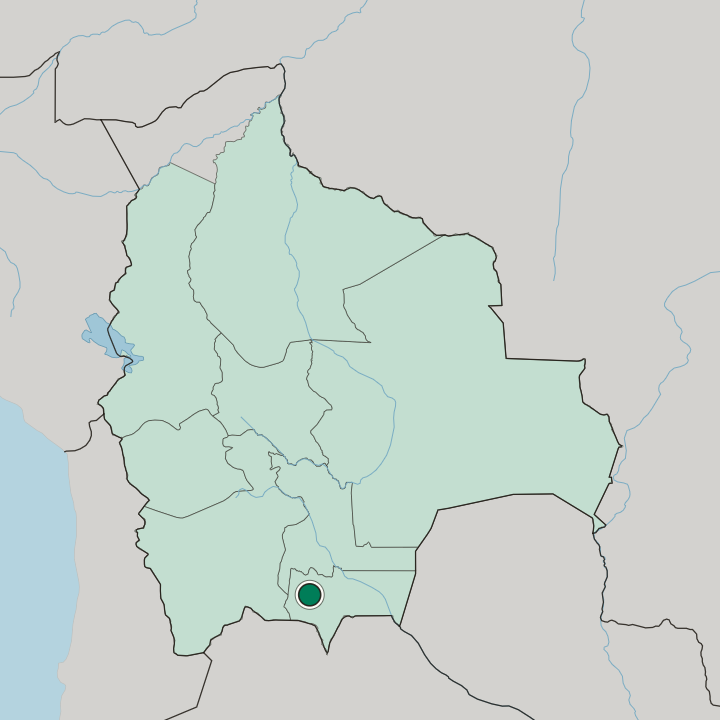
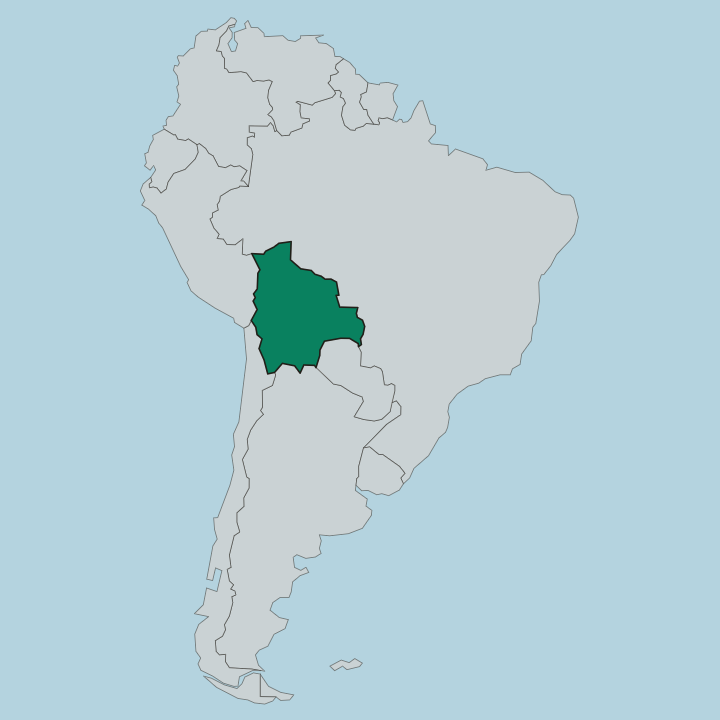
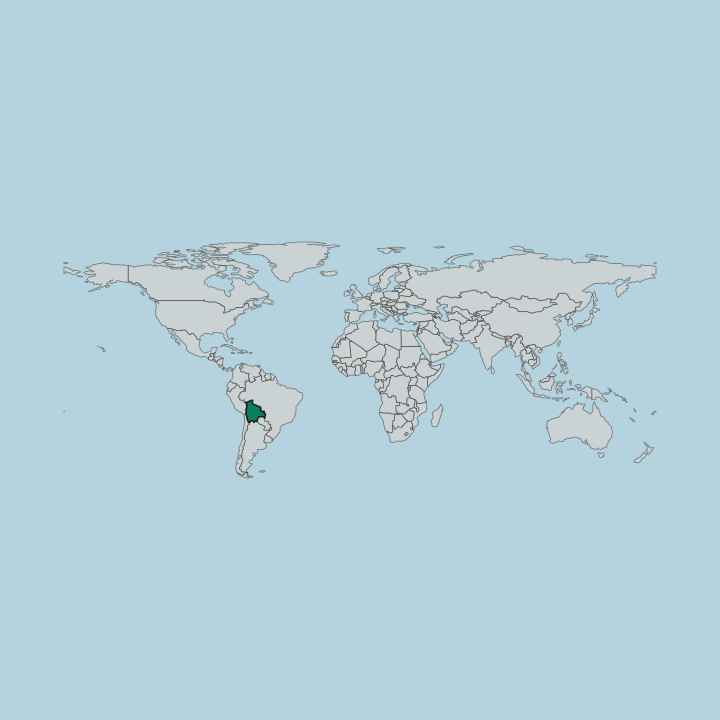
Tarija lies in the far south of Bolivia, in a broad valley of the Andes near the Argentine border. The city sits on the Guadalquivir river in a warm basin ringed by dry mountains, lower and milder than the high plateau to the west, with vineyards spreading over the valley floor. The dry ranges close the basin.
Orchards line the river banks.
What is the climate of Tarija?
Tarija has a mild, sunny valley climate. Warm days and cool nights hold much of the year in the sheltered basin, milder than the cold plateau, with a wet summer and a long dry, sunny winter. The sun warms the valley days.
Nights turn cool and clear.
How do you get to Tarija?
Tarija lies in the far south of Bolivia, on the road between the highland and Argentina. Buses run to it down the mountain roads from Potosí and up from the Argentine border, and an airport links it to the cities. Roads run out to the vineyards.
Potosí lies north over the ranges.
Common questions
What is the best area to stay in Tarija?
The old town: Visitors here for the cathedral and Casa Dorada. The vineyards: Stays wanting the wine estates and valley.
Good for
Updated September 2026