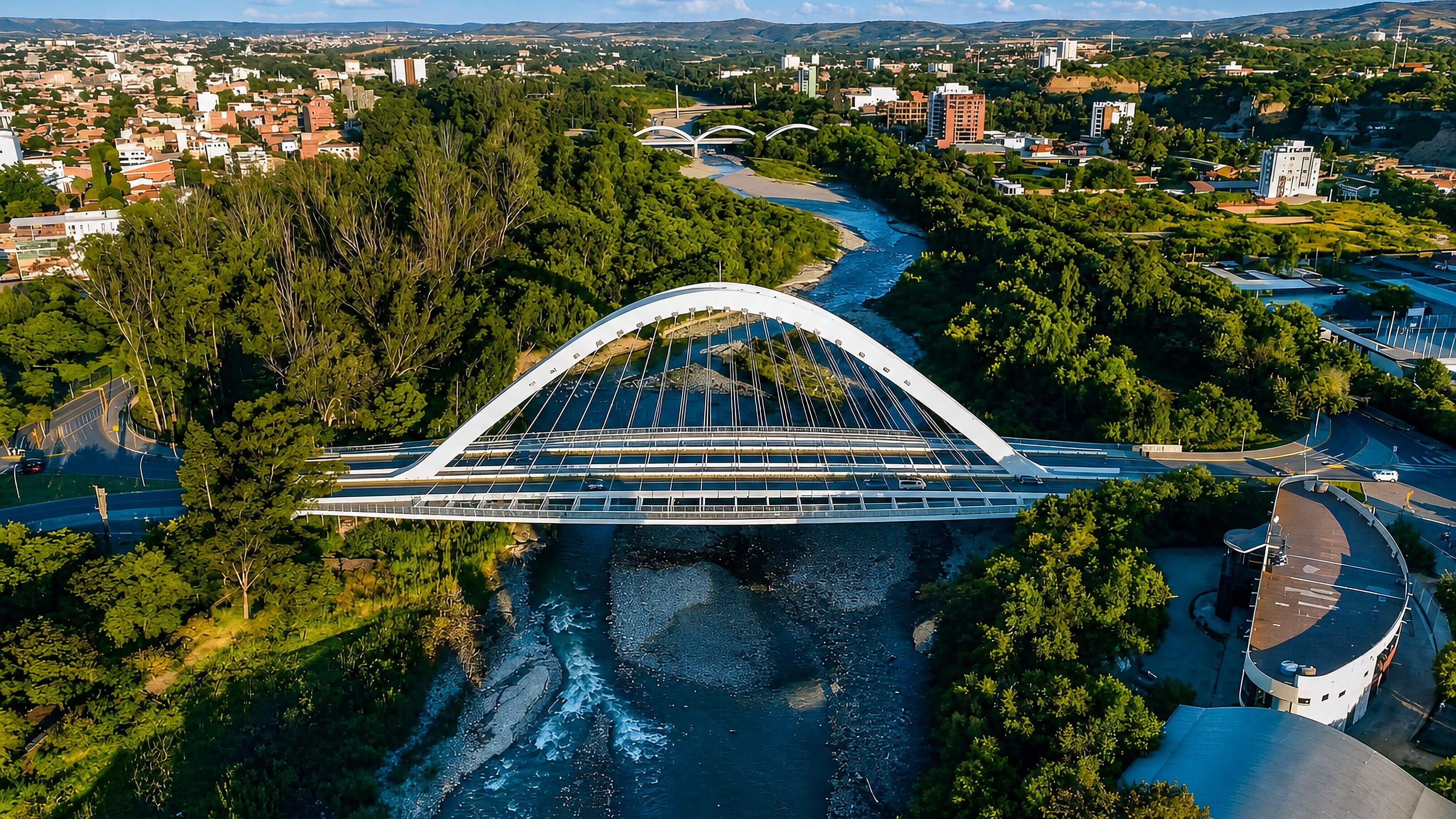
Bolivia
Departamento de Tarija, Bolivia — Towns & Travel Guide
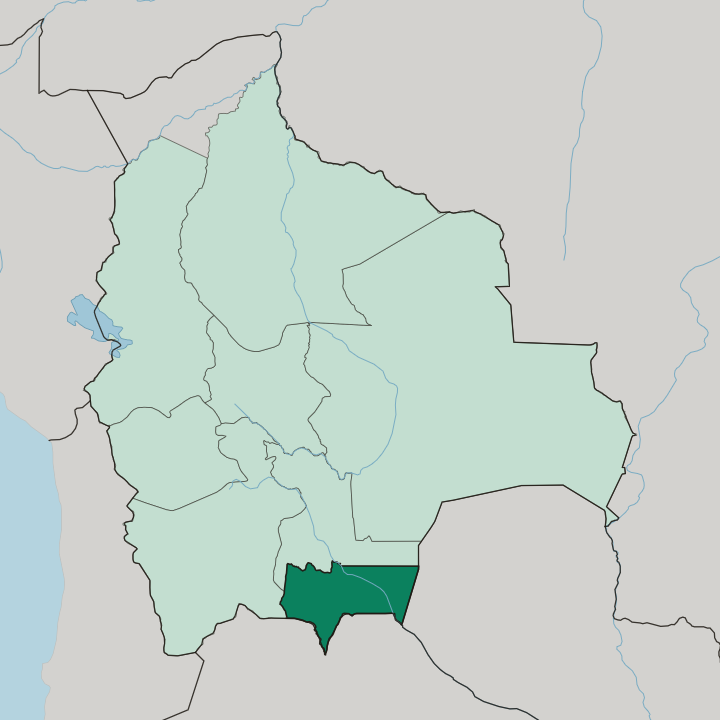
Tarija is a Bolivian department dating from 1574, bordering Argentina and Paraguay, its capital set in the broad Central Valley of Tarija.
Hotel links are affiliate links: booking through them may earn us a commission, at no extra cost to you. It never affects how places are ranked. How this works


Towns & cities in Departamento de Tarija
One town here has its own guide — it links to where to stay.

 Bolivia
Tarija
Tarija is a valley city of southern Bolivia, the country's wine capital, an easygoing town of vineyards and old mansions called the Andalusia of Bolivia.Where to stay →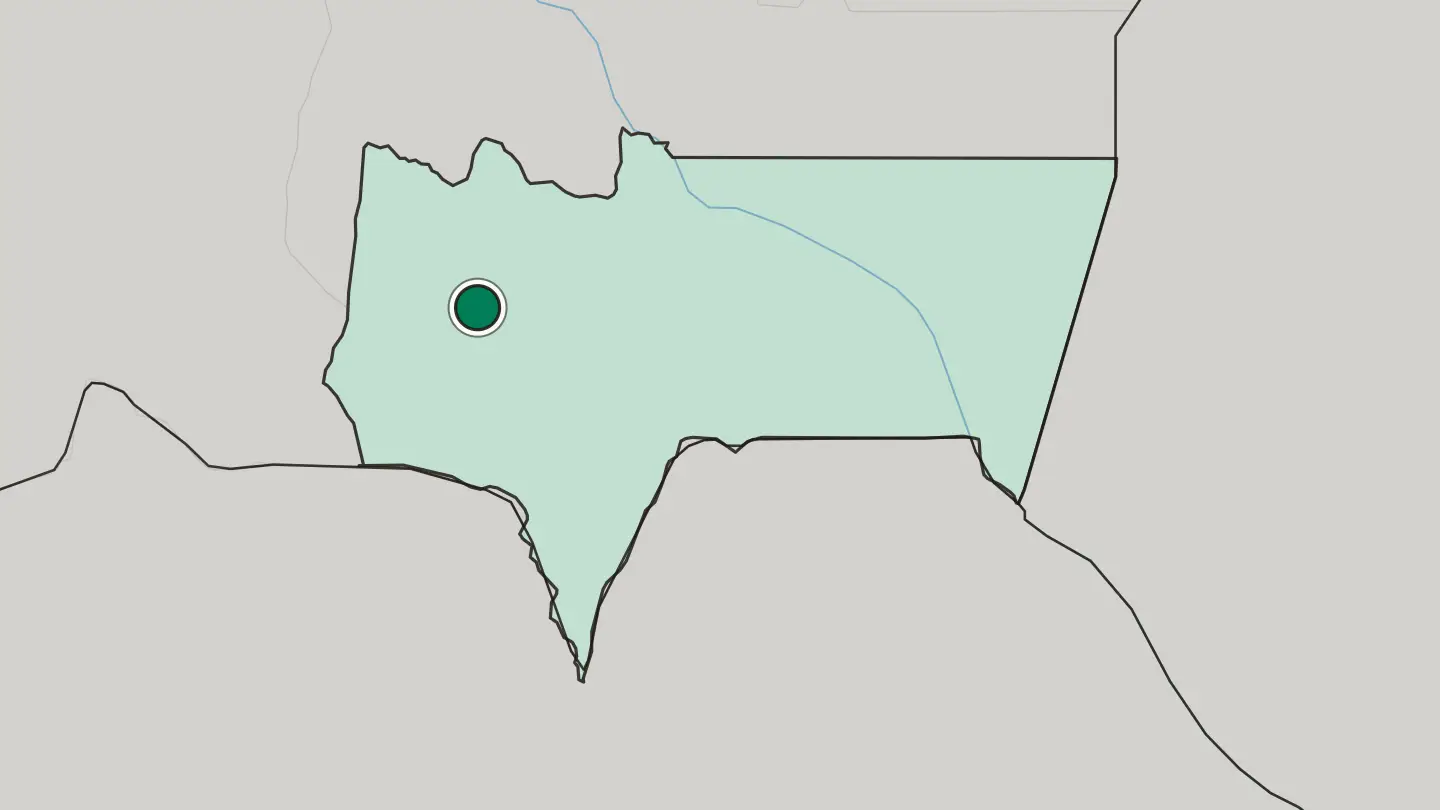
Hotel links are affiliate links: booking through them may earn us a commission, at no extra cost to you. It never affects how places are ranked. How this works
About Departamento de Tarija
Two borders shape the department.
What is Departamento de Tarija known for?
Tarija meets Argentina to the south and Paraguay to the east, which makes it a frontier department of Bolivia rather than an interior one, and that position is the first thing to know about it. Farmland holds the middle. The Central Valley of Tarija is a broad agricultural valley and the department's capital lies in it, so the working heart of the region sits on cultivated ground rather than on the wider Sub-Andean region around it.
Where is Departamento de Tarija?
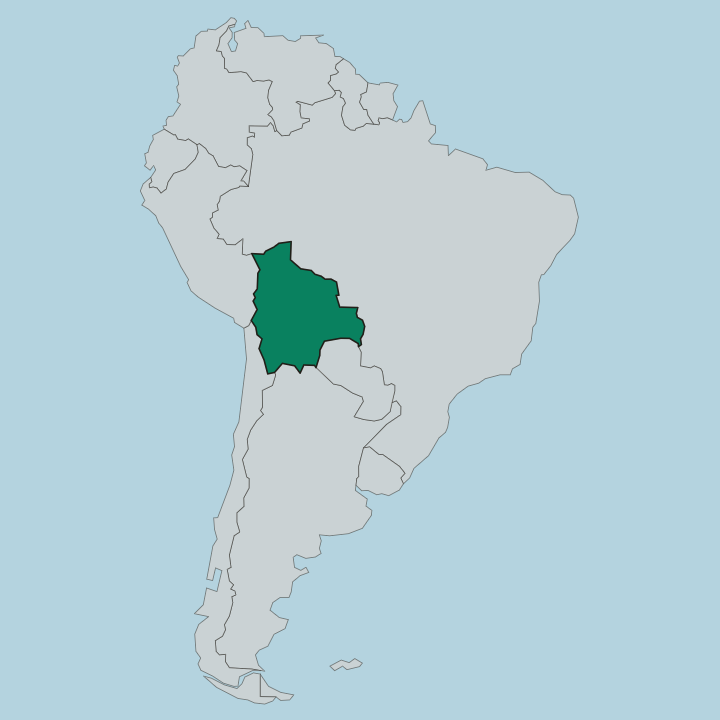
Borders do half the work. Tarija covers 37,623 square kilometres of the Sub-Andean region of Bolivia, and it meets Argentina to the south and Paraguay to the east, so two international lines rather than internal ones define much of its outline. The valley is the exception.
Within that Sub-Andean ground the Central Valley of Tarija opens out as a broad agricultural valley, and it accounts for only a small fraction of the department's surface while carrying its capital and its farming. Relief separates the two. A department in the Sub-Andean region is neither highland nor lowland in the simple sense, and Tarija's mix of valley floor and surrounding ground separates the cultivated part of the department from the rest.
The tropics apply on paper. Tarija falls in the tropical band south of the equator, but a Sub-Andean position means elevation matters as much as that band does in setting what the Central Valley of Tarija can grow. The capital takes the name.
The city of Tarija is the department's capital and the point from which the rest of these 37,623 square kilometres is reached, whether that means the valley or the Argentine and Paraguayan frontiers.
What is Departamento de Tarija like?
The date is 1574. Tarija's record begins in 1574, which is an early date for a department that sits against two international borders and still carries the same name as its capital. Spanish is the shared language.
Across the Sub-Andean region of Bolivia, Spanish is what the department works in, and the names of the Central Valley of Tarija and of the department itself both come through it. Neighbours are close here. Argentina lies to the south and Paraguay to the east, and a department with two international borders sits closer to outside contact than an inland one does, which is part of what distinguishes Tarija within Bolivia.
Agriculture organises the calendar. The Central Valley of Tarija is a broad agricultural valley, and where a capital is set among farmland the year takes a shape that a department without that ground would not share, since planting and harvest set the rhythm as much as any calendar does. One name serves two things.
Tarija is the department and Tarija is the city, and the Central Valley of Tarija carries the name a third time, so the word does a great deal of work in Bolivian speech.
What is the history of Departamento de Tarija?
The department dates from 1574. That founding gives it a line of record running back to the sixteenth century, and the Central Valley of Tarija is the ground its capital was set in. Valley and capital grew together.
A broad agricultural valley inside a Sub-Andean department of 37,623 square kilometres was always going to concentrate settlement, and the city of Tarija holds the departmental role because of where it sits rather than in spite of it.
What is the climate of Departamento de Tarija?
The valley moderates everything. Tarija sits in the tropical band south of the equator, but the Sub-Andean region's elevation takes the edge off that, and the Central Valley of Tarija is the part of the department where those conditions turn into farmland. Borders bring different air.
Ground running toward Argentina and Paraguay does not behave like the valley floor, so the Tarija Department carries more than one set of conditions inside a single name.
How do you get to Departamento de Tarija?
Two frontiers feed the department. Overland arrivals come either from within Bolivia or across the lines from Argentina to the south and Paraguay to the east, which gives Tarija more than one natural approach and makes it a plausible first or last stop in the country. The capital is the hinge.
Whatever direction the journey comes from, the city of Tarija in the Central Valley of Tarija is where the department's connections gather, and the rest of the Sub-Andean region is reached from there.
Common questions
What is the best area to stay in Departamento de Tarija?
Tarija city and the Central Valley: Stays built around the departmental capital and the agricultural valley it stands in. The Argentine and Paraguayan frontier: Overland travellers timing a crossing into Argentina or Paraguay.
More regions in Bolivia
Updated September 2026