Brazil · Pará
Where to Stay in Belém, Pará
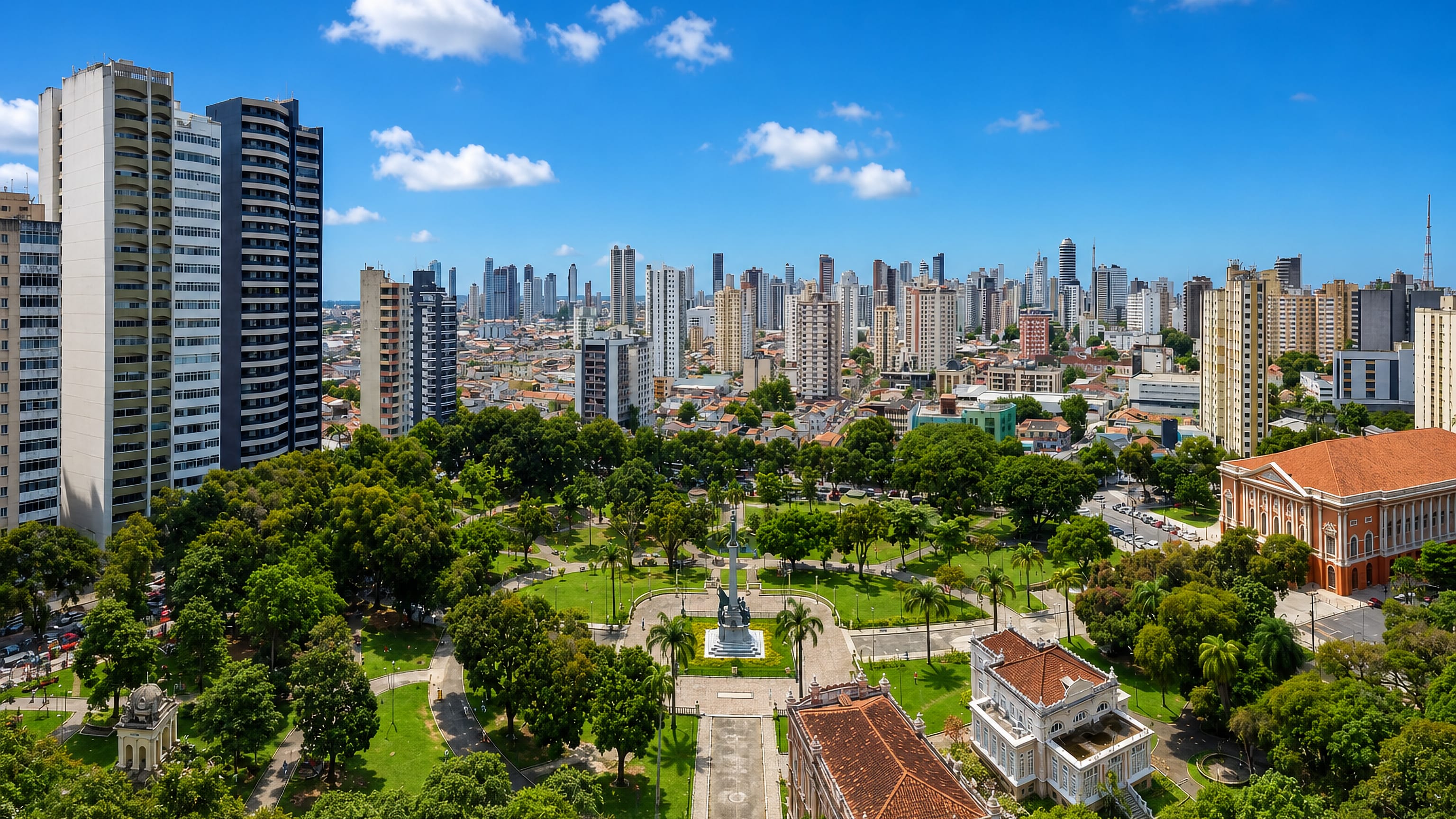
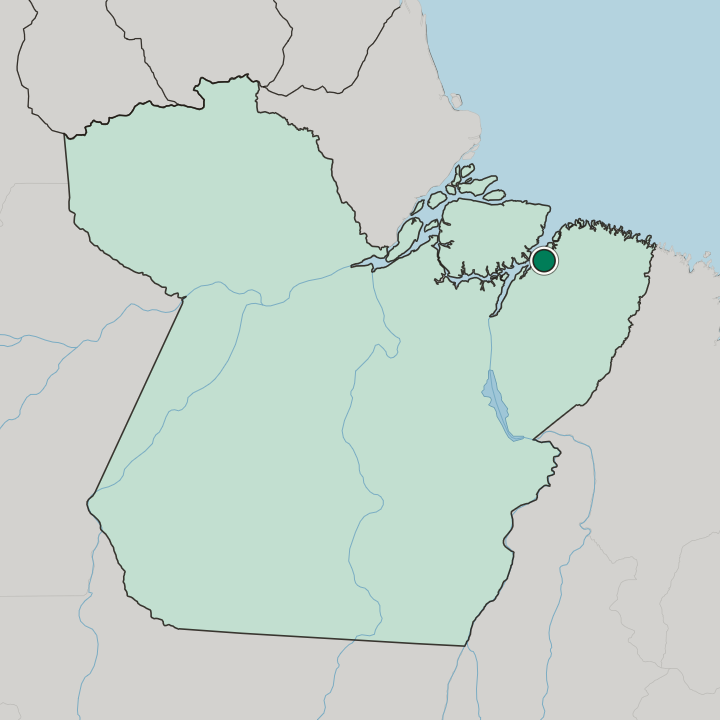
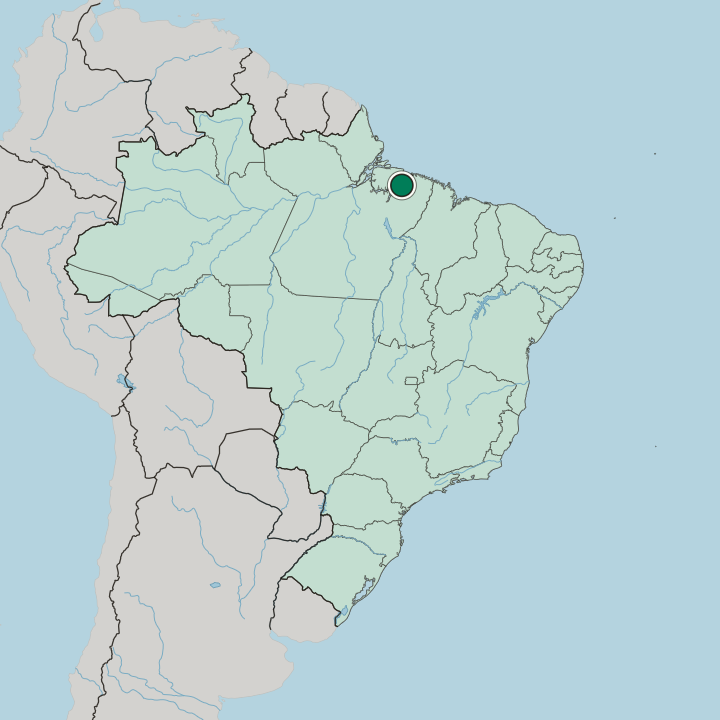
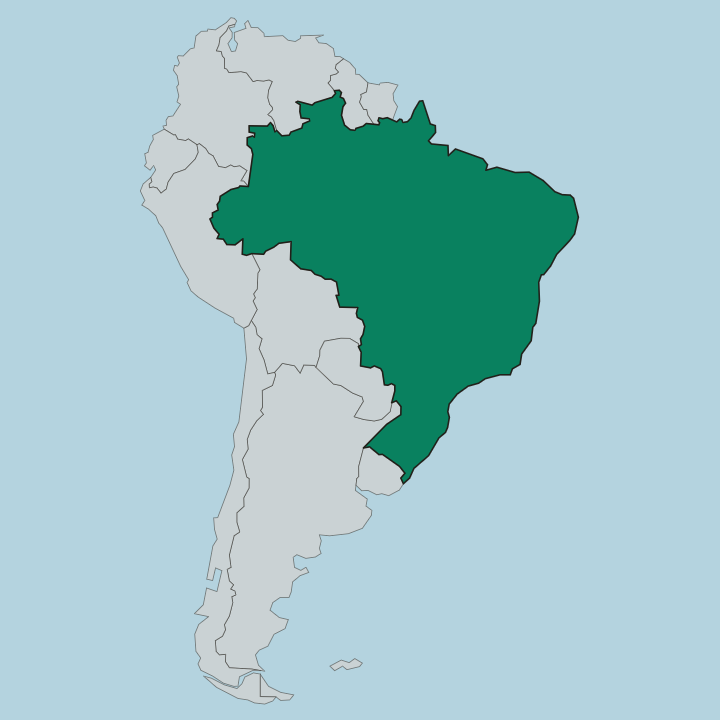
Belém is the capital of Pará, a port on the Pará River near the mouth of the Amazon in northern Brazil, founded in 1616.
Hotel links are affiliate links: booking through them may earn us a commission, at no extra cost to you. It never affects how places are ranked. How this works


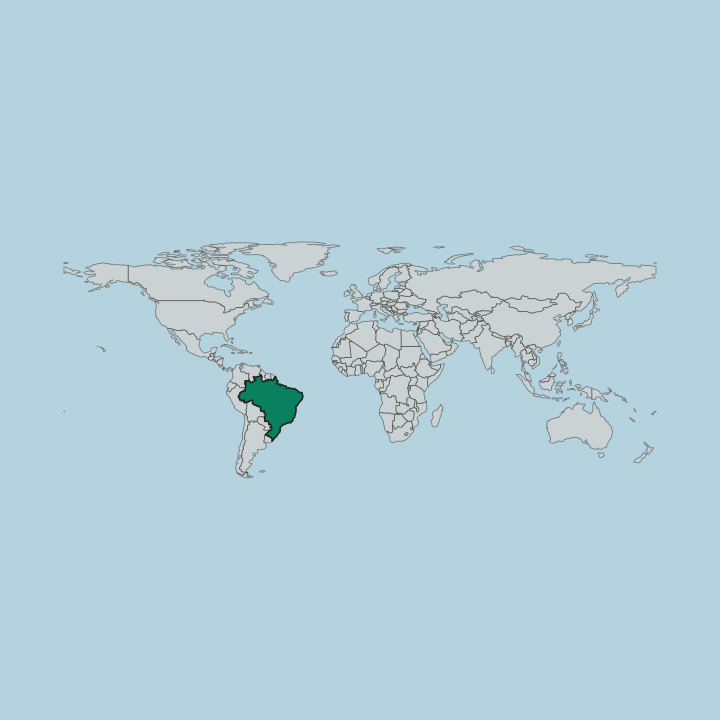
Where to stay in Belém
Not every neighbourhood fits every trip — here's what each one is good for.

 BelémBrazil
Cidade Velha
Cidade Velha is the oldest neighbourhood of Belém, grown from the settlement of Feliz Lusitânia and the fort raised at the Piry creek in 1616.Where to stay → BelémBrazil
Guamá
Guamá is a bairro on the Guamá River in the south of Belém, home to the main campus of the Federal University of Pará.Where to stay →Hotel links are affiliate links: booking through them may earn us a commission, at no extra cost to you. It never affects how places are ranked. How this works
Find hotels in Belém
Direct booking searches for these neighbourhoods.
The riverfront by the Museu do Forte do Presépio
The fort site, the Antônio Lemos Palace, and the port museum stand on one short stretch of bankFind hotels in The riverfront by the Museu do Forte do PresépioStays pairing the Museu Paraense Emílio Goeldi with the Gems museum of ParáAround the Basilica of Our Lady of Nazareth of Exile
Espaço São José Liberto and the Goeldi collections lie on the inland side of Belém, off the wharvesFind hotels in Around the Basilica of Our Lady of Nazareth of ExileRiverbank mornings on park ground instead of the colonial gridNear Mangal das Garças
Mangal das Garças keeps an open stretch of the Pará River bank inside the city. Beds are limited here, so book early.Find hotels in Near Mangal das GarçasHotel links are affiliate links: booking through them may earn us a commission, at no extra cost to you. It never affects how places are ranked. How this works
Things to do in Belém
Ranked by global recognition; descriptions from Wikidata (CC0).
Museums & Galleries
3- Gems museum of Pará Heritage
- Museu Paraense Emílio Goeldi
- Art Museum of Belém
Churches & Religious Sites
8- Basilica of Our Lady of Nazareth of Exile Heritage
- Church and Former College of Saint Alexander Heritage
- Espaço São José Liberto Heritage
- Church of Our Lady of Mercy Heritage
- Church Our Lady of Mount Carmel Heritage
Show 3 more →
- Church of Our Lady of the Rosary of the Black People Heritage
- Church of Saint John the Baptist Heritage
- Church of Saint Anne Heritage
Castles & Historic Sites
2- Palácio Lauro Sodré Heritage
- Antônio Lemos Palace Heritage
Nature & Outdoors
2- Parque Zoobotânico do Museu Paraense Emílio Goeldi Heritage
- Mangal das Garças
Landmarks & Notable Places
1- Solar do Barão de Guajará Heritage
worth knowingacross 5 categories in Belém
About Belém
The Amazon system sets the terms here.
What is Belém known for?
Belém works a port roughly 100 km upriver from the Atlantic Ocean, on the Pará River rather than on the main channel, with Ilha de Marajó standing between the city and the larger part of the delta. Science has a long footing too. The Museu Paraense Emílio Goeldi and its Parque Zoobotânico keep Amazonian collections, while the Basilica of Our Lady of Nazareth of Exile and the Museu de Arte Sacra do Pará carry the religious side.
What are the main landmarks in Belém?
Palaces stand out from the church count. The Palace of the Eleven Windows, Palácio Lauro Sodré, and the Antônio Lemos Palace carry the official architecture, and Solar do Barão de Guajará keeps a private house in the same register. Museums are thick on the ground.
The State Historical Museum of Pará, the Art Museum of Belém, and the Universidade Federal do Pará museum sit within the older streets, while the Amazon Navigation Memorial and Capela do Senhor dos Passos mark smaller stops.
What is the history of Belém?
The founding year is 1616, at a fort on the Pará River whose site the Museu do Forte do Presépio still occupies. Church building followed. The Church and Former College of Saint Alexander, Convento dos Mercedários, and the church of Our Lady of Mount Carmel all belong to the long colonial stretch, and the Church of Our Lady of the Rosary of the Black People names a distinct congregation within the same town.
Palaces mark the rise of a provincial capital. Palácio Lauro Sodré and the Antônio Lemos Palace gave Pará its government rooms, while the Palace of the Eleven Windows and Solar do Barão de Guajará show what private and official money built beside the water. The port did the paying.
Belém Port Museum and the Amazon Navigation Memorial both record the river traffic that gave the settlement its reason to grow this far up the delta, roughly 100 km from the Atlantic Ocean. Science and craft arrived later. The Museu Paraense Emílio Goeldi turned Amazonian natural history into a permanent institution, the State Historical Museum of Pará and the Museu de Arte Sacra do Pará took charge of the state's own record, and Espaço São José Liberto with the Gems museum of Pará put the stone trade on display.
Where is Belém?
Belém stands about 100 km upriver from the Atlantic Ocean, on the Pará River, in northern Brazil. Ilha de Marajó separates the city from the larger part of the Amazon delta, so the water in front of the wharves belongs to the greater Amazon River system without being the main channel. The ground is flat and low.
Mangal das Garças holds a piece of that riverbank inside the city.
What is the climate of Belém?
Rain is the Amazon's contribution here. Moist air off the Atlantic Ocean and the delta gives Belém frequent heavy downpours rather than a dry season worth the name, and the heat holds close to the same level from one month to the next. Humidity never lets up.
The Pará River and the surrounding lowland keep the air wet enough that shade and water shape how the city is used.
How do you get to Belém?
Three ways in serve Pará's capital: the port on the Pará River, the airport, and the bus and coach station that carries the overland traffic. The river route is the oldest. Vessels come up roughly 100 km from the Atlantic Ocean, or down the Pará River from the Amazon system that lies beyond Ilha de Marajó, which explains why the wharves and the old centre sit on the same stretch of bank.
Common questions
What is the best area to stay in Belém?
The riverfront by the Museu do Forte do Presépio: Foot days that take in the Palace of the Eleven Windows and the Belém Port Museum. Around the Basilica of Our Lady of Nazareth of Exile: Stays pairing the Museu Paraense Emílio Goeldi with the Gems museum of Pará. Near Mangal das Garças: Riverbank mornings on park ground instead of the colonial grid.
Good for
Updated October 2026