Brazil · Piauí
Where to Stay in Teresina, Piauí
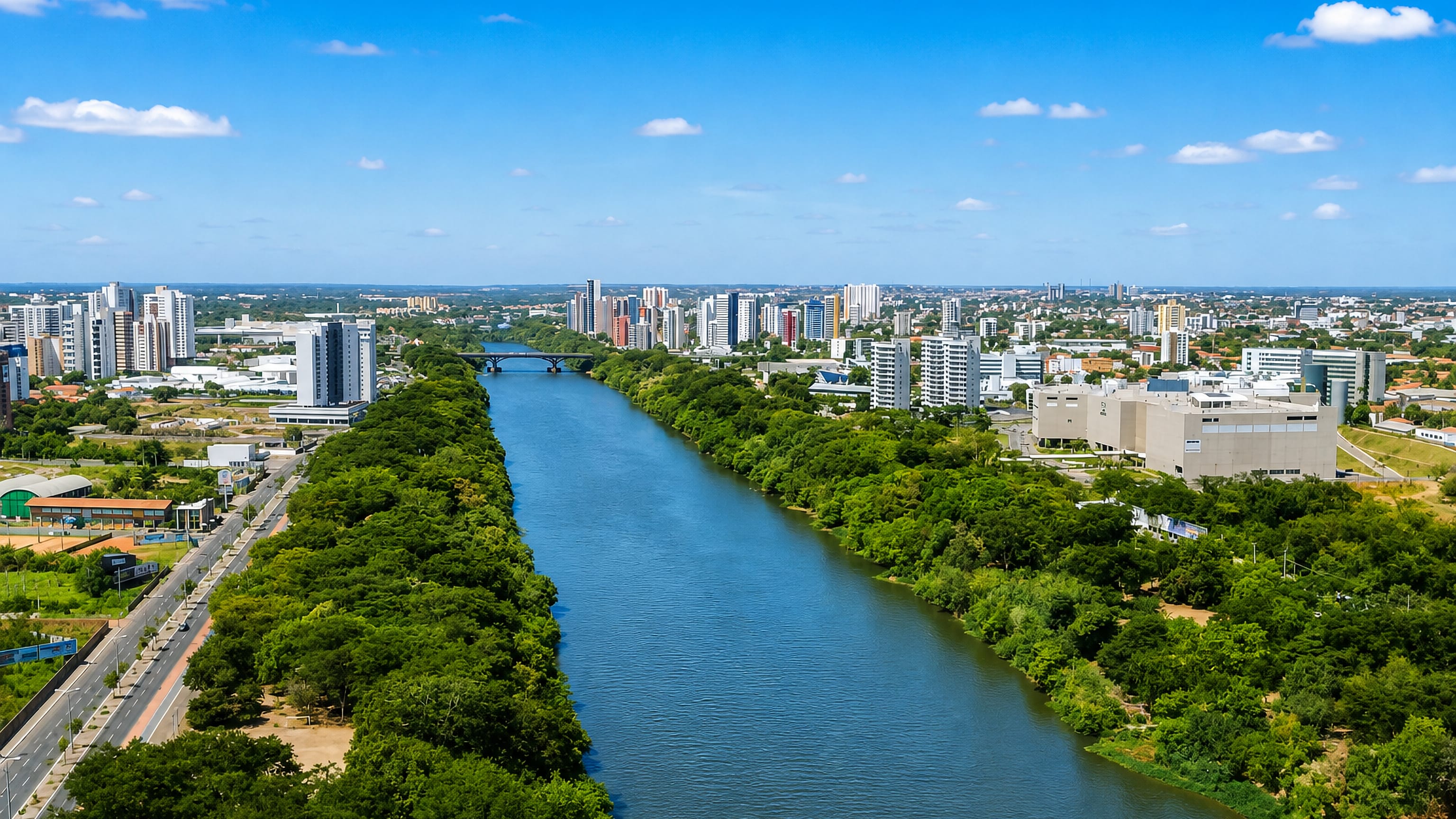
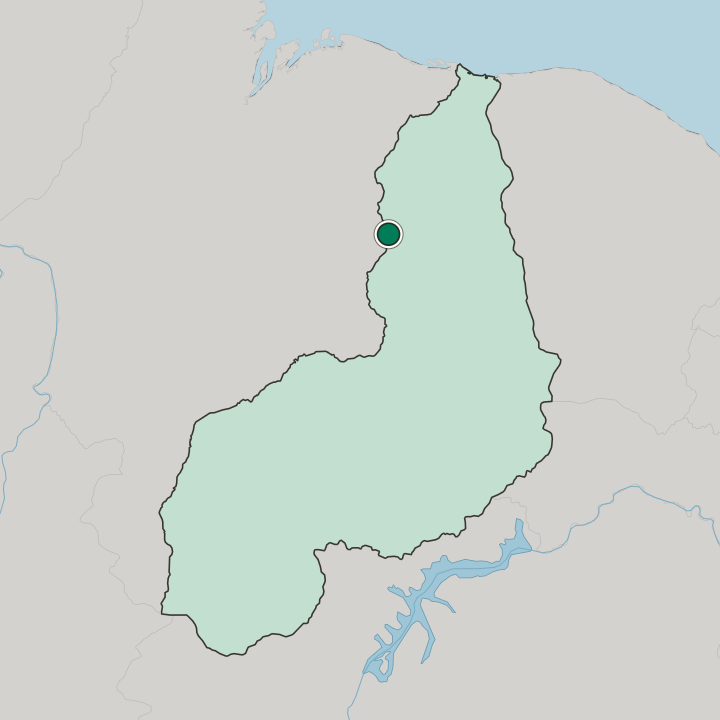
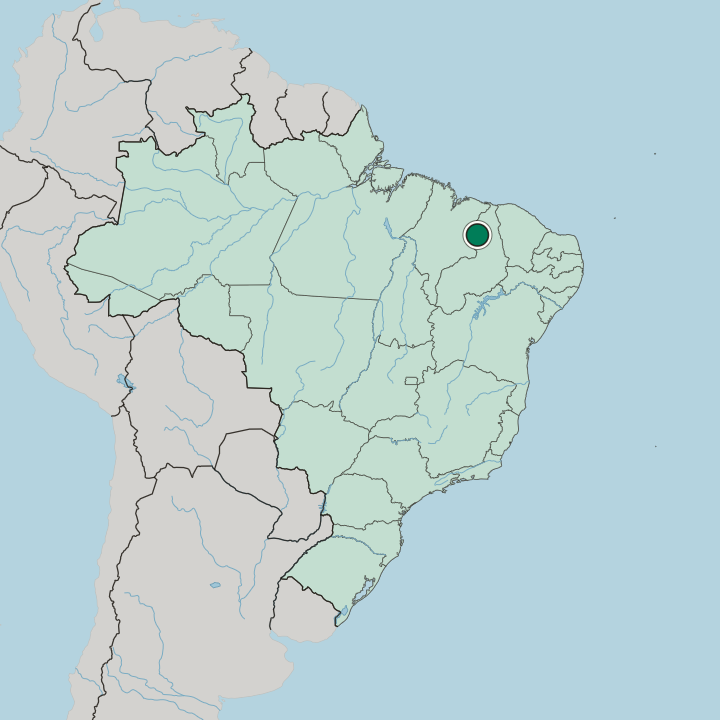
Teresina is the capital of Piauí, an inland city on the ground between the Parnaíba and Poti rivers, a long way from the Atlantic.
Hotel links are affiliate links: booking through them may earn us a commission, at no extra cost to you. It never affects how places are ranked. How this works


Where to stay in Teresina
Where visitors usually base themselves, and why.
The Marco Zero de Teresina marks the middle of the old grid, and the beds around it put the Museu do Piauí, the Casa do Barão de Gurguéia, and the Igreja de Nossa Senhora do Amparo inside a walkable square of streets. Streets run straight here. Anyone whose reason for coming is the health institutions will want this ground rather than the outskirts, because the hospitals and the museums share much the same central address book.
Shade matters more than views. The riverbanks give a second option, and it is a very different one. The Parnaíba is the boundary with Timon, across in Maranhão, so a hotel on that flank of the city is a hotel within sight of another state.
Water cools the evenings. Rooms near the Poti sit further from the museums but closer to open ground, which suits you if the point of the stay is a base for driving out into Piauí rather than a week of walking. Sport pulls a third cluster out from the centre.
Estádio Lindolfo Monteiro and the Centro de Treinamento da CBBd both stand away from the historic streets, and beds near them trade the Museu da Casa da Cultura de Teresina for parking and quiet. Nowhere in the city is remote. Teresina spreads wide but flat, so even an outer address reaches the Igreja de São Benedito or the Memorial Esperança Garcia in a short drive.
Find hotels in Teresina
Direct booking searches for these neighbourhoods.
The Marco Zero grid
The Marco Zero de Teresina, the Casa do Barão de Gurguéia, and the Igreja de Nossa Senhora do Amparo fall inside one square of streetsFind hotels in The Marco Zero gridRiver evenings with Timon in sight across the waterThe Parnaíba bank facing Timon
The Parnaíba is the only natural barrier between Teresina and Timon in Maranhão. Rooms are few around here — worth securing early.Find hotels in The Parnaíba bank facing TimonMatch nights and easy parking out from the old gridThe Estádio Lindolfo Monteiro side
Estádio Lindolfo Monteiro and the Centro de Treinamento da CBBd stand well clear of the historic streets. Few places to stay nearby — book ahead.Find hotels in The Estádio Lindolfo Monteiro sideHotel links are affiliate links: booking through them may earn us a commission, at no extra cost to you. It never affects how places are ranked. How this works
Things to do in Teresina
Ranked by global recognition; descriptions from Wikidata (CC0).
Museums & Galleries
3- Memorial Esperança Garcia
- Museu Dom Avelar Brandão Vilela
- Museu de Arqueologia e Paleontologia da Universidade Federal do Piauí
Churches & Religious Sites
3- Igreja de São Benedito Heritage
- Igreja Nossa Senhora de Lourdes Heritage
- Igreja de Nossa Senhora do Amparo (Teresina)
Castles & Historic Sites
1- Marco Zero de Teresina
Stadiums & Sports
2- Estádio Lindolfo Monteiro
- Centro de Treinamento da CBBd
Landmarks & Notable Places
2- Casa da Dona Carlotinha Heritage
- Casa do Barão de Gurguéia Heritage
worth knowingacross 5 categories in Teresina
About Teresina
Heat and hospitals define the reputation.
What is Teresina known for?
Teresina counts among the hottest cities in Brazil and serves as a centre for hospitals and health institutions that draw people in from across Piauí and beyond. The rivers do the rest. The Parnaíba and the Poti run either side of the built-up ground, and the Marco Zero de Teresina marks the zero point from which the city's plan was set out.
What are the main landmarks in Teresina?
Museums carry most of it. The Museu do Piauí, the Museu da Casa da Cultura de Teresina, and the Museu Dom Avelar Brandão Vilela make one strand; the Museu da Imagem e do Som de Teresina poeta Torquato Neto and the Museu da Polícia Militar do Piauí Tenente Coronel Luiz Santos make another. Churches hold three names: Igreja de São Benedito, Igreja de Nossa Senhora do Amparo, and Igreja Nossa Senhora de Lourdes.
The Memorial Esperança Garcia stands alone. So does the Marco Zero de Teresina.
What is the history of Teresina?
Two rivers set the site before anything was built on it. Teresina occupies the ground between the Parnaíba and the Poti, and 1852 is the year the municipality dates from, which makes it younger than most of the capitals strung along the coast. The Marco Zero de Teresina fixes the origin.
Streets were measured out from that stone. Old houses record who held the money in the young capital, and the Casa do Barão de Gurguéia and the Casa da Dona Carlotinha both survive with the names of their occupants attached rather than a function. Faith built alongside them.
Igreja de São Benedito, Igreja de Nossa Senhora do Amparo, and Igreja Nossa Senhora de Lourdes each belong to a different phase of that same expansion. Other memory came later. The Memorial Esperança Garcia puts one more name into the public record.
Teresina grew inland while Parnaíba kept the coast, and the distance to the Atlantic, a few hundred kilometres of Piauí, leaves it the rare state capital with no ocean shore at all. Timon sits opposite. The Parnaíba is the only natural barrier between the two, and the conurbation they form crosses into Maranhão with nothing but the river to mark the change.
Museums came with the growth. The Museu do Piauí, the Museu da Casa da Cultura de Teresina, and the Museu de Arqueologia e Paleontologia da Universidade Federal do Piauí hold the record between them.
Where is Teresina?
Teresina occupies the ground between the Parnaíba and the Poti. The Parnaíba is the larger of the two and doubles as the state line, so one edge of the city is also the edge of Piauí, with Timon and Maranhão immediately across. Two rivers, one state line.
The Atlantic lies a few hundred kilometres off, which puts this capital further from the sea than any other in its part of the country.
What is the climate of Teresina?
Distance from the Atlantic is what makes Teresina hot. No sea breeze reaches this far inland, and the city counts among the hottest in Brazil precisely because a few hundred kilometres of Piauí stand between it and the coast. The rivers help a little.
Air over the Parnaíba and the Poti softens the evenings near the banks, though nothing in the built-up grid escapes the middle of a tropical afternoon.
How do you get to Teresina?
Roads carry everything here, since the capital sits far from any coastline. Approaches from Parnaíba and the shore run several hundred kilometres inland across Piauí, while the arrival from Timon needs only the crossing over the Parnaíba. The Poti marks the other flank.
Teresina works as the hub for the whole state, which is why its hospitals draw patients from towns with no clinic of their own.
Common questions
What is the best area to stay in Teresina?
The Marco Zero grid: Hospital appointments and the Museu do Piauí inside one walk. The Parnaíba bank facing Timon: River evenings with Timon in sight across the water. The Estádio Lindolfo Monteiro side: Match nights and easy parking out from the old grid.
Good for
Another city in Piauí
Updated October 2026