Brazil
Piauí, Brazil — Towns & Travel Guide
Piauí is a state in Brazil's Northeast, running from a short Atlantic coast and the Parnaíba Delta to the rock-art canyons of Serra da Capivara.
Hotel links are affiliate links: booking through them may earn us a commission, at no extra cost to you. It never affects how places are ranked. How this works


Towns & cities in Piauí
Pick a town or city — each links to where to stay.

 Brazil
Teresina
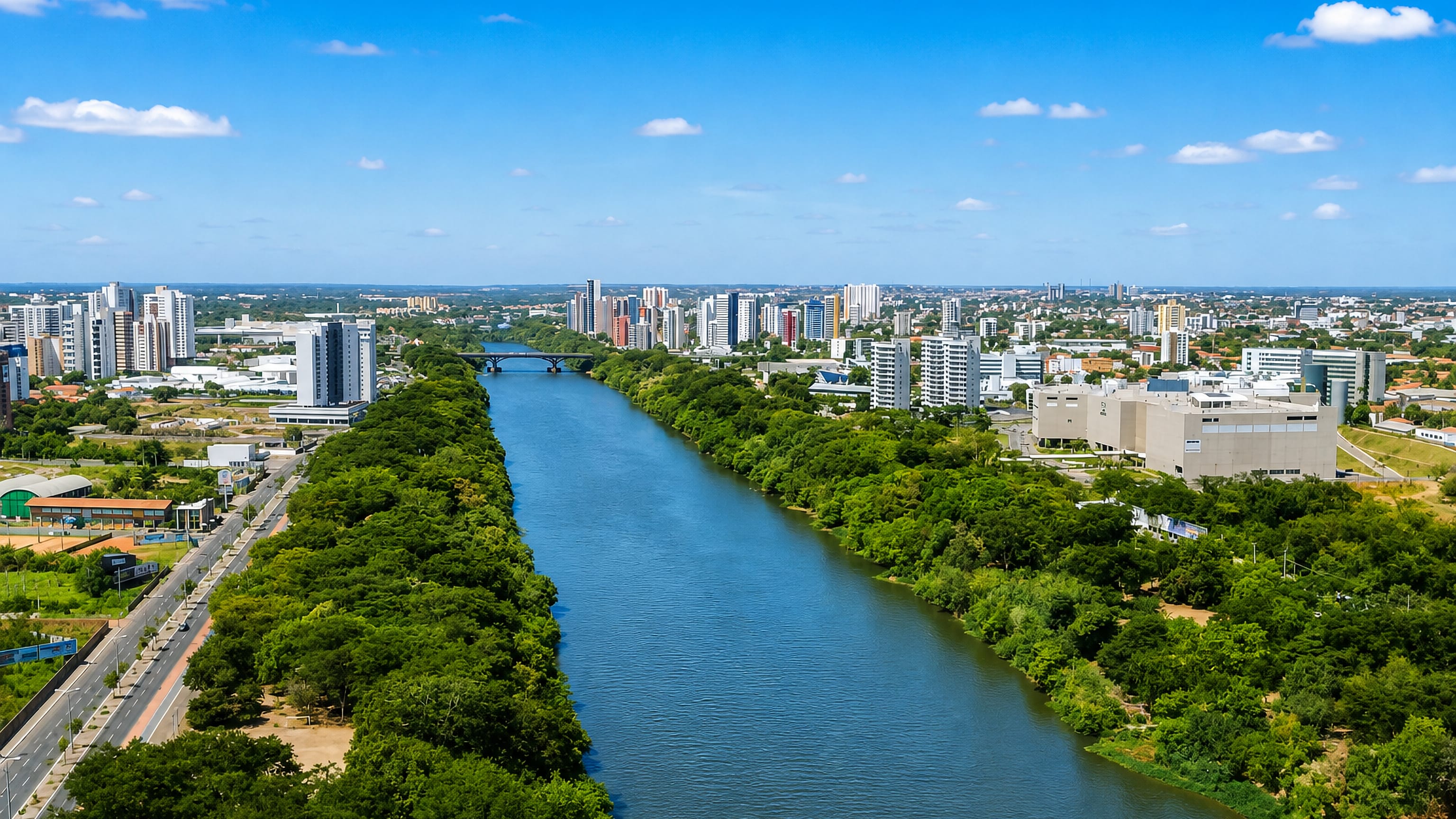
Teresina is the capital of Piauí, an inland city on the ground between the Parnaíba and Poti rivers, a long way from the Atlantic.Where to stay →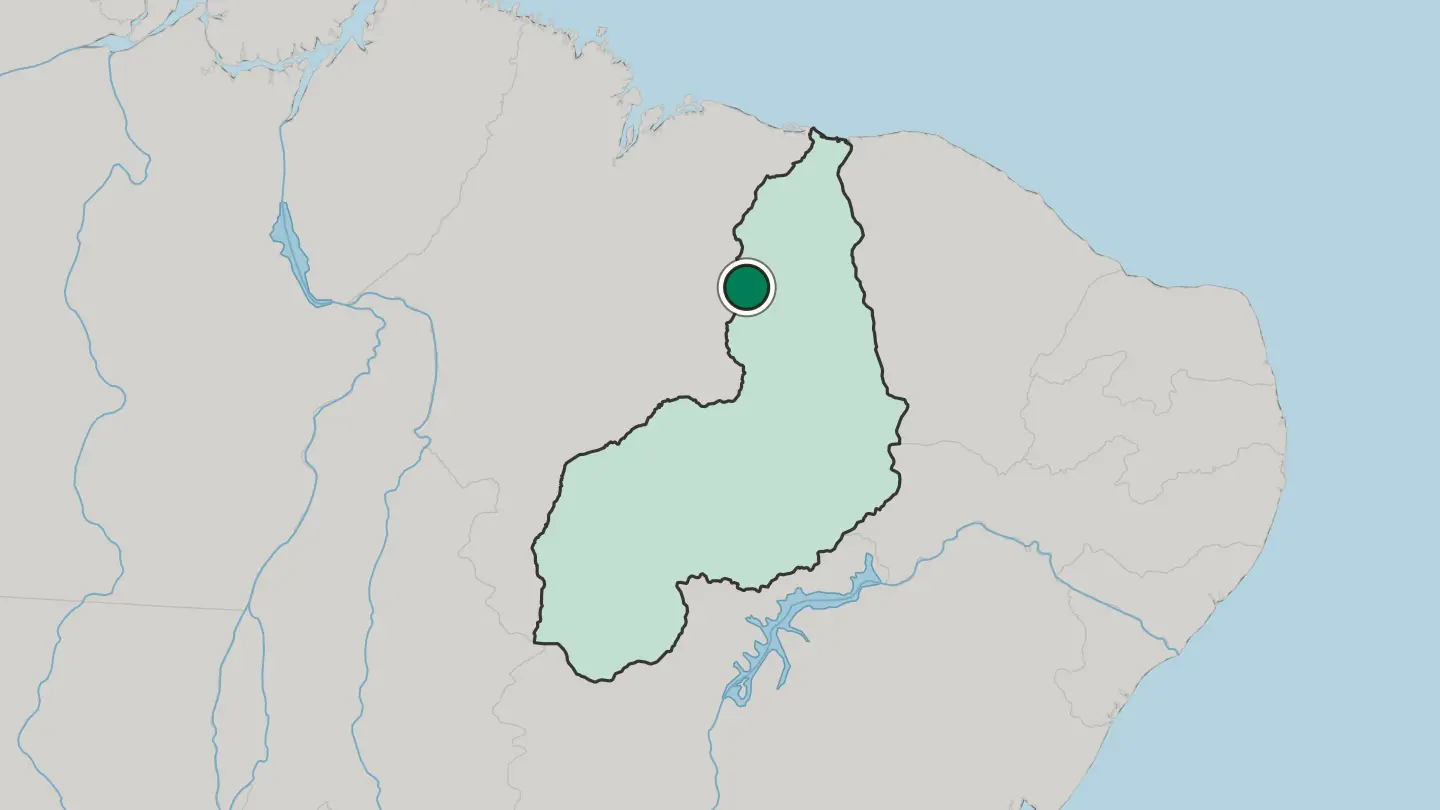
 Brazil
Parnaíba
Parnaíba is the second city of Piauí, a delta port on the state's short coast, with Porto das Barcas and an old railway quarter at its centre.Where to stay →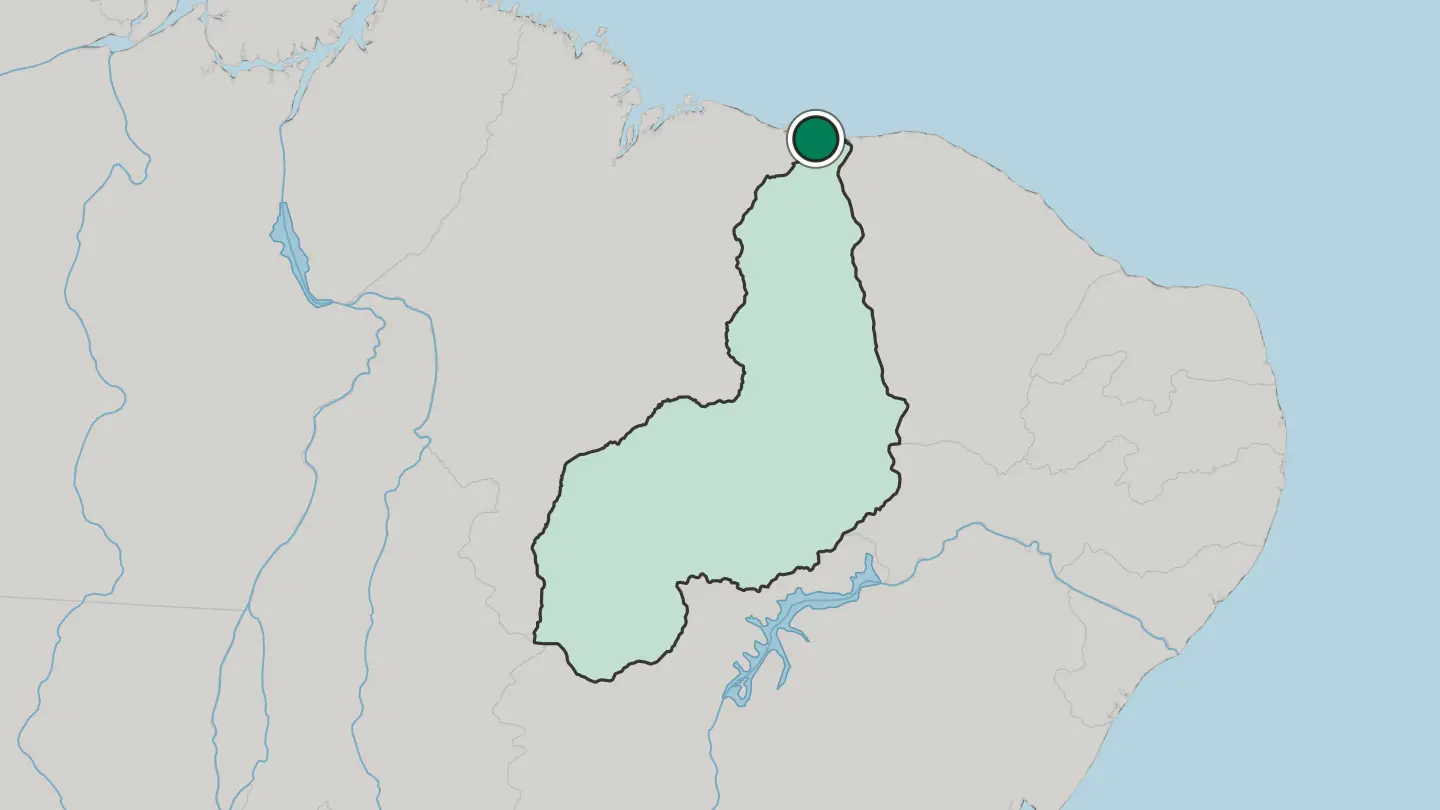
Hotel links are affiliate links: booking through them may earn us a commission, at no extra cost to you. It never affects how places are ranked. How this works
About Piauí
Piauí is the archaeology state.
What is Piauí known for?
Serra da Capivara, a national park in its dry southern interior, holds the densest concentration of prehistoric rock paintings in the Americas, and its cliffs and painted shelters draw travellers to São Raimundo Nonato. The north turns to water. There the Parnaíba River fans into a delta of dunes, mangroves and river islands before reaching the Atlantic.
Teresina, the capital, sits well inland at the confluence of the Parnaíba and the Poti.
Where is Piauí?
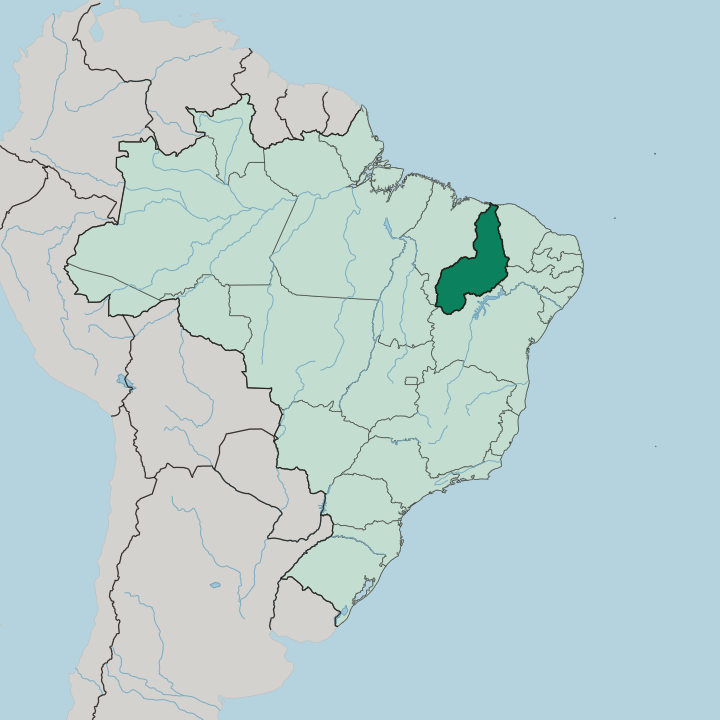
Piauí lies in the Northeast of Brazil, a long, narrow state tilted between the dry interior and the sea. Its coast is tiny. Just 66 km of shoreline touch the Atlantic, the shortest stretch of any coastal state in Brazil. Maranhão lies to the west across the Parnaíba River, which traces almost the entire western boundary of the state before reaching the ocean. Ceará and Pernambuco border it to the east, Bahia to the south, and Tocantins to the south-west.
The Parnaíba is its spine. Rising in the Serra da Tabatinga in the far south, it runs north the length of the state and empties through a delta of sandbanks, dunes and low river islands. Teresina, the capital, stands well inland where the Poti flows into the Parnaíba, the one Northeastern capital that never sees the sea.
Southward the land lifts into dry plateaus scored by the flat-topped ridges people here call chapadas. Down in that arid south, near São Raimundo Nonato, the painted shelters of Serra da Capivara break the pale rock of the canyons. The deep south fades into cerrado.
One river gathers nearly all of it.
What is Piauí like?
Piauí grew up on cattle, and the herding frontier still marks its character. The state was opened by ranchers driving cattle inland from Bahia, and the figure of the vaqueiro, the leather-clad cowboy, runs through its folklore. That heritage surfaces in the vaquejada, a rodeo where riders chase down a bull, and in the farinhadas, the communal gatherings that turn cassava into flour.
Food carries the same backcountry roots. Carne de sol, beef salted and dried in the sun, is a specialty of Campo Maior; cabeça de galo, a broth thickened with cassava meal and set with a poached egg, is everyday comfort. Baião de dois pairs rice with beans and curd cheese.
Much of the palate traces back to the region's Indigenous cooks, who worked in corn, cassava and native peppers long before Portuguese and African hands reshaped it. June is the loud month. The festas juninas light bonfires for São João across the interior, and bumba meu boi, the dancing bull-play the Northeast shares, plays out in the towns.
Portuguese is the language, spoken with the soft drawl of the sertão. In Teresina the streets run green under old mango trees, which is why people call it the Green City. The interior keeps its own slow rhythm.
What is the history of Piauí?
Piauí was settled from the interior, not the sea. Portuguese ranchers pushed herds up from Bahia in the late seventeenth century, and the cattle camps hardened into towns across the sertão. Oeiras was the colonial capital from 1718.
In 1852 the seat of government moved downriver to a new planned city on the Parnaíba, Teresina, far easier to supply by water than remote Oeiras. Piauí became a state of the Brazilian republic in 1889.
What is the climate of Piauí?
Piauí runs hot for most of the year. The interior is semi-arid sertão, thorny Caatinga scrub that greens only in the short rains from January to May and stands brown and leafless the rest of the year. The middle of the state, the Meio-Norte, is a transition belt where the dry Northeast gives way to moister Amazonian air.
Down south the cerrado catches a longer wet season. The lower Parnaíba and the coast stay humid and warm off the Atlantic. Rain is the variable here, not heat.
How do you get to Piauí?
Most arrivals fly into Teresina, whose airport links the capital to São Paulo, Brasília and the coastal cities of the Northeast. From there it is a long road north to the sea. The BR-343 highway runs down the Parnaíba valley to the port city of Parnaíba, where boats leave for the delta and the beaches begin.
Serra da Capivara sits far to the south-west; travellers reach São Raimundo Nonato overland, a long drive from Teresina or up from Petrolina across the border in Pernambuco. The interior is best crossed by road.
Common questions
What is the best area to stay in Piauí?
Teresina: arriving and touring the interior. Parnaíba: the Parnaíba Delta and the coast. São Raimundo Nonato: Serra da Capivara's prehistoric rock art. Luís Correia: Piauí's Atlantic beaches.
Good for
More regions in Brazil
Updated September 2026