Bhutan
Thimphu Dzongkhag, Bhutan — Towns & Travel Guide
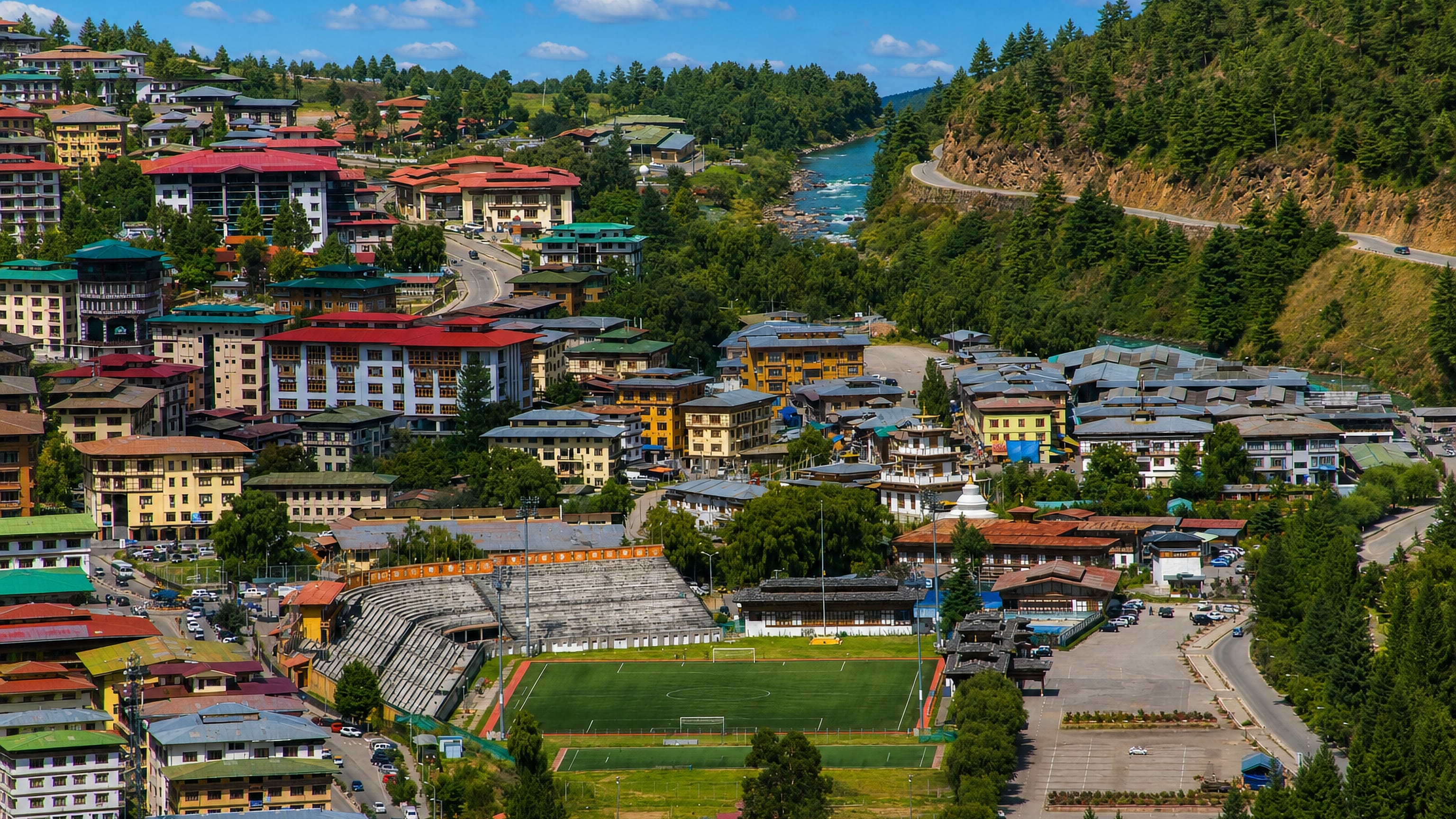
Thimphu Dzongkhag is the district at the heart of Bhutan, the mountain valley that holds Thimphu, the kingdom's capital and largest city.
Hotel links are affiliate links: booking through them may earn us a commission, at no extra cost to you. It never affects how places are ranked. How this works


Towns & cities in Thimphu Dzongkhag
One town here has its own guide — it links to where to stay.
 Bhutan
Thimphu
Thimphu fills a mountain valley in western Bhutan, the kingdom's capital and largest city, known for its Folk Heritage Museum and the ring of high ridges.Where to stay →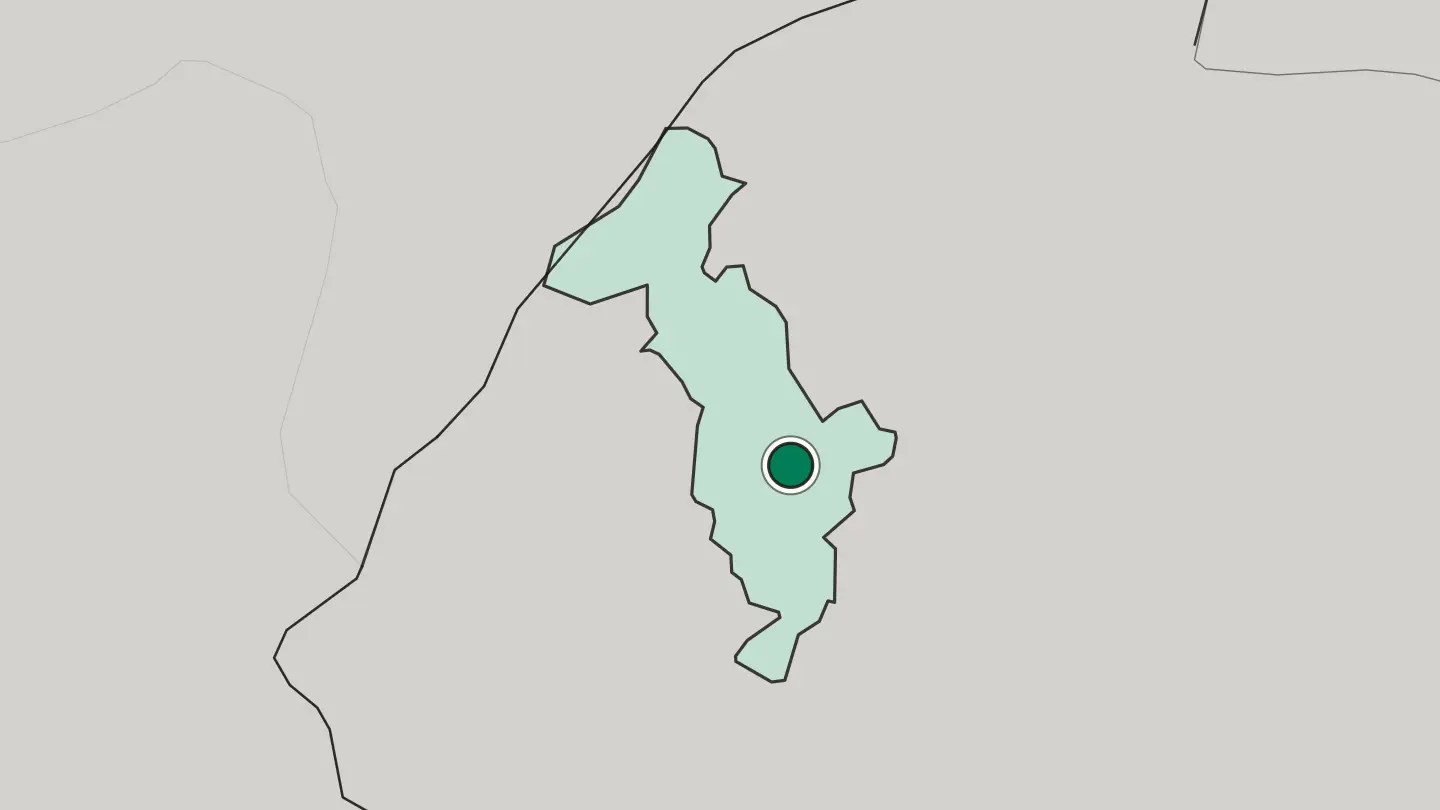
Hotel links are affiliate links: booking through them may earn us a commission, at no extra cost to you. It never affects how places are ranked. How this works
About Thimphu Dzongkhag
What is Thimphu Dzongkhag known for?
Thimphu Dzongkhag is best known as the home of Bhutan's capital. It is one of the dzongkhags, the districts into which the kingdom is divided, and this one holds Thimphu, the seat of government and the largest city in the whole country. The district gathers the national institutions of Bhutan within a single mountain valley, and its whole character is bound up with the capital at its centre.
For visitors the district and the city are one. Thimphu is the reason to come.
Where is Thimphu Dzongkhag?
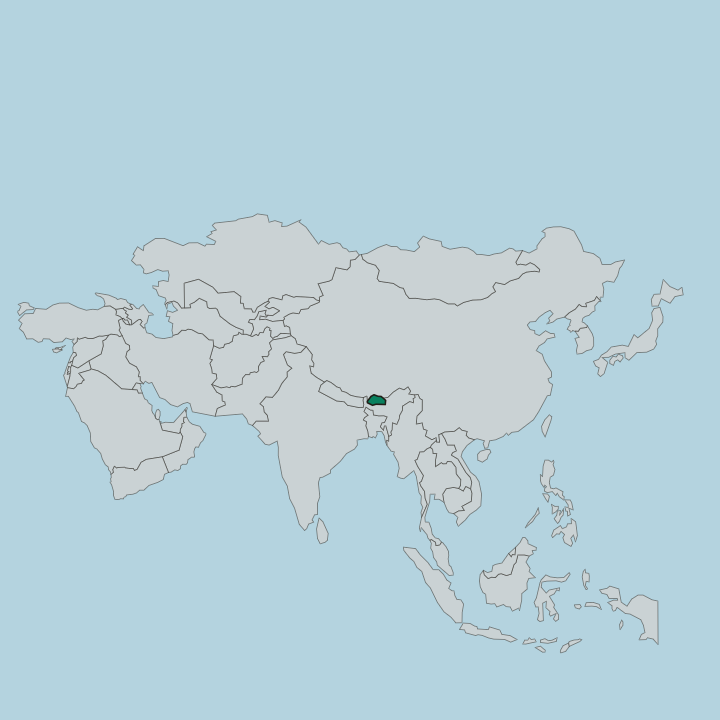
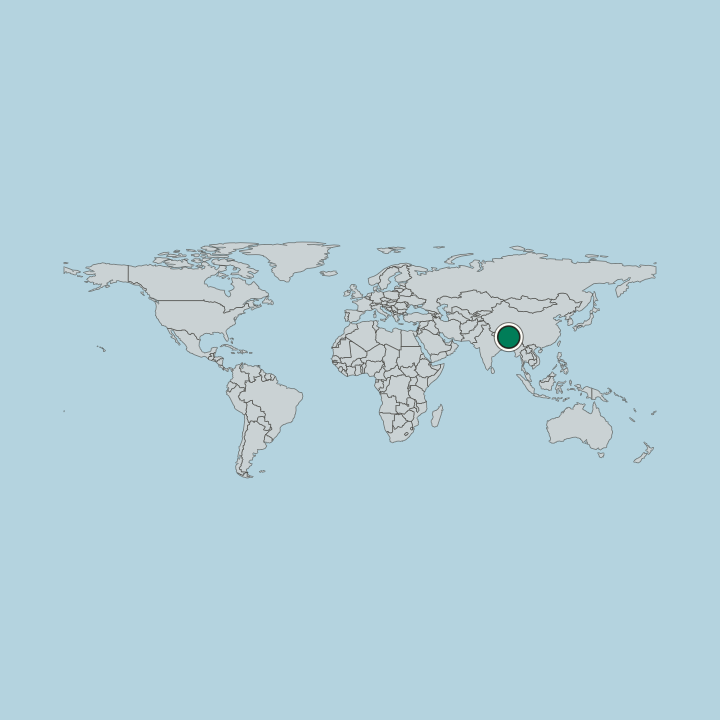
Thimphu Dzongkhag lies in the western interior of Bhutan, one of the mountain districts of the kingdom. It is not large. The district spreads across roughly 1,600 square kilometres of high valley and ridge, a fold of the great ranges that run the length of Bhutan.
At its centre sits Thimphu, the capital, gathered in a valley floor with the slopes rising steeply on either side. From that valley the ground climbs away in every direction toward the higher country of the range. The land is defined by its altitude.
This is a district of mountains, where the inhabited ground keeps to the valley bottoms and the passes, and the heights beyond stay wild and cold. Bhutan's capital region shares the pattern of the whole kingdom, a place where settlement follows the rivers down through the folds of the mountains rather than spreading across open plains. The dzongkhag holds the seat of the state in one such valley, ringed by the ridges that give Bhutan its character.
Beyond the capital the district is thinly peopled, its slopes forested low down and bare above.
What is Thimphu Dzongkhag like?
Thimphu Dzongkhag is the cultural centre of Bhutan. As the district that holds the capital, it carries the institutions and the ceremony of the kingdom, and its life turns on the seat of government at Thimphu. Dzongkha, the national language, gives the district and its dzongkhag its very name.
The rhythm of the district follows that of the wider country, ordered by the Buddhist calendar and the customs of the Himalayan kingdom that Bhutan has long kept apart from the world. Everything takes its cue from the capital. Thimphu is where the national culture is most visible, the place where the traditions of Bhutan meet the workings of a modern state, and the district around it takes its character from that meeting.
Away from the city the dzongkhag keeps the older mountain way of life, its scattered valleys given over to farming and herding in the thin air of the highlands. Dress, faith, and festival follow the national pattern that Bhutan has maintained through its history. It is a small district, but as the home of the capital it stands at the very centre of the country's identity.
What is the history of Thimphu Dzongkhag?
Thimphu Dzongkhag rose to prominence when its valley became the capital of Bhutan. For much of the kingdom's history the seat of power lay elsewhere. It waited.
This district was one mountain valley among many, quiet and remote, until the twentieth century brought the change that would define it and make it the centre of the state. Thimphu was then made the capital, and the institutions of the modern government gathered in the valley of the dzongkhag.
What is the climate of Thimphu Dzongkhag?
Thimphu Dzongkhag has a temperate mountain climate shaped by its altitude. The high valleys keep the summers mild rather than hot, even though the district sits in a subtropical reach of Bhutan. Winters turn cold.
Frost and snow settle on the heights, and the mountain nights drop sharply once the sun is gone. The monsoon brings the wettest months to the valleys, while the higher ground of the dzongkhag stays cooler and drier through the year. Altitude sets the seasons here.
How do you get to Thimphu Dzongkhag?
Reaching Thimphu Dzongkhag means reaching the capital. Bhutan is a mountain kingdom without a nearby international airport in the district itself, so most travellers arrive overland from the west, following the roads that climb into the valley where Thimphu sits. Roads then knit the district together.
Highways run from the capital out through the surrounding valleys of the dzongkhag toward the rest of Bhutan. Once in Thimphu the district's services and its onward routes are all within reach.
Common questions
What is the best area to stay in Thimphu Dzongkhag?
Thimphu city: a first base in the district and the capital's sights. The upper valleys: the mountains and quieter valleys.
Good for
Updated September 2026