Bhutan · Thimphu Dzongkhag
Where to Stay in Thimphu, Thimphu Dzongkhag
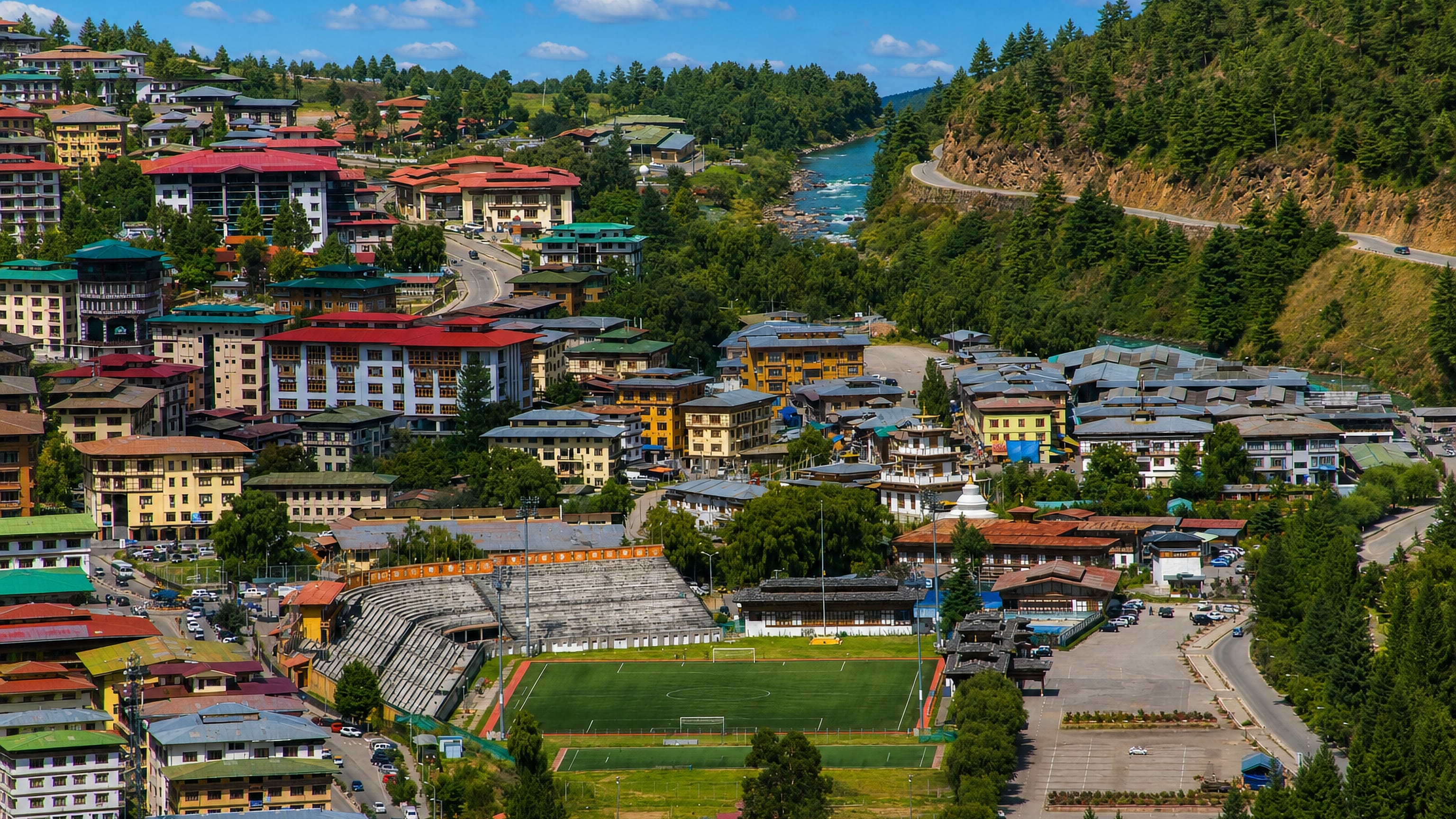
Thimphu fills a mountain valley in western Bhutan, the kingdom's capital and largest city, known for its Folk Heritage Museum and the ring of high ridges.
Hotel links are affiliate links: booking through them may earn us a commission, at no extra cost to you. It never affects how places are ranked. How this works


Where to stay in Thimphu
How the choice of base plays out on the ground.
Thimphu is compact, folded into a single valley, so most visitors base themselves in and around the city centre. The core holds the shops, the markets, and the main institutions of Bhutan, with the Folk Heritage Museum and the government quarter within easy reach. Hotels here keep a traveller close to the life of the capital.
It suits a first visit best. From the centre the sights of the city and the surrounding valley of Thimphu District are all a short way off. Beyond the centre the city climbs the valley slopes into quieter residential ground.
These higher districts trade the busier streets of the core for calmer air and wider views across the valley toward the ridges. Rooms here can sit among gardens and pines, further from the shops but closer to the walks that lead up into the hills. Thimphu is small enough that no part is truly far from another.
Stay central if the markets and the museums are the point; take the upper slopes if the valley views and the quiet matter more to you.
Find hotels in Thimphu
Direct booking searches for these neighbourhoods.
Thimphu city centre
The heart of Bhutan's capital, holding the markets, the government quarter, and the Folk Heritage Museum within a walkable core on the valley floor.Find hotels in Thimphu city centrevalley views and calm above the centreThe upper valley slopes
Quieter residential ground climbing the sides of the Thimphu valley, set among pines with wide views toward the ridges of Thimphu District. Lodging is scarce in this area; reserve in advance.Find hotels in The upper valley slopesHotel links are affiliate links: booking through them may earn us a commission, at no extra cost to you. It never affects how places are ranked. How this works
About Thimphu
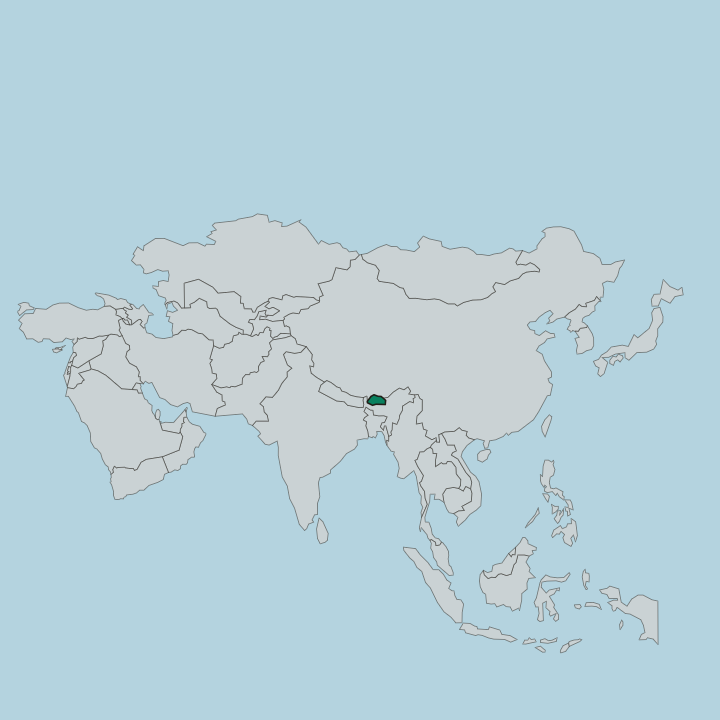
Thimphu is the capital and largest city of Bhutan.
What is Thimphu known for?
It sits in a valley in the western central part of the kingdom, the seat of government and the centre of national life. Tradition runs deep here. The city is known as a place where the customs of Bhutan hold firm against the modern world, its architecture and its ceremony kept close to the older pattern.
The Folk Heritage Museum preserves the everyday life of the old kingdom, and Thimphu serves as the hub of its dzongkhag, Thimphu District, the mountain valley that surrounds it.
What are the main landmarks in Thimphu?
The landmarks of Thimphu carry the heritage of Bhutan. The Folk Heritage Museum is the best known, a restored traditional house that shows the everyday life of the old kingdom, from the hearth to the storeroom. Sport keeps a place too.
The Thimphu Athletics Track and Field Centre gives the capital its arena for national athletics. Together they mark the two faces of the city, the deep traditions of Bhutan on one side and the workings of a modern capital on the other.
What is the history of Thimphu?
Thimphu is a young capital for an old kingdom. For centuries the seat of power in Bhutan lay at Punakha, the ancient capital in a lower valley, and Thimphu was a settlement in the mountains rather than the centre of the state. Then came the move.
In 1955 Punakha was replaced by Thimphu as the capital of the kingdom, shifting the government up into the higher valley where the city now stands. The formal step came a few years later. In 1961 the kingdom formally declared Thimphu its capital, the decision taken by Jigme Dorji Wangchuck, the third Druk Gyalpo, whose reign carried Bhutan into its modern era.
From that point the city grew as the heart of the state, gathering the ministries and the national institutions within its valley. Thimphu became the hub of its dzongkhag, Thimphu District, and the face that the Kingdom of Bhutan turned to the wider world. Its short history as a capital belies the long history of the kingdom it now governs.
Where is Thimphu?
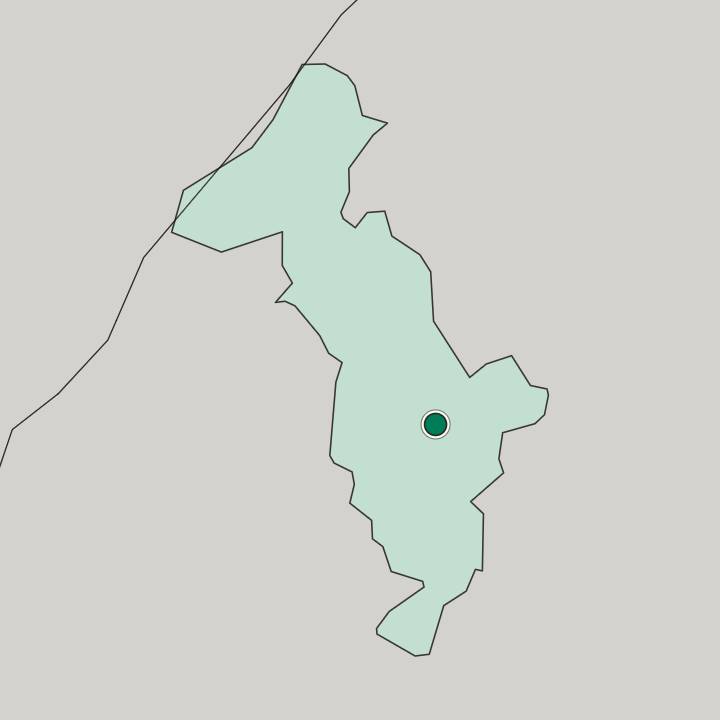
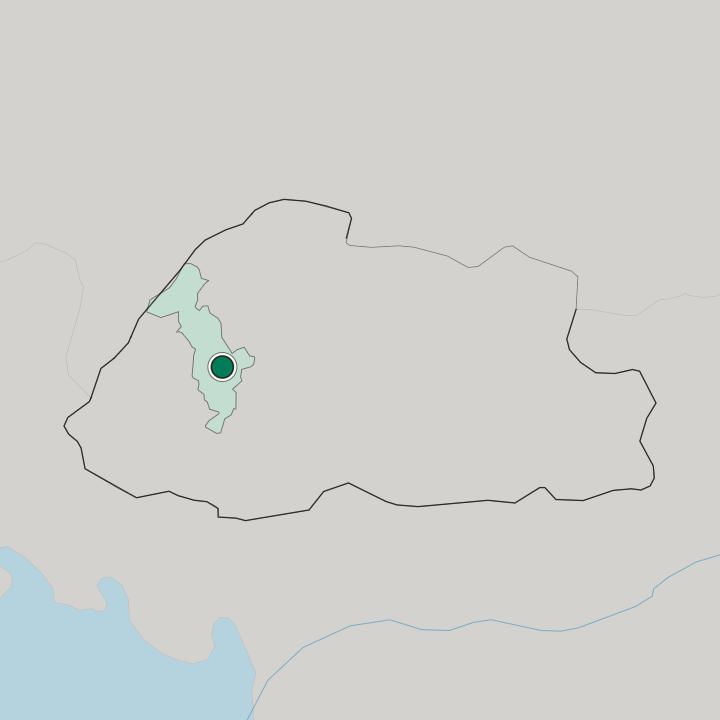
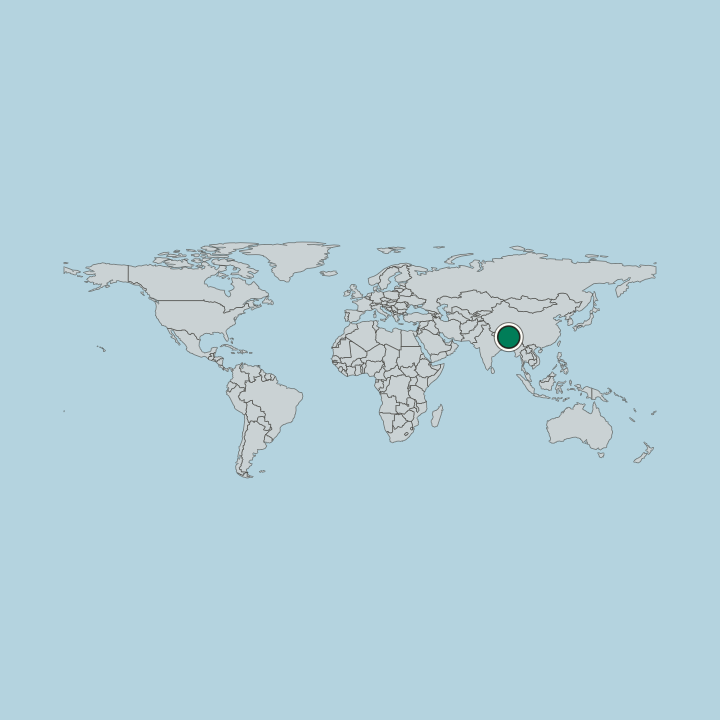
Thimphu lies in the western central part of Bhutan, set in a mountain valley among the high country of the kingdom. The city fills the valley floor, with steep forested slopes rising on either side toward the ridges. This surrounding valley forms Thimphu District, one of Bhutan's dzongkhags.
The ground is high. The city sits well above the lowlands, so the air is thin and cool, and the mountains close in on every side of the capital.
What is the climate of Thimphu?
Thimphu has a temperate highland climate set by its altitude. The city sits high in the mountains of Bhutan, so the summers stay mild and the winters turn cold, with frost and the occasional snow settling over the valley. Nights are sharp.
Even in the warmer months the temperature drops steeply once the sun leaves the valley. The monsoon brings the heaviest rain in the middle of the year, while the clearer months turn crisp and dry over the capital.
How do you get to Thimphu?
Thimphu has no airport of its own within the valley. Travellers to the capital of Bhutan reach it overland, following the mountain roads that climb up from the west into the high valley where the city sits. Roads are the way in.
Highways link Thimphu to the rest of the kingdom, winding through the ridges of Thimphu District and on toward Punakha and the wider country. Once in the city the compact centre is easily walked, its markets and museums set close together on the valley floor.
Common questions
What is the best area to stay in Thimphu?
Thimphu city centre: the markets and the capital's institutions on foot. The upper valley slopes: valley views and calm above the centre.
Good for
Updated September 2026