Belarus · Brest Oblast
Where to Stay in Brest, Brest Oblast
Brest guards the western frontier of Belarus, a city in Brest Oblast known for the vast Brest Fortress and the Berestye Archeological Museum.
Find your area →


Where to stay in Brest
Where visitors usually base themselves, and why.
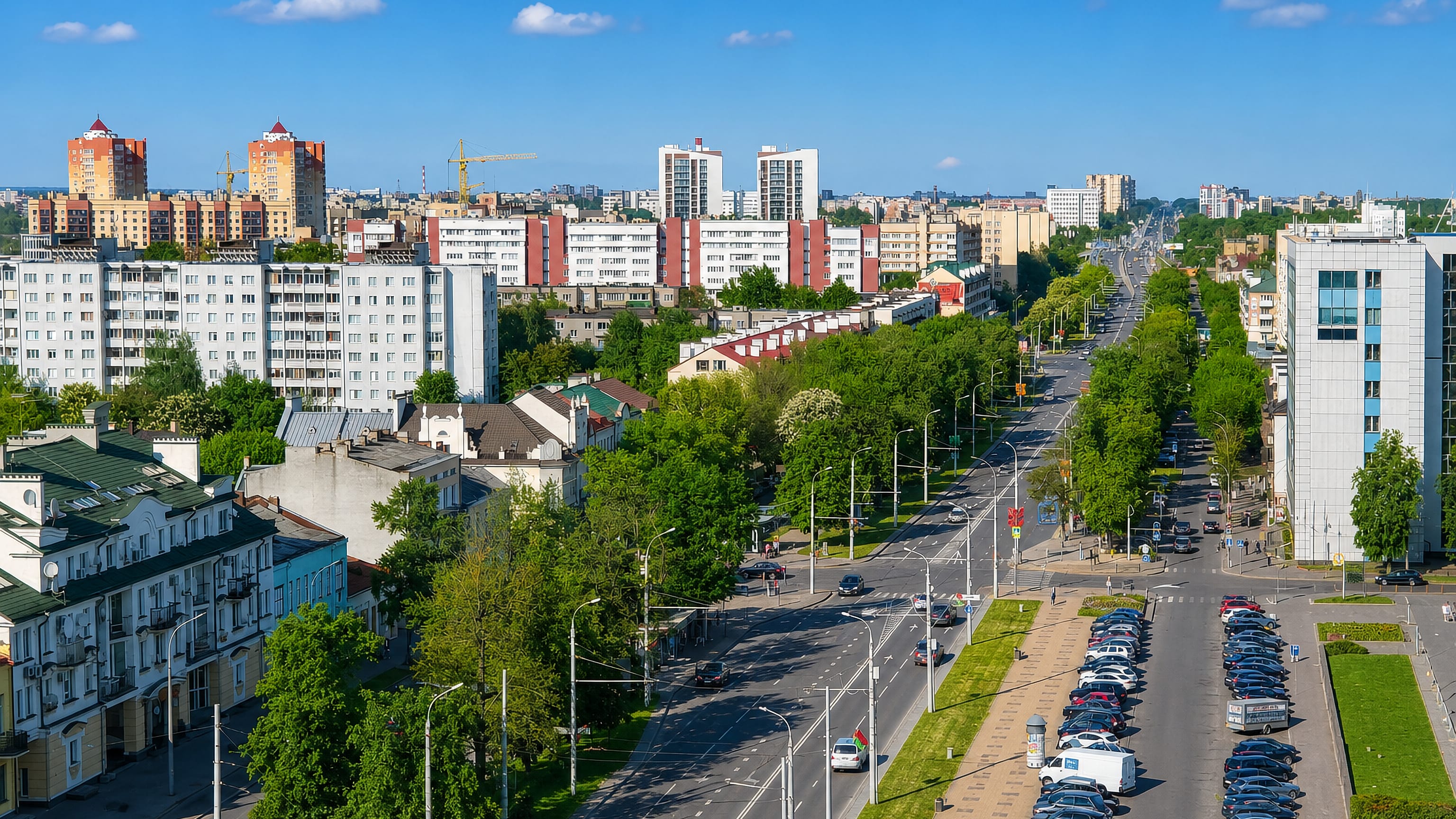
Brest concentrates its lodging in the compact centre between the railway station and the approach to the Brest Fortress. The central avenues are the natural base. Along them the Millennium Monument of Brest, the Church of the Exaltation of the Holy Cross, and the pedestrian streets lined with restored townhouses lie within an easy walk, and the tree-shaded promenade fills with strollers on warm evenings.
Stay here to reach both the memorial and the old town on foot. The streets nearer the fortress and the Berestye Archeological Museum suit visitors who want the memorial complex first thing, set a little apart from the shops and quieter after dark. These blocks trade the centre's cafes for calm.
Travellers crossing the frontier find the station district the most practical of all, right by the international platforms and a short ride from the border. Wherever you settle in Brest, the flat riverside land and the fortress ramparts frame the western edge of the city.
Things to do in Brest
Ranked by global recognition; descriptions from Wikidata (CC0).
Museums & Galleries
3- Berestye Archeological Museum Heritage
- Museum «Rescued Art Values»
- Художественный музей Бреста
Churches & Religious Sites
3- Church of the Exaltation of the Holy Cross Heritage
- Church of the Holy Apostles Peter and Paul in Brest
- Рождество-Богородичный монастырь (Брест)
Castles & Historic Sites
4- Brest Fortress Heritage
- Brest Castle Heritage
- Брестский детинец Heritage
- Statue of Lenin in Brest Heritage
worth knowingacross 3 categories in Brest
About Brest
What is Brest known for?
Brest is known above all for the Brest Fortress, the nineteenth-century citadel at the country's western frontier that became one of its most visited memorial sites. The old town rewards a slower look too. The Berestye Archeological Museum shelters the excavated timber streets of the medieval settlement, while the Millennium Monument of Brest and the Church of the Exaltation of the Holy Cross mark the centre.
Fortress, dig, and monument together carry the city's long border story.
What are the main landmarks in Brest?
Brest's landmarks run from an ancient dig to a giant citadel. The Brest Fortress dominates the western edge with its ramparts and the Monument of Courage, and the Berestye Archeological Museum preserves the wooden lanes of the medieval town beneath a protective hall nearby. Memory and faith fill the centre.
The Millennium Monument of Brest, the Church of the Exaltation of the Holy Cross, the Church of the Holy Apostles Peter and Paul, and the Brest Railway Museum give the city its spread of sights.
What is the history of Brest?
Brest is first recorded in 1017, one of the older towns of the region. Its medieval timber streets, now uncovered at the Berestye Archeological Museum, grew at a river crossing on the frontier between the lands of Poland, Lithuania, and the Rus. That crossing made the town a meeting place and a prize.
It gave its name to a church union proclaimed here, and over the centuries it changed hands among the powers whose borders ran nearby, each leaving churches, garrisons, and merchants behind. The frontier defined it from the start. A great fortress gave the modern city its shape.
The Brest Fortress was raised in the nineteenth century to hold the western approaches, and its defence in the twentieth-century war turned it into a place of national memory, its story told through the Monument of Courage and the vast memorial grounds. Rail made the difference too, and the junction that grew here is remembered at the Brest Railway Museum, while the Millennium Monument of Brest gathers the whole long chronicle into a single figure-lined column. The frontier still shapes the city.
Where is Brest?
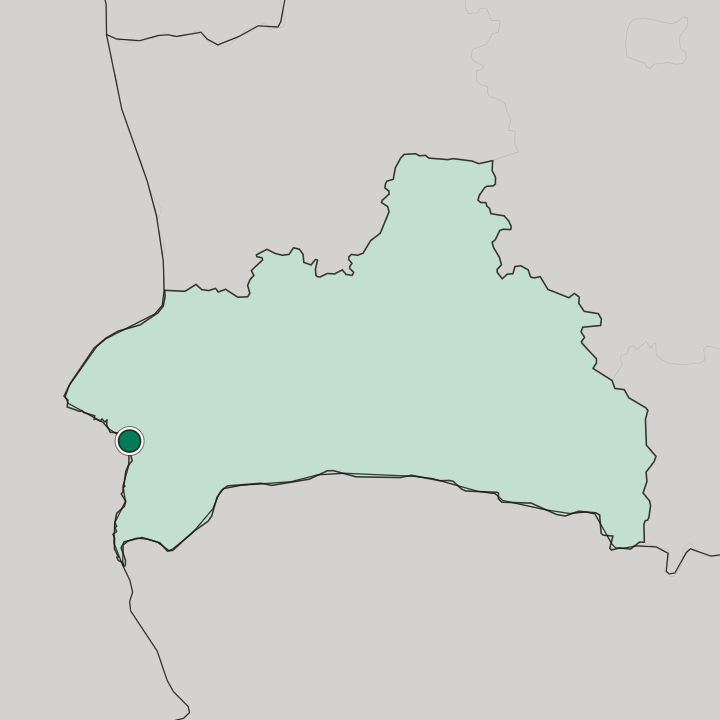
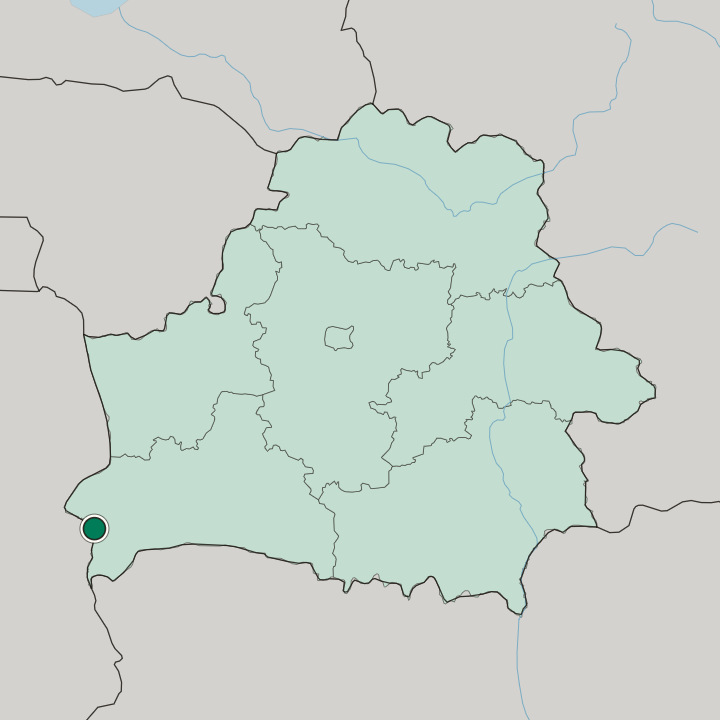
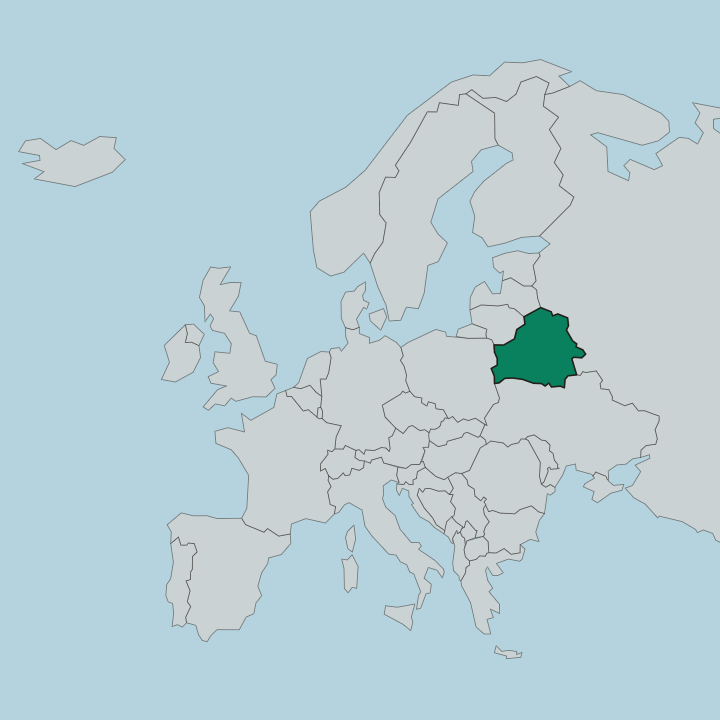
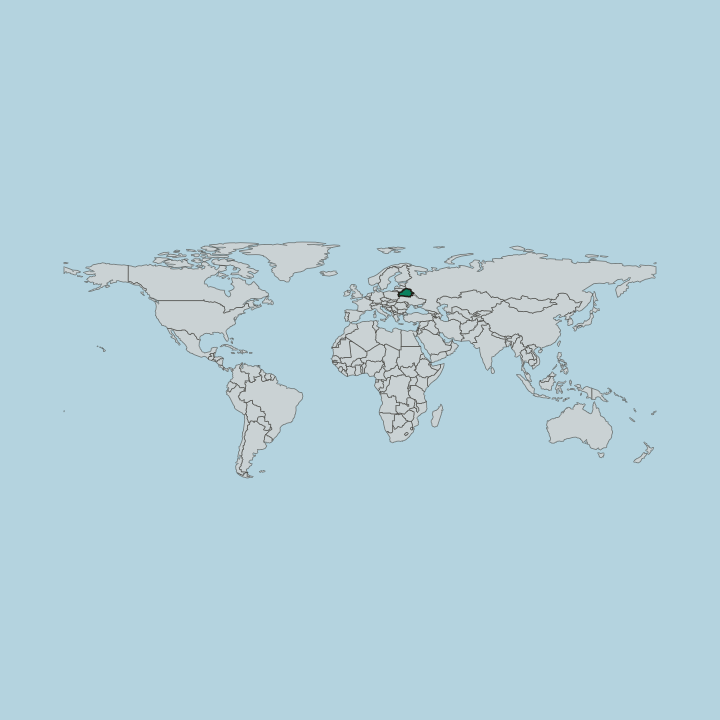
Brest sits at the far western edge of Belarus, on flat, low-lying land where the country meets its neighbour across the frontier. Rivers converge below the ramparts of the Brest Fortress, and their marshy floodplain spreads out around the city in a broad, level plain. The border runs close by.
Brest anchors the westernmost corner of Brest Oblast, a lowland of woods and water that stretches away east from the frontier crossing toward the interior.
What is the climate of Brest?
Brest has one of the mildest climates in the country, tempered by its western, lowland position. Winters are cold but comparatively short, with snow lying over the flat plain around the fortress for only part of the season. Summers are warm and humid.
Rain spreads through the year across the marshy lowland of Brest Oblast, and the frontier weather off the plains to the west softens the extremes, so spring and autumn come on slowly rather than in a sudden turn.
How do you get to Brest?
Brest is a major gateway on the western frontier, reached chiefly by rail and road. Its station is an international junction where the track gauge changes, and trains cross here between the interior and the neighbouring country beyond the border. An airport serves the region as well.
Long-distance buses run to the frontier crossings and the towns of Brest Oblast, while trunk roads pass through the city on their way between the capital and the western edge of the country, keeping Brest firmly on the through route.
Good for
More cities in Brest Oblast
Updated October 2026